Have you ever noticed a musty smell when you turn on your air conditioner? Or maybe you’ve seen dark spots inside your unit.
These signs could mean mold is growing in your air conditioner. But what causes mold to develop there? Understanding the reasons behind mold growth in your AC is key to keeping your home fresh and your air healthy. You’ll discover exactly what leads to mold in your air conditioner and simple steps you can take to stop it before it becomes a bigger problem.
Keep reading to protect your home and breathe easier.

Credit: www.reddit.com
Common Mold Triggers In Ac Units
Moisture buildupinside AC units creates a perfect home for mold. Water collects in the drip pan or on coils. This trapped moisture stays wet for too long, helping mold grow fast.
Poor ventilationstops air from moving well. Stale air stays inside the unit, raising humidity levels. High humidity makes mold spores easier to spread and settle.
Dirty filters and coilshold dust and dirt. This dirt mixes with moisture and feeds mold. Dirty parts block airflow, making the AC work harder and stay damp.
Hidden Factors Fueling Mold Growth
Clogged drainage linestrap water inside the AC unit. This creates a wet environmentperfect for mold. Water that cannot drain away stays in the system, feeding mold spores. Regular cleaning helps prevent this problem.
Leaking ductworklets moisture enter the air ducts. Moist air sticks to the duct walls, causing mold to grow. Tiny holes or gaps in ducts often cause these leaks. Sealing ducts stops moisture and mold growth.
Inadequate maintenanceallows dust and dirt to build up inside the AC. This dirt holds moisture and provides food for mold. Skipping regular checks and cleaning makes mold problems worse. Keeping the AC clean is key to mold control.
Health Risks Linked To Moldy Air Conditioners
Allergic reactionsfrom mold in air conditioners can include sneezing, itchy eyes, and skin rashes. Mold spores spread easily through the air, causing discomfort to many people. Those with allergies may find symptoms worsening in moldy environments.
Respiratory issuesare common with mold exposure. Breathing in mold spores can lead to coughing, wheezing, and shortness of breath. People with asthma or lung problems may experience more severe attacks or flare-ups due to mold.
Long-term effectsof mold exposure may include chronic sinus infections and persistent respiratory problems. Constant contact with mold can weaken the immune system, making it harder to fight other illnesses. Children and elderly people are especially vulnerable to these effects.

Credit: www.wipcool.com
Signs Your Ac Might Have Mold
Musty odorscoming from your AC are a clear sign of mold growth. This smell often appears when mold releases spores into the air. It can make your home smell damp and unpleasant.
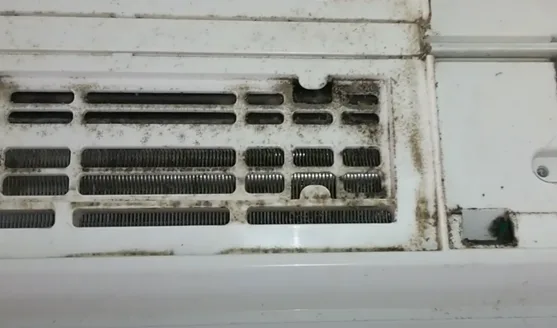
Visible mold spotscan sometimes be seen on the AC vents or inside the unit. These spots may look black, green, or white. They grow in areas where moisture stays for a long time.
Unusual air qualitymeans the air feels stuffy or causes coughing and sneezing. Mold spores can cause allergic reactions and make breathing harder. Poor air quality often signals hidden mold inside the AC system.
Preventing Mold In Your Ac System
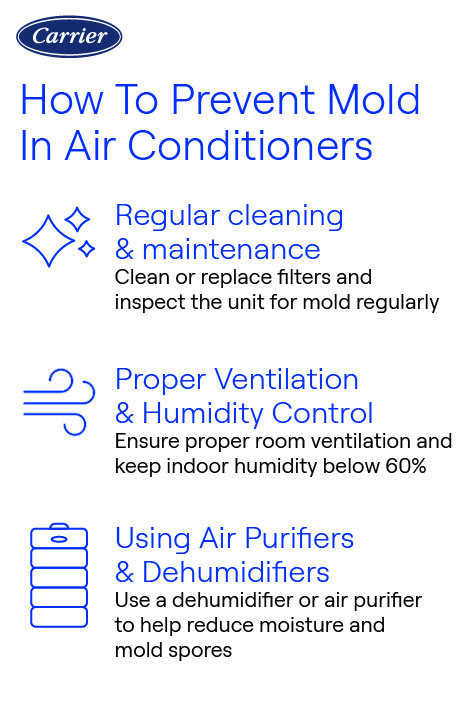
Regular cleaning helps stop mold growth in your air conditioner. Dirt and dust can trap moisture, which mold loves. Clean the coils, drain pans, and vents often to keep them dry and clear.
Proper drainage is key. Water that stays inside the system can cause mold to grow fast. Make sure the drain lines are not blocked and water flows out smoothly.
Upgrading filters can make a big difference. High-quality filters catch tiny particles and reduce moisture buildup. Change filters regularly to keep the air fresh and clean.
Effective Mold Removal Techniques
DIY cleaninghelps stop mold growth in air conditioners. Use a mixture of water and vinegar to wipe down the coils and drain pan. Make sure to wear gloves and a mask to avoid breathing mold spores. Clean or replace air filters regularly to keep air flowing well. Keep the area around the unit dry and free from dust.
Professional mold remediationcan handle heavy mold problems safely. Experts use special tools and cleaners to remove mold deep inside the system. They check for hidden mold and fix moisture issues that cause mold growth. Hiring a pro is best if mold keeps coming back or covers large areas.
Replace partsif mold damages key components. Dirty filters, clogged drain lines, or broken insulation can cause mold to grow. Changing these parts helps keep your air conditioner clean and working well. Regular checks help find parts that need replacement early.
Credit: heatingandcoolingwichitaks.com
Frequently Asked Questions
What Are The Main Causes Of Mold In Air Conditioners?
Mold in air conditioners mainly grows due to moisture buildup, poor ventilation, and dirty filters. Condensation collects inside, creating a damp environment favorable for mold growth.
How Does Humidity Affect Mold Growth In Ac Units?
High humidity increases moisture inside AC units, promoting mold growth. Maintaining indoor humidity below 60% helps prevent mold formation and keeps air conditioners cleaner.
Can A Dirty Air Filter Lead To Mold In Ac?
Yes, dirty air filters trap dust and moisture, providing mold a breeding ground. Regular filter cleaning or replacement reduces mold risk and improves air quality.
Why Is Poor Drainage A Mold Risk In Air Conditioners?
Blocked or faulty drainage causes water to pool inside the unit. Standing water feeds mold growth and leads to unpleasant odors and potential health issues.
Conclusion
Mold in air conditioners can cause health issues. Preventing mold is crucial. Regular maintenance helps keep units clean and mold-free. Ensure proper ventilation to reduce moisture. Clean filters frequently to remove dust and debris. Check for leaks and fix them promptly.
Use a dehumidifier if needed. Mold thrives in damp environments. So, keep your air conditioner dry. Being proactive can save time and money. Keep your home safe and healthy. Follow these steps to enjoy clean, fresh air.