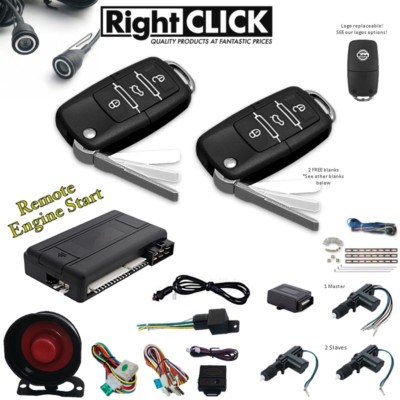
Thinking about protecting your car with an alarm but worried about the cost? You’re not alone.
Knowing how much a car alarm costs can help you make a smart choice without breaking the bank. Whether you want a basic alarm or a high-tech system with extra features, understanding the price range is key. Keep reading, and you’ll discover what affects the price, what options fit your budget, and how to get the best value for your money.
Your car’s safety is important—let’s find the right alarm for you.

Credit: www.ebay.com
Car Alarm Price Range
Car alarms protect your vehicle from theft and break-ins. Prices vary depending on the system’s features and complexity.
Understanding the price range helps you choose the right alarm for your needs and budget.
Basic Alarm Systems
Basic alarm systems offer simple protection with easy installation. They include sensors for doors and windows.
These systems usually cost between $50 and $150. They are affordable for most car owners.
- Door and window sensors
- Audible siren alarm
- Basic remote control
Advanced Security Features
Advanced alarms add more sensors and smart technology. They detect motion, glass break, and tilt.
Price range for these systems is around $150 to $400. They offer better protection and alerts.
- Motion detectors inside car
- Glass break sensors
- Shock and tilt sensors
- Remote start and keyless entry
Premium Alarm Packages
Premium packages include top security and convenience features. They often connect to your phone for real-time alerts.
These packages cost between $400 and $1000 or more. They suit drivers who want maximum protection.
- GPS tracking and geofencing
- Smartphone app control
- Remote engine disable
- Backup battery power
Factors Influencing Cost
Car alarm prices can vary a lot. Many factors affect how much you will pay. Knowing these helps you choose the right alarm.
Some costs depend on the type of alarm and how hard it is to install. Other costs come from the brand and extra features.
Type Of Alarm
There are simple and advanced car alarms. Basic alarms cost less but offer fewer features. More complex alarms add to the price.
- Basic alarms: sound siren only
- Keyless entry alarms: control with remote
- GPS tracking alarms: find your car anywhere
- Smart alarms: connect to your phone
Installation Complexity
Some alarms are easy to install. Others need a professional and more time. Hard installations cost more.
| Installation Type | Cost Range |
| DIY simple install | $20 – $50 |
| Professional basic install | $50 – $100 |
| Professional complex install | $100 – $300 |
Brand Reputation
Well-known brands often charge more. They offer better quality and support. Cheaper brands may save money but lack features.
- Top brands: higher price, strong warranty
- Mid-range brands: balanced cost and quality
- Budget brands: low price, basic features
Additional Features
Extra features add to the price. Some features increase security and convenience.
| Feature | Effect on Cost |
|---|---|
| Remote start | Raises cost by $50-$150 |
| Shock sensors | Raises cost by $20-$70 |
| Glass break sensors | Raises cost by $30-$80 |
| Two-way remotes | Raises cost by $40-$120 |
Installation Expenses
Installing a car alarm costs more than the alarm itself. The installation fees depend on who does the work and the car type.
Knowing the installation expenses helps you plan your budget better for a car alarm system.
Diy Vs Professional Installation
You can install a car alarm yourself or hire a professional. DIY saves money but needs skills and time.
Professional installation costs more but ensures the alarm works well. It also protects your car’s warranty.
- DIY installation cost: mostly just tools and your time
- Professional installation cost: $50 to $200 on average
- DIY risks: wrong wiring or damage to car systems
- Professional benefits: expert setup and testing
Labor Charges
Labor fees vary by location and installer experience. They are a big part of the total cost.
Most shops charge hourly rates or flat fees for car alarm installation. The work can take one to three hours.
- Average hourly labor rate: $75 to $125
- Flat fee for simple installation: $50 to $100
- Complex systems may cost more due to extra time
Potential Hidden Costs
Some installation expenses may not be clear at first. These hidden costs can increase your budget.
Extra parts or wiring may be needed. Some cars have hard-to-reach spots that raise labor time.
- Additional wiring or connectors
- Special tools or adapters for certain car models
- Extra labor for complicated car electronics
- Battery replacements or upgrades if needed

Credit: www.amazon.com
Comparing Alarm Types
Car alarms help protect your vehicle from theft. Different types of alarms offer various features and costs.
Choosing the right alarm depends on your needs and budget. Let’s look at three common types.
Wired Systems
Wired car alarms connect directly to your car’s electrical system. They are usually installed by professionals.
These systems are reliable and hard to tamper with. Installation costs can be higher because of wiring work.
- Cost: $100 to $300 for the system
- Installation: $100 to $200
- Strong and stable connection
- May take longer to install
Wireless Systems
Wireless car alarms use radio signals to communicate. They are easier to install and can be DIY projects.
These alarms cost less for installation but may have limited range. Batteries need regular replacement.
- Cost: $50 to $150 for the system
- Installation: Often DIY or $50 to $100 if professional
- Simple setup and portable
- Signal range varies by model
Smartphone Integration
Smartphone integrated alarms let you control your car from your phone. They offer alerts and remote functions.
These alarms are more expensive but give added convenience. They need a good internet or cellular connection.
- Cost: $200 to $400 for the system
- Installation: $100 to $200
- Control and alerts via smartphone app
- May require monthly service fees
Value For Money Tips
Car alarms can protect your vehicle from theft and damage. Choosing the right alarm means getting good value for your money.
It is important to consider cost, features, and reliability before buying a car alarm system.
Balancing Cost And Security
High-priced alarms often have more features but are not always needed. Low-cost alarms may lack important security functions.
Pick an alarm that fits your budget and offers good protection. Basic alarms with loud sirens can deter thieves effectively.
- Check alarm features like shock sensors and remote control
- Consider installation costs with the alarm price
- Choose systems that fit your vehicle type
Warranty And Support
A warranty protects your purchase if the alarm fails. Look for alarms with at least one year of warranty coverage.
Good customer support helps with installation and troubleshooting. Make sure the brand offers easy access to help.
- Check warranty length and what it covers
- Look for local service centers or online support
- Read about return and repair policies
User Reviews And Ratings
Reading user reviews shows real experiences with the alarm. Ratings can highlight common problems or benefits.
Choose alarms with mostly positive feedback and good ratings to avoid future issues.
- Look for reviews mentioning installation ease
- Check if alarms trigger false alarms often
- Note if the alarm system lasts long without repair
Additional Security Options
Car alarms come with extra features to boost your vehicle’s safety. These options add layers of protection beyond the basic alarm system.
Choosing the right add-ons can make your car harder to steal or damage. Here are some common extra security options to consider.
Gps Tracking
GPS tracking allows you to locate your car using satellite signals. This feature helps in recovering your vehicle if it is stolen.
- Real-time location updates
- Geo-fencing alerts when your car moves
- History of routes taken by the vehicle
- Easy tracking through a smartphone app
Remote Start Features
Remote start lets you start your car’s engine from a distance. It adds convenience and can improve security by letting you warm up or cool down your vehicle before you get inside.
| Benefit | Description |
| Comfort | Start car to adjust temperature before driving |
| Security | Remote engine control can deter theft |
| Convenience | Turn on your car without using the key |
Shock And Tilt Sensors
Shock and tilt sensors detect physical impacts or changes in the car’s angle. They trigger the alarm if someone tries to break in or tow the vehicle.
- Shock sensors react to bumps or hits
- Tilt sensors detect if the car is lifted
- Alert you immediately on suspicious activity
- Prevent theft by early warnings

Credit: www.ebay.com
Frequently Asked Questions
How Much Does A Basic Car Alarm Cost?
A basic car alarm typically costs between $50 and $200. Installation fees may add $100 to $300. Prices vary by brand and features.
What Affects The Price Of A Car Alarm System?
Car alarm cost depends on features, brand, and installation complexity. Advanced features like GPS tracking and smartphone control increase the price.
Are Professional Installations Necessary For Car Alarms?
Professional installation is recommended for optimal performance and security. DIY installation may save money but risks improper setup and reduced effectiveness.
Can I Find Affordable Car Alarms With Advanced Features?
Yes, some affordable car alarms offer advanced features. Look for mid-range models with GPS or remote start within $200 to $400.
Conclusion
Choosing a car alarm involves balancing cost and quality. Prices vary widely, depending on features and brand. Basic models start low, while advanced systems cost more. Installation fees add to the total expense. It’s wise to research and compare options.
Consider your budget and needs. A good car alarm protects your vehicle and gives peace of mind. Investing in security can save money in the long run. Remember, it’s not just a purchase. It’s about safeguarding your asset. Make an informed choice, and your car stays secure.