Have you ever noticed ice forming on your air conditioner and wondered why it happens? When your AC freezes up, it can stop working properly and leave you feeling hot and frustrated.
Understanding why your air conditioner freezes is the first step to fixing the problem and keeping your home cool. You’ll discover the common reasons behind AC freeze-ups and simple tips to prevent them. Keep reading to protect your comfort and avoid costly repairs.
Credit: www.thervgeeks.com
Why Air Conditioners Freeze
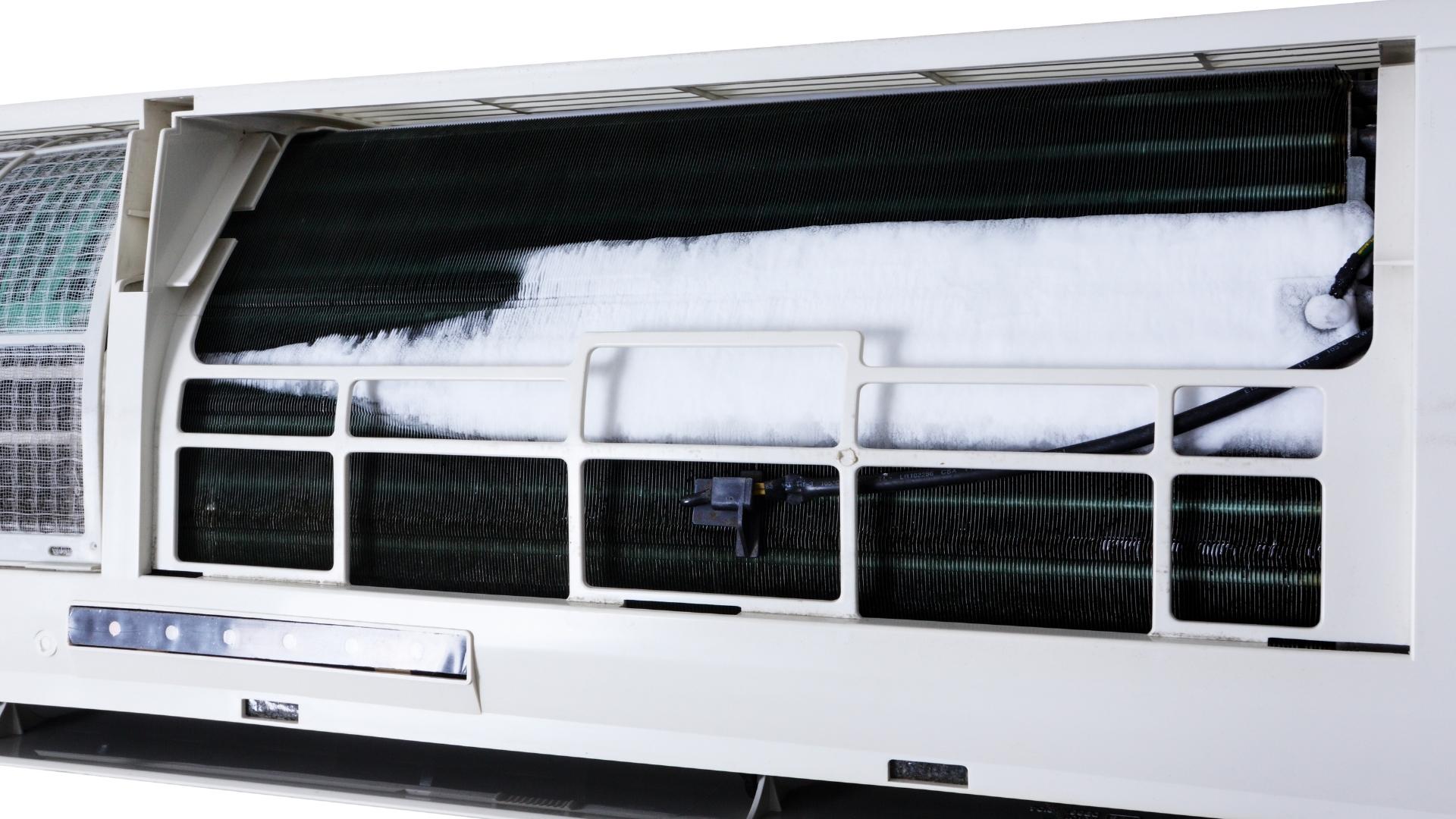
Air conditioners can freeze up for several reasons. This causes ice to form on the coils. Ice blocks airflow and stops cooling.
Understanding why this happens helps you fix the problem. It also keeps your AC working well.
Low Refrigerant Levels
Refrigerant absorbs heat from inside your home. Low levels make the coils too cold. This causes ice to form on the coils. Low refrigerant can come from leaks or poor charging.
Poor Airflow
Good airflow helps the AC work properly. Blocked vents or closed doors reduce airflow. When air does not move well, ice can build up on the coils.
- Blocked or closed vents
- Obstructed return air ducts
- Dirty evaporator coils
- Closed windows or doors
Dirty Air Filters
Air filters trap dust and dirt. When filters get dirty, airflow drops. Low airflow makes the coils colder and causes freezing. Change or clean filters often to avoid this problem.
Thermostat Issues
A faulty thermostat can cause the AC to run too long or too cold. This can freeze the coils. Make sure your thermostat works correctly and is set to a proper temperature.
Faulty Blower Motor
The blower motor pushes air over the coils. If it fails, air cannot flow properly. Poor airflow makes the coils freeze. Repair or replace a broken blower motor to fix this.
| Cause | Effect on AC | Signs of Freezing |
|---|---|---|
| Low Refrigerant | Coils get too cold | Ice on coils, weak cooling |
| Poor Airflow | Air does not move well | Frozen coils, warm rooms |
| Dirty Filters | Blocks air movement | Ice buildup, bad smell |
| Thermostat Issues | Wrong temperature control | Continuous running, freezing |
| Faulty Blower Motor | No air over coils | Coils freeze, no airflow |
Credit: www.topnotchheatingandair.com
Signs Of A Frozen Ac Unit
A frozen air conditioner can cause many problems. It stops cooling your home properly. You might not notice it right away.
Knowing the signs helps you fix the issue faster. It also prevents damage to your AC unit. Here are common signs to watch for.
Ice Formation On Coils
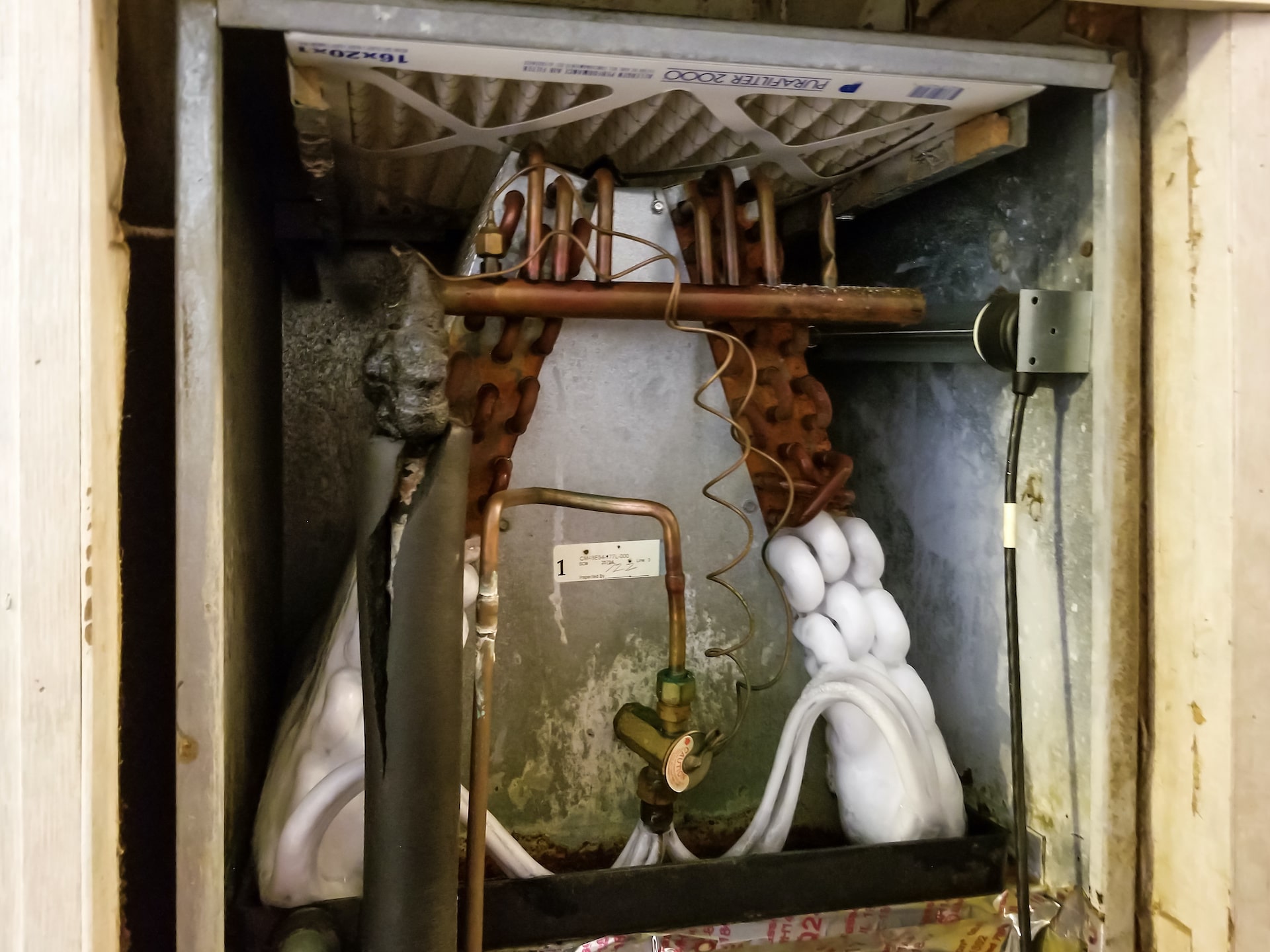
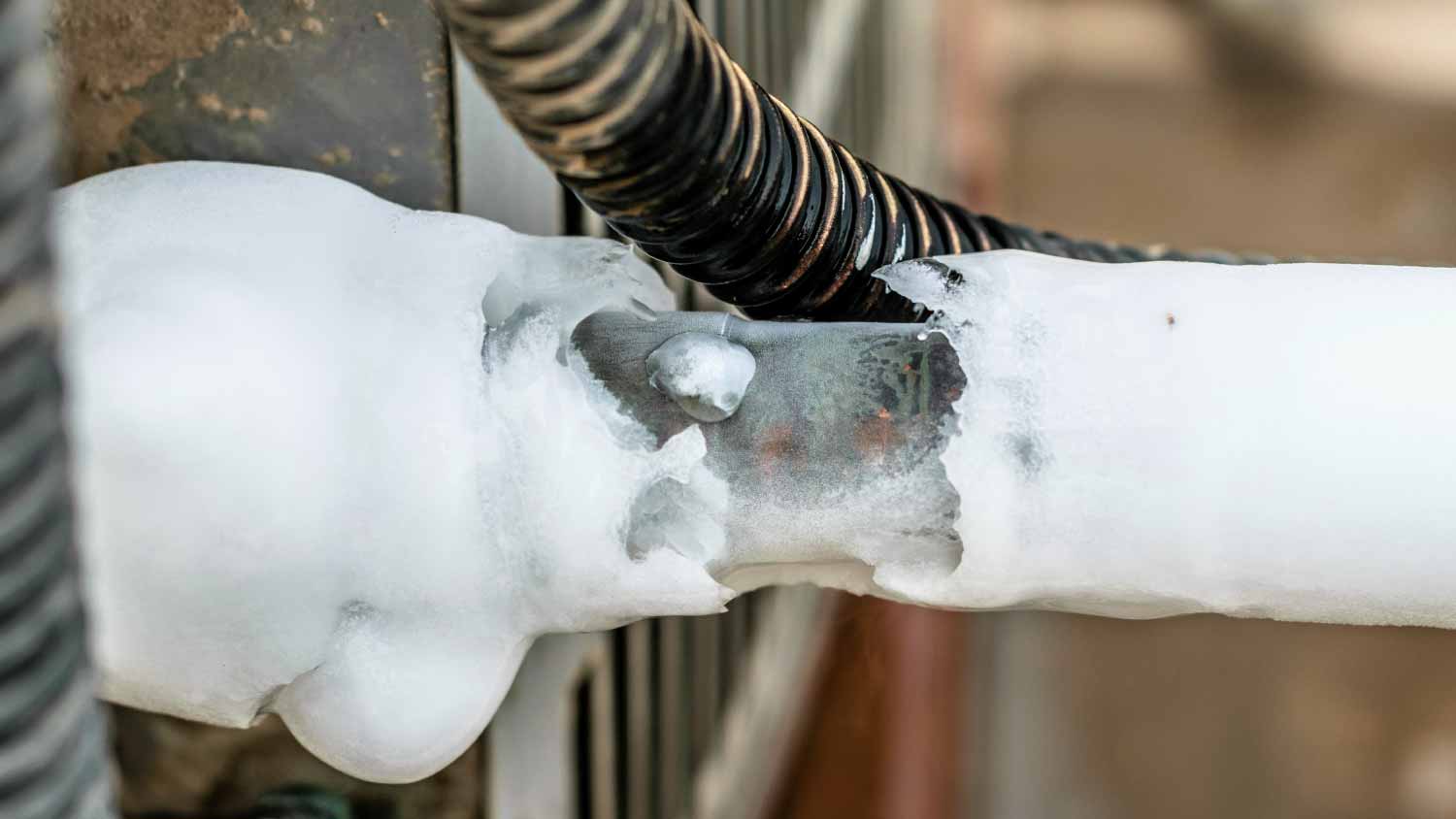
One of the first signs is ice on the coils. The coils freeze because of low airflow or low refrigerant. Ice can cover the evaporator coil or refrigerant lines.
Ice blocks airflow and stops the system from working. If you see ice, turn off your AC to let it thaw. Call a professional to check the problem.
Reduced Cooling Efficiency
Your AC will cool less when frozen. It may run longer but fail to lower the temperature. This happens because frozen coils reduce heat exchange.
- Room feels warmer than usual
- AC runs nonstop without cooling well
- Higher energy bills due to longer run time
- Fan may blow weak or warm air
Unusual Noises
Frozen AC units may make strange sounds. Ice can cause parts to rub or strain. You might hear clicking, banging, or hissing noises.
These noises are a warning. Turn off your AC and check for ice. Noises can signal damage to the system.
Water Leaks
Ice melting from the frozen coils causes water leaks. Water can drip around the indoor unit or on the floor. Leaks can damage walls and floors if ignored.
| Leak Location | Possible Cause |
| Near indoor unit base | Ice melting inside the unit |
| Floor below AC | Clogged drain line or frozen coil melt |
| Walls near unit | Excess water from ice thawing |
Quick Fixes For A Frozen Ac
Air conditioners can freeze up when cold air stops flowing properly. This causes ice to form on the coils and parts inside the unit.
Fixing a frozen AC quickly helps it work better and prevents damage. Here are simple ways to solve this issue.
Turn Off The Unit
First, turn off your air conditioner. This lets the ice melt safely. Running the unit while frozen can harm the system.
Wait for at least an hour or until all ice melts before turning it back on. Use a fan to speed up melting if needed.
Replace Or Clean Air Filters
Dirty or clogged air filters reduce airflow and cause freezing. Check the filters and clean or replace them if dirty.
Filters should be cleaned or changed every 1 to 3 months. This keeps air moving freely and stops the AC from freezing.
Check And Clean Vents
Blocked or closed vents reduce airflow, causing ice buildup. Make sure all vents are open and clear of dust or debris.
- Remove dust and dirt from vent covers
- Keep furniture or curtains away from vents
- Ensure nothing blocks airflow near vents
Inspect Refrigerant Levels
Low refrigerant can cause the AC to freeze. If you suspect this, call a professional to check and refill refrigerant safely.
Do not try to add refrigerant yourself. It needs special tools and knowledge to avoid damage or injury.
Ensure Proper Thermostat Settings
Set your thermostat to a reasonable temperature. Very low settings can cause the AC to freeze.
- Keep thermostat above 70°F (21°C) in summer
- Use “auto” mode instead of “on” mode
- Avoid rapid temperature changes
Credit: www.angi.com
Preventing Future Freezing
Air conditioners can freeze up if certain problems occur. Preventing this helps your unit run well and last longer.
Follow simple steps to keep your air conditioner from freezing. These include regular care and checking key parts.
Regular Maintenance
Cleaning and checking your air conditioner often stops ice from forming. Change filters and clean coils regularly.
- Replace air filters every 1 to 3 months
- Clean evaporator and condenser coils yearly
- Remove debris from outside unit
- Check drain lines for clogs
Schedule Professional Inspections
Experts find problems you might miss. They test parts and fix small issues before ice forms.
Plan inspections once a year. This keeps your system in good shape and stops freezing early.
Keep Airflow Unobstructed
Air must flow freely through your system. Blocked airflow causes cold spots and ice buildup.
Follow these tips to keep airflow clear:
- Do not block vents with furniture or curtains
- Keep air filters clean and dry
- Make sure outdoor unit has space around it
- Check for closed or blocked ducts
Monitor Refrigerant Levels
Low refrigerant causes the coils to get too cold and freeze. Check levels to avoid this.
| Refrigerant Level | Effect on AC |
| Normal | Runs smoothly without freezing |
| Low | Coils freeze, less cooling power |
| High | System runs hot, risk of damage |
Frequently Asked Questions
Why Does My Air Conditioner Freeze Up?
Air conditioners freeze due to restricted airflow or low refrigerant. Blocked filters, dirty coils, or fan issues reduce air movement. Low refrigerant causes coil temperature to drop, forming ice. Regular maintenance prevents freezing and ensures efficient cooling.
How Can I Prevent My Ac From Freezing?
To prevent freezing, clean or replace filters regularly. Ensure proper airflow by checking vents and fans. Schedule professional refrigerant checks annually. Keep coils clean and avoid running AC on very low temperatures continuously.
What Are Common Signs Of A Frozen Air Conditioner?
Common signs include reduced cooling, water dripping, and ice on coils. The unit may make unusual noises or shut off unexpectedly. Recognizing these signs early can prevent damage and costly repairs.
Can Low Refrigerant Cause Ac Freezing?
Yes, low refrigerant lowers coil temperature, causing ice buildup. It often results from leaks or improper charging. Prompt professional service is needed to locate leaks and recharge refrigerant.
Conclusion
Understanding why air conditioners freeze is crucial. Regular maintenance prevents this issue. Keep filters clean and check refrigerant levels. Ensure proper airflow around your unit. Simple steps save money and headaches. A well-maintained air conditioner works efficiently. Avoid unexpected breakdowns and high repair costs.
Pay attention to signs of freezing. Address problems early. Protect your comfort and investment. Follow these tips and enjoy a cool, comfortable home. Stay informed and proactive. Your air conditioner will thank you.