Are you wondering if using a car cover could actually harm your vehicle instead of protecting it? You’re not alone.
Many car owners ask this question because they want to keep their car looking great but worry about the risks. Could a simple cover cause scratches, trap moisture, or even damage the paint? Before you decide to cover your car or leave it uncovered, it’s important to know the truth.
Keep reading to find out whether car covers are really bad for your car or if they can be a smart way to protect your investment.

Credit: www.reddit.com
Benefits Of Using Car Covers
Car covers protect your vehicle from many outside risks. They keep your car looking new for longer. Using a car cover can save you time and money on cleaning and repairs.
Many drivers wonder if car covers harm their cars. In reality, they offer several important benefits. Let’s look at how car covers help protect your vehicle.
Protection From Weather Elements
Car covers create a barrier against rain, snow, and wind. This stops moisture from building up on your car’s surface. It also prevents rust and corrosion from forming.
- Blocks rain and snow from reaching the paint
- Reduces damage from hail and flying debris
- Keeps dirt and mud off the car during storms
- Protects against frost and ice buildup on windows
Shielding Against Dirt And Debris
Car covers keep dust, bird droppings, and tree sap off your car. These substances can harm the paint and cause stains. Covering your car helps it stay clean longer.
| Type of Debris | Effect on Car |
| Dust and Dirt | Scratches paint when rubbed |
| Bird Droppings | Can cause paint stains and corrosion |
| Tree Sap | Leaves sticky residue that damages paint |
| Insect Remains | Can stain and degrade clear coat |
Preventing Uv Damage
The sun’s UV rays fade paint and dry out tires and trim. A car cover blocks these rays and protects the car’s finish. This keeps your vehicle looking newer for years.
- Prevents paint from fading and cracking
- Protects interior from sun damage and heat
- Reduces dashboard and upholstery wear
- Helps maintain tire and rubber parts condition
Potential Risks Of Car Covers
Car covers protect vehicles from dust and dirt. They also guard against sunlight and rain.
Still, using car covers can cause some problems. It is important to know the risks before using one.
Scratches And Abrasions
Car covers can scratch paint if they rub against the car. Wind can move the cover and cause friction.
Dirt or small debris trapped under the cover can also scratch the surface. These scratches may look bad and lower the car’s value.
- Use soft, clean covers to reduce scratches
- Remove debris before covering the car
- Secure the cover tightly to stop movement
Trapping Moisture And Mold
Car covers can trap moisture under them, especially if the car is wet before covering. This can cause mold to grow.
Mold can damage fabrics inside the car and cause bad smells. Moisture can also lead to rust on metal parts.
- Make sure the car is dry before covering
- Use breathable car covers to allow air flow
- Check under the cover regularly for moisture
Paint Damage Concerns
Some car covers may cause paint damage over time. Chemicals in the cover material can react with the paint.
Sunlight trapped under a cover can also fade or weaken the paint. This makes the car look older and less shiny.
- Choose covers made for car paint safety
- Avoid covers with harsh chemicals or dyes
- Use covers with UV protection to reduce fading
Types Of Car Covers
Car covers come in many types to protect your car from dirt, dust, and weather. Choosing the right type helps keep your car safe.
Different covers work best for indoor or outdoor use. Materials and fit also change how well a cover protects your car.
Indoor Vs Outdoor Covers
Indoor car covers protect your car from dust, scratches, and small dings inside garages. They are usually lightweight.
Outdoor covers shield your car from rain, sun, snow, and bird droppings. These covers are thicker and water-resistant.
- Indoor covers are soft and breathable
- Outdoor covers resist water and UV rays
- Outdoor covers are heavier to stay in place
Material Differences
Car covers use different materials for protection. Some are soft, while others are strong and weatherproof.
Common materials include polyester, cotton, and polypropylene. Each offers different levels of protection and durability.
- Polyester: Water-resistant and durable
- Cotton: Soft but not good for wet weather
- Polypropylene: Lightweight and breathable
- Multi-layer: Combines materials for extra protection
Custom Fit Vs Universal Covers
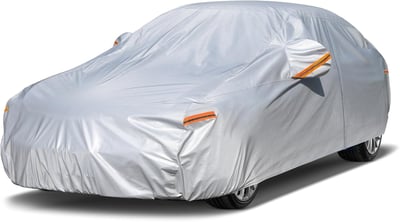
Custom fit covers match your car’s shape exactly. They offer better protection and look neat.
Universal covers fit many cars but may be loose or tight. They are cheaper but less precise.
- Custom covers protect better from dust and scratches
- Universal covers are easier to buy and use
- Custom covers may cost more
- Universal covers work well for short-term use
Credit: www.whatcar.com
Proper Use And Maintenance
Car covers can protect your car from dust, dirt, and weather. Using them properly keeps your car safe and avoids damage.
Maintaining your car cover helps it last longer and keeps your car looking good. Learn how to choose, install, and care for your cover.
Choosing The Right Cover
Select a car cover that fits your car’s size and shape. A good fit prevents scratches and protects well.
Look for covers made from soft, breathable material. These avoid trapping moisture and dirt on your car’s surface.
- Measure your car before buying a cover
- Pick a cover made for your car’s model if possible
- Choose materials like cotton or soft polyester
- Avoid covers with rough or abrasive lining
Correct Installation Tips
Put the cover on a clean, dry car to stop dirt from scratching the paint. Make sure the cover fits tightly but not too tight.
Secure the cover using straps or elastic hems. This stops it from blowing away or rubbing against the car.
- Clean your car before covering it
- Start placing the cover at the front or back
- Pull the cover down evenly over the sides
- Use straps or ties to hold the cover in place
- Check the cover often for wind movement
Cleaning And Storage Guidelines
Wash your car cover regularly to remove dirt and dust. Use mild soap and cold water to keep the fabric safe.
Dry the cover completely before folding it. Store it in a dry, cool place to avoid mold and damage.
- Hand wash or use gentle machine cycle
- Use mild detergent, no bleach or harsh chemicals
- Air dry the cover fully before storage
- Fold neatly and store in a sealed bag or box
- Keep the cover away from direct sunlight and moisture
Expert Opinions And Studies
Car covers are popular for protecting vehicles from dirt and weather. Many car owners wonder if covers can harm their cars instead.
This article shares expert views and scientific studies about car covers and their effects on vehicles.
Automotive Professionals’ Views
Many automotive experts agree that car covers can be helpful if used right. Covers protect paint from sun, rain, and dust. But some warn about risks if covers trap moisture or dirt.
- Use covers made from soft, breathable materials.
- Keep the car clean before covering it.
- Remove the cover regularly to air out the car.
- Avoid covers that are too tight or rough on paint.
Mechanics often say covers help prevent fading and minor scratches. But they also warn that moisture under covers can cause rust if left for days.
Scientific Research Findings
Studies tested car covers under different weather conditions. Research shows covers reduce damage from UV rays and acid rain.
| Test Condition | Effect on Car | Cover Benefit |
| Strong Sunlight | Paint Fades Quickly | Cover reduces fading by 70% |
| Rain Exposure | Water Spots and Corrosion | Cover prevents most water spots |
| Dust and Dirt | Scratches on Paint | Cover blocks dirt contact |
| Trapped Moisture | Risk of Rust | Breathable covers lower this risk |
Research recommends choosing covers that allow air flow. This reduces moisture buildup and stops rust.
When To Avoid Using Car Covers
Car covers can protect your vehicle from dust and scratches. But some situations make using them a bad idea. Knowing when to avoid covers helps keep your car safe and clean.
This guide explains two key times to skip the car cover. These include high humidity areas and times when you use covers all the time.
High Humidity Environments
Using a car cover in wet or humid places may trap moisture. This can cause rust and mold on your car’s surface. It also may damage the paint over time.
- Moisture stays under the cover and does not dry easily
- Rust can form on metal parts of the car
- Mold and mildew may grow on fabric seats or carpets
- Paint may fade or peel due to trapped dampness
Continuous Use Scenarios
Using a car cover all the time can cause wear and tear on your vehicle. Constant friction between the cover and car surface may lead to scratches.
| Issue | Impact |
| Frequent Covering | Scratches from rubbing |
| Strong Winds | Cover flaps cause paint damage |
| Dirty Cover | Traps dirt causing abrasions |
| Improper Fit | Cover moves and causes marks |

Credit: www.seatcoversolutions.com
Frequently Asked Questions
Are Car Covers Harmful To My Car’s Paint?
Car covers are generally safe if made from soft, breathable material. Poor quality covers can trap moisture, causing paint damage or scratches over time. Always choose a cover designed for your car type and clean the car before covering it to prevent abrasion.
Can Car Covers Cause Moisture Buildup?
Yes, non-breathable car covers can trap moisture and lead to mold or rust. Using a breathable cover helps prevent moisture accumulation and keeps your car dry. Proper ventilation is key to avoiding damage caused by trapped humidity.
Do Car Covers Protect Against Scratches?
Car covers can protect against minor scratches from dust or debris. However, if the cover is dirty or abrasive, it may cause scratches. Always ensure the cover and car surface are clean before use to minimize risk.
Is Using A Car Cover Good For Outdoor Storage?
Car covers provide good protection from UV rays, rain, and dirt when parked outdoors. A high-quality, weather-resistant cover shields your car and preserves its appearance. Regularly check and adjust the cover to avoid wind damage.
Conclusion
Car covers can be a smart choice for vehicle protection. They shield against dust, rain, and sun damage. But, choose the right cover for your car. Make sure it fits well and uses breathable material. This prevents moisture build-up and paint scratches.
Regularly clean your car before using the cover. This avoids trapping dirt and grime. Remember, not all car covers are the same. Quality matters for effective protection. Always research and invest in a good cover. Your car will thank you for it.
Happy driving and keep your car safe!