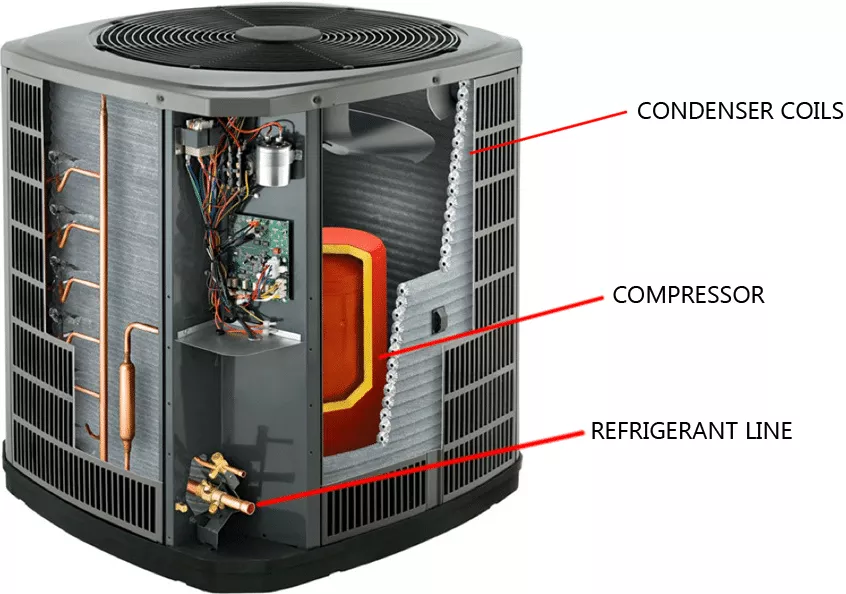
Have you ever wondered what keeps your air conditioner running smoothly, especially on those hot, sticky days? One key part doing the hard work behind the scenes is the condenser.
Understanding what the condenser is and how it works can help you take better care of your AC and avoid costly repairs. You’ll discover exactly what a condenser does, why it’s so important, and simple tips to keep it in top shape.
Keep reading to unlock the secrets that will make your air conditioner more efficient and reliable.
Role Of The Condenser
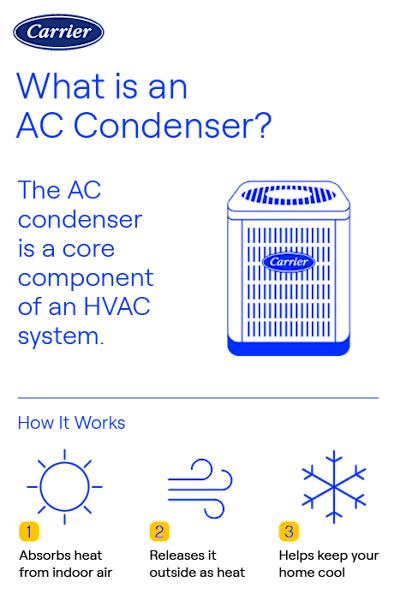
The condenserplays a key role in the air conditioner’s function. It helps remove heatfrom the refrigerant gas, turning it into a liquid. This heat exchange processcools the refrigerant so it can absorb heat inside the room again.
The condenser is usually found outsidethe building. It works with the compressor and fan to push hot air away. This location helps the condenser release heat into the open air, keeping the system efficient.
Credit: www.carrier.com
Components Of The Condenser
Condenser coilsare metal tubes that cool hot gas from the compressor. They change the gas into a liquid by releasing heat outside the house. The coils are usually made of copper or aluminum to help heat escape fast.
The fan and motorwork together to blow air over the condenser coils. This air takes away heat from the coils, helping the refrigerant cool down faster. The motor powers the fan to keep air moving.
Refrigerant linesconnect the condenser to the rest of the air conditioner. These tubes carry the refrigerant gas and liquid back and forth. They are sealed tightly to keep the refrigerant inside.
Types Of Condensers
Air-cooled condensersuse air to cool the refrigerant. Fans blow air over metal fins to remove heat. These are common in homes and small buildings. They are easy to install and maintain.
Water-cooled condensersuse water to cool the refrigerant. Water flows through coils and takes heat away. These are efficient but need a water supply and extra care to prevent corrosion.
Evaporative condenserscombine air and water cooling. Water is sprayed on the coils while fans blow air. This cools the refrigerant quickly and saves energy. Often used in large industrial systems.
How The Condenser Works
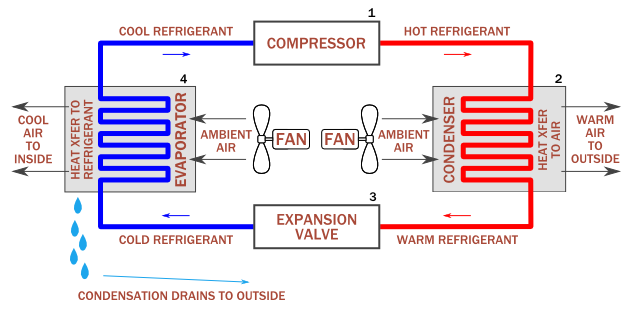
The refrigerant cyclemoves heat from inside to outside. The refrigerant absorbs heat inside the house as a cold gas. It then travels to the condenser outside.
In the condenser, the refrigerant releases heat to the outside air. The heat moves from the refrigerant to the metal fins of the condenser. Fans blow air over these fins to cool the refrigerant.
| Stage | Description |
|---|---|
| Heat Dissipation | Heat leaves the refrigerant through the condenser fins to the outside air. |
| Pressure Changes | The refrigerant changes from a hot gas to a high-pressure liquid. |
This cycle keeps repeating to cool your home continuously. The condenser is key to pushing heat outside efficiently.
Signs Of Condenser Issues
Reduced cooling efficiencycan mean the condenser is struggling. The air conditioner might take longer to cool or may not cool rooms well. This often means the condenser coil is dirty or blocked.
Unusual noiseslike buzzing, rattling, or grinding sounds come from the condenser. These noises suggest problems with the fan motor, loose parts, or debris caught inside. Such sounds should not be ignored.
Leaks and corrosionaround the condenser show signs of damage. Water or refrigerant leaks can lower cooling power and harm the system. Rust or corrosion on metal parts weakens the condenser and may cause failure.
Credit: blog.totalhomesupply.com
Maintenance Tips
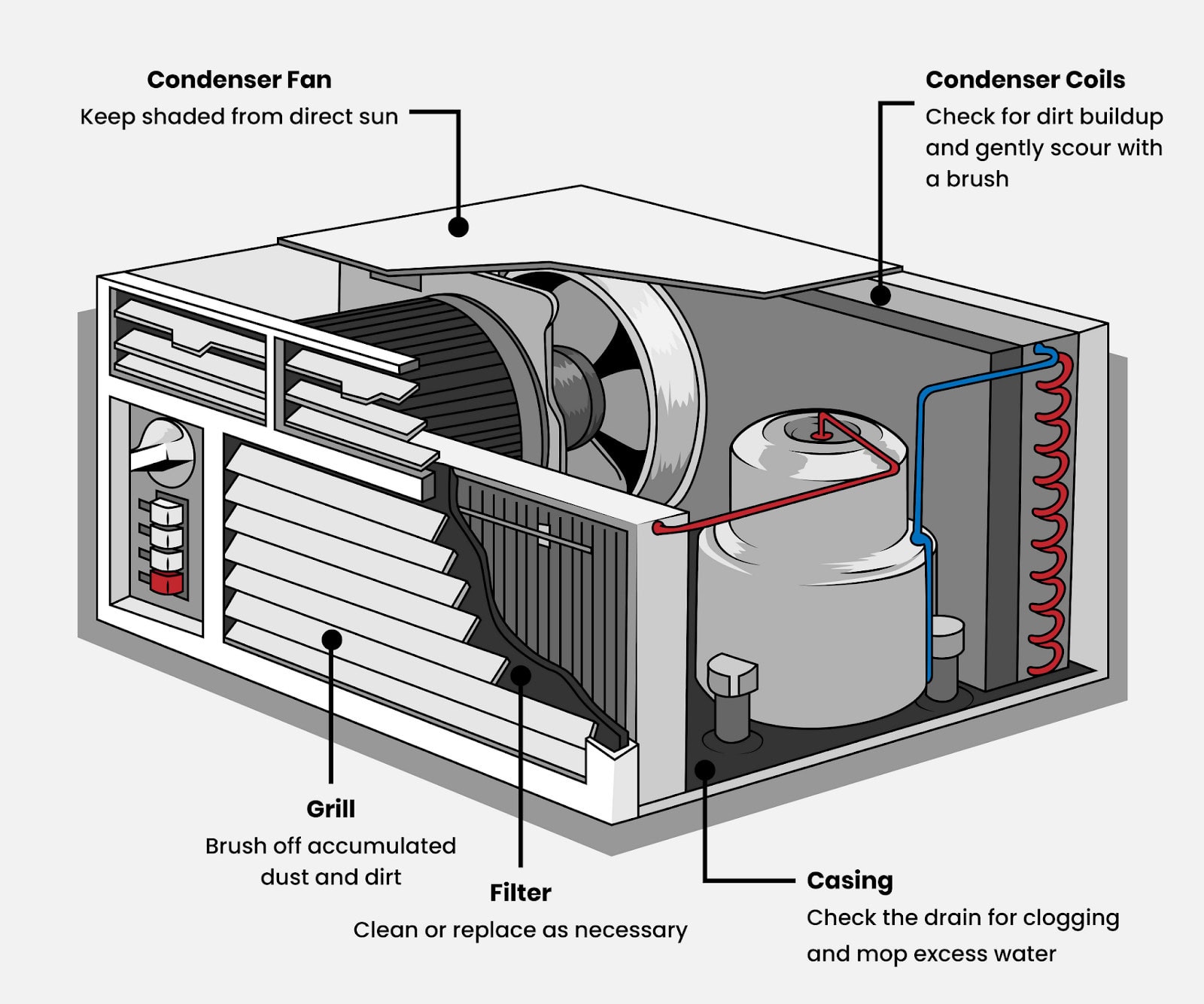
Regular cleaningkeeps the condenser free from dirt and dust. Use a soft brush or a vacuum to clean the fins gently. Avoid using high-pressure water as it may damage the fins. Clean the area around the condenser to prevent leaves and debris from blocking airflow.
Inspecting componentsensures the condenser works well. Check for bent fins, leaks, or corrosion. Make sure the fan blades spin freely without noise. Look for loose wires or connections and tighten them if needed.
Professional servicingis important once a year. Experts can check refrigerant levels and test the system’s efficiency. They can spot hidden problems before they get worse. Regular service helps the air conditioner last longer and cool better.
Upgrading Or Replacing The Condenser
Replacing the condenser is needed if it leaks or does not cool well. Age over 10 years can also mean a replacement is wise. A broken condenser can raise energy bills and cause other parts to fail. Choosing the right condenser depends on the size of your air conditioner and the type of refrigerant it uses. A model with a good energy rating saves money and is better for the environment.
Installation must be done carefully. The condenser should be placed where air flows freely and is not blocked. Proper electrical connections and refrigerant charging are key to good performance. Hiring a trained technician ensures safe and correct installation.
Credit: medium.com
Frequently Asked Questions
What Is The Main Function Of A Condenser In Ac?
The condenser’s main function is to release heat absorbed from indoors. It converts refrigerant gas into liquid by cooling it, enabling the air conditioner to maintain a comfortable temperature.
Where Is The Condenser Located In An Air Conditioner?
The condenser is typically located outside the building. It works alongside the compressor and fan to expel heat from the refrigerant to the outdoors efficiently.
How Does The Condenser Improve Air Conditioner Efficiency?
The condenser improves efficiency by cooling refrigerant quickly. This process allows the AC system to cycle refrigerant effectively, reducing energy consumption and enhancing cooling performance.
What Are Common Signs Of A Faulty Condenser?
Common signs include reduced cooling, unusual noises, and leaks. A faulty condenser can cause the AC to overheat or stop working altogether.
Conclusion
Understanding the air conditioner’s condenser is essential. It plays a key role in cooling. It helps transform hot air into cool air. Regular maintenance ensures smooth operation. Clean the condenser for better efficiency. It saves energy and reduces costs. A well-functioning condenser means a comfortable home.
It’s crucial to check it regularly. Simple checks can prevent major issues. Knowing your condenser enhances air conditioning performance. Enjoy a cooler environment with a bit of care. Keep your home comfortable all year round. Your air conditioner will thank you!