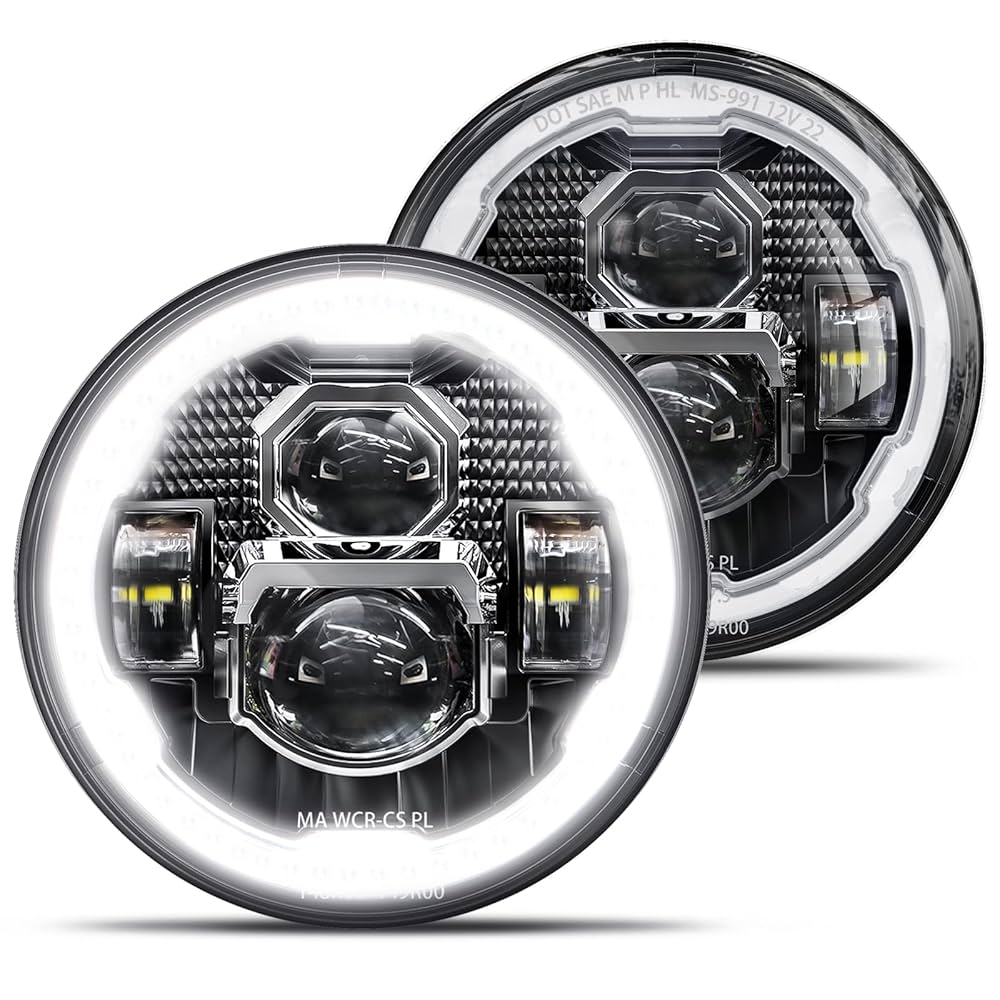
Are you tired of struggling to see the road clearly when driving at night? Your car’s headlights play a crucial role in keeping you safe and confident behind the wheel.
But with so many options out there, how do you know which headlights are truly the brightest and most effective? You’ll discover the best headlights that can light up your path like never before. Keep reading to find out how to upgrade your car’s lighting and drive with better visibility every time.
Types Of Car Headlights
Car headlights come in different types. Each type has unique brightness and features. Choosing the right headlights can improve night driving safety.
This guide explains the main types of headlights used in cars today.
Halogen Bulbs
Halogen bulbs are the most common headlights. They use a tungsten filament and halogen gas. These bulbs produce a warm yellow light. Halogen headlights are affordable but less bright than others.
Hid Xenon Lights
HID Xenon lights use gas discharge to create a bright white or blue light. They are brighter than halogen bulbs. HID lights last longer and use less energy. Many luxury cars have HID headlights.
Led Headlights
LED headlights use light-emitting diodes to shine bright white light. They are very energy efficient and last a long time. LED lights turn on instantly and provide clear visibility.
- Energy efficient
- Long lifespan
- Instant brightness
- Bright white light
Laser Headlights
Laser headlights are the newest technology. They use laser beams to create very bright light. Laser lights have a longer range than other types. They are energy efficient but cost more.
| Headlight Type | Brightness | Energy Use | Cost |
| Halogen Bulbs | Low | High | Low |
| HID Xenon Lights | High | Medium | Medium |
| LED Headlights | High | Low | Medium |
| Laser Headlights | Very High | Very Low | High |
Measuring Headlight Brightness
Headlight brightness helps drivers see the road clearly at night. It also makes cars visible to others.
Measuring brightness shows how well headlights perform. Different factors affect brightness and visibility.
Lumens Vs. Lux
Lumens measure the total light a headlight produces. It shows how bright the bulb is overall.
Lux measures the light that hits a surface at a distance. It shows how much light reaches the road.
- Lumens tell how much light is made
- Lux tells how bright the light appears far away
- High lumens do not always mean better road visibility
Beam Pattern And Spread
The beam pattern is how light spreads from the headlight. A good pattern lights the road evenly.
Spread means the width and height of the light beam. It helps see road edges and signs clearly.
- Narrow beams focus light far ahead
- Wide beams cover more side area
- Even light spread reduces dark spots
Color Temperature
Color temperature is the light’s color, measured in Kelvins (K). It affects how you see objects.
Lower temperatures are yellowish, higher temperatures are bluish-white. Different colors suit different conditions.
- 3000K: Warm yellow light, good in fog
- 4300K: Pure white light, close to sunlight
- 6000K: Cool blue-white light, sharp but may cause glare
Top Brightest Headlight Brands
Bright headlights improve your vision during night driving. They also increase safety on the road. Choosing the right brand can make a big difference.
Some brands are known for making bright and reliable headlights. Let’s look at four top brands and what they offer.
Philips
Philips headlights are popular for their brightness and long life. They use advanced technology to produce clear, white light. This helps drivers see further and react faster.
- High luminous intensity
- Durable bulbs
- Wide beam pattern
- Good color temperature for night driving
Osram
Osram offers a range of bright headlights that fit many car models. Their products provide excellent visibility and reduce glare for other drivers. Osram bulbs often last longer than standard bulbs.
| Model | Brightness (Lumens) | Average Life (Hours) |
| Osram Night Breaker | 1500 | 450 |
| Osram Cool Blue Intense | 1350 | 400 |
| Osram Original Line | 1200 | 600 |
Sylvania
Sylvania headlights are known for bright and reliable light. They help drivers see the road clearly in many weather conditions. Some models offer a blue or white light for better contrast.
- Bright light output
- Improved road visibility
- Longer lifespan than many competitors
- Wide availability
Hella
Hella makes bright and sturdy headlights. They focus on quality and safety. Hella bulbs often have a balanced light beam, reducing eye strain for drivers.
| Feature | Hella Headlights |
|---|---|
| Brightness | High |
| Durability | Strong |
| Beam Pattern | Even and wide |
| Color Temperature | White light |
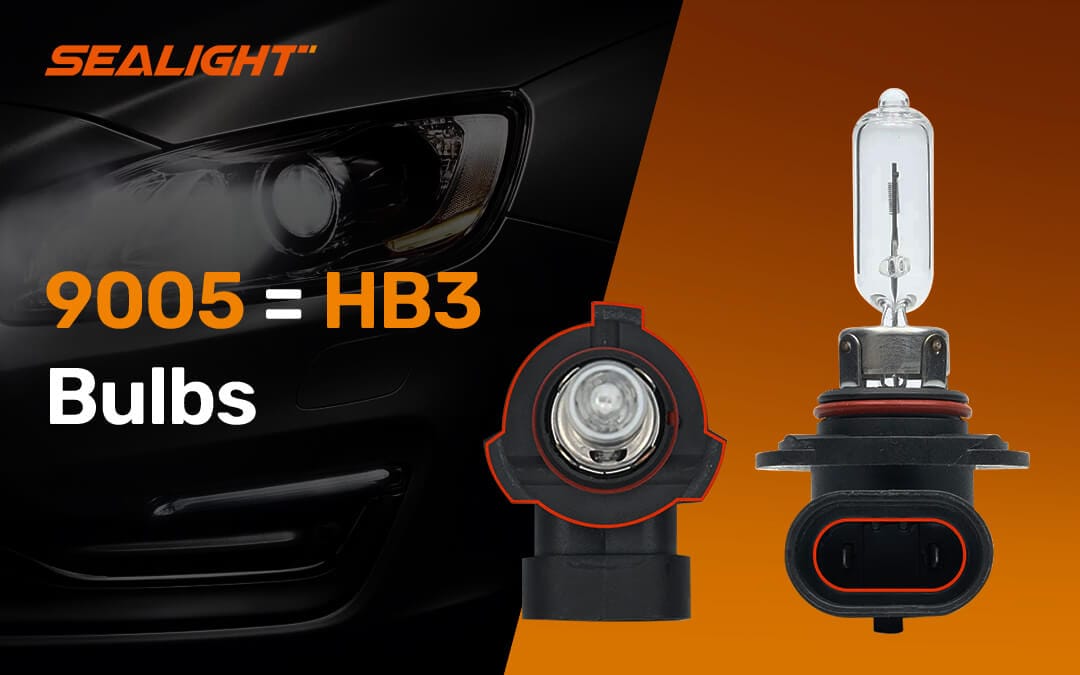
Credit: sealight-led.com
Upgrading Your Headlights
Upgrading your car’s headlights can improve night driving safety. Bright headlights help you see better and alert others on the road.
Choosing the right headlights depends on your car type and local laws. Proper installation also ensures the best performance.
Compatibility With Your Car
Not all headlights fit every vehicle. Check your car’s manual for the correct bulb size and type. Using the wrong bulb can cause damage or poor light output.
- Identify your car’s headlight bulb model
- Choose headlights that match the voltage and wattage
- Consider LED, halogen, or HID types based on compatibility
- Check if your car needs adapters or special fittings
Installation Tips
Proper installation is key to bright and safe headlights. Clean the headlight area before starting. Avoid touching the bulb glass with bare hands.
- Turn off the car and open the hood
- Remove the old bulbs carefully
- Insert the new bulbs without touching the glass
- Secure the bulbs and reconnect wiring
- Test the headlights before closing the hood
Legal Considerations
| Legal Aspect | Details |
| Brightness Limits | Headlights must not exceed local brightness rules to avoid blinding others. |
| Color Restrictions | Most places require white or yellow light only. |
| Approval Marks | Use headlights with proper certifications for your region. |
| Installation Rules | Headlights must be installed to aim correctly and not dazzle other drivers. |
Maintaining Headlight Brightness
Bright headlights are important for safe driving at night and in bad weather. Over time, headlights can lose their brightness. Proper care helps keep them shining well.
This guide covers easy ways to maintain your car’s headlight brightness every day.
Cleaning Techniques
Regular cleaning removes dirt and grime that block light. Use gentle methods to avoid scratching the lens.
- Wash headlights with soap and water weekly.
- Use a soft cloth or sponge to clean the surface.
- Apply a plastic polish to remove small scratches.
- Avoid harsh chemicals that can damage the lens.
- Protect headlights with a UV sealant to prevent yellowing.
Replacing Bulbs On Time
Old bulbs get dimmer and can fail suddenly. Replace them before they burn out to keep bright light on the road.
| Bulb Type | Average Lifespan | Replacement Tips |
| Halogen | 500 to 1,000 hours | Change both bulbs at the same time |
| LED | 15,000 to 30,000 hours | Check for flickering or dim spots |
| HID | 2,000 to 3,000 hours | Replace in pairs to avoid uneven light |
Avoiding Common Issues
Some problems reduce headlight brightness but are easy to fix. Watch for these to keep your lights working well.
- Check headlight alignment to avoid dim or uneven light.
- Fix moisture inside the headlight to prevent fogging.
- Inspect wiring and connections for corrosion or damage.
- Use headlights only when needed to extend bulb life.

Credit: www.amazon.ca
Future Trends In Headlight Technology
Car headlights are getting smarter and brighter. New technology helps drivers see better at night and in bad weather.
Future headlights will use less energy and adapt to road conditions. This makes driving safer and easier.
Smart Headlights
Smart headlights use sensors and cameras to adjust light beams. They can change brightness and direction automatically.
These lights avoid blinding other drivers by dimming parts of the beam. They help you see pedestrians and signs clearly.
- Detect oncoming traffic to reduce glare
- Adjust light pattern for curves and hills
- Improve visibility in fog and rain
Adaptive Lighting Systems
Adaptive lighting systems change the light beam based on speed and steering. They light up the road ahead in real time.
This helps drivers see better around corners and on highways. It also improves safety during night driving.
- Turn lights with the steering wheel
- Brighten or dim based on vehicle speed
- Adjust to different weather conditions
Sustainability In Lighting
Future headlights will focus on saving energy and using eco-friendly materials. LED and laser lights use less power.
Car makers are also designing lights that last longer. This reduces waste and lowers the need for replacements.
- Use of energy-efficient LED and laser bulbs
- Long-lasting light components to reduce waste
- Recyclable materials in headlight construction

Credit: www.reddit.com
Frequently Asked Questions
What Are The Brightest Types Of Car Headlights?
The brightest car headlights are typically LED and HID bulbs. LED headlights offer high brightness and energy efficiency. HID bulbs provide intense light with a longer range. Both types improve night visibility significantly compared to traditional halogen bulbs.
How Do Led Headlights Compare To Halogen Lights?
LED headlights are brighter and more energy-efficient than halogen lights. They last longer and produce a whiter light, enhancing visibility. Halogen bulbs are cheaper but have a shorter lifespan and lower brightness. LEDs provide better performance for safer nighttime driving.
Are Hid Headlights Better For Night Driving?
Yes, HID headlights are better for night driving. They emit brighter, more intense light with a wider beam. This improves visibility and reduces eye strain. However, HID lights require proper installation to avoid glare for other drivers.
Can I Upgrade My Car To Brighter Headlights Myself?
Yes, many cars allow DIY upgrades to brighter headlights. LED and HID kits are available for most vehicles. However, ensure compatibility and proper installation to avoid electrical issues and glare. Consulting a professional is recommended for best results.
Conclusion
Choosing the brightest headlights improves safety and visibility. LED and HID options offer great brightness. Each type has its own benefits. Consider your driving needs and budget. Check compatibility with your vehicle. Proper installation is key. Bright headlights enhance night driving.
Make an informed choice. Research and compare before deciding. Safe driving relies on clear vision. Bright headlights help you see better. Stay safe on the road with the right lights. Remember, better visibility means safer travels. Choose wisely for a brighter journey ahead.