Have you ever wondered if your car’s tires have tubes inside? It’s a simple question, but the answer can change how you think about tire care and safety.
Knowing whether your tires have tubes or not can help you avoid unexpected problems on the road and save you money. You’ll discover the truth about car tires and tubes, and what it means for your driving experience. Keep reading—you might be surprised by what you learn.

Credit: www.amazon.com
Types Of Car Tires
Car tires come in different types based on their design. The main types are tube tires and tubeless tires.
Each type has unique features that affect how the tire performs and how it is maintained.
Tube Tires
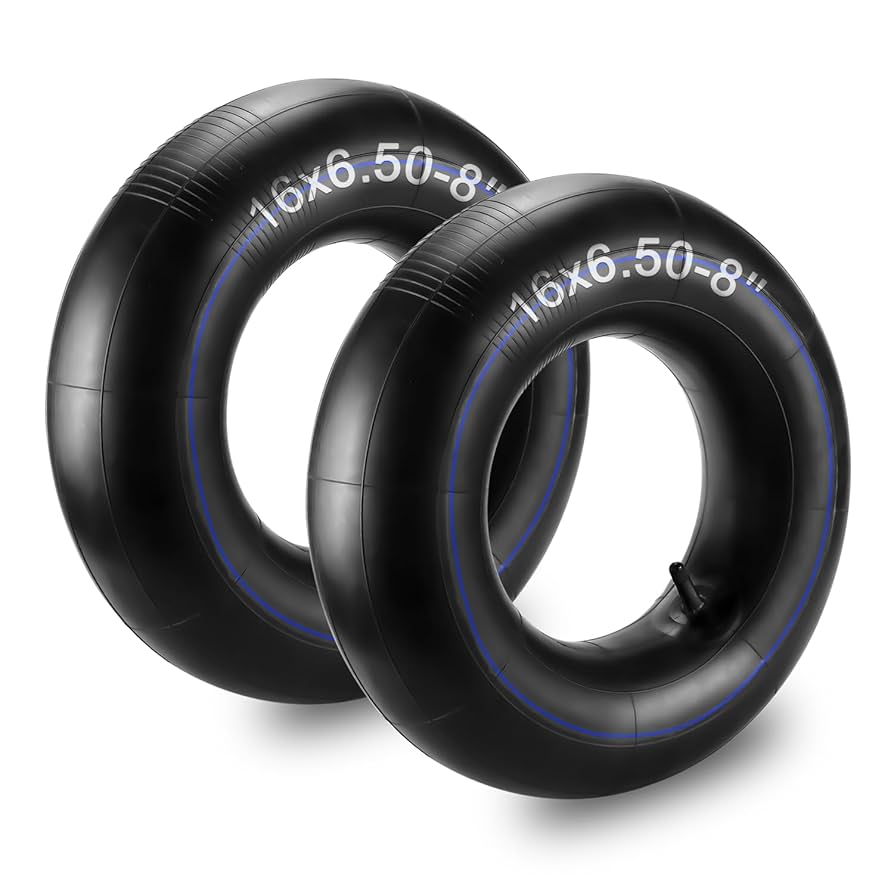
Tube tires have an inner tube inside the tire. This tube holds the air pressure for the tire.
The tube is separate from the tire and wheel rim. It inflates like a balloon to keep the tire firm.
- Common in older cars and some motorcycles
- More prone to punctures because of the tube
- Tube replacement is needed if it gets damaged
Tubeless Tires
Tubeless tires do not have an inner tube. The tire itself and the rim form an airtight seal.
Air stays inside the tire without needing a separate tube. This design is common in most modern cars.
- Less chance of sudden air loss
- Easier to repair small punctures
- Better fuel efficiency and safety
How Tube Tires Work
Tube tires use an inner tube to hold air inside the tire. The tube sits between the tire and the wheel rim.
When you inflate the tire, the tube expands and keeps the tire firm. This design helps keep the tire airtight.
Structure And Components
Tube tires have a few key parts that work together. The tire is the outer part that touches the road.
Inside the tire is the inner tube. This tube holds the air and keeps the tire inflated.
- Tire:Made of rubber and tread for grip
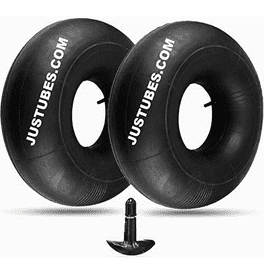
- Inner Tube:Made of rubber and holds air
- Valve Stem:Allows air to enter and stay in the tube
Common Uses
Tube tires are common in many vehicles and machines. They are easier to repair if punctured.
They are often used in older cars, bicycles, and some off-road vehicles. Tube tires suit low-speed or light vehicles well.
- Older cars and trucks
- Bicycles and motorcycles
- Farm and construction equipment
- Some off-road vehicles
How Tubeless Tires Work
Tubeless tires do not have an inner tube inside. They rely on a tight seal between the tire and the wheel rim. This seal keeps the air inside the tire.
Air pressure pushes the tire against the rim, making the seal stronger. This helps prevent air leaks and keeps the tire inflated.
Design And Features
Tubeless tires have thick sidewalls to hold air without a tube. The rim has a special shape to fit the tire tightly. This design stops air from escaping.
These tires use a liquid sealant inside. The sealant blocks small holes or punctures. It helps the tire stay inflated longer.
- Thick tire sidewalls for strength
- Rim designed for a tight fit
- Liquid sealant inside the tire
- No inner tube needed
Benefits Over Tube Tires
Tubeless tires reduce the chance of sudden flats. The sealant stops small punctures quickly. This means safer driving on rough roads.
They also provide better fuel efficiency. Without an inner tube, tires weigh less. This reduces the load on the car’s engine.
- Lower risk of sudden tire flats
- Better fuel efficiency due to less weight
- Smoother ride with lower air pressure
- Less heat buildup inside the tire
Identifying Your Car Tire Type
Knowing if your car tires have tubes helps with maintenance and repairs. Most modern tires do not have tubes, but some older or specialty tires might.
This guide helps you identify your tire type using simple checks you can do yourself.
Visual Inspection Tips
Look closely at your tires to find clues about their type. Tube tires often have a valve stem that looks separate from the rim.
- Check the valve stem: A separate rubber stem often means a tube tire.
- Look at the tire sidewall for markings or signs of a tube.
- Inspect the rim: Tube tires usually have rims designed to hold the tube inside.
- Notice any patches or plugs on the inside of the tire, which suggest a tube is present.
Checking Manufacturer Information
Tire manufacturers provide important details on the sidewall. You can find if the tire is tubeless or needs a tube here.
| Marking | Meaning |
| Tubeless or TL | The tire does not have a tube. |
| Tube Type or TT | The tire requires a tube inside. |
| Other Codes | May indicate specific tire features or sizes. |
Advantages And Disadvantages
Car tires come in two main types: tube tires and tubeless tires. Each type has its own advantages and disadvantages. Understanding these can help you choose the right tire for your vehicle.
This article looks at the pros and cons of tube tires and tubeless tires. We will explain what makes each type unique.
Tube Tires Pros And Cons
Tube tires have an inner tube inside the tire to hold air. This type is common in older cars and some motorcycles.
- Pros:
- Simple design makes them easy to repair.
- Cheaper to replace inner tubes than whole tires.
- Good for rough roads where punctures happen often.
- Cons:
- Inner tubes can puncture easily.
- More prone to sudden air loss.
- Heavier than tubeless tires, affecting fuel efficiency.
- Requires more maintenance to check tube condition.
Tubeless Tires Pros And Cons
Tubeless tires do not have inner tubes. The tire itself holds the air and fits tightly to the wheel rim.
| Advantages | Disadvantages |
|---|---|
| Less chance of sudden air loss due to punctures. | More complex and costly to repair if damaged. |
| Lighter weight improves fuel economy and handling. | Requires special rim and valve design. |
| Better heat dissipation during long drives. | Sealing issues can cause slow leaks. |
| Better performance at higher speeds. | Initial installation can be more difficult. |
Credit: www.walmart.com
Maintenance And Repair
Car tires can be either tube-type or tubeless. Knowing how to maintain and fix each type helps keep your car safe on the road.
This guide covers common problems and repairs for both tube tires and tubeless tires.
Fixing Tube Tire Issues
Tube tires have an inner tube that holds air. If the tube gets punctured, the tire loses air quickly.
- Remove the tire from the wheel carefully.
- Take out the inner tube and find the hole by inflating it slightly.
- Use soapy water to spot bubbles at the leak point.
- Dry the tube and apply a patch kit over the hole.
- Let the patch set, then reinsert the tube and mount the tire back.
- Inflate the tire to the correct pressure.
Handling Tubeless Tire Problems
Tubeless tires do not have an inner tube. They seal directly to the wheel rim. Small punctures can often be fixed without removing the tire.
| Issue | Cause | Repair Method |
| Slow leak | Small puncture | Use a tubeless plug or sealant |
| Flat tire | Large puncture or damage | Remove tire and replace or patch |
| Bead leak | Improper seal on rim | Clean rim and reseat tire |
Trends In Tire Technology
Tire technology keeps changing to make driving safer and easier. New trends focus on better materials and design.
These changes affect whether car tires have tubes or not. Let’s look at two main trends in tire technology.
Shift Towards Tubeless Tires
Many car makers now prefer tubeless tires. These tires do not have an inner tube. They use an airtight seal between the tire and rim.
- Tubeless tires reduce the risk of sudden air loss.
- They are lighter than tires with tubes, improving fuel efficiency.
- They are easier to repair when punctured.
- They offer better heat dissipation, which improves tire life.
Innovations In Tire Design
Tire makers use new designs to improve safety and performance. These include changes in tread patterns and materials.
| Innovation | Benefit |
| Run-flat technology | Allows driving after a puncture |
| Eco-friendly materials | Reduce environmental impact |
| Improved tread patterns | Better grip on wet and dry roads |
| Noise reduction design | Quieter ride |

Credit: www.ebay.com
Frequently Asked Questions
Do All Car Tires Have Tubes Inside?
Most modern car tires do not have tubes. They use tubeless technology where the tire and rim form an airtight seal. Tubed tires are rare in passenger cars but common in older models and some specialty vehicles.
What Is The Difference Between Tubed And Tubeless Tires?
Tubed tires have an inner tube holding air, while tubeless tires seal air directly inside. Tubeless tires offer better safety, fuel efficiency, and easier puncture repair, making them the preferred choice for most cars today.
Can I Convert Tubed Tires To Tubeless?
Converting tubed tires to tubeless is possible but not always recommended. It requires compatible rims and proper sealing. Professional installation is needed to ensure safety and avoid air leaks or tire damage.
Why Do Some Cars Still Use Tubed Tires?
Some cars use tubed tires due to older design or specific vehicle needs. Classic cars, off-road vehicles, and certain motorcycles may rely on tubes for durability and ease of repair in rough conditions.
Conclusion
Car tires usually don’t have tubes today. Modern tires are tubeless. Tubeless tires offer better safety and fuel efficiency. They are easier to maintain too. Tubeless tires reduce the risk of sudden air loss. This makes driving safer. Understanding tire types is important for car care.
Always check your tires regularly. Proper tire care ensures a smooth ride. It also extends tire life. Always consult with a professional if unsure. Keep your tires in top shape for a safer journey.