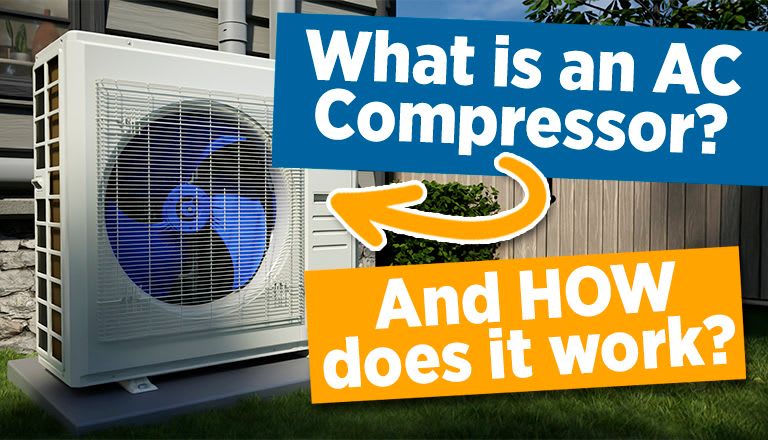
Have you ever wondered where the air conditioner compressor is hiding inside your cooling system? Knowing its exact location can save you time and money when your AC starts acting up.
If you want to understand how your air conditioner works and feel confident about maintenance or repairs, this article is for you. Keep reading, and you’ll discover not only where the compressor is but why it’s so important to your comfort.
Don’t let confusion slow you down—let’s clear things up right now!
Compressor Basics
The air conditioner compressor is a key part of the AC system. It helps cool your home or car by moving refrigerant through the system.
The compressor is usually found near the outside unit in home systems. In cars, it is attached to the engine with a belt.
Role In Ac System
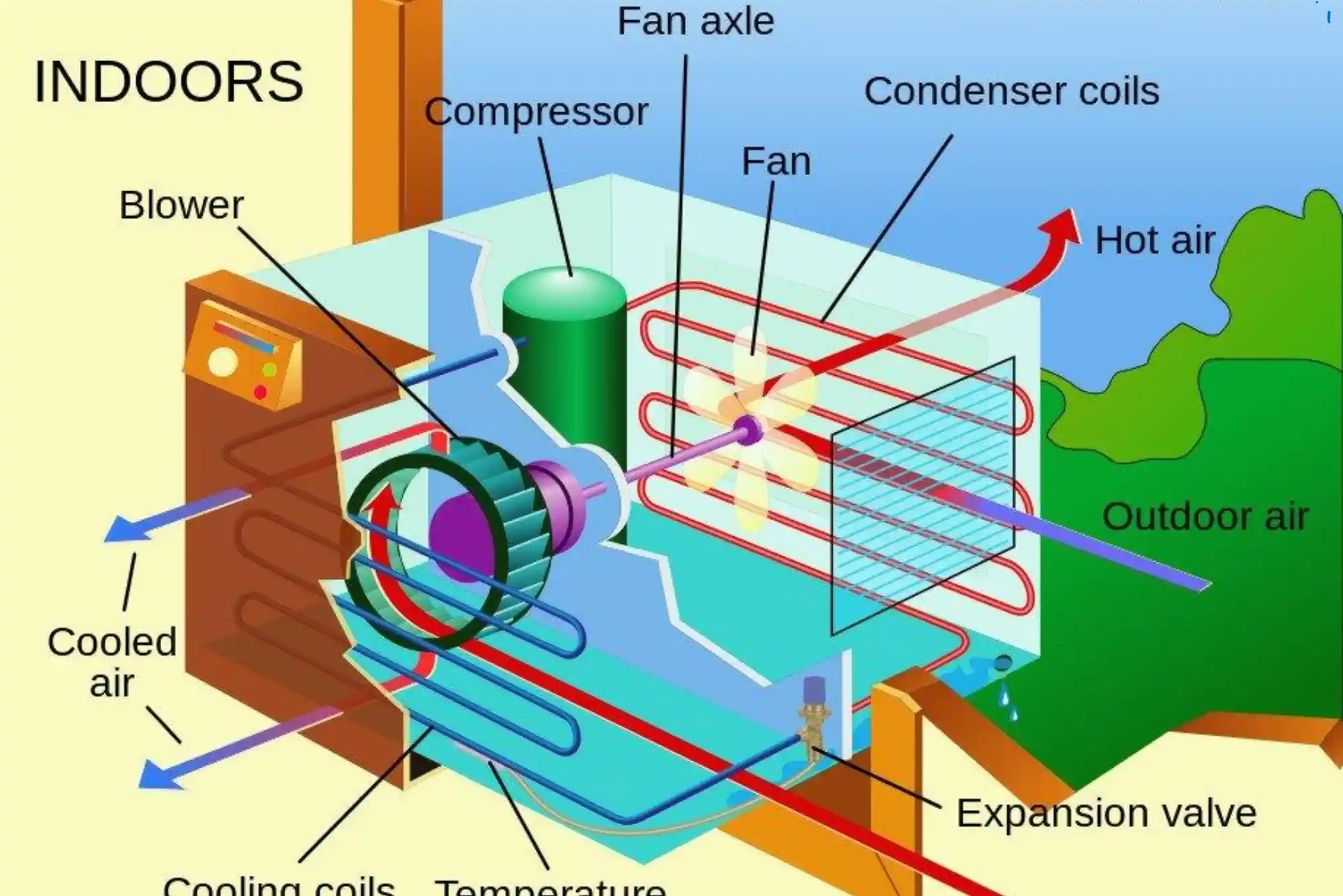
The compressor’s job is to squeeze the refrigerant gas. This raises the gas pressure and temperature.
After compression, the hot gas moves to the condenser. There, it cools down and turns into a liquid to absorb heat from inside.
- Compresses refrigerant gas
- Raises pressure and temperature
- Makes heat transfer possible
- Keeps refrigerant flowing in the system
Types Of Compressors
There are different types of compressors in air conditioners. Each type works in a slightly different way.
Choosing the right type depends on the AC size and use. Here are common compressor types:
- Reciprocating Compressors:Use pistons to compress gas. Common in small and medium AC units.
- Scroll Compressors:Have two spiral parts that compress gas smoothly. Often used in home AC systems.
- Rotary Compressors:Use a rotating part to compress gas. Found in small ACs and refrigerators.
- Screw Compressors:Use two screws to compress gas. Used in large commercial AC units.

Credit: www.onehourairftworth.com
Common Compressor Locations
The air conditioner compressor is a key part of cooling systems. It moves refrigerant and helps cool the air. Knowing where to find the compressor helps with repairs and maintenance.
This guide shows common places where compressors are found. Each system has a different setup. Read on to learn more.
Inside The Outdoor Unit
In many home air conditioners, the compressor sits inside the outdoor unit. This unit also holds the condenser coil and a fan. The compressor is usually a large metal cylinder.
- Located at the bottom or center of the outdoor unit
- Connected to copper tubes for refrigerant flow
- Protected by a metal cage or casing
- Runs quietly inside the unit but can be heard when active
Near The Engine In Vehicles
Car air conditioners have compressors near the engine. They attach to the engine block and use a belt to run. These compressors are smaller than home units.
| Location | Details |
| Front of the engine | Usually mounted on the engine block |
| Driven by serpentine belt | Uses engine power to operate |
| Connected to hoses | Moves refrigerant through the AC system |
Within Central Hvac Systems
Central HVAC compressors can be inside or outside the building. Large buildings often have compressors in mechanical rooms or rooftops. These systems serve many rooms at once.
Common central HVAC compressor locations include:
- On the rooftop in weatherproof enclosures
- Inside mechanical or boiler rooms
- Near large condenser units for easy access
- Sometimes in underground basements
Locating Compressors In Different Ac Systems
The air conditioner compressor is an important part of cooling systems. It helps move refrigerant and cool the air. Finding the compressor depends on the type of AC system you have.
This guide explains where to find compressors in three common AC systems. Each system has its own location for the compressor unit.
Residential Air Conditioners
In most homes, the compressor is outside the house. It is part of the outdoor AC unit. This unit usually sits on a concrete pad or mounted on the wall.
The compressor works with the condenser coil to release heat from inside your home. It is a metal box with pipes connected to it.
- Located outside the house
- Found in the outdoor unit
- Near the condenser coil
- Mounted on a pad or wall bracket
Commercial Hvac Units
Commercial systems are larger and more complex. Compressors can be inside rooftops or mechanical rooms. They often sit in big metal cabinets.
Some buildings have several compressors for different zones. These compressors connect to large ducts that cool many rooms.
- Located on rooftops or inside mechanical rooms
- Housed in large metal cabinets
- May have multiple compressors
- Connect to large air ducts
Automotive Air Conditioners
In cars, the AC compressor is under the hood. It is attached to the engine with a belt. The compressor looks like a small metal pump.
The compressor squeezes refrigerant to cool the air inside the car. It is near other engine parts but easy to spot by its connected hoses.
- Located under the car’s hood
- Attached to the engine by a belt
- Looks like a small metal pump
- Connected to refrigerant hoses
Signs Of Compressor Issues
The air conditioner compressor is a key part of your cooling system. It helps move refrigerant through the AC. If the compressor has problems, your AC will not cool well.
Knowing the signs of compressor issues can help you fix the problem early. This saves money and keeps you comfortable.
Unusual Noises
One common sign of a bad compressor is strange sounds. You might hear grinding, squealing, or rattling noises. These sounds come from the compressor struggling to work.
If you hear these noises often, the compressor parts may be worn or damaged. This needs to be checked by a technician.
Reduced Cooling Efficiency
Your AC may blow warm or less cold air when the compressor fails. The compressor pushes refrigerant to cool the air. If it is weak, cooling drops.
Watch for longer times to cool rooms or air that never feels cold enough. These show the compressor is not working well.
System Shutdowns
The compressor can cause the AC to stop working suddenly. It may shut down to protect itself from damage. This can cause your AC to turn off without warning.
Frequent shutdowns mean the compressor is overheating or has electrical problems. You should get it inspected soon.
Accessing The Compressor
The air conditioner compressor is an important part of your AC system. It helps move refrigerant through the system to cool your home.
Knowing where the compressor is and how to access it helps with maintenance and repairs. This guide will show you how to find and reach the compressor safely.
Safety Precautions
Working with the air conditioner compressor requires caution. The compressor has electrical parts and high pressure refrigerant.
Always follow safety steps to avoid injury or damage to the unit.
- Turn off power to the air conditioner before starting work
- Wear safety glasses and gloves
- Avoid touching refrigerant lines directly
- Do not try to open the compressor yourself
- Work in a dry area to prevent electrical shocks
Tools Needed
You need some basic tools to access the air conditioner compressor. These tools help you open the outdoor unit safely.
- Screwdriver set (flathead and Phillips)
- Socket wrench set
- Flashlight to see inside the unit
- Multimeter to check electrical power
- Work gloves for hand protection
Step-by-step Guide
Follow these steps to find and access the air conditioner compressor in the outdoor unit.
- Switch off the main power to the air conditioner at the breaker box.
- Go to the outdoor AC unit where the compressor is located.
- Remove the screws or bolts holding the unit’s outer cover.
- Lift off the cover carefully and set it aside.
- You will see the compressor as a large metal cylinder.
- Use a flashlight to inspect the compressor and surrounding parts.
- If needed, test electrical power with a multimeter.
- After inspection, replace the cover and secure screws tightly.
- Turn the power back on to the air conditioner.

Credit: atlasacrepair.com
Maintenance Tips For Compressors
Keeping your air conditioner compressor in good shape helps it work better and last longer. Regular care stops small problems from turning into big ones.
This guide shares simple tips on cleaning, service, and when to get expert help for your compressor.
Cleaning And Inspection
Clean the compressor area often to avoid dust and dirt build-up. Dirt can block airflow and cause the compressor to overheat.
- Turn off the power before cleaning.
- Use a soft brush or cloth to remove dust.
- Check for oil leaks or unusual noises.
- Look for rust or damaged parts.
Regular Servicing
Schedule regular service checks to keep your compressor running smoothly. Service includes checking pressure, oil levels, and electrical parts.
| Service Task | Frequency |
| Check refrigerant levels | Every 6 months |
| Inspect electrical connections | Annually |
| Lubricate moving parts | Every year |
| Clean condenser coils | Every 3 months |
When To Call A Professional
Some issues need expert care. Call a professional if you notice these signs:
- The compressor makes loud or strange noises.
- The air conditioner does not cool well.
- There is oil or refrigerant leaking.
- The unit cycles on and off too often.
Credit: hafixer.com
Frequently Asked Questions
Where Is The Air Conditioner Compressor Located?
The air conditioner compressor is usually found outside the building. It is part of the outdoor condenser unit. This unit sits near the air conditioner’s outdoor fan and coils.
How Can I Identify The Ac Compressor Easily?
The AC compressor is a cylindrical metal component. It connects to thick copper tubes and electrical wires. It is heavier and larger than other parts in the outdoor unit.
Can The Compressor Be Inside The House?
Typically, the compressor is not inside the house. It is placed outside to release heat efficiently. Indoor compressors are rare and mostly found in specific HVAC systems.
Why Is The Compressor Important In An Ac System?
The compressor circulates refrigerant through the AC system. It compresses gas into a high-pressure, high-temperature state. This process is crucial for cooling your home effectively.
Conclusion
Finding the air conditioner compressor is simple with the right guidance. It is usually located outside in a metal box. This box is often near the main building. Look for a fan and grille at the top. These indicators help you identify the compressor easily.
Remember to switch off power before checking. Safety first! Regular maintenance ensures your air conditioner works efficiently. Familiarize yourself with the components. This knowledge helps in troubleshooting minor issues. Understanding your air conditioner can save time and money. Enjoy a cool and comfortable environment with ease.