Are you worried about your vegetable grow tent getting too cold at night? Keeping your plants warm after the sun goes down is key to healthy growth and a bountiful harvest.
If the temperature drops too much, your veggies can suffer or even stop growing altogether. But don’t worry—there are simple, effective ways you can keep your grow tent cozy and protect your plants from the chill. You’ll discover easy tips and tricks to maintain the perfect warmth in your vegetable grow tent all night long.
Keep reading to make sure your plants thrive no matter how cold it gets outside!
Choosing The Right Tent
Keeping your vegetable grow tent warm at night helps plants grow well. Picking the right tent is important for holding heat.
A good tent keeps warmth inside and stops cold air from coming in. Look for tents made to keep heat in during cold nights.
Insulated Materials
Tents with insulated walls keep heat inside better. Look for thick materials that stop heat from escaping.
Mylar lining reflects heat back to plants. Foam or bubble insulation adds extra warmth during cold nights.
- Mylar lining reflects heat efficiently
- Thick fabric reduces heat loss
- Foam or bubble layers add insulation
- Waterproof materials prevent moisture buildup
Size And Ventilation
Choose a tent size that fits your plants without too much extra space. Smaller tents hold heat better.
Good ventilation controls airflow and prevents mold. Use vents that can open or close to keep heat and fresh air balanced.
- Smaller tents warm up faster
- Adjustable vents help control temperature
- Too large tents lose heat quickly
- Proper airflow stops mold and keeps plants healthy
Effective Heating Options
Keeping a vegetable grow tent warm at night is important for healthy plants. Cold temperatures can slow growth and damage crops.
There are several heating methods you can use. Each option has benefits and things to consider for safety and efficiency.
Electric Heaters
Electric heaters provide steady warmth inside grow tents. They come in small sizes suitable for tents of different volumes. Many models have built-in thermostats to keep the temperature steady.
- Choose heaters with safety features like tip-over protection.
- Place the heater away from plants to avoid burning leaves.
- Use heaters with adjustable heat settings for control.
- Ensure the heater is rated for indoor use and electricity supply.
Heat Mats
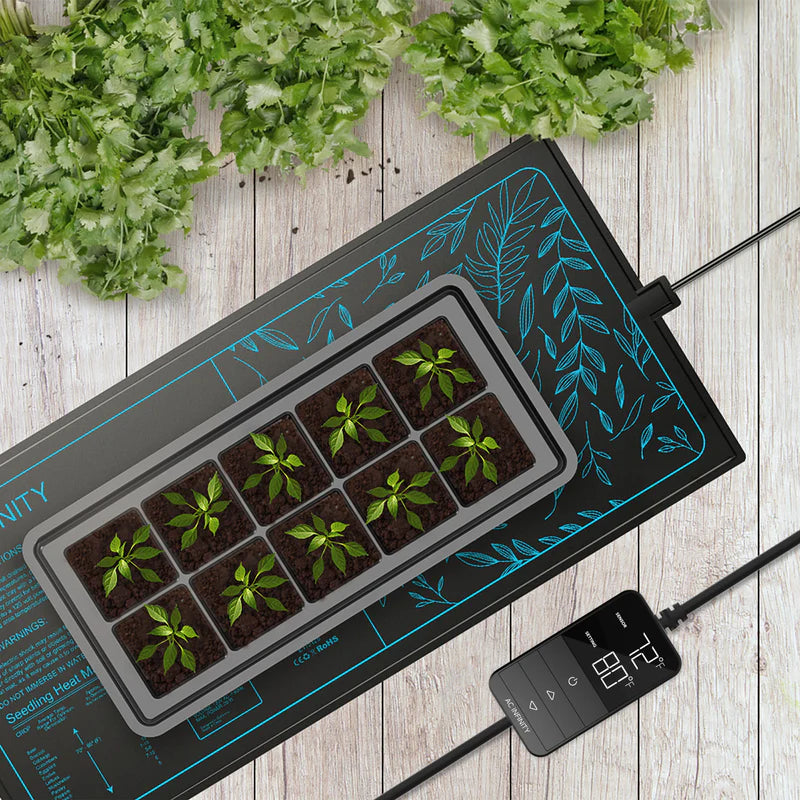
Heat mats warm the soil directly, helping roots grow well during cold nights. They are thin, flexible, and fit under pots or trays inside the tent.
| Feature | Benefit |
| Low wattage | Uses little electricity |
| Even heat | Prevents cold spots in soil |
| Easy to use | Plug in and place under pots |
| Safe for seedlings | Does not burn roots or stems |
Infrared Lamps
Infrared lamps heat objects and plants directly, not just the air. This method keeps plants warm without drying out the air inside the tent.
Tips for using infrared lamps:
- Keep lamps at a safe distance to avoid leaf burn.
- Use lamps with adjustable intensity.
- Check the lamp’s power needs before use.
- Combine with other heating methods for best results.
Temperature Monitoring
Keeping your vegetable grow tent warm at night is important for plant health. Monitoring temperature helps you avoid cold stress.
Good temperature control supports plant growth and saves energy. You can use tools to check and adjust the tent’s heat.
Thermometers And Hygrometers
Thermometers measure the air temperature inside your grow tent. Hygrometers check humidity levels. Both affect plant health.
Place them at plant level for accurate readings. Check them often, especially during cold nights. This helps you react quickly.
- Use digital or analog thermometers for easy reading
- Choose hygrometers with good accuracy
- Keep devices away from direct heat sources
- Record temperature and humidity daily to track changes
Automated Temperature Controls
Automated temperature controls keep the tent warm without constant checking. They turn heaters on or off as needed.
Use thermostats or smart controllers connected to your heating system. They maintain a stable temperature for plants at night.
- Set your desired temperature on the controller
- Controllers react quickly to temperature drops
- Some models also monitor humidity and adjust fans
- They save energy by preventing overheating
Improving Heat Retention
Keeping a vegetable grow tent warm at night helps plants grow well. Cold temperatures can slow growth or damage plants. Improving heat retention in your tent is important for healthy plants.
This guide shows two ways to keep your grow tent warm. You will learn how to seal gaps and use thermal blankets effectively.
Sealing Gaps And Openings
Gaps and openings let warm air escape. They also let cold air enter. Sealing them helps keep heat inside the tent.
- Use weather stripping tape around door edges.
- Apply duct tape to small holes or tears in the tent fabric.
- Seal gaps around vents with foam or rubber gaskets.
- Check zippers and close them tightly.
- Cover any open mesh areas with plastic sheets.
Using Thermal Blankets
Thermal blankets keep heat inside by adding an extra layer of insulation. They trap warm air around your plants.
| Type of Thermal Blanket | Best Use | Material |
| Reflective Mylar | Reflects heat back to plants | Metalized polyester film |
| Foil Insulation | Insulates tent walls and ceiling | Foil-faced foam or bubble wrap |
| Fleece Blanket | Wraps around pots or plants | Soft fabric with good insulation |
Supplemental Heat Sources
Keeping a vegetable grow tent warm at night is important for healthy plant growth. Supplemental heat sources can help maintain the right temperature.
Two common and easy heat sources are hot water bottles and heat packs. They provide gentle warmth without electricity.
Hot Water Bottles
Hot water bottles give steady heat to your grow tent. Fill them with warm water before night time and place them near plants.
- Use bottles made of thick rubber for safety.
- Seal tightly to avoid leaks.
- Place on a cloth to protect plants from direct heat.
- Refill with hot water as needed during the night.
Heat Packs
Heat packs are small and easy to use. They release heat slowly and can keep the tent warm for hours.
| Type of Heat Pack | Heat Duration | Best Use |
| Disposable Chemical Packs | 6 to 12 hours | Short-term heat |
| Reusable Gel Packs | Up to 8 hours | Multiple nights |
| Electric Heating Pads | Continuous | Long-term warmth |

Credit: nosoilsolutions.com
Optimizing Plant Placement
Keeping your vegetable grow tent warm at night helps plants grow well. One way is to place plants in smart ways inside the tent.
Good plant placement helps keep heat close to the plants and stops cold air from hurting them.
Grouping Plants
Group plants together to keep warmth around their leaves and roots. Plants close to each other share heat better than plants spread out.
- Place plants with similar temperature needs near each other.
- Put larger plants around smaller ones to block cold drafts.
- Keep plants away from tent walls where it is colder.
- Use plant trays or mats under groups to hold warmth.
Using Shelves And Racks
Use shelves and racks to make the best use of vertical space. This helps warm air move evenly around all plants.
| Shelf Type | Benefit | Tip |
| Metal Racks | Good air flow | Keep away from cold walls |
| Wooden Shelves | Hold heat well | Use heat-reflective covers below |
| Plastic Shelves | Lightweight and easy to move | Ensure no gaps for cold drafts |
Maintaining Humidity
Keeping your vegetable grow tent warm at night needs good humidity control. Humidity helps plants stay healthy and grow well.
Proper humidity stops plants from drying out and keeps the air moist. You can use simple ways to keep humidity steady in your grow tent.
Water Trays
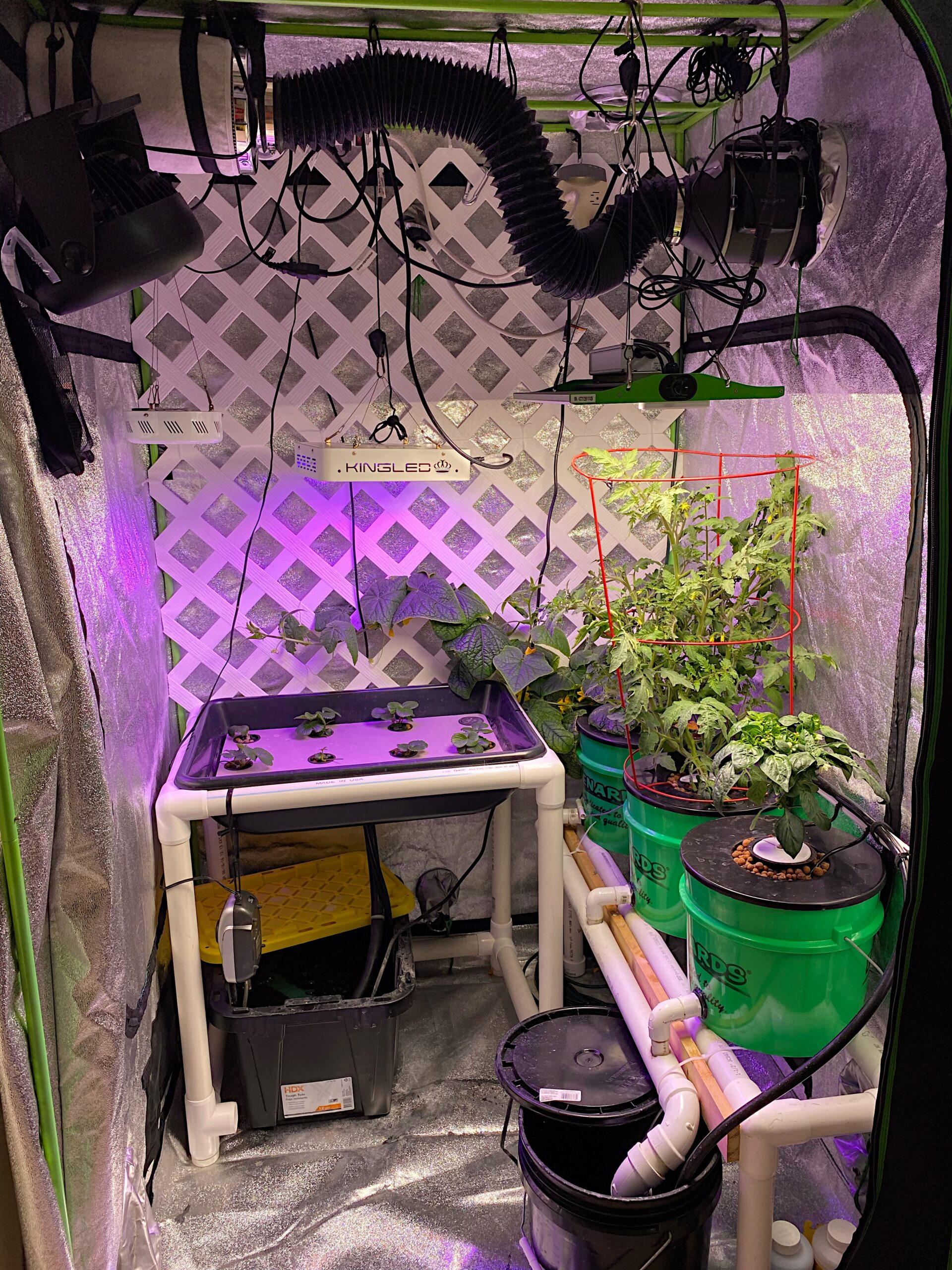
Water trays add moisture to the air inside your grow tent. Place shallow trays with water near the heat source.
As water evaporates, it raises humidity and keeps the air warm. Check the trays often and refill them with fresh water.
- Use wide, shallow trays for faster evaporation
- Place trays near heat but not too close
- Refill trays regularly to keep humidity steady
- Clean trays to prevent mold or algae
Misting Techniques
Misting sprays water into the air to increase humidity quickly. Use a spray bottle to mist plants and tent walls lightly.
Do not over-mist as too much water can cause mold. Mist during the evening or night to keep humidity up while warming the tent.
- Mist plants evenly without soaking leaves
- Spray tent walls to raise overall humidity
- Mist once or twice at night for best results
- Use clean water to avoid harmful buildup
Credit: nosoilsolutions.com
Power Safety Tips
Keeping your vegetable grow tent warm at night needs careful use of power. Safety must come first to stop fires and shocks.
Use the right wiring and avoid overloads to keep your setup safe and reliable.
Safe Wiring Practices
Use wires made for your heating devices. Check the wire gauge matches the power draw. Keep wires away from water and sharp edges. Use proper connectors and secure all joints well.
- Use insulated wires rated for your heater’s power
- Keep wires off the ground to avoid water contact
- Secure connections with wire nuts or terminal blocks
- Do not modify cords or plugs
- Inspect wires regularly for damage or wear
Avoiding Overloads
Plug too many devices into one outlet, and you risk overloads. Overloads can cause breakers to trip or start fires. Spread your devices across outlets and circuits. Use power strips with built-in breakers for added safety.
| Tip | Reason |
| Use multiple outlets | Prevents circuit overload |
| Check total wattage | Ensures power limit is not exceeded |
| Use surge protectors | Protects devices from power spikes |
| Do not daisy-chain power strips | Reduces fire risk |
| Turn off devices when not in use | Limits power use and heat buildup |

Credit: www.spider-farmer.com
Frequently Asked Questions
How Can I Maintain Warmth In A Vegetable Grow Tent At Night?
Use insulated materials and a small heater designed for grow tents. Seal all gaps to prevent heat loss. Adding thermal mass like water containers also stabilizes temperature overnight effectively.
What Heating Options Are Best For Vegetable Grow Tents?
Electric heaters with thermostats are ideal for grow tents. They provide consistent heat and safety. Avoid large heaters that create excessive dryness or fire hazards inside the tent.
How Does Insulation Improve Nighttime Warmth In Grow Tents?
Insulation traps heat inside, reducing temperature drops at night. Use reflective insulation or foam boards on tent walls. This keeps your plants warm and promotes healthy growth during cold nights.
Can I Use Heat Mats To Warm My Vegetable Grow Tent?
Yes, heat mats are excellent for root zone warmth. Place mats under plant trays to gently warm soil. This method is energy-efficient and supports seedling development in cool conditions.
Conclusion
Keeping your vegetable grow tent warm at night is crucial. Warmth supports healthy plant growth. Use heaters for controlled temperatures. Insulate walls to retain heat. Seal gaps to prevent drafts. Consider thermal blankets for extra warmth. Monitor temperature with a reliable thermostat.
These steps ensure your plants thrive, even in cold nights. Stay attentive to your plants’ needs. Regular checks can prevent issues. A warm environment promotes better yields. Keep your plants cozy, and enjoy a fruitful harvest. Happy growing!