Are you wondering what temperature to set your air conditioner for the best comfort and savings? You’re not alone.
Finding the perfect balance between staying cool and keeping your energy bills low can feel tricky. But what if setting your AC just right could help you enjoy a refreshing home while saving money? You’ll discover the ideal temperature to set your air conditioner—designed to keep you comfortable and your wallet happy.
Keep reading to learn simple tips that make a big difference.
Ideal Temperature Settings
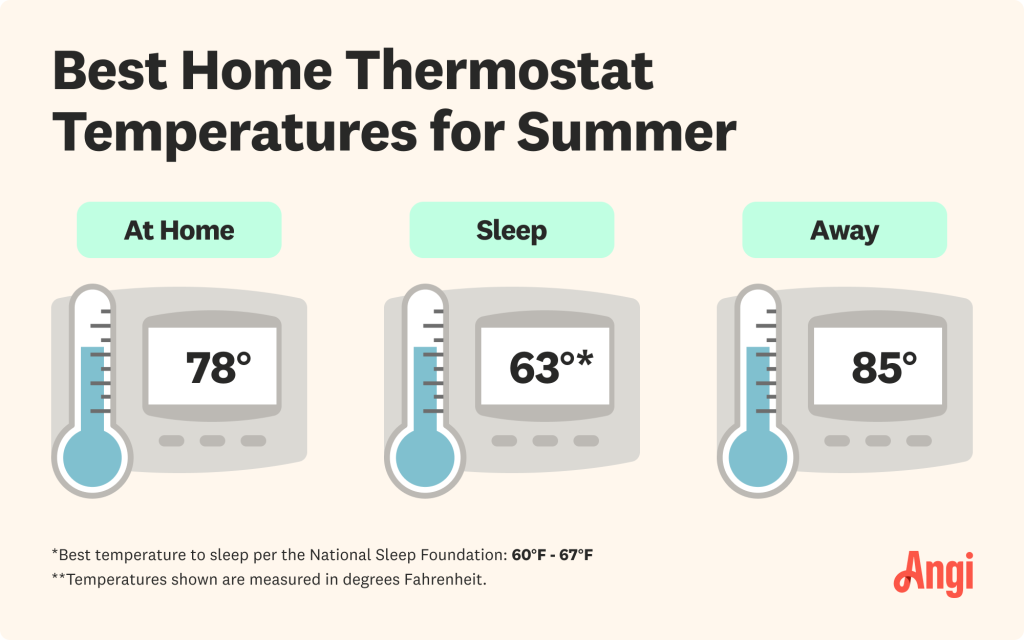
Setting your air conditioner to 78°F (26°C)during the day helps keep a room cool and saves energy. This temperature is comfortable for most people. It stops the AC from working too hard.
At night, lowering the temperature to about 72°F (22°C)can help you sleep better. Cooler air feels nice when you rest. Using a fan can also help spread cool air evenly.
To balance comfort and energy use, try these tips:
- Keep blinds or curtains closed during hot days.
- Use a programmable thermostat to change settings automatically.
- Avoid setting the temperature too low; it wastes energy.
- Regularly clean or replace AC filters for better performance.
Credit: heatable.co.uk
Factors Influencing Temperature Choice
Room sizeaffects how much cooling is needed. Bigger rooms need lower temperatures to feel cool.
Good insulationkeeps cool air inside. Poor insulation means the air conditioner works harder.
Outdoor weatherplays a big role. Hot days require setting a cooler temperature. On mild days, a higher setting saves energy.
Number of peoplein the room matters too. More people produce more heat, so the room feels warmer.
Adjust the air conditioner to balance comfort with energy use based on these factors.
Energy Efficiency And Cost Savings
Setting your air conditioner at 78°F (26°C)is best for energy saving. This temperature keeps your home cool without using too much power. Every degree lower can raise your energy bills by 6-8%. Programmable thermostats help by adjusting temperatures when you’re away or asleep.
Using a programmable thermostat lets you:
- Set higher temperatures when no one is home
- Lower temperatures just before you return
- Save money by reducing wasted cooling
| Thermostat Setting | Energy Use | Monthly Cost Impact |
|---|---|---|
| 72°F (22°C) | High | +20% increase |
| 78°F (26°C) | Moderate | Baseline |
| 82°F (28°C) | Low | -10% decrease |

Credit: www.reddit.com
Health And Safety Considerations
Setting the air conditioner too low can cause overcooling. This may lead to cold-related illnessesand discomfort. Keep the temperature at a moderate level to stay comfortable and safe.
Humidity control is importantfor health and comfort. Air conditioners help by reducing moisturein the air. Proper humidity levels prevent mold and dust mites from growing.
Good air circulation helps reduce airborne germs. Clean filters and regular maintenance keep the air fresh. This lowers the risk of airborne illnessesspreading indoors.
Smart Air Conditioner Features
Smart air conditioners have features that make cooling easier and smarter. Adaptive temperature controlschange the cooling based on room conditions. This helps keep the room comfy without wasting energy.
With remote and app-based settings, you can control your AC from anywhere. Turn it on or off, adjust the temperature, or set schedules right from your phone. Very handy for busy days.
Energy usage monitoringshows how much power your AC uses. It helps you see when you use the most energy. You can then make small changes to save money and reduce your electric bill.
Seasonal Adjustments
During summer, set your air conditioner between 75°F and 78°F. This keeps the room cool without using too much energy. Setting it lower wastes power and may raise bills.
As cooler months arrive, adjust the temperature higher, around 78°F to 80°F. This helps save energy and keeps your home cozy without overusing the system.
Keeping the air conditioner clean and checking filters often helps maintain efficiency. A well-maintained system uses less energy and cools better. Regular checks prevent problems and extend the unit’s life.
Credit: gulfshorecooling.com
Frequently Asked Questions
What Is The Ideal Temperature For Air Conditioners?
The ideal temperature for air conditioners is 78°F (25. 5°C) during summer. This setting balances comfort and energy efficiency, reducing electricity bills while keeping rooms cool and fresh.
How Does Temperature Affect Ac Energy Consumption?
Higher AC temperatures reduce energy use and lower electricity bills. Setting your AC at 78°F uses less energy than colder settings, making it eco-friendly and cost-effective.
Should I Change Ac Temperature At Night?
Yes, increasing the AC temperature by 4-6°F at night saves energy. Use a programmable thermostat to adjust settings automatically for comfort and efficiency.
Can Setting Ac Too Low Harm The Unit?
Setting the AC too low causes excessive wear and higher energy costs. It strains the compressor and reduces the unit’s lifespan.
Conclusion
Finding the right temperature for your air conditioner can save energy. It keeps your home comfortable and your bills lower. Set it between 24-26°C for the best balance. This range suits most people and conditions. Always consider your personal comfort and local climate.
Small adjustments can make a big difference. Use a programmable thermostat for better control. Remember, a well-maintained unit works efficiently. Clean filters and regular checks help performance. Enjoy a cool, comfortable home with these simple tips.