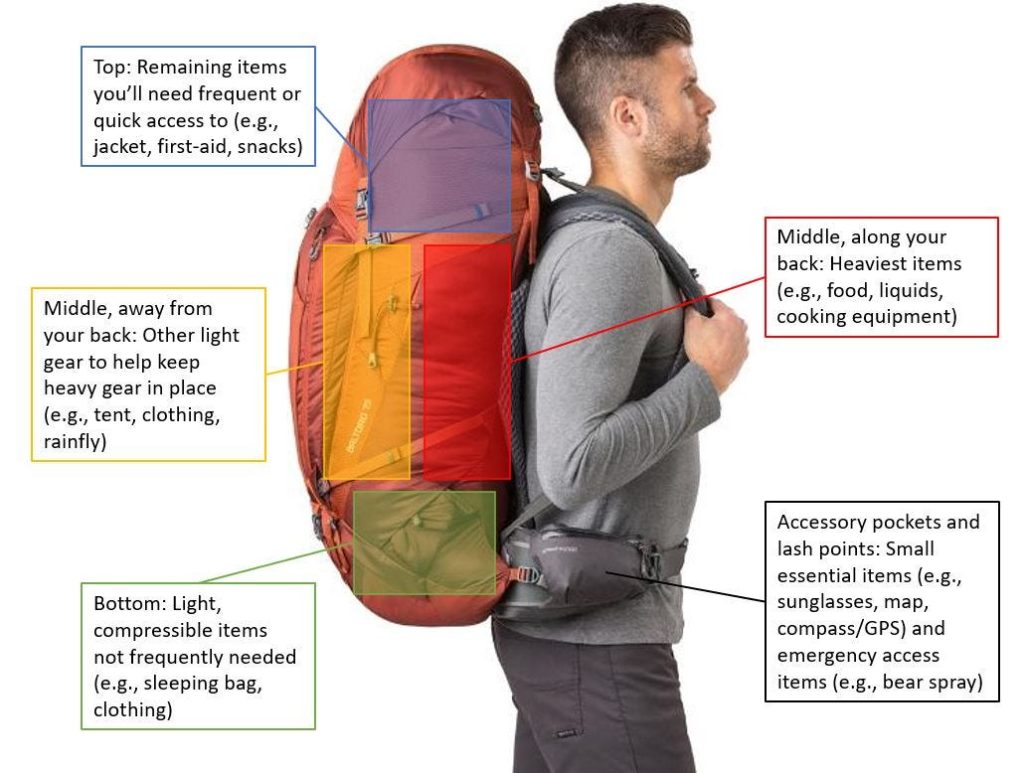
Packing your sleeping bag the right way can make a huge difference on your trip. If you’ve ever struggled to fit your sleeping bag into your backpack or ended up with a bulky, uncomfortable load, this guide is for you.
You’ll learn simple, effective steps to pack your sleeping bag so it takes up less space and stays protected. By the end, you’ll be ready to carry your gear comfortably and start your adventure without hassle. Keep reading to discover how easy it can be to pack your sleeping bag like a pro.
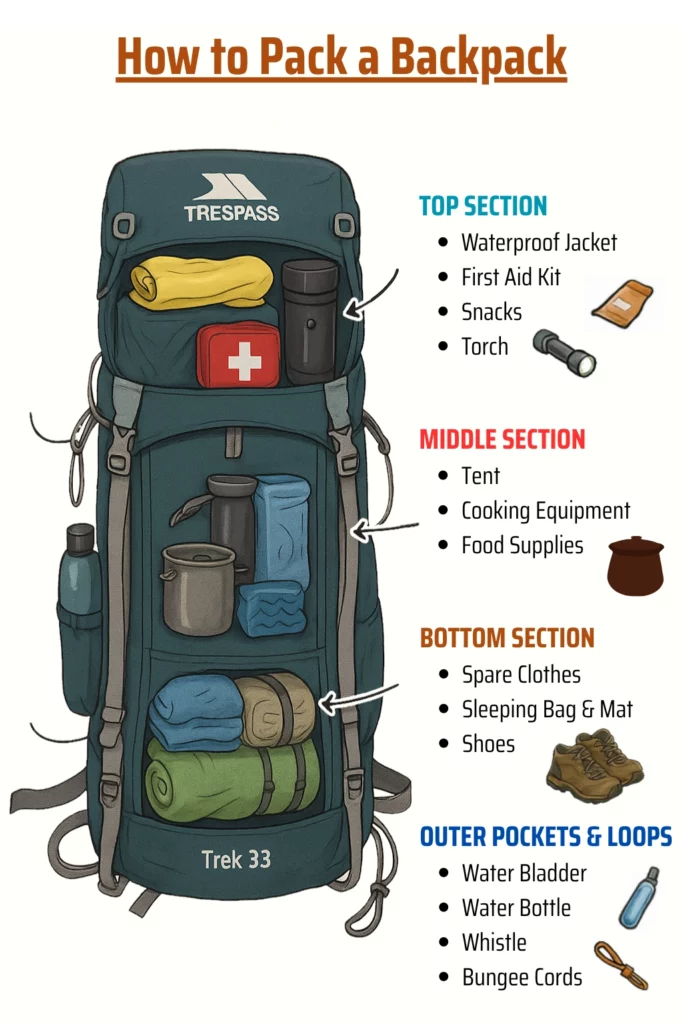
Credit: www.trespass.com
Choosing The Right Sleeping Bag
Picking the right sleeping bag is key for a good night’s sleep outdoors. It helps keep you warm and fits well in your backpack.
Consider the weather, your trip length, and how much space your bag takes. This guide will help you choose wisely.
Types Of Sleeping Bags
Sleeping bags come in different shapes. Each shape fits different needs and packing styles.
- Mummy bags are tight and warm. They save space in your pack.
- Rectangular bags offer more room to move. They are usually heavier.
- Semi-rectangular bags blend warmth and comfort. They weigh less than rectangular bags.
Material And Insulation
Sleeping bags have different materials inside to keep you warm. Choose one that matches your climate.
Down insulation is light and compresses small. It works best in dry conditions. Synthetic fills dry faster and cost less.
- Down: lightweight, packs small, good warmth
- Synthetic: water-resistant, budget-friendly, heavier
- Outer shell: usually nylon or polyester for durability
Size And Weight Considerations
Sleeping bags come in different sizes and weights. Pick one that fits your body and backpack space.
Lighter bags make hiking easier but may cost more. Bigger bags weigh more and take up space.
- Choose length to match your height for comfort
- Check packed size to fit your backpack
- Balance weight and warmth for your trip
Preparing Your Sleeping Bag
Packing your sleeping bag properly helps save space in your backpack. It also keeps the bag in good shape for your next trip.
Before packing, it is important to clean and dry your sleeping bag. Choosing how to pack it—rolling or stuffing—also makes a difference.
Cleaning And Drying
Always clean your sleeping bag after use. Dirt and sweat can damage the insulation and fabric. Use a gentle wash cycle or hand wash with mild soap. Avoid harsh chemicals.
Dry your sleeping bag completely before packing. Hang it in a warm, dry place. Do not put it in direct sunlight for long periods. A damp sleeping bag can develop mold and bad smells.
Rolling Vs. Stuffing Methods
You can pack your sleeping bag by rolling or stuffing it. Each method has its own benefits and fits different backpack styles.
- Rolling:This method saves space and keeps the bag flat. It is easier to pack in larger compartments.
- Stuffing:This method protects the insulation. It fits better in tight spaces and stuff sacks.
| Method | Advantages | Best Use |
| Rolling | Keeps bag compact and flat | Backpacks with wide compartments |
| Stuffing | Protects insulation, fits small spaces | Backpacks with stuff sacks or tight pockets |
Packing Techniques
Packing a sleeping bag correctly saves space and protects it from damage. Using the right method makes your backpack lighter and organized.
Here are three common techniques to pack a sleeping bag for your backpack trips.
Using A Compression Sack
A compression sack reduces the size of your sleeping bag by squeezing out air. It keeps your bag compact and dry.
- Place the sleeping bag inside the sack loosely.
- Close the sack’s opening tightly to trap air inside.
- Use the straps to press down and push out the air.
- Secure the buckles to keep the sack compressed.
Stuffing Directly Into The Backpack
Stuffing your sleeping bag directly into the backpack is quick. It works best if you need easy access during the trip.
Place the sleeping bag at the bottom or outside compartment of your backpack. Avoid folding it to keep loft and warmth.
Rolling And Securing
Rolling your sleeping bag saves space and helps keep it organized. Use straps or cords to keep the roll tight.
| Step | Action |
| 1 | Lay the sleeping bag flat and smooth out wrinkles. |
| 2 | Fold the bag lengthwise if it is too wide. |
| 3 | Roll tightly from the foot end to the head end. |
| 4 | Wrap straps or cords around the roll to secure it. |
| 5 | Place the rolled bag in or on your backpack. |

Credit: www.reddit.com
Maximizing Backpack Space
Packing a sleeping bag properly saves space in your backpack. It helps keep your gear organized.
Using smart packing techniques lets you carry more items comfortably. It also protects your sleeping bag.
Placing The Sleeping Bag Bottom Or Side
Put the sleeping bag at the bottom or side of the backpack. This placement frees up space above for other gear.
Placing it at the bottom keeps the weight low. Side placement works well for long, narrow backpacks.
- Bottom placement creates a stable base
- Side placement fits slim backpacks better
- Keep the sleeping bag compressed to save space
- Use a compression sack to reduce volume
Balancing Weight Distribution
Balance weight by placing heavy items close to your back. A balanced load makes hiking easier and safer.
Keep the sleeping bag near the center or bottom. This helps stabilize your backpack and prevents strain.
- Heavy gear near your spine improves balance
- Light items go on top or outer pockets
- Adjust straps to keep the load tight
- Test your pack before the trip for comfort
Protecting Your Sleeping Bag
Packing your sleeping bag correctly keeps it safe and dry. It also helps it last longer on trips.
Taking care during packing saves space and avoids damage. Use smart tips to protect your gear.
Waterproofing Tips
Keep your sleeping bag dry by using waterproof covers or bags. Moisture can ruin the insulation.
Use dry sacks or plastic liners inside your backpack. This adds a layer of protection from rain or spills.
- Pack your sleeping bag in a waterproof stuff sack
- Seal the sack tightly to block water
- Avoid placing the bag at the bottom of the pack where water may collect
- Carry a rain cover for your backpack
Avoiding Damage During Packing
Do not compress your sleeping bag too much. Over-compression can harm the insulation and shape.
Place the sleeping bag in a spot with soft padding. Avoid sharp or heavy items near it.
- Roll or stuff the bag loosely to keep loft
- Use a separate compartment or bottom of backpack
- Keep sharp objects away to avoid tears
- Check for dirt or moisture before packing
Additional Tips And Tricks
Packing a sleeping bag well can save space and protect it from weather. Small changes can make your hiking easier and your gear last longer.
Use smart methods to keep your sleeping bag dry and easy to reach. These tips help you stay organized and ready for any situation.
Using Dry Bags Or Liners
Dry bags and liners keep your sleeping bag dry and clean inside your backpack. They protect against rain, mud, and spills.
- Choose a dry bag size that fits your sleeping bag snugly.
- Use a waterproof liner inside your backpack for extra protection.
- Seal dry bags tightly to keep water and dirt out.
- Consider lightweight liners to save pack weight.
- Store your sleeping bag in a dry bag even on sunny days.
Quick Access Solutions
Keep your sleeping bag easy to reach when you need it fast. Planning where and how to pack saves time and effort.
| Method | Benefits |
| External Straps | Easy to grab without opening the pack |
| Top Compartment | Quick access at the top of the backpack |
| Side Pockets | Good for small or compressed bags |
| Separate Stuff Sack | Keeps bag separate and easy to pull out |
Credit: www.reddit.com
Frequently Asked Questions
How Do I Compress A Sleeping Bag For Backpacking?
Use a compression sack to reduce your sleeping bag size. Roll it tightly, then tighten the straps. This saves space and makes it easier to carry in your backpack.
What’s The Best Way To Prevent Moisture In A Sleeping Bag?
Store your sleeping bag in a waterproof stuff sack. Avoid packing it wet. This keeps it dry and maintains insulation, ensuring comfort during your trip.
Can I Pack A Sleeping Bag With Other Gear?
Yes, place your sleeping bag at the bottom of your backpack. This balances weight and protects it from damage. Pack heavier items on top for stability.
How Do I Avoid Damaging My Sleeping Bag While Packing?
Avoid sharp objects near the sleeping bag. Use a dedicated compartment or sack. This prevents tears and preserves the bag’s insulation and longevity.
Conclusion
Packing a sleeping bag efficiently ensures a comfortable hiking experience. Keep your backpack balanced and organized. Start by rolling the sleeping bag tightly. Secure it with straps or a compression sack. Place it at the bottom of your backpack. This creates space for other essentials.
Remember to keep the weight even. Proper packing prevents discomfort and strain. Practice makes perfect, so try different techniques. Soon, you’ll find the best method for you. Enjoy your outdoor adventures with ease and confidence. Happy trails and safe travels!