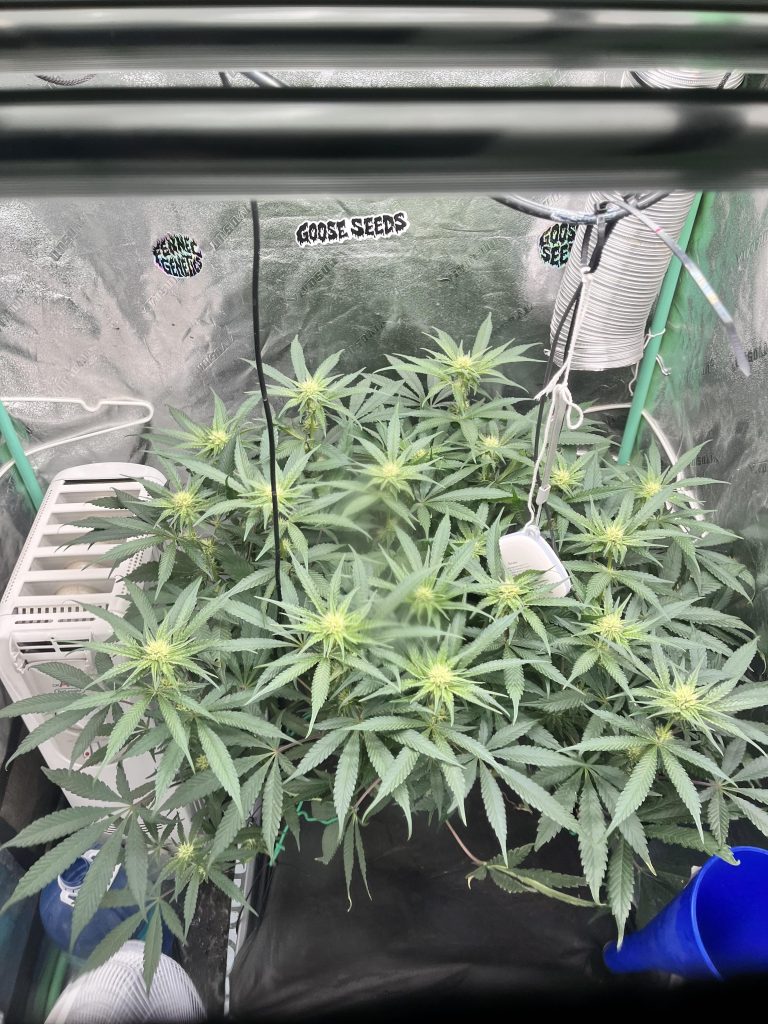
Are you struggling to keep the humidity levels in your grow tent under control? You’re not alone.
Many indoor gardeners face this challenge, and it can be frustrating to see your plants suffer despite your best efforts. High humidity can lead to mold, mildew, and a host of other problems that stunt growth and ruin your harvest.
But don’t worry—there are simple, effective strategies to help you get that humidity down to the ideal levels for your plants. By taking a few crucial steps, you can create the perfect environment for your indoor garden to thrive. Ready to learn how to take control and protect your green investment? Let’s dive into the practical solutions that will make all the difference.
Causes Of High Humidity
High humidity in a grow tent can cause many problems. It can slow plant growth and cause mold or pests. Understanding what causes humidity helps keep it under control.
Several factors raise humidity inside a grow tent. These include how you water plants, airflow, plant processes, and the outside environment.
Watering Practices
Overwatering plants adds excess moisture to the air. Water that sits on the soil surface evaporates and raises humidity. Watering late in the day can keep moisture longer inside the tent.
Using water carefully can reduce humidity. Avoid watering more than needed. Let the top soil dry before watering again. Water early to allow drying during the day.
Poor Ventilation
Without good airflow, humid air stays trapped inside the grow tent. This causes moisture to build up quickly. Poor ventilation stops fresh air from entering and moist air from leaving.
Using fans and vents helps air move. This lowers humidity by removing moist air. Make sure vents are open and fans run well to keep air fresh.
Plant Transpiration
Plants release water vapor through tiny holes in their leaves. This process is called transpiration. When many plants grow, they add a lot of moisture to the air inside the tent.
Higher temperatures increase transpiration. More leaves also mean more moisture released. This natural process raises humidity and needs managing with airflow.
Environmental Factors
The outside environment affects humidity inside the grow tent. High outdoor humidity makes it harder to lower moisture inside. Cold weather can also cause condensation inside the tent.
Location matters. Basements or rooms with poor air circulation raise humidity. Using a dehumidifier or controlling room conditions helps keep the grow tent dry.

Credit: www.reddit.com
Monitoring Humidity Levels
Keeping the right humidity level in a grow tent is very important. It helps plants grow strong and healthy.
To control humidity, you first need to watch and measure it carefully. This guide explains how to do that well.
Using Hygrometers
A hygrometer is a tool that measures humidity. You put it inside the grow tent to see the current moisture level.
There are digital and analog hygrometers. Digital ones are easy to read and more accurate for grow tents.
Ideal Humidity Ranges For Plants
Different plants need different humidity levels. Keeping humidity in the right range helps plants absorb water and nutrients.
| Plant Stage | Ideal Humidity Range |
|---|---|
| Seedling | 65% – 70% |
| Vegetative | 40% – 60% |
| Flowering | 40% – 50% |
Tracking Daily Fluctuations
Humidity changes during the day. It can be higher in the morning and lower at night.
Check humidity levels several times each day. This helps you spot problems early and adjust your controls.
- Record humidity every morning and evening
- Note changes after watering or lights on/off
- Use this data to keep humidity stable
Improving Air Circulation
Keeping humidity low in a grow tent is important for healthy plants. Good air circulation helps control moisture levels.
Moving air removes excess humidity and prevents mold growth. It also strengthens plant stems.
Installing Exhaust Fans
Exhaust fans pull humid air out of the grow tent. This lowers the overall humidity inside.
Place the exhaust fan near the top of the tent. Hot, moist air rises, so this is where it collects.
- Choose a fan size that fits your tent volume
- Use a fan with an adjustable speed control
- Install a carbon filter to reduce odors
- Ensure the fan vents air outside the grow space
Adding Oscillating Fans
Oscillating fans keep air moving inside the tent. This stops pockets of humid air from forming.
Place fans at plant level to gently move leaves and stems. This also helps plants grow stronger.
- Use small fans that rotate side to side
- Position fans to cover all parts of the tent
- Keep fans running continuously during light hours
- Adjust fan speed to avoid damaging plants
Creating Airflow Patterns
Good airflow means air moves evenly throughout the tent. This helps keep humidity low everywhere.
Use a combination of intake, exhaust, and oscillating fans to create a flow. Air should enter low and exit high.
- Place intake vents near the bottom of the tent
- Use exhaust fans at the top to pull air out
- Set oscillating fans to move air across plants
- Avoid dead spots where air can become still

Credit: www.reddit.com
Dehumidifiers In Grow Tents
High humidity inside a grow tent can harm plants. It creates mold and slows growth. Using a dehumidifier helps keep the air dry and healthy.
Choosing the right dehumidifier and placing it well will improve your grow tent environment. Proper maintenance keeps it working long.
Choosing The Right Size
Dehumidifiers come in different sizes and capacities. Pick one that matches your grow tent size and humidity level. A small dehumidifier may not remove enough moisture. A very large one wastes energy.
| Grow Tent Size | Recommended Dehumidifier Capacity (Pints/Day) |
| Small (up to 20 sq ft) | 10-20 |
| Medium (20-50 sq ft) | 20-40 |
| Large (50-100 sq ft) | 40-70 |
| Extra Large (over 100 sq ft) | 70+ |
Placement Tips
Place the dehumidifier where air flows well. Avoid corners or blocked spots. Keep it away from plants and water sources.
- Set near the air intake or exhaust fan.
- Allow space around the unit for airflow.
- Do not block vents or filters.
- Elevate the unit to avoid water damage.
Maintenance And Upkeep
Keep the dehumidifier clean and in good shape. Regular checks prevent failure and keep it efficient.
- Empty the water collection tank daily.
- Clean or replace filters monthly.
- Check for leaks or strange noises.
- Ensure proper power supply and cords.
Adjusting Watering Techniques
Controlling humidity in a grow tent starts with how you water your plants. Water adds moisture to the air, so adjusting your watering can help reduce humidity levels.
This guide explains simple ways to change your watering methods to keep humidity at a healthy level for your plants.
Watering Timing
Water your plants early in the day. This timing lets water soak in and excess moisture evaporate before night. Avoid watering late, which can raise humidity overnight.
Reducing Overwatering
Too much water increases humidity and can harm plants. Use less water and check soil moisture before watering again. Overwatering creates damp air inside the tent.
- Water only when the top inch of soil is dry
- Use pots with good drainage to avoid water buildup
- Adjust water amount based on plant size and growth stage
- Check for leaks or standing water after watering
Using Moisture Meters
Moisture meters help you know when plants need water. These tools measure soil wetness and prevent overwatering. They reduce guesswork and control humidity better.
| Moisture Level | Action |
| Dry (below 20%) | Water the plant |
| Optimal (20%–60%) | No watering needed |
| Wet (above 60%) | Wait before watering |
Temperature Control Strategies
Keeping the right temperature in your grow tent helps control humidity levels. Warm air holds more moisture, so managing heat is key.
Using good temperature control methods can lower humidity and create a better environment for your plants.
Managing Heat Sources
Lights and equipment produce heat inside the grow tent. This heat can raise the temperature and humidity.
Keep heat sources away from walls and vents to improve airflow. Use energy-efficient lights that give off less heat.
- Use LED lights instead of HID or HPS
- Turn off extra equipment when not in use
- Place heat-producing devices near exhaust vents
- Check for heat leaks and seal gaps
Cooling Solutions
Cooling lowers the temperature and helps reduce humidity. Fans and air conditioners are common cooling tools for grow tents.
Use intake and exhaust fans to move hot air out and bring fresh air in. Air conditioners keep the tent cool but use energy.
- Install an exhaust fan to remove hot air
- Use an intake fan for fresh, cooler air
- Consider portable air conditioners for hot climates
- Place fans to circulate air evenly
Impact On Humidity
Higher temperatures let air hold more moisture, raising humidity. Cooling air lowers its moisture capacity, reducing humidity.
Proper temperature control helps keep humidity in balance, avoiding mold and plant stress inside your grow tent.
Using Humidity Absorbers
Keeping humidity low in a grow tent helps plants stay healthy. Humidity absorbers can reduce excess moisture. They work by pulling water from the air.
This guide explains types of absorbers, where to place them, and safety tips.
Types Of Absorbers
Several types of humidity absorbers suit grow tents. Each has different properties and uses.
- Silica Gel:Small beads that absorb moisture. They can be reused after drying.
- Calcium Chloride:A salt that pulls water from the air quickly. It turns liquid when wet.
- Activated Charcoal:Absorbs moisture and odors. It also helps keep air fresh.
- Clay Absorbers:Natural and eco-friendly. Clay draws moisture slowly but steadily.
Placement Inside Tent
Where you put humidity absorbers affects their efficiency. Place them in spots with poor airflow.
- Near the tent corners to catch rising moisture
- Close to plants but not touching leaves or stems
- Away from lights to avoid heat damage
- On shelves or hanging containers for better air contact
Safety Considerations
| Absorber Type | Safety Tip |
|---|---|
| Silica Gel | Keep out of reach of children and pets; non-toxic but can cause choking. |
| Calcium Chloride | Avoid skin contact; it can irritate and is toxic if ingested. |
| Activated Charcoal | Handle with gloves to prevent dust inhalation. |
| Clay Absorbers | Generally safe, but avoid mold build-up by checking regularly. |

Credit: www.reddit.com
Plant Selection And Arrangement
Controlling humidity in a grow tent starts with choosing the right plants. Some plants release less water vapor, which helps keep humidity low. How you place and care for your plants also affects airflow and moisture levels.
This guide covers selecting low-transpiration plants, spacing for airflow, and pruning methods. These steps help reduce humidity and keep plants healthy.
Choosing Low-transpiration Plants
Plants differ in how much water they release through their leaves. Pick those that breathe less to lower humidity.
- Succulents like aloe vera and jade plant lose little water.
- Herbs such as rosemary and thyme have low transpiration rates.
- Cacti are ideal for dry environments with minimal water release.
- Ornamental plants like snake plant and ZZ plant keep moisture low.
Spacing For Better Airflow
Proper spacing between plants lets air move freely. Good airflow reduces moisture buildup around leaves and soil.
| Spacing Method | Benefit |
| Keep at least 6 inches between pots | Prevents crowded leaves that trap moisture |
| Arrange taller plants at the back | Allows air to reach shorter plants in front |
| Use staggered rows | Improves air circulation among all plants |
Pruning Techniques
Trim plants to remove dead or excess leaves. This lowers leaf surface area and reduces water vapor release.
- Remove yellow or brown leaves promptly.
- Cut back dense growth to open space inside the plant.
- Thin crowded branches to improve airflow.
- Use clean, sharp tools to avoid plant stress.
Frequently Asked Questions
How Can I Lower Humidity In My Grow Tent?
Use a dehumidifier to absorb excess moisture. Improve ventilation with fans and vents. Avoid overwatering plants to reduce humidity buildup.
What Causes High Humidity In Grow Tents?
High humidity results from poor airflow, overwatering, and inadequate ventilation. Warm temperatures also increase moisture retention inside the tent.
Which Equipment Helps Reduce Grow Tent Humidity?
Dehumidifiers, exhaust fans, and intake vents help control humidity. Using silica gel packs or moisture absorbers can also aid in reducing moisture.
How Often Should I Check Humidity Levels?
Check humidity levels daily with a hygrometer. Regular monitoring helps maintain optimal conditions and prevents mold or mildew growth.
Conclusion
Controlling humidity in your grow tent keeps plants healthy and strong. Use fans and dehumidifiers to lower moisture levels. Watch temperature and water carefully to avoid high humidity. Proper ventilation helps air flow and stops mold. Check your tent often to catch problems early.
Simple steps make a big difference in plant growth. Stay consistent, and your plants will thrive in the right environment.