Have you ever wondered if your air conditioner could be putting you at risk of carbon monoxide poisoning? It’s a scary thought, but understanding the facts can help keep you and your loved ones safe.
You rely on your AC to keep your home cool and comfortable, but could it be hiding a hidden danger? You’ll discover the truth about carbon monoxide and air conditioners—what you need to watch for, how to protect your home, and why being informed matters more than ever.
Keep reading to make sure your cool comfort doesn’t come with an unseen risk.
Credit: www.diychatroom.com
How Air Conditioners Work
Air conditioners cool indoor spaces by removing heat and moisture from the air. They use a special cycle to transfer heat outside.
This process helps lower the air temperature, making rooms more comfortable during hot weather.
Cooling Mechanism Explained
An air conditioner uses a refrigerant to absorb heat from inside your home. The refrigerant changes from liquid to gas and back.
The main parts involved are the evaporator, compressor, condenser, and expansion valve. Each plays a key role in cooling.
- The evaporator absorbs heat from indoor air.
- The compressor pushes the refrigerant through the system.
- The condenser releases heat outside.
- The expansion valve controls refrigerant flow.
Common Types Of Air Conditioners
There are different types of air conditioners designed for various spaces and needs. Each type works on the same cooling principle.
| Type | Description | Typical Use |
|---|---|---|
| Window AC | Compact unit installed in a window opening. | Single rooms or small spaces. |
| Split AC | Two-part system with indoor and outdoor units. | Homes and offices. |
| Central AC | Large system cooling entire buildings through ducts. | Houses and commercial buildings. |
| Portable AC | Movable unit with exhaust hose. | Temporary cooling or small rooms. |
Sources Of Carbon Monoxide
Carbon monoxide is a dangerous gas that can harm people. It is colorless and has no smell. Many home devices can produce this gas.
Knowing where carbon monoxide comes from helps keep your home safe. Not all air conditioners produce this gas.
Fuel-burning Appliances
Appliances that burn fuel can make carbon monoxide. This includes heaters, stoves, and water heaters. These devices need good ventilation to be safe.
Air conditioners that only use electricity do not produce carbon monoxide. But some heating systems that use gas or oil can create this gas if they are faulty.
- Gas furnaces
- Wood-burning fireplaces
- Oil heaters
- Gas stoves
- Portable generators
Indoor Pollution Risks
Carbon monoxide can build up indoors if there is poor air flow. This makes the air unsafe to breathe. Small leaks in appliances can cause this problem.
Using fuel-burning devices inside without fresh air increases pollution risks. It is important to have detectors and regular checks for safety.
- Blocked chimneys or vents
- Running generators in enclosed spaces
- Leaking gas appliances
- Improperly maintained heaters
- Closed windows and doors during use
Can Air Conditioners Emit Carbon Monoxide?
Carbon monoxide is a dangerous gas that can cause health problems. People often worry about getting carbon monoxide from appliances in their homes. One common question is whether air conditioners can emit this gas.
This article looks at how air conditioners relate to carbon monoxide exposure. It covers direct emissions and risks from other sources connected to air conditioners.
Direct Emission Possibility
Most air conditioners do not produce carbon monoxide. They use electricity or refrigerants to cool air, not combustion. Combustion is the main cause of carbon monoxide in homes.
Some older or portable air conditioning units may have small gas engines or heaters. These could produce carbon monoxide if not maintained. But typical home air conditioners are safe from this risk.
- Electric air conditioners do not emit carbon monoxide.
- Gas-powered air conditioners may produce carbon monoxide.
- Proper maintenance stops leaks and emissions.
- Always check the type of air conditioner you have.
Indirect Exposure Risks
Even if an air conditioner does not emit carbon monoxide, it might affect air quality indirectly. Poor ventilation or nearby gas appliances can cause carbon monoxide to build up indoors.
| Risk Factor | Description |
| Blocked vents | Stops fresh air, traps gases inside |
| Nearby gas heaters | May leak carbon monoxide near the AC unit |
| Poor maintenance | Increases chance of carbon monoxide buildup |
| Sealed rooms | Limits airflow, raises gas concentration |
To reduce indirect risks, keep vents clear and maintain all gas appliances. Use carbon monoxide detectors near air conditioners and gas heaters for safety.

Credit: www.dreamden.ai
Signs Of Carbon Monoxide Presence
Carbon monoxide (CO) is a colorless, odorless gas that can come from some home appliances. Air conditioners usually do not produce CO, but faulty or connected heating systems might cause it.
Knowing the signs of carbon monoxide presence helps keep your home safe. Watch for symptoms and use detectors to spot CO early.
Symptoms Of Co Poisoning
Carbon monoxide poisoning can cause many health issues. These symptoms often look like common illnesses but can be serious.
- Headache and dizziness
- Nausea and vomiting
- Shortness of breath
- Weakness and fatigue
- Confusion and blurred vision
- Chest pain
- Loss of consciousness in severe cases
If you or your family feel these symptoms suddenly, leave the house and get fresh air. Call emergency services right away.
Detecting Co In Your Home
Carbon monoxide is hard to notice without tools. Installing CO detectors is the best way to find it early.
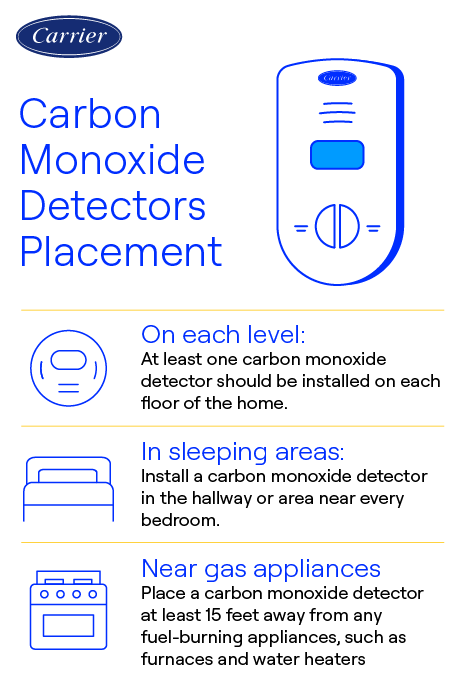
- Place detectors near bedrooms and living areas
- Test detectors monthly to ensure they work
- Replace batteries at least once a year
- Do not ignore alarm sounds from detectors
- Have your heating and cooling systems checked yearly
Regular maintenance and detectors keep your home safe from carbon monoxide risks.
Preventing Carbon Monoxide Exposure
Carbon monoxide is a dangerous gas. It can come from some home appliances, but air conditioners usually do not produce it. Still, you must take steps to keep your home safe from carbon monoxide.
Proper ventilation and regular maintenance help prevent any risk of carbon monoxide exposure. Follow these tips to keep your air conditioner and home safe.
Proper Ventilation Tips
Good ventilation is key to stopping carbon monoxide buildup. Make sure your air conditioner has enough fresh air to work well. Keep vents and windows clear to allow air flow.
- Keep vents and air intakes free from blockages
- Open windows slightly if using fuel-burning appliances nearby
- Do not seal your home too tightly without ventilation
- Avoid running generators or gas heaters inside the house
- Use exhaust fans in kitchens and bathrooms to remove fumes
Maintenance And Safety Checks
Check your air conditioner regularly. Clean filters and remove dust. Look for any signs of damage or leaks that might cause problems.
Have a qualified technician inspect gas appliances and heating systems. Install carbon monoxide detectors in your home to alert you if levels become unsafe.
- Clean or replace air filters every 1-3 months
- Schedule professional inspections annually
- Test carbon monoxide detectors monthly
- Replace batteries in detectors twice a year
- Fix any gas leaks or unusual smells immediately
Credit: www.carrier.com
When To Call A Professional
Carbon monoxide from an air conditioner is rare but serious. Knowing when to call a professional can keep your home safe.
Air conditioners should work without causing health risks. If you notice signs of trouble, do not wait to get help.
Identifying Warning Signs
Watch for symptoms or signs that suggest carbon monoxide might be present. These signs are important to catch early.
- Dizziness or headaches inside your home
- Unusual smells near the air conditioner
- Yellow or flickering flames on gas appliances
- Excessive moisture or soot around vents
- Air conditioner making strange noises
Routine Inspection Importance
Regular checks by a professional can prevent carbon monoxide risks. Inspections keep your air system safe and efficient.
| Inspection Item | Why It Matters | Frequency |
| Ventilation System | Ensures proper air flow | Yearly |
| Burner and Heat Exchanger | Prevents leaks of harmful gases | Yearly |
| Carbon Monoxide Detectors | Alerts to dangerous levels | Every 6 months |
| Air Filter | Keeps air clean and parts working | Every 3 months |
Frequently Asked Questions
Can Air Conditioners Produce Carbon Monoxide?
No, air conditioners do not produce carbon monoxide. They cool air using refrigerants, not combustion. Carbon monoxide mainly comes from gas appliances and engines.
Is Carbon Monoxide Risk High With Central Ac Systems?
Central AC systems pose minimal carbon monoxide risk. They use electricity and sealed ducts, preventing exposure to combustion gases. Proper ventilation and maintenance further reduce any risks.
How To Detect Carbon Monoxide Near Air Conditioners?
Use a carbon monoxide detector near air conditioners. These devices alert you to dangerous gas levels. Regular maintenance and inspections also help prevent hidden leaks.
Can Faulty Hvac Cause Carbon Monoxide Leaks?
Yes, faulty HVAC systems that include gas furnaces can leak carbon monoxide. Regular inspections and repairs ensure safe operation and prevent hazardous gas exposure.
Conclusion
Air conditioners do not produce carbon monoxide. They operate with electricity. Carbon monoxide comes from burning fuel. Keep your air conditioner well-maintained. Ensure proper ventilation in your home. A working carbon monoxide detector is essential. It protects you from potential leaks.
Stay informed about home safety. Regular checks can prevent many risks. Awareness keeps you and your family safe. Simple steps make a big difference. Always prioritize health and safety. Understanding these facts helps protect your home. An informed household is a safe household.
Stay vigilant and enjoy peace of mind.