Are you tired of your air conditioner driving up your electricity bills every month? You’re not alone.
Keeping your home cool doesn’t have to mean wasting energy or money. Imagine enjoying a comfortable space while cutting down on power use—sounds great, right? You’ll discover simple and effective ways to save energy on your air conditioner without sacrificing comfort.
By the end, you’ll have easy tips that put you in control of your cooling costs and help the environment too. Keep reading to learn how small changes can make a big difference for you and your wallet.
Choose Energy-efficient Ac Units
Choosing an energy-efficient air conditioner helps you save power and reduce bills. These units use less electricity but cool your home well.
Look for AC units designed to use energy wisely. This choice benefits both your wallet and the environment.
Look For Energy Star Ratings
Energy Star is a label for products that use less energy. AC units with this rating meet strict efficiency rules.
Choosing an Energy Star AC means you get good cooling with lower energy use. This helps cut your electricity costs.
- Energy Star units save about 10% to 30% more energy
- They reduce greenhouse gas emissions
- They often have better cooling features
Consider Inverter Technology
Inverter ACs change their speed to keep the right temperature. They do not turn on and off like old models.
This means inverter units use less power and keep your room cooler without big energy spikes.
- Uses less electricity by adjusting compressor speed
- Provides steady and comfortable cooling
- Has a longer life span due to fewer start-stop cycles
Credit: cool-off.com
Optimize Thermostat Settings
Saving energy on your air conditioner starts with the right thermostat settings. A well-set thermostat can keep your home comfortable and lower your energy bills.
Simple changes to your thermostat use can make a big difference in energy use. Learn how to set the ideal temperature and use programmable thermostats to save power.
Set Ideal Temperature
Setting your thermostat to the right temperature helps save energy. The U.S. Department of Energy suggests 78°F (26°C) when you are home and need cooling.
- Set temperature to 78°F (26°C) during the day.
- Raise the temperature when you are away or asleep.
- Use fans to help cool the room if needed.
- Avoid setting the thermostat too low; it wastes energy.
Use Programmable Thermostats
Programmable thermostats change the temperature automatically. They save energy by adjusting settings based on your schedule.
| Time of Day | Recommended Temperature |
| Day (Home) | 78°F (26°C) |
| Night or Away | 85°F (29°C) |
| Before Returning Home | 78°F (26°C) |
Improve Home Insulation
Good home insulation helps keep your house cool in summer. It stops warm air from entering inside.
Improving insulation reduces how much the air conditioner runs. This saves energy and lowers bills.
Seal Windows And Doors
Windows and doors can let warm air inside your home. Sealing cracks and gaps blocks this air.
Use weatherstripping or caulk around frames. This keeps your indoor air cool and fresh.
- Check for gaps around windows and doors
- Apply weatherstripping to movable parts
- Use caulk for cracks in walls or frames
- Replace old or broken seals promptly
Use Curtains And Blinds
Curtains and blinds block sunlight and heat from entering rooms. This reduces cooling needs.
Close them during hot days to keep rooms cooler. Choose light-colored curtains to reflect heat.
- Install blinds or curtains on all windows
- Keep them closed during the hottest hours
- Use reflective or light-colored window treatments
- Consider blackout curtains for better insulation

Credit: www.clp.com.hk
Maintain Your Air Conditioner
Keeping your air conditioner in good shape helps save energy. Regular care makes it run better and use less power.
Simple maintenance steps can lower your electricity bills and extend your AC’s life.
Clean Or Replace Filters
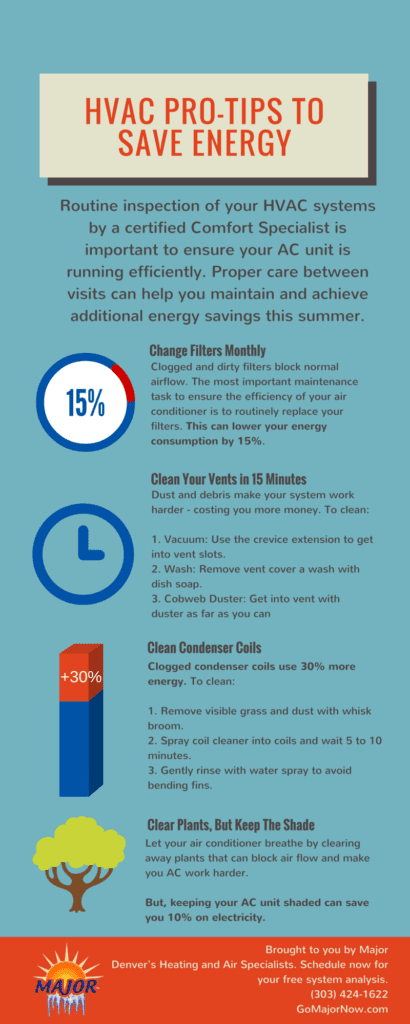
Dirty filters block airflow and make your AC work harder. Clean or replace filters every one to three months.
Good airflow helps the system cool your home more efficiently and uses less energy.
- Check filters monthly during heavy use
- Wash reusable filters with water and dry completely
- Replace disposable filters if they look dirty
- Use the right size and type of filter
Schedule Regular Servicing
Have a professional service your air conditioner once a year. They check parts and fix small problems early.
Regular servicing keeps the system clean and running smoothly. It improves energy efficiency and comfort.
- Inspect and clean coils and fins
- Check refrigerant levels and refill if needed
- Test thermostat and controls for accuracy
- Tighten electrical connections and lubricate parts
Use Fans To Complement Cooling
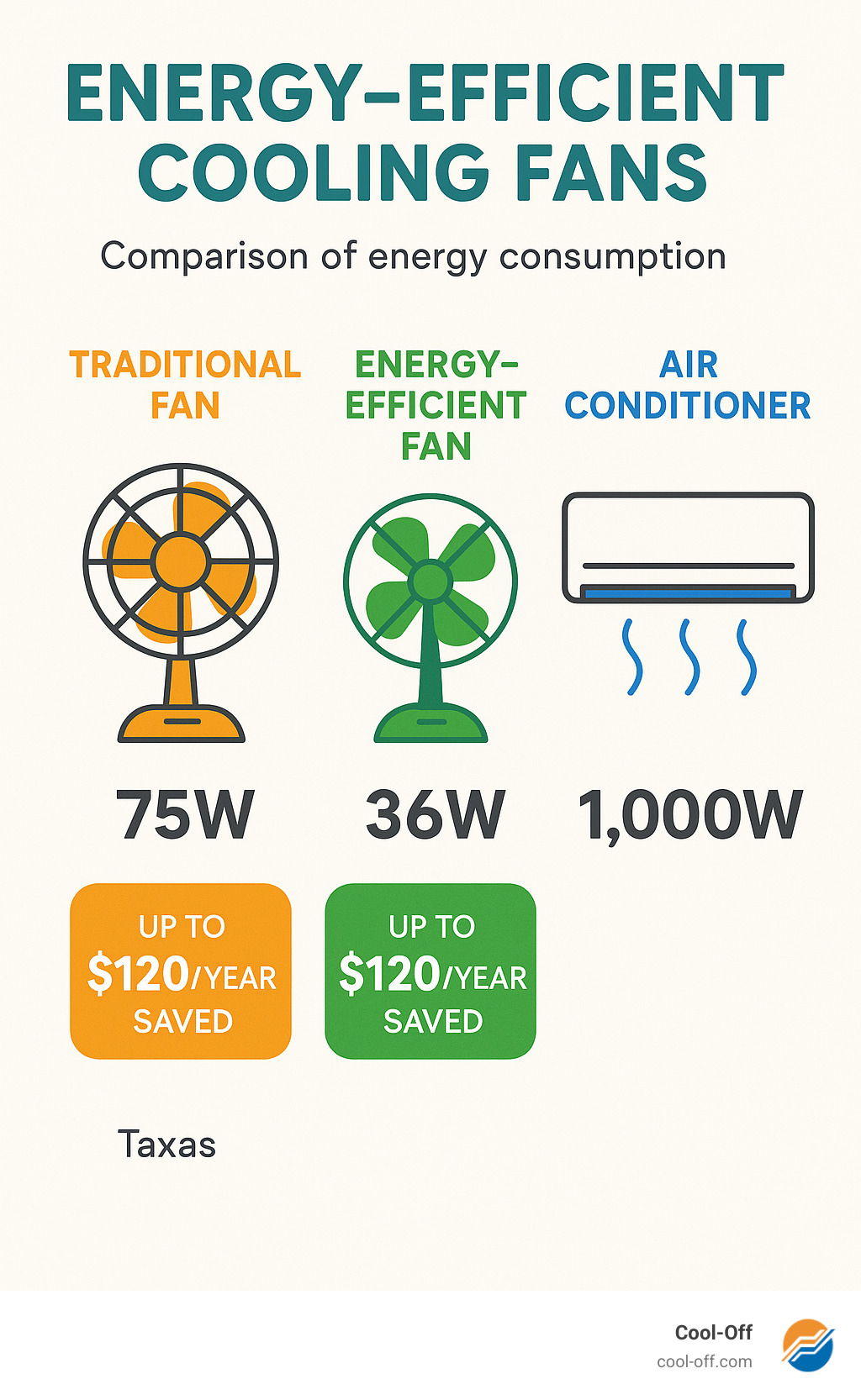
Using fans with your air conditioner saves energy and improves comfort. Fans help move air around the room. This makes the space feel cooler without lowering the temperature.
Fans use less electricity than air conditioners. Adding fans lets you set your AC at a higher temperature. This reduces electricity bills and keeps your home cool.
Ceiling Fans For Air Circulation
Ceiling fans spread cool air evenly across the room. They keep air moving to stop hot spots. This helps your AC work less hard.
- Run ceiling fans in a counterclockwise direction in summer.
- Set fan speed to medium or high for best airflow.
- Turn off fans when you leave the room to save energy.
- Use ceiling fans with your AC to raise the thermostat by 4°F.
Portable Fans For Targeted Cooling
Portable fans cool specific areas where you spend the most time. They are easy to move from room to room. Portable fans can reduce the need to cool the entire house.
| Fan Type | Best Use | Energy Use (Watts) |
| Desk Fan | Work or study area | 10–20 |
| Pedestal Fan | Living room or bedroom | 40–60 |
| Box Fan | Large open spaces | 50–75 |
Limit Heat Gain Indoors
Keeping your home cool reduces the need for your air conditioner. One way is to stop heat from entering inside. This helps save energy and lower electricity bills.
Simple actions like blocking sunlight and using appliances wisely can make a big difference. Focus on ways to limit heat gain during hot days.
Close Blinds During Peak Sun
Sunlight through windows can raise room temperature quickly. Closing blinds blocks direct sun and keeps rooms cooler. This lowers the workload on your air conditioner.
- Close blinds or curtains between 10 a.m. and 4 p.m.
- Use reflective or light-colored blinds to bounce sunlight away.
- Consider blackout curtains for the best heat blocking.
- Keep windows closed while blinds are shut to trap cooler air inside.
Avoid Heat-generating Appliances
Appliances like ovens and dryers create heat. Using them during hot hours adds warmth inside your home. This makes your air conditioner work harder.
| Appliance | Best Time to Use |
| Oven | Early morning or late evening |
| Clothes Dryer | Cooler parts of the day |
| Hair Dryer | Short periods, avoid long use |
| Dishwasher | Nighttime or off-peak hours |
Utilize Smart Cooling Techniques
Saving energy on your air conditioner helps lower your bills. Smart cooling techniques make your AC work smarter, not harder.
These techniques use technology and smart habits. They keep you cool while using less power.
Use Zoned Cooling
Zoned cooling means cooling only the rooms you use. This saves energy by not cooling empty spaces.
You can close doors and vents in unused rooms. This directs the cool air where you need it most.
- Set different temperatures for each zone
- Close vents in unused rooms
- Use fans to help air flow in cooled zones
Automate Ac Usage With Smart Devices
Smart devices can control your AC automatically. They turn it off or lower cooling when not needed.
Use smart thermostats or plugs to schedule your AC. This avoids wasting energy when you are away.
- Set timers to run AC only during hot hours
- Use motion sensors to detect room occupancy
- Control your AC remotely with apps

Credit: www.yahoo.com
Consider Alternative Cooling Options
Using alternatives to air conditioners can reduce energy use. These options often cost less to run. They also help keep your home comfortable in warm weather.
Two common alternatives are evaporative coolers and natural ventilation. Both work well in different climates and settings.
Evaporative Coolers
Evaporative coolers use water to cool air naturally. They work best in dry climates. These coolers pull warm air through water-soaked pads.
- They use much less electricity than air conditioners.
- They add moisture to dry air, improving comfort.
- They are simple to install and maintain.
- They cool air by evaporation, not by chemical refrigerants.
Natural Ventilation
Natural ventilation uses outdoor air to cool indoor spaces. It can lower indoor temperatures without using electricity.
| Method | How It Helps Cool | Best Use |
| Open Windows | Allows cool air to enter and hot air to exit | Evening and early morning |
| Cross Ventilation | Creates airflow by opening windows on opposite sides | Rooms with windows on two sides |
| Ventilation Fans | Pulls warm air out and brings fresh air in | Spaces with poor airflow |
Frequently Asked Questions
How Can I Reduce Ac Energy Consumption Effectively?
Use a programmable thermostat to set higher temperatures when away. Regularly clean filters and seal leaks. Utilize fans to circulate cool air. These steps lower AC workload and save energy efficiently.
What Temperature Setting Saves The Most Ac Energy?
Setting your AC to 78°F (26°C) when home balances comfort and energy savings. Higher settings reduce power use. Adjusting temperature by just a few degrees can cut cooling costs significantly.
Does Closing Doors And Windows Save Ac Energy?
Yes, closing doors and windows prevents cool air from escaping. It reduces the AC’s workload. Keeping your space sealed maintains temperature and improves energy efficiency.
How Often Should I Maintain My Air Conditioner?
Maintain your AC at least twice a year. Clean or replace filters monthly during use. Regular maintenance ensures efficient operation and lowers energy consumption.
Conclusion
Cutting down on air conditioner energy use saves money and helps the planet. Small changes make a big difference. Set the thermostat higher when possible. Close curtains during hot days. Use fans to circulate air. Regular maintenance keeps the unit efficient.
Check filters monthly. Seal windows and doors tightly. Plant trees for shade outside. These easy steps lead to less energy use. Comfort and savings go hand in hand. Start today and enjoy cooler savings tomorrow.