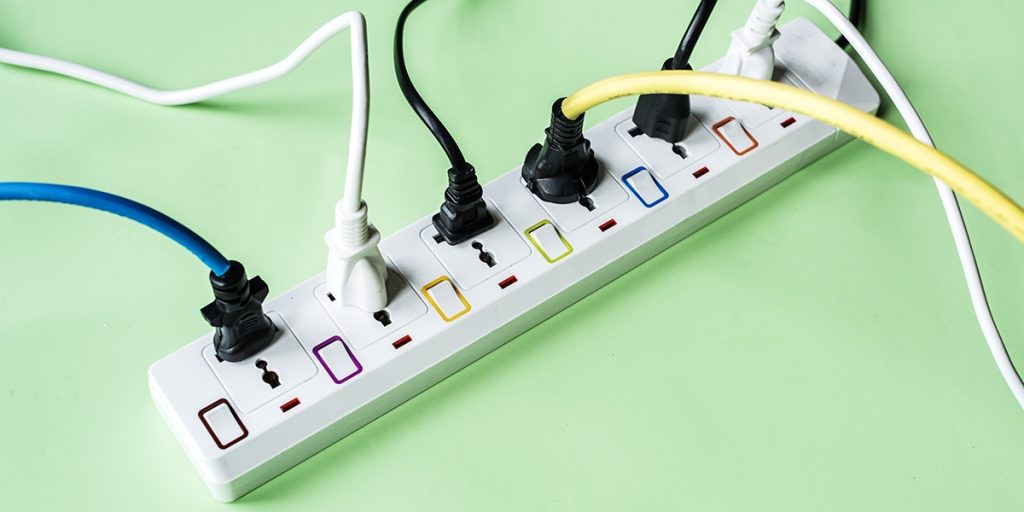
Are you wondering if you can plug your air conditioner into an extension cord? It might seem like a quick and easy solution when your AC’s power outlet is just out of reach.
But before you do, it’s important to know the risks and what could happen to your device—or even your safety. Keep reading to find out the truth behind using extension cords with air conditioners and how you can keep your home cool without any hidden dangers.

Credit: northnjhvac.com
Risks Of Using Extension Cords With Air Conditioners
Many people wonder if they can plug an air conditioner into an extension cord. Using an extension cord might seem easy. Still, it can cause serious problems with safety and performance.
This guide explains the main risks of using extension cords with air conditioners. Knowing these risks can help you avoid damage and danger.
Overheating And Fire Hazards
Extension cords are not designed to handle the high power air conditioners use. When an extension cord carries too much current, it can heat up quickly.
Overheating can melt the cord’s insulation. This can start sparks or fires. Fire hazards are one of the biggest dangers when using extension cords with air conditioners.
- Extension cords may not have thick enough wires
- Heat buildup can damage the cord and outlet
- Fire risk increases if the cord is old or damaged
Electrical Overload Issues
Air conditioners need a lot of electricity to run. Extension cords can overload if they are not rated for the correct power.
Electrical overload can cause the circuit breaker to trip. It can also damage the air conditioner and other devices on the same circuit.
- Extension cords have limits on how much current they carry
- Overloading can cause power outages or damage
- Use cords with proper power ratings if absolutely needed
Impact On Air Conditioner Performance
Using an extension cord can reduce the power supply to the air conditioner. This can make it run less efficiently and cool less well.
Low voltage from a long or thin extension cord can cause the compressor to work harder. This can shorten the air conditioner’s lifespan and increase energy use.
- Extension cords may cause voltage drops
- Reduced power lowers cooling efficiency
- Higher energy costs and faster wear on the unit

Credit: www.reddit.com
Types Of Extension Cords To Avoid
Using the wrong extension cord for your air conditioner can cause damage or fire risks. Some cords cannot handle the high power an air conditioner needs.
It is important to know which extension cords to avoid. This helps keep your home safe and your air conditioner working well.
Light-duty Vs Heavy-duty Cords
Light-duty cords are thin and made for small devices. They cannot handle the power draw of an air conditioner. Heavy-duty cords have thicker wires and can carry more current safely.
- Avoid light-duty cords for air conditioners.
- Choose heavy-duty cords with thick wires.
- Check the cord’s label for its power rating.
- Use cords marked for outdoor use if needed.
Cord Length And Gauge Considerations
Long cords reduce the power reaching your air conditioner. Thin cords with a high gauge number also reduce power and may overheat.
| Cord Length | Wire Gauge | Why to Avoid |
|---|---|---|
| Over 25 feet | 16 gauge or higher | Voltage drop and overheating risk |
| Any length | 18 gauge or higher | Too thin for high power devices |
| Long cords | Not rated for air conditioner amps | Can cause fire or damage |
Safe Practices For Using Extension Cords
Using an air conditioner with an extension cord can be risky. It is important to follow safety tips to avoid fire or damage. Always check the cord and the power needs of your air conditioner.
This guide helps you choose the right cord and use it safely for your air conditioner.
Choosing The Right Extension Cord
Pick an extension cord made for heavy appliances like air conditioners. It must handle high power without overheating.
- Use a cord with thick wire (low gauge number).
- Make sure the cord’s power rating is higher than your air conditioner’s wattage.
- Avoid thin or light-duty cords.
- Choose cords with grounded plugs and sockets (three-prong).
Proper Cord Placement And Handling
Place the cord where it won’t cause trips or damage. Keep it dry and away from heat sources.
| Do | Don’t |
| Lay cords flat on the ground. | Run cords under rugs or carpets. |
| Keep cords away from water and heat. | Bend or twist cords sharply. |
| Use cord covers if crossing walkways. | Connect multiple extension cords. |
Checking For Damage And Wear
Inspect cords before use. Look for cuts, cracks, or frayed wires. Damaged cords can cause shocks or fires.
- Check plugs for loose or bent prongs.
- Replace cords with any damage.
- Do not use cords with exposed wires.
- Store cords properly to avoid wear.

Credit: www.yahoo.com
Alternatives To Extension Cords
Plugging an air conditioner into an extension cord can be risky. Extension cords may not handle the high power needed. This can cause overheating or electrical fires.
There are safer options to power your air conditioner. These options protect your home and device.
Installing Additional Outlets
Adding more outlets in your room is a safe way to power your air conditioner. A licensed electrician can install outlets near the unit. This avoids long cords and reduces fire risk.
New outlets can handle the high current your air conditioner needs. They provide a stable power supply without overloading existing circuits.
Using Power Strips With Circuit Breakers
Power strips with built-in circuit breakers offer extra protection. They can stop the flow of electricity if the current gets too high. This helps prevent damage to your air conditioner and home wiring.
Make sure the power strip is rated for heavy appliances. Look for one with a high amperage rating and safety certifications.
- Check the power strip’s amp rating matches your air conditioner’s needs
- Use only power strips with built-in circuit breakers
- Avoid cheap or uncertified power strips
Direct Plug-in Recommendations
Plug your air conditioner directly into a wall outlet if possible. This is the safest way to power the unit. Avoid using any cords that can cause power loss or fire risk.
Use outlets that are in good condition and not overloaded. If the outlet feels hot or the plug is loose, do not use it. Call an electrician to fix the problem.
Manufacturer Guidelines And Electrical Codes
Many people ask if they can plug an air conditioner into an extension cord. This topic is important for safety and device performance. Using the right power source is key to avoid damage or fire risks.
Manufacturers and electrical codes give clear rules about power connections. Following these rules helps protect your home and the air conditioner.
Air Conditioner Manual Instructions
Most air conditioner manuals say not to use an extension cord. The reason is that extension cords might not handle the power the unit needs. This can cause overheating and damage.
Some manuals allow specific heavy-duty extension cords. They must match the air conditioner’s power rating exactly. Always check the manual for exact requirements.
- Use only extension cords rated for air conditioner power
- Never use thin or damaged cords
- Follow the length limits set by the manufacturer
- Plug directly into a grounded outlet if possible
Local Electrical Safety Regulations
Local electrical codes often ban using extension cords with large appliances. This rule helps prevent electrical fires. Inspectors check if appliances are safely connected.
Electricians recommend installing a dedicated outlet for the air conditioner. This outlet should meet local code rules for amperage and wiring.
- Check local codes for appliance wiring rules
- Use outlets with proper grounding
- Install circuit breakers sized for air conditioner load
- Hire a licensed electrician for installation work
Frequently Asked Questions
Can I Use Any Extension Cord For My Air Conditioner?
No, not all extension cords are suitable. Use a heavy-duty cord rated for the AC’s amperage. Avoid thin or long cords that may overheat or cause voltage drops.
What Risks Come From Plugging Ac Into Extension Cords?
Using improper cords risks overheating, electrical fires, and damage to the AC unit. It can also void warranties and cause power interruptions.
How To Choose The Right Extension Cord For Ac?
Select a cord with a thick gauge (lower AWG number) and proper length. Check the AC’s power requirements and ensure the cord’s rating matches or exceeds them.
Are There Safer Alternatives To Extension Cords For Ac?
Yes, install a dedicated outlet near the AC or use a power strip with surge protection. These provide safer, more reliable power connections.
Conclusion
Plugging an air conditioner into an extension cord is risky. It can cause overheating or fire hazards. Always use a dedicated wall outlet for your air conditioner. Ensure the outlet can handle the unit’s power needs. Safety should always be your top priority.
Check your air conditioner’s manual for guidelines. It’s crucial for both safety and performance. Seek professional advice if unsure. Proper setup ensures efficient cooling. It also prolongs the life of your air conditioner. Make informed decisions to keep your home safe and comfortable.