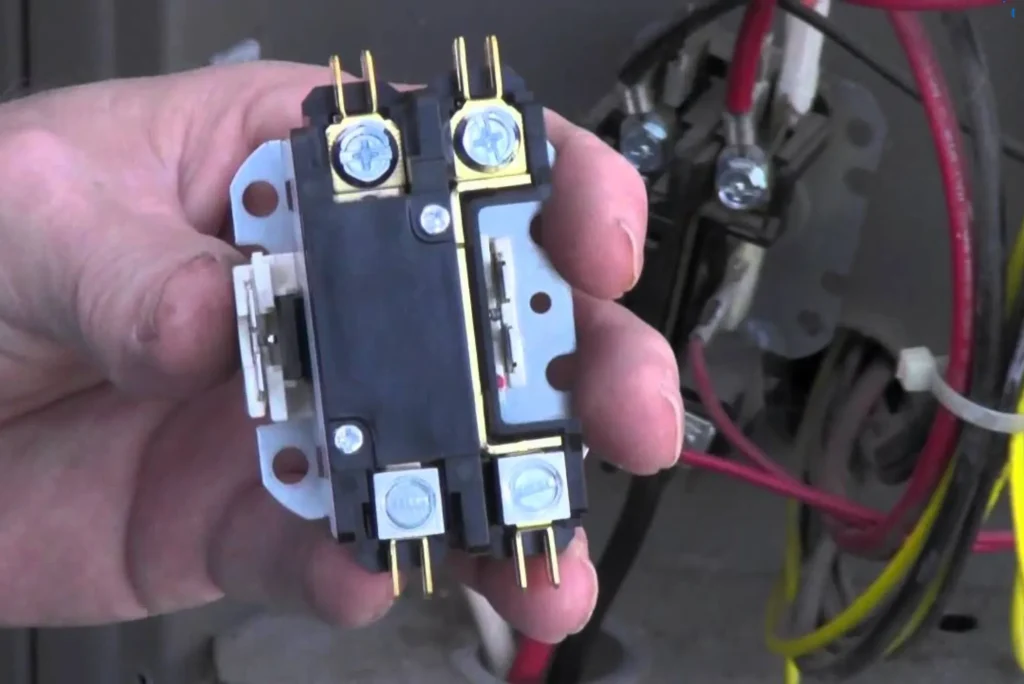
Is your air conditioner not turning on or making strange noises? The problem might be a faulty contactor.
Replacing the contactor can bring your AC back to life without calling a costly repair service. In this guide, you’ll learn simple steps to replace the contactor safely and quickly—even if you have little experience. Keep reading, and you’ll save time, money, and frustration by fixing your air conditioner yourself.
Signs Of A Faulty Contactor
Common symptomsof a faulty contactor include the air conditioner not starting or stopping suddenly. You might hear a buzzing or clicking noise from the unit. The unit may also run unevenly or not cool properly. Sometimes, the contactor can get very hot or show visible signs of burning or damage.
Safety risksare important to consider. A damaged contactor can cause electrical shorts or sparks. This can lead to fires or damage other parts of the air conditioner. Touching a faulty contactor without turning off power can cause electric shock. Always be careful and turn off the power before inspecting or fixing it.

Credit: www.reddit.com
Tools And Materials Needed
Essential tools help make the contactor replacement safe and easy. You will need a screwdriverto open the AC panel and a multimeterto test electrical parts. A wire stripperhelps prepare wires for connection. Use needle-nose pliersto handle small parts. Safety gear like insulated glovesprotects from electric shocks.
Replacement parts must match the AC model. The contactorscome in different sizes and ratings. Check the old contactor for specs before buying a new one. Also, have electrical tapeand wire nutsready to secure wire connections.
Preparing For The Replacement
Turn off the power to your air conditioner to ensure safety. Gather all necessary tools and the correct replacement contactor before starting the work. Double-check the model and specifications to match the new part with the old one.
Power Shutdown
Always turn off the main power to the air conditioner. This stops electricity flow and keeps you safe. Use a voltage tester to confirm no power is running. Never skip this step. It prevents electric shocks and damage to the unit.
Safety Precautions
- Wear insulated gloves to avoid electric shock.
- Use safety glasses to protect your eyes from debris.
- Work in a dry area to reduce slipping and electrical hazards.
- Keep tools organized to avoid accidents.
- Have a flashlight handy if the work area is dark.
Credit: www.familyhandyman.com
Locating The Contactor
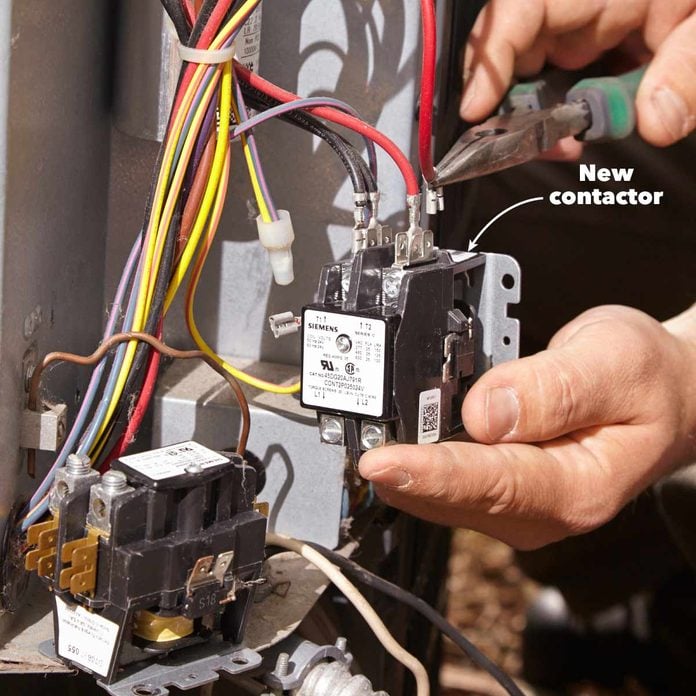
The contactor is usually found near the outdoor unit’s compressor. Look for a small box with wires connected to it. Identifying this part helps in safely replacing the contactor on your air conditioner.
Accessing The Unit
Start by turning off the power to the air conditioner. Remove the outer cover or panel carefully. This gives access to the internal parts. Look inside the unit near the contactor area. Use a flashlight if needed to see clearly.
Identifying The Contactor
The contactor looks like a small box with wires attached. It often has a coil and several metal contacts inside. Usually, it is located near the compressor or fan motor. The contactor controls the flow of electricity to these parts.
Removing The Old Contactor
First, turn off the power to the air conditioner to stay safe. Use a screwdriver to remove the panel covering the contactor. Notice how the wires connect to the contactor before disconnecting them. Use a marker or tape to label each wire for easy reattachment.
Carefully disconnect the wires from the contactor terminals. Do not pull on the wires; instead, use pliers if needed. After removing all wires, check that no power is left by testing with a voltage tester.
Unfasten the contactor from its mount using a screwdriver. Remove any screws or bolts holding it in place. Keep these screws safe for installing the new contactor later.
Installing The New Contactor
Place the new contactor carefully in the same spot as the old one. Make sure it fits snugly and does not move around. Use screws or clips to hold it firmly in place. A loose contactor can cause problems later.
Check all wires before reconnecting. Match each wire to its correct terminal on the contactor. Tighten the screws to secure the wires well. Loose wires can cause sparks or stop the unit from working.
- Use a screwdriver to tighten wire connections.
- Double-check wire colors and labels.
- Make sure no wires touch each other.
Testing The Air Conditioner
Before restoring power, ensure all tools are removed from the unit. Double-check that the contactor and wiring are secure. Turn the circuit breaker back on to restore electricity to the air conditioner. Watch for any unusual sounds or smells.
Verify operation by setting the thermostat to cooling mode. Listen for the compressor and fan to start running. Check if cool air flows from the vents. If the unit does not start, switch off the power and inspect connections again.
- Ensure the contactor clicks when power is restored.
- Look for the compressor and fan running smoothly.
- Confirm the air coming out is cool.
- Turn off power immediately if any issues appear.

Credit: www.stevejenkins.com
Troubleshooting Common Issues
No power to the unitcan happen due to several reasons. First, check the circuit breakeror fuse box. A tripped breaker or blown fuse stops power flow. Also, examine the power switchnear the unit. Sometimes it is turned off by mistake. Look for loose wiresor damaged cords which may block electricity. Use a multimeterto test voltage at the contactor. No voltage means the problem is before the contactor.
Contactor not engagingoften relates to coil issues. The coil might be burned outor have a broken wire. Dirt and debris can block the contactor from closing properly. Listen for a clicksound when the unit starts. No click means the contactor does not get the signal to close. Test the coil resistance with a multimeter; it should not read infinite or zero. Replace the contactor if damaged.
Tips For Longevity And Maintenance
Regularly check the contactor and wiring for signs of wearor damage. Look for burn marks, loose connections, or corrosion. Catching problems early helps avoid costly repairs. Use a multimeterto test electrical continuity.
Keep the air conditioner clean. Dust and debris can cause overheatingand damage the contactor. Use a soft brush or vacuum to remove dirt from the unit and components.
- Turn off power before inspections or cleaning.
- Replace worn or damaged parts promptly.
- Ensure proper electrical connections.
- Schedule professional check-ups yearly.
Preventive care extends the life of the contactor and AC system. Avoid overloading the unit by running it within its capacity. Use surge protectors to guard against electrical spikes.
Frequently Asked Questions
What Is A Contactor In An Air Conditioner?
A contactor controls electrical power flow to the AC compressor and fan. It acts like a switch, turning the unit on or off safely.
How Do I Know If My Ac Contactor Is Faulty?
Signs include the AC not starting, humming noise, or visible burn marks. A multimeter can test for electrical continuity to confirm.
Can I Replace An Ac Contactor Myself Safely?
Yes, if you have basic electrical knowledge and turn off power first. Always follow safety guidelines and use proper tools during replacement.
What Tools Are Needed To Replace An Ac Contactor?
You need a screwdriver, multimeter, wire stripper, and replacement contactor. Having electrical tape and safety gloves is also recommended.
Conclusion
Replacing a contactor on your air conditioner can seem tricky. But with clear steps, it’s manageable. Ensure safety first by turning off power. Gather necessary tools and follow instructions carefully. Check connections and ensure everything is secure. Test the unit to confirm it works properly.
Regular maintenance prevents future problems. By doing it yourself, you save money and learn valuable skills. Remember, patience is key. If uncertain, consult a professional for help. Keep your air conditioner in top shape for comfort during hot days. Enjoy a cool and peaceful home environment.