Are you wondering if you can still find recapped car tires on the market? Maybe you’ve heard mixed opinions about their quality and safety, and you’re not sure if they’re worth considering for your vehicle.
Understanding whether these tires are still made and if they’re a smart choice can save you money and keep you safe on the road. Keep reading to get clear answers and practical advice about recapped tires that could change the way you think about your next tire purchase.
Credit: commercial.bridgestone.com
History Of Recapped Tires
Recapped tires have been part of the tire industry for many years. They offer a way to reuse old tires by adding new tread.
This process helps save money and resources by extending tire life. Let’s explore the history of recapped tires.
Early Uses And Popularity
Recapped tires first gained popularity in the early 1900s. They became common for trucks and buses to reduce costs.
- Used mainly by commercial vehicles
- Helped conserve rubber during shortages
- Offered a cheaper alternative to new tires
- Widely adopted during World War II
Many drivers trusted recapped tires because they performed well on rough roads.
Technological Advances Over Time
Technology improved the quality and safety of recapped tires over the years. New methods made them more reliable.
| Year | Advance | Effect |
| 1920s | Manual Tread Application | Basic recapping, limited durability |
| 1950s | Vulcanization Process | Stronger bond between old and new tread |
| 1980s | Improved Rubber Compounds | Better grip and longer wear |
| 2000s | Computerized Inspection | Higher safety standards |
These advances helped recapped tires stay useful and safe for drivers over time.
Current Manufacturing Status
Recapped car tires are tires that have had new tread applied to worn casings. This process extends tire life and lowers costs. Many drivers wonder if these tires are still made today.
The current status of recapped tire production depends on demand and safety regulations. Some markets still use them, while others prefer new tires only.
Are Recapped Tires Still Produced?
Recapped tires are still produced but less commonly than before. Many countries limit their use for passenger cars due to safety concerns. They remain popular for trucks, buses, and off-road vehicles.
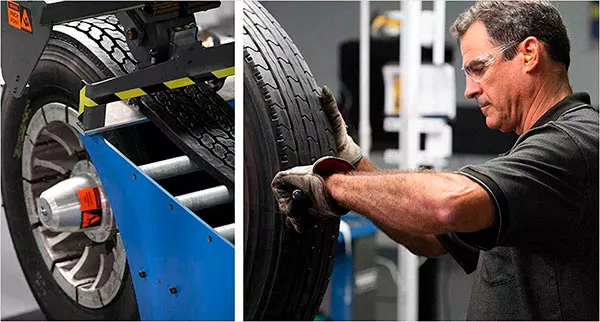
- Used tires are inspected for damage before recapping.
- Worn tread is removed carefully.
- New tread rubber is applied and cured.
- Final checks ensure durability and safety.
Key Manufacturers Today
Several manufacturers focus on recapped tires, mainly for commercial vehicles. They use modern technology to improve quality and safety.
| Manufacturer | Location | Specialty |
|---|---|---|
| Bandag | USA | Truck and bus tire retreading |
| Marangoni | Italy | High-quality retread for commercial tires |
| Kumho Tire | South Korea | Passenger and commercial tire retreading |
| Michelin | France | Focus on sustainable retread options |
Benefits Of Recapped Tires
Recapped tires are tires that have had new tread applied to their surface. Many drivers wonder if these tires are still made and used today. They offer several advantages worth knowing about.
This article highlights the main benefits of using recapped tires, focusing on how they save money and help the environment.
Cost Savings
Recapped tires are less expensive than new tires. This makes them a good option for people on a budget or those who want to reduce vehicle expenses.
- Recapped tires cost up to 50% less than new tires.
- They extend the life of the tire casing, reducing replacement frequency.
- They help drivers save money on fuel because they maintain proper tire pressure.
Environmental Impact
Using recapped tires reduces waste and pollution. It keeps old tires out of landfills and lowers the need for raw materials.
| Environmental Benefit | Details |
| Waste Reduction | Less tire waste in landfills |
| Resource Savings | Uses fewer new materials like rubber and oil |
| Lower Emissions | Reduces pollution from manufacturing new tires |
Credit: commercial.bridgestone.com
Risks And Limitations
Recapped car tires are made by adding new tread to used tire casings. This process can save money but carries some risks. It is important to understand these risks before choosing recapped tires.
Not all recapped tires meet the same safety or performance standards as new tires. This can lead to limitations in how well they work and how safe they are on the road.
Safety Concerns
Recapped tires may have hidden damage inside the casing. This damage can cause the tire to fail unexpectedly. The risk of blowouts or tread separation is higher compared to new tires.
- Weaker tire structure due to previous wear
- Potential for poor bonding between old casing and new tread
- Increased chance of tire failure under heavy loads or high speeds
- Less reliable performance in wet or icy conditions
Performance Compared To New Tires
Recapped tires do not perform as well as new tires. Their grip, handling, and braking may be reduced. This can affect driving safety and comfort.
| Feature | New Tires | Recapped Tires |
|---|---|---|
| Tread Life | Longer | Shorter |
| Traction | Better grip | Lower grip |
| Ride Comfort | Smoother | Less smooth |
| Safety | More reliable | Less reliable |
Alternatives To Recapped Tires
Recapped tires are older tires with new treads added. People wonder if they still make these tires today.
This article looks at other tire options that you can use instead of recapped tires.
New Tire Options
New tires are made from fresh materials and meet modern safety rules. They offer better grip and last longer than old tires.
There are many types of new tires. Some are for regular cars, and others are for trucks or off-road use.
- All-season tires work well in many weather conditions.
- Winter tires have special treads for snow and ice.
- Performance tires give better handling and speed.
Retreaded Vs. Recapped Tires
Retreaded tires get a new tread on a used tire casing. This process uses modern technology to make tires safe again.
Recapped tires are similar but often use older methods. They may not last as long or be as safe as retreaded tires.
- Retreaded tires are tested to meet safety standards.
- Recapped tires may have uneven tread and weaker bonds.
- Retreaded tires cost less than new tires but last longer than recapped ones.
How To Identify Recapped Tires
Recapped tires are used tires that have new tread added. They can save money but may look different from new tires.
Knowing how to spot recapped tires helps you make better buying choices. Look for signs on the tire surface and labels.
Visual Indicators
Recapped tires often show certain marks and textures. These help you tell them apart from new tires.
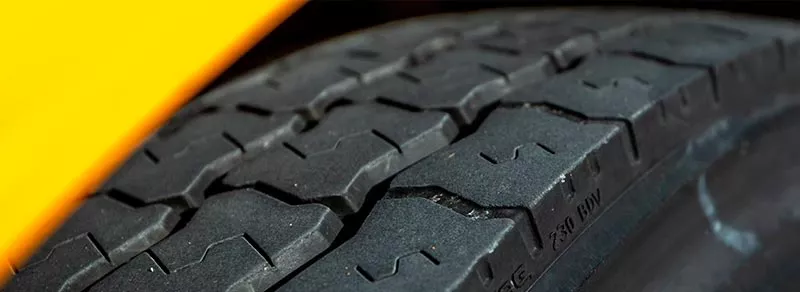
- Uneven tread surface or visible seams where the new tread meets the old tire.
- Different color or texture on the tread compared to the sidewall.
- Small bubbles or patches on the tire surface.
- Signs of previous wear on the sidewalls or inner tire.
- Sometimes a rough or grainy feel on the tread.
Labeling And Certification
Recapped tires must have labels or stamps to show they meet safety standards. These labels vary by country.
| Label Type | Meaning | Location on Tire |
| “Recap” or “Retread” Mark | Shows the tire has new tread added | Sidewall near the brand name |
| DOT Code with Special Letters | Indicates government certification | Sidewall, below tread area |
| Manufacturer’s Logo | Confirms the tire passed quality checks | Sidewall or tread area |
Maintenance Tips For Recapped Tires
Recapped tires can save money and extend tire life. Proper maintenance helps keep them safe and reliable.
This guide covers how to care for recapped tires and when to replace them for best results.
Proper Care
Clean your recapped tires regularly to remove dirt and debris. Check tire pressure every two weeks to keep it at the recommended level.
- Rotate tires every 5,000 miles to ensure even wear
- Inspect for cuts, cracks, or bulges on the tread and sidewall
- Avoid driving on rough roads or potholes when possible
- Keep your vehicle’s alignment and balance in check
- Store tires in a cool, dry place if not in use
When To Replace
Replace recapped tires if you notice any serious damage or wear. Using worn tires can be dangerous.
| Condition | Action |
| Deep cracks or sidewall bulges | Replace immediately |
| Tread depth less than 2/32 inch | Replace |
| Frequent air pressure loss | Inspect and possibly replace |
| Uneven or rapid tread wear | Check alignment, consider replacement |
| Visible separation of tread | Replace immediately |

Credit: www.reddit.com
Frequently Asked Questions
Do They Still Make Recapped Car Tires Today?
Yes, recapped car tires are still made and used. They offer a cost-effective, eco-friendly option for many drivers. However, their popularity varies by region and vehicle type.
Are Recapped Tires Safe For Everyday Driving?
Recapped tires can be safe if properly manufactured and inspected. Always buy from reputable sources and check for quality certifications to ensure safety on the road.
How Do Recapped Tires Compare To New Tires?
Recapped tires cost less but may have a shorter lifespan than new tires. They provide good performance for regular driving but aren’t ideal for high-speed or heavy-duty use.
Where Can I Buy Quality Recapped Tires?
Quality recapped tires are available at specialized tire shops and some online retailers. Look for sellers who offer warranties and follow industry safety standards.
Conclusion
Recapped car tires remain a viable option for budget-conscious drivers. They offer cost savings and reduce environmental impact. Many tire shops still provide recapping services. Check for quality and compatibility with your vehicle. Safety should always be your priority. Recapped tires can be a smart choice if done correctly.
Consider your driving needs and conditions. Explore options and consult experts. Make informed decisions for your car. Recapping can extend tire life and save money. Always ensure proper maintenance and regular checks. Keep your tires in good condition for a safe ride.