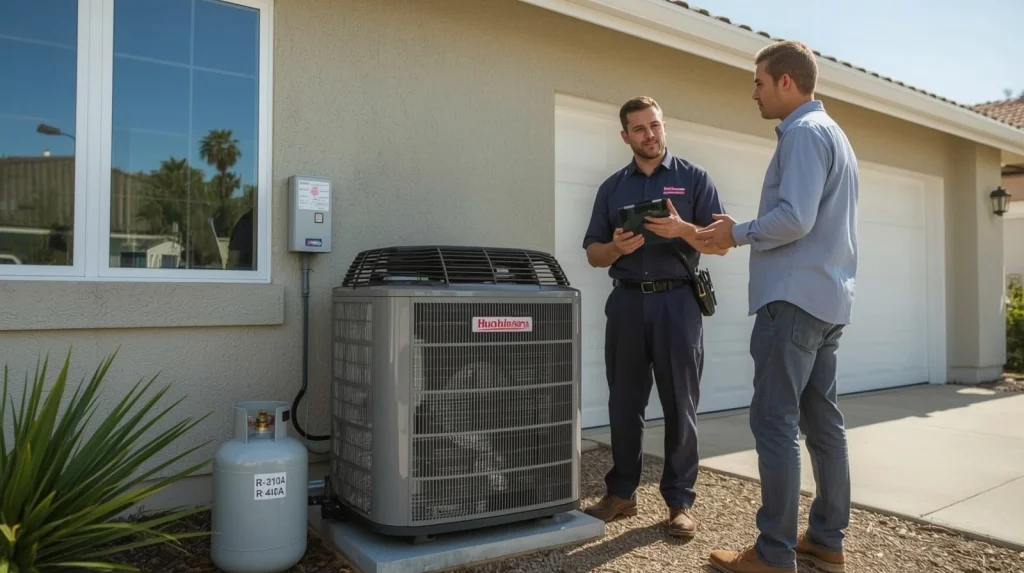
Have you ever wondered if your air conditioner uses gas inside your house? Understanding how your AC works can save you money and keep your home safe.
You might think it runs on gas like some heaters do, but the truth could surprise you. Keep reading to discover what powers your air conditioner, how it affects your energy bills, and what you should know to stay comfortable and worry-free all year round.
This simple knowledge will help you make smarter choices for your home and your wallet.
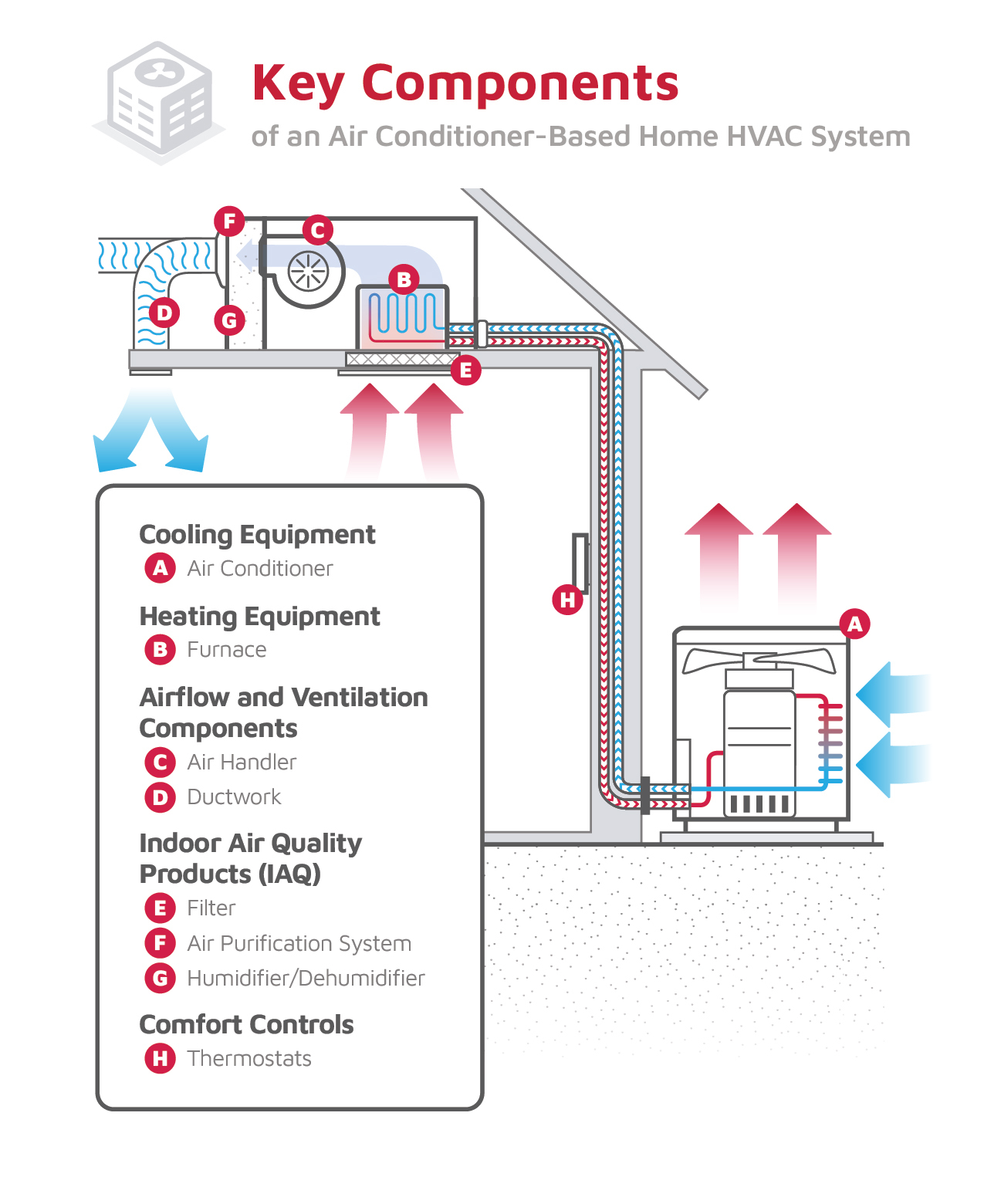
Credit: www.lennox.com
How Air Conditioners Work
Air conditioners cool your home by moving heat from inside to outside. They use a special process that changes warm air to cool air.
This process depends on parts that work together to keep your house comfortable during hot days.
Basic Cooling Process
The air conditioner uses a cycle to cool the air. It removes heat from inside your home and sends it outside.
- The warm air inside is drawn into the AC unit.
- The air passes over cold coils filled with refrigerant.
- The refrigerant absorbs the heat from the air.
- The cooled air is blown back into the room.
- The absorbed heat is released outside through another set of coils.
Role Of Refrigerants
Refrigerants are special fluids that carry heat in the air conditioner. They change from liquid to gas and back to liquid during the cooling cycle.
| State | Function |
| Liquid | Absorbs heat inside the house |
| Gas | Releases heat outside the house |
| Cycle | Repeats to keep cooling steady |
Types Of Air Conditioners
Air conditioners cool your home by removing heat from the air. Different types use different technology to do this. Some use gas as part of their cooling process, but not in the way gas stoves or heaters do.
Understanding the types of air conditioners helps you know if gas is involved. Let’s look at common types used in houses.
Central Air Systems
Central air systems cool the whole house using a network of ducts. They use a refrigerant gas inside the unit to absorb heat. This gas moves heat outside your home.
These systems do not burn gas for power. Instead, they usually run on electricity. The gas inside the system is sealed and only helps with heat transfer.
Window And Split Units
Window and split air conditioners also use refrigerant gas to cool the air. This gas flows through coils inside the unit to take heat out of your room.
Like central systems, these units do not use gas for fuel. They work using electricity to power the compressor and fans.
Portable Air Conditioners
Portable air conditioners use refrigerant gas to cool air in small spaces. They are easy to move and plug into a window for venting hot air outside.
These units also run on electricity. The gas inside helps remove heat but is not burned for energy.
Gas Usage In Air Conditioners
Air conditioners use special gases to cool the air inside your home. These gases help move heat from indoors to outdoors. People often wonder if these gases are dangerous or flammable.
Understanding the types of gases used in air conditioners can help you learn how safe these devices are. This guide explains the gases and if they use combustible gas.
Refrigerant Gases Explained
Air conditioners use refrigerant gases to absorb and release heat. These gases change from liquid to gas and back during cooling. The most common refrigerants today are safe and non-flammable.
- R-410A: A common, non-flammable gas used in new air conditioners.
- R-22: An older refrigerant being phased out for environmental reasons.
- R-134a: Used in some cooling systems, also non-flammable.
These gases are sealed inside the system. They do not mix with the air you breathe. If the system leaks, it should be repaired quickly to avoid harm.
Do Air Conditioners Use Combustible Gas?
Most air conditioners do not use combustible gas. Refrigerants are usually non-flammable to ensure safety. The cooling process does not involve burning fuel.
Some older or special systems might use gases that can burn. These are rare and used with safety controls. Home air conditioners are designed to avoid fire risks.
- Standard air conditioners use non-combustible refrigerants.
- No gas is burned inside the unit to create cool air.
- Electric power runs the compressor, not gas combustion.
- Leaks can be harmful but not usually flammable.

Credit: www.aljazeera.com
Safety And Environmental Impact
Air conditioners use refrigerant gases to cool your home. These gases help absorb heat and keep the air cool. It is important to understand the safety and environmental effects of these gases.
This article explains how refrigerant gases affect safety in your house and the environment outside.
Refrigerant Gas Safety
Refrigerant gases are mostly safe when used correctly. They are sealed inside the air conditioner system. If the system leaks, these gases can escape and cause problems.
- Leaks can cause breathing difficulties if inhaled in large amounts.
- Some refrigerants can cause frostbite if they touch the skin.
- Technicians must handle refrigerants with care and use protective gear.
- Regular maintenance helps prevent leaks and keeps the system safe.
Environmental Concerns
Refrigerant gases can harm the environment if released. Some types damage the ozone layer or increase global warming.
| Gas Type | Environmental Effect | Safety Tip |
| CFCs | Ozone layer depletion | Avoid use, banned in many countries |
| HCFCs | Moderate ozone damage | Use alternatives, recycle properly |
| HFCs | High global warming potential | Handle carefully, prevent leaks |
| Natural Refrigerants | Low environmental impact | Preferred choice for new systems |
Alternative Cooling Methods
Many people wonder if air conditioners use gas in homes. Most modern air conditioners use electricity, not gas. There are other ways to cool a house without using typical electric AC units.
Alternative cooling methods can save energy and reduce costs. These options work well in different climates and home types.
Evaporative Coolers
Evaporative coolers use water to cool the air. They pull hot air through wet pads. The air cools down as water evaporates.
This method works best in dry climates. It uses less energy than traditional air conditioners. It also adds moisture to dry air.
- Uses water evaporation to cool air
- Best for dry and hot areas
- Consumes less electricity
- Increases indoor humidity
Gas-powered Air Conditioners
Some air conditioners run on natural gas instead of electricity. These gas-powered units cool the air using a gas engine or absorption cycle.
They are less common but can be useful where gas is cheaper than electricity. Gas AC units may reduce electric bills but still need proper ventilation.
- Uses natural gas as fuel
- Can lower electric energy use
- Needs special installation and vents
- Less common than electric AC units

Credit: coastalhomeservicesinc.com
Maintaining Your Air Conditioner
Keeping your air conditioner in good shape helps it run smoothly. Regular care can save money and extend its life.
This guide covers two key ways to maintain your air conditioner: regular servicing and checking refrigerant levels.
Regular Servicing
Regular servicing prevents breakdowns and keeps your AC efficient. A technician can clean parts and check for problems.
- Clean or replace filters monthly
- Check the thermostat settings
- Inspect electrical connections
- Clean coils and fins
- Clear the drain channels
Checking Refrigerant Levels
The refrigerant cools the air inside your home. Low levels can cause poor cooling and damage the system.
| Issue | Cause | Effect |
| Low refrigerant | Leak or undercharge | Less cooling, higher bills |
| High refrigerant | Overcharge | Compressor damage |
| Normal level | Proper charge | Efficient cooling |
Frequently Asked Questions
Does A Home Air Conditioner Use Gas For Cooling?
No, typical home air conditioners use electricity, not gas, to cool indoor air. They rely on refrigerants to absorb and release heat efficiently.
What Type Of Gas Is In An Air Conditioner?
Air conditioners contain refrigerant gases like R-410A or R-32. These gases help transfer heat and cool your home effectively.
Can Gas Leaks Occur In Air Conditioners?
Yes, refrigerant leaks can happen if the system is damaged or poorly maintained. Regular checks help prevent leaks and maintain efficiency.
Do Gas-powered Air Conditioners Exist For Homes?
Gas-powered air conditioners are rare for residential use. Most home units run on electricity, while gas cooling is more common in commercial systems.
Conclusion
Air conditioners don’t use gas inside the house. They use electricity. The system’s refrigerant circulates, cooling air efficiently. Regular maintenance ensures optimal performance. Clean filters and check refrigerant levels. This helps your AC work well. Understand your system’s needs for longevity.
Energy bills stay manageable with proper care. Environmental impact remains low with efficient systems. Make informed choices for a comfortable home climate. Your AC’s operation impacts comfort and costs. Simple steps make a big difference. Keep your house cool and efficient.
Enjoy a comfortable, cool home without worries.