Have you ever wondered if your air conditioner does more than just cool your room? You might feel the air is fresher and less sticky, but does your AC actually remove moisture from the air?
Understanding whether your air conditioner dehumidifies can change how you use it, especially on hot, muggy days. Keep reading to discover the surprising truth about your AC’s role in controlling humidity and how it can impact your comfort and health.
This knowledge will help you make smarter choices for your home environment.
How Air Conditioners Work
Air conditioners cool your home by removing heat from the indoor air. They also reduce moisture, making the air feel more comfortable.
Understanding how air conditioners work helps explain their role in both cooling and dehumidifying your space.
Cooling Process Basics
Air conditioners use a cycle to cool the air inside your home. Warm air from the room passes over cold coils.
The cold coils absorb heat from the air. This removes warmth and cools the air before it returns to the room.
Role Of Refrigerant
Refrigerant is a special fluid inside the air conditioner. It absorbs heat from indoor air and releases it outside.
The refrigerant changes between liquid and gas as it moves through the system. This change helps carry heat away.
Airflow And Temperature Control
A fan moves air over the cold coils to cool it. This cooled air circulates in your room to lower the temperature.
Thermostats control when the air conditioner turns on and off. This keeps the room at the temperature you set.
Air Conditioners And Humidity
Air conditioners cool indoor air by removing heat. They also affect moisture in the air. Understanding how they manage humidity helps you keep your home comfortable.
Many people wonder if air conditioners can reduce humidity. The answer lies in how these systems work and their design.
Moisture Removal Mechanism
Air conditioners remove moisture by cooling air below its dew point. This causes water vapor to condense on cold surfaces inside the unit.
- Warm air enters the air conditioner.
- Air passes over cold evaporator coils.
- Moisture in the air condenses on the coils.
- Condensed water drains out of the system.
- Drier and cooler air returns to the room.
Effect On Indoor Humidity Levels
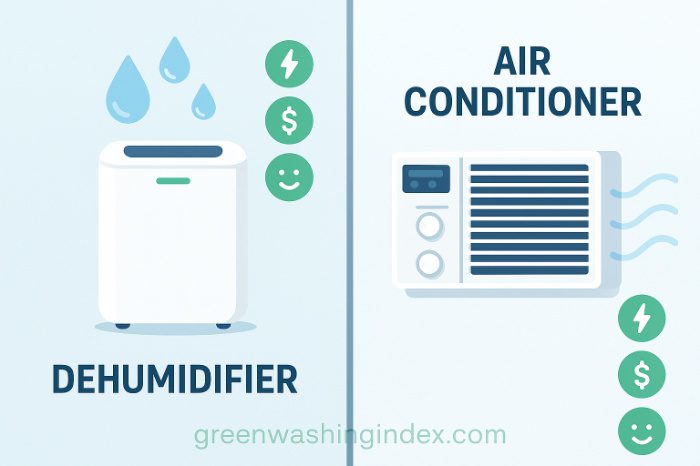
Air conditioners reduce indoor humidity but not as much as dedicated dehumidifiers. The moisture removal depends on the temperature setting and run time.
| Factor | Effect on Humidity |
| Cooler Temperature Setting | More moisture removed |
| Short Run Time | Less moisture removed |
| High Outdoor Humidity | Indoor humidity remains higher |
| Proper Drainage | Efficient moisture removal |
Difference Between Cooling And Dehumidifying
Cooling lowers the air temperature. Dehumidifying lowers the moisture level in the air. Air conditioners do both but focus mainly on cooling.
- Cooling removes heat from the air.
- Dehumidifying removes water vapor from the air.
- Dedicated dehumidifiers focus only on moisture removal.
- Air conditioners remove moisture as a side effect.
- Dehumidifiers work better in cooler temperatures without changing heat.
Types Of Air Conditioners
Air conditioners cool indoor air by removing heat and moisture. Different types of air conditioners do this in different ways.
Some models remove more humidity than others. Knowing the types helps you understand how they dehumidify.
Central Air Systems
Central air systems cool entire homes. They use ducts to send cooled air to rooms.
These systems remove moisture by cooling warm air. The moisture condenses on coils and drains away.
Window Units
Window air conditioners cool single rooms. They fit in a window or a wall opening.
Window units also remove humidity. The warm air passes over cold coils, and moisture collects inside the unit.
Portable Air Conditioners
Portable air conditioners can move from room to room. They have a hose to vent hot air outside.
These units also reduce humidity. Moisture collects in a tank or drains through the hose.
Dehumidifier-integrated Models
Some air conditioners combine cooling and dehumidifying features. They target moisture removal more than regular units.
These models use advanced controls to keep humidity at a comfortable level. They are good for very humid spaces.

Credit: www.duracomfort-life.com
Limitations In Dehumidification
Air conditioners can reduce humidity inside a room, but they have limits. They mainly cool the air, which helps remove some moisture.
Still, air conditioners do not always keep humidity at comfortable levels. Understanding their limits helps decide when extra help is needed.
When Acs Struggle With High Humidity
Air conditioners work best in moderate humidity. When humidity is very high, they cannot remove enough moisture. This happens because AC units focus more on cooling than drying the air.
- ACs cool air by passing it over cold coils.
- Moisture condenses on the coils and drips away.
- High humidity adds too much moisture to remove quickly.
- The AC keeps running but feels less effective.
- Rooms can stay damp and uncomfortable.
Impact Of Temperature Settings
| Temperature Setting | Effect on Humidity |
| Lower temperature (cooler) | More moisture removed but energy use rises |
| Higher temperature (warmer) | Less moisture removed, less cooling |
| Very low temperature | Can cause overcooling and discomfort |
Setting the AC temperature affects how much moisture it removes. Too warm means less dehumidification. Too cold can waste energy and make rooms too chilly.
Why Separate Dehumidifiers May Be Needed
Sometimes ACs cannot keep humidity low enough. A dehumidifier is designed only to remove moisture. It works better in very humid places.
- Removes moisture without cooling the air
- Maintains steady humidity levels
- Uses less energy for drying
- Works well with AC for comfort
Benefits Of Ac Dehumidification
Air conditioners do more than cool the air. They also remove moisture. This process is called dehumidification.
Removing moisture helps improve indoor air quality and comfort. It also protects your home and lowers energy costs.
Improved Comfort
High humidity makes rooms feel hotter. When an AC removes moisture, the air feels cooler and fresher. This helps you stay comfortable without turning the temperature too low.
Preventing Mold And Mildew
Excess moisture leads to mold and mildew growth. These fungi cause bad smells and can damage walls and furniture. Dehumidification helps keep mold away by lowering humidity levels.
- Reduces health risks from mold spores
- Protects paint and wood surfaces
- Prevents musty odors indoors
- Keeps fabrics dry and fresh
Energy Efficiency Considerations
| Benefit | Effect on Energy Use |
| Lower Humidity | Allows higher thermostat settings |
| Less Air Conditioning | Reduces cooling load |
| Improved Air Flow | Enhances system performance |
| Comfort Maintenance | Decreases run time |
By removing moisture, air conditioners can cool more efficiently. You can set your thermostat higher and still feel comfortable. This saves energy and lowers utility bills.

Credit: www.nytimes.com
Tips To Enhance Dehumidification
Air conditioners can help reduce humidity in your home. They remove moisture from the air as they cool.
There are ways to make your air conditioner dehumidify better. These tips help keep your space dry and comfortable.
Proper Maintenance
Clean and maintain your air conditioner regularly. Dirty filters and coils reduce its ability to remove moisture.
Check and replace air filters every month or as needed. Clean the evaporator coils to improve airflow and cooling.
- Clean or replace air filters monthly
- Clear debris around outdoor units
- Schedule yearly professional check-ups
- Keep evaporator coils clean
Optimal Thermostat Settings
Set your thermostat to a comfortable but not too low temperature. Very low settings can freeze coils and stop dehumidifying.
Use a thermostat with a fan setting. Running the fan after cooling helps remove extra moisture from the air.
- Keep temperature between 72°F and 78°F
- Use the fan setting to run air circulation
- Avoid setting temperature too low
Using Fans And Ventilation
Use fans to help move air and speed up moisture removal. Ceiling fans and portable fans improve air flow.
Ventilate your home by opening windows or using exhaust fans. This helps reduce indoor humidity by letting moist air escape.
- Turn on ceiling or portable fans
- Open windows when weather is dry
- Use kitchen and bathroom exhaust fans
- Avoid blocking air vents
Credit: www.greenwashingindex.com
Frequently Asked Questions
Do Air Conditioners Remove Humidity From The Air?
Yes, air conditioners remove humidity by cooling air and condensing moisture. This process lowers indoor humidity levels effectively.
How Does An Air Conditioner Dehumidify A Room?
Air conditioners cool air, causing moisture to condense on coils. This condensed water drains away, reducing room humidity.
Can Air Conditioners Replace A Dehumidifier Completely?
Air conditioners reduce humidity but may not match dedicated dehumidifiers. Dehumidifiers are more efficient in very humid conditions.
Does Running An Air Conditioner Lower Indoor Humidity?
Yes, running an air conditioner naturally lowers indoor humidity by extracting moisture from the air during cooling.
Conclusion
Air conditioners do help in reducing humidity. They cool and remove moisture. This makes indoor air more comfortable. But, their main job is cooling. So, sometimes a dehumidifier is needed too. This is especially true in very humid places. Choosing the right device can improve comfort.
It also helps in maintaining a healthy home environment. Remember, a balanced indoor climate is key. It enhances living conditions and protects your home. Always consider both cooling and dehumidifying needs. Doing so ensures optimal comfort and efficiency.