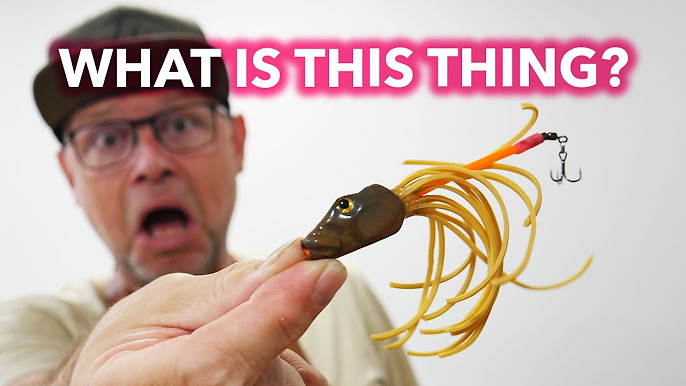
Have you ever wondered how to make fishing lures that actually catch fish? Imagine using your own handmade lure, tailored to attract the exact fish you want.
Not only does this save you money, but it also gives you a unique edge on the water. In this guide, you’ll discover simple steps to create effective fishing lures right at home. By the end, you’ll feel confident crafting your own tools that can turn any fishing trip into a success.
Ready to reel in more fish with lures you made yourself? Let’s get started.
Choosing Materials
Making your own fishing lure is a fun project. Picking the right materials is very important.
Good materials help your lure work well and last longer in water.
Types Of Lure Materials
You can use wood, plastic, or metal to make fishing lures. Each has its own benefits.
- Wood is easy to shape and floats well.
- Plastic is lightweight and can be molded into many shapes.
- Metal is strong and sinks quickly.
Selecting Hooks And Eyes
Hooks must be sharp and strong to catch fish. Eyes help make the lure look real.
Choose hooks that fit your lure size. Use plastic or glass eyes for better appearance.
- Use rust-resistant hooks for durability.
- Match hook size to the fish you want to catch.
- Glue eyes securely to avoid loss in water.
Paints And Finishes
Paints add color and patterns to your lure. Finishes protect it from water and damage.
Use waterproof paint and clear sealant. This keeps your lure looking good longer.
- Choose bright colors to attract fish.
- Use fine brushes for detailed patterns.
- Apply several layers of finish for strength.

Credit: www.youtube.com
Designing Your Lure
Designing a fishing lure is a creative step in making your own fishing gear. The shape, movement, and colors can help catch more fish.
Each part of the lure plays a role in attracting fish. You need to think about how it looks and moves in the water.
Deciding On Shape And Size
The shape of your lure affects how it moves and what fish it attracts. Small lures work for small fish, big lures attract bigger fish.
Choose a shape that matches the fish you want to catch. Some shapes look like small fish, while others look like bugs or worms.
- Long and thin shapes mimic small baitfish
- Round shapes can look like frogs or insects
- Flat shapes may flutter or slide in the water
- Size depends on the fish species and water conditions
Incorporating Movement Features
Movement helps make your lure look alive. Fish notice lures that swim, wiggle, or flash in the water.
Add parts like joints, lips, or feathers to create action. These parts change how the lure moves when pulled.
- Joints let the lure bend and swim naturally
- Lips on the front cause diving or wobbling
- Feathers or skirts add extra flutter and shine
- Hooks can be placed to allow free movement
Color Patterns That Attract Fish
Colors help fish see your lure in different water types. Bright colors work well in murky water, natural colors suit clear water.
Use patterns that look like real prey or create contrast to stand out. Fish react to both subtle and bold colors depending on conditions.
- Silver and white mimic small baitfish scales
- Green and brown match plants and insects
- Bright colors like red or chartreuse catch attention
- Striped or spotted patterns add realism
Crafting The Body
Making the body of a fishing lure is an important part of the process. The body shape affects how the lure moves in water.
This section explains how to cut, shape, and prepare the lure body for assembly and finishing.
Cutting And Shaping Techniques
Start with a block of wood or plastic for the lure body. Use a saw to cut the rough shape you want.
Shape the body with knives or carving tools. Make sure to create curves that help the lure swim well.
- Cut slowly to keep control
- Use different tools for detailed shaping
- Keep the shape balanced for good movement
Assembling Components
After shaping, attach parts like hooks, eyes, and lips to the body. These parts help the lure work properly.
Use strong glue or small screws to fix the components. Make sure everything fits tightly and stays in place.
- Position hooks where fish will bite
- Attach eyes for a realistic look
- Secure lips to control lure movement
Sanding And Smoothing
Sanding removes rough edges and makes the body smooth. Use fine sandpaper for the best finish.
Smooth surfaces help paint stick better and make the lure look good. Take time to sand all sides evenly.
- Start with coarse sandpaper
- Finish with fine or extra fine sandpaper
- Check for rough spots and sand again
Painting And Detailing
Painting and detailing give your fishing lure a lifelike look. This step makes the lure more attractive to fish.
Good painting helps the lure stand out in the water. Details like colors and patterns add realism.
Base Coating Tips
Start with a smooth, even base coat on the lure. This makes the top paint stick better and look cleaner.
Use spray paint or airbrush for the best coverage. Let each coat dry fully before adding the next.
- Clean the lure surface well before painting
- Apply thin, even layers
- Let paint dry completely between coats
- Use white or light colors for bright finishes
Adding Realistic Finishes
Use fine brushes or airbrush to add patterns and details. Realistic colors and shapes attract more fish.
Add eyes, scales, and shading for a natural look. Reflective or metallic paints can imitate fish skin.
- Paint small scales with a fine brush
- Add shading for depth and shape
- Use metallic or pearlescent paints for shine
- Paint eyes carefully for realism
Sealing For Durability
Seal your painted lure with a clear coat. This protects the paint from water and scratches.
Choose a durable, waterproof sealer. Apply several thin coats and let each dry fully.
- Use clear epoxy or polyurethane sealers
- Apply thin, even layers to avoid drips
- Allow full drying time between coats
- Test the lure in water after sealing
Attaching Hardware
Attaching hardware is a key step in making a fishing lure. It helps the lure work well and catch fish.
Properly fixed parts keep the lure strong and balanced in water.
Securing Hooks Safely
Hooks must be attached tightly to avoid losing fish. Use strong knots or split rings to fix hooks. Check that hooks do not move freely.
Adding Split Rings And Swivels
Split rings and swivels connect hooks and lure bodies. They add flexibility and reduce tangles. Choose the right size for your lure.
- Open the split ring with pliers
- Slide it onto the hook eye or lure loop
- Close the ring tightly to hold parts in place
- Attach swivels between line and lure if needed
Balancing Your Lure
Balance helps the lure swim naturally. Add weight or adjust hardware position to fix balance issues.
| Balance Issue | Fix |
| Lure tips up | Add weight to the front |
| Lure tips down | Shift hardware backward |
| Lure spins | Use swivels or adjust split rings |

Credit: www.battlbox.com
Testing And Adjusting
Testing your fishing lure is an important step. It helps you see how the lure moves in water. Adjusting the lure after testing makes it more effective.
Careful testing and tuning can improve the lure’s action. Fixing common problems keeps the lure working well.
Water Test Techniques
Test your lure in still water first. Watch how it swims and moves. Try different retrieval speeds to see its action. Use a clear container or a small pool for testing.
- Check if the lure floats, sinks, or suspends
- Look for smooth, natural swimming motion
- Note if the lure wobbles or spins too much
- Try casting in open water to test distance and stability
Tuning For Better Action
Tuning your lure changes how it moves. Small changes can make a big difference. You can bend the hooks or adjust the weight to improve action.
| Adjustment | Effect |
| Bend the front hook slightly outward | Wider wobble in water |
| Add small weights inside lure | Deeper diving action |
| Trim plastic lips | Faster swimming speed |
| Straighten hooks | Smoother, straighter run |
Troubleshooting Common Issues
If your lure does not swim right, check these common problems. Fixing them will improve performance.
- Lure spins or flips: Adjust hook angles and balance weight
- Lure sinks too fast: Remove some weight or add buoyant material
- Lure swims too shallow: Increase lip size or add weight
- Lure does not attract fish: Change colors or add scent
Storing And Maintaining
Taking care of your fishing lures helps them last longer. Proper storage and maintenance keep them in good shape.
This guide covers how to store, clean, and repair your fishing lures to keep them ready for your next trip.
Proper Storage Methods
Store lures in a dry place to avoid rust and damage. Use tackle boxes or small containers to keep them organized.
- Use compartments to separate different lure types
- Keep lures away from direct sunlight
- Store soft baits in sealed plastic bags
- Dry lures completely before storing
- Avoid overcrowding to prevent tangling
Cleaning After Use
Clean lures after every fishing trip to remove dirt and salt. This prevents corrosion and keeps colors bright.
| Cleaning Step | Method |
| Rinse | Use fresh water to wash off salt and dirt |
| Scrub | Use a soft brush for stubborn debris |
| Dry | Pat dry with a cloth and air dry fully |
| Lubricate | Apply light oil on metal parts to prevent rust |
Repairing Damages
Fix small damages to extend lure life. Replace hooks and repair paint chips quickly.
- Replace rusty or bent hooks
- Use waterproof glue for loose parts
- Touch up chipped paint with model paint
- Check split rings for strength and replace if weak

Credit: www.battlbox.com
Frequently Asked Questions
What Materials Are Needed To Make A Fishing Lure?
To make a fishing lure, you need wood or plastic, hooks, paint, and eyes. Additional items include glue, wire, and split rings. These materials help create a durable and attractive lure that mimics real bait effectively.
How Do You Shape A Homemade Fishing Lure?
Use a carving knife or rotary tool to shape wood or plastic. Sand the surface smooth for better paint adhesion and realistic texture. Proper shaping ensures the lure moves naturally in water, attracting more fish.
What Types Of Paint Work Best On Fishing Lures?
Acrylic or enamel paints are ideal for fishing lures. They adhere well to wood or plastic and resist water damage. Finish with a clear waterproof sealant to protect the paint and enhance lure durability.
How Can I Make My Fishing Lure More Attractive?
Add reflective eyes, bright colors, and realistic patterns to your lure. Use glitter or metallic paint to mimic fish scales. These details increase visibility and entice fish to strike, improving your catch rate.
Conclusion
Crafting your own fishing lures is both fun and rewarding. You gain control over colors, shapes, and sizes. This can attract different fish. Experimenting with materials opens up endless possibilities. Plus, handmade lures can save money. And add a personal touch to your fishing gear.
Start simple and build your skills over time. Each lure you make is a step toward better fishing adventures. Enjoy the process. Let creativity lead your way. Happy fishing!