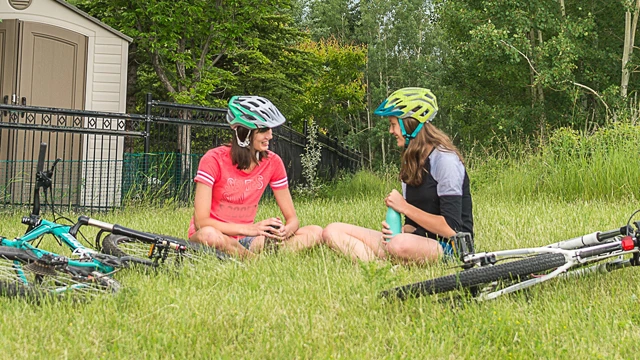
Are you thinking about hopping on your bike for a quick ride or a long adventure? You might be wondering, “Do I really need a helmet?” It’s a question that seems simple but has a big impact on your safety.
What if the choice you make right now could protect you from serious injury? This article will help you understand why wearing a helmet isn’t just a rule—it’s a smart move that keeps you safe every time you ride. Keep reading to discover the facts that could change how you think about biking forever.

Credit: www.bike-sfl.at
Helmet Laws By Region
Helmet laws for bike riders vary widely around the world. Some places require helmets for all riders, while others have no rules at all.
Knowing the rules in your area helps keep you safe and avoid fines. This guide explains helmet laws by region.
Countries With Mandatory Helmet Laws
Many countries require all bike riders to wear helmets. These laws aim to reduce head injuries in accidents.
- Australia requires helmets for all cyclists nationwide.
- New Zealand enforces helmet use for all ages.
- Spain mandates helmets outside urban areas.
- Chile has strict helmet laws for all riders.
- Israel enforces helmet use for all bicycle riders.
Areas With No Helmet Requirements
Some places do not have any laws about bike helmets. Riders can choose to wear helmets or not.
- Netherlands is known for no helmet laws but has safe bike paths.
- Denmark does not require helmets but encourages their use.
- Many parts of the United States have no statewide helmet law.
- Germany allows helmet use but does not require it.
Age-specific Helmet Rules
Many regions require helmets only for children or young riders. Adults may not have to wear helmets.
| Region | Helmet Requirement |
|---|---|
| United States (most states) | Helmets required for riders under 18 |
| United Kingdom | No helmet laws for any age, but recommended for children |
| Canada (varies by province) | Helmets required for children under 18 in most provinces |
| South Africa | Helmets required for riders under 16 |
Benefits Of Wearing A Helmet
Wearing a helmet is important for bike riders. It helps keep your head safe in case of a fall or crash.
Helmets can reduce injuries and make your ride safer. Here are some key benefits of wearing one.
Protection Against Head Injuries
A helmet protects your skull and brain by absorbing the impact in a crash. It acts as a shield against hard surfaces.
Without a helmet, even a small accident can cause serious head injuries or brain damage.
Reducing Severity Of Accidents
Helmets lower the chance of severe injuries. They reduce the force of a crash on your head.
- Helmets protect the skull from cracks and fractures.
- They help prevent concussions by cushioning the brain.
- Helmets can save lives in serious accidents.
Improved Visibility And Safety
| Helmet Feature | Safety Benefit |
| Bright colors | Make you more visible to drivers |
| Reflective strips | Increase visibility in low light |
| Built-in lights | Enhance safety at night |
Many helmets come with bright colors or reflective parts. These features help drivers see you on the road.
Risks Of Riding Without A Helmet
Riding a bike without a helmet can cause serious injuries. The head is very vulnerable during accidents.
Wearing a helmet reduces the risk of brain injury and protects your life. Knowing the risks helps you stay safe.
Increased Chance Of Traumatic Brain Injury
Bikers who do not wear helmets have a much higher risk of traumatic brain injury (TBI). These injuries can lead to long-term problems or death.
- Helmets absorb shock and reduce impact.
- Without a helmet, the skull is more likely to crack.
- Brain injuries can cause memory loss and disability.
- Helmets improve survival rates in crashes.
Legal And Financial Consequences
Not wearing a helmet can lead to fines or legal trouble in many places. The costs after an accident can be very high.
| Consequence | Description |
| Fines | Many states require helmets by law and fine riders without them. |
| Medical Bills | Brain injuries need expensive hospital care and therapy. |
| Insurance Issues | Insurance may not cover damages if helmet laws are broken. |
| Lost Work | Injuries can cause long time off work and lost income. |
Impact On Emergency Services
Riding without a helmet often leads to more serious injuries. This puts extra pressure on emergency teams and hospitals.
Here are ways helmet use affects emergency services:
- More helmeted riders recover faster, reducing hospital stays.
- Unhelmeted riders need longer emergency care and ICU time.
- Helmets lower the demand for emergency resources during crashes.
- Less strain on ambulance crews means faster help for others.

Credit: www.safetyandhealthmagazine.com
Choosing The Right Helmet
Wearing a helmet keeps you safe while riding a bike. Picking the right helmet is important for protection and comfort.
This guide helps you understand different helmets, how to fit them, and safety standards to look for.
Helmet Types And Features
Helmets come in many styles. Each type fits different riding needs and offers various features.
- Road helmets are light and well ventilated for speed.
- Mountain bike helmets have more coverage and visors for rough trails.
- Urban helmets focus on comfort and style for city riding.
- Full-face helmets provide full head protection for high-risk rides.
- Kids’ helmets are smaller with bright colors and fun designs.
Proper Fit And Comfort
A helmet must fit snugly without feeling tight. Comfort encourages you to wear it every time.
| Fit Factor | How to Check |
| Snug Fit | Helmet should not move when you shake your head. |
| Level | Wear the helmet level, not tilted back or forward. |
| Straps | Adjust side and chin straps to hold helmet firmly. |
| Padding | Check for soft padding that does not cause pressure points. |
| Ventilation | Good airflow keeps your head cool. |
Certification And Safety Standards
Look for helmets that meet safety standards. Certified helmets protect better in crashes.
Common safety certifications include:
- DOT (Department of Transportation) – Required in the USA for bike helmets.
- CPSC (Consumer Product Safety Commission) – Ensures helmets meet safety rules.
- Snell – A higher safety standard for strong impact protection.
- EN 1078 – European safety standard for bike helmets.
Helmet Maintenance Tips
Wearing a helmet keeps you safe while riding a bike. Taking care of your helmet helps it last longer and work better.
Follow these simple tips to clean, store, and check your helmet for damage. Know when to replace it to stay protected.
Cleaning And Storage
Keep your helmet fresh by cleaning it regularly. Use mild soap and warm water. Avoid strong chemicals that can weaken the material.
- Remove the padding and wash it by hand.
- Use a soft cloth to clean the shell.
- Let the helmet air dry in a cool place.
- Store it away from direct sunlight and heat.
- Keep it in a dry spot to prevent mold and mildew.
When To Replace Your Helmet
Helmets do not last forever. Replace yours after a crash or if it shows signs of wear. Most manufacturers suggest replacing every five years.
| Reason to Replace | Details |
| After a Crash | Helmet may have hidden damage. |
| Visible Damage | Cracks, dents, or broken straps. |
| Age | Older than five years loses protection. |
| Fit Issues | Helmet no longer fits snugly. |
Inspecting For Damage
Check your helmet often. Look inside and outside for cracks or dents. Make sure the straps and buckles work well.
- Run your fingers over the shell for cracks.
- Look inside for foam damage or compression.
- Test the straps to see if they hold tightly.
- Replace any worn or broken parts immediately.
Helmet Myths Debunked
Many people believe things about bike helmets that are not true. These myths can stop riders from wearing helmets. It is important to know the facts to stay safe.
This article clears up common wrong ideas about helmets. Knowing the truth helps you make smart choices when riding a bike.
Helmets Limit Visibility Or Hearing
Some think helmets block your view or make it hard to hear sounds around you. Good helmets are made to keep your sight clear and let you hear well.
Helmet designs leave space for your eyes and ears. They do not cover too much of your head. This keeps you aware of your environment.
- Helmets have open areas near the eyes for wide vision.
- They do not cover ears tightly, so you can hear traffic.
- Wearing a helmet does not reduce your ability to look around.
Helmets Are Uncomfortable
Many riders say helmets feel hot or tight. Modern helmets use lightweight materials and vents. These features keep your head cool and comfortable.
You can adjust most helmets to fit well. A good fit means the helmet stays in place without pressing hard on your head.
- Look for helmets with air vents for better airflow.
- Use adjustable straps to find a snug fit.
- Try different helmet sizes to find your comfort level.
Helmets Are Only Needed For Kids
Some people think only children should wear helmets. Actually, helmets protect riders of all ages. Adults face the same risks in accidents as kids do.
Wearing a helmet reduces serious injuries for everyone. It is a smart choice for all bike riders, no matter their age.
- Adults can get head injuries too during crashes.
- Helmets lower the chance of brain injury for all riders.
- Wearing a helmet shows you care about safety.
Alternatives And Supplements To Helmets
Wearing a helmet is important for bike safety. Some people look for other ways to stay safe while riding. There are extra tools and habits that can help protect bikers.
This article shares ideas about safety gear, good riding habits, and community changes that keep riders safer.
Protective Gear Beyond Helmets
Helmets protect your head, but other gear can protect your body. Wearing gloves helps keep your hands safe in case of a fall. Knee and elbow pads reduce injuries to joints.
Bright clothing and reflective gear make you easier to see. This helps drivers notice you, especially in low light or bad weather.
- Gloves protect hands from scrapes and cold
- Knee and elbow pads reduce joint injuries
- Bright and reflective clothes improve visibility
- Sturdy shoes protect feet and improve control
Bike Safety Practices
Good habits make riding safer. Always check your bike before you ride. Look at the brakes, tires, and lights to make sure they work well.
Follow traffic rules and use hand signals to show turns. Riding where drivers expect you lowers the chance of accidents.
- Inspect your bike before every ride
- Use hand signals to show your moves
- Ride with traffic, not against it
- Wear bright clothes and use bike lights
Community And Infrastructure Improvements
Communities can help bikers by building safer roads. Bike lanes keep riders away from cars. Well-lit streets improve safety at night.
Local groups can teach bike safety and encourage more people to ride safely. This support helps reduce accidents and injuries.
- Build and maintain bike lanes
- Install street lights on bike paths
- Offer bike safety classes and events
- Promote safe riding rules in communities
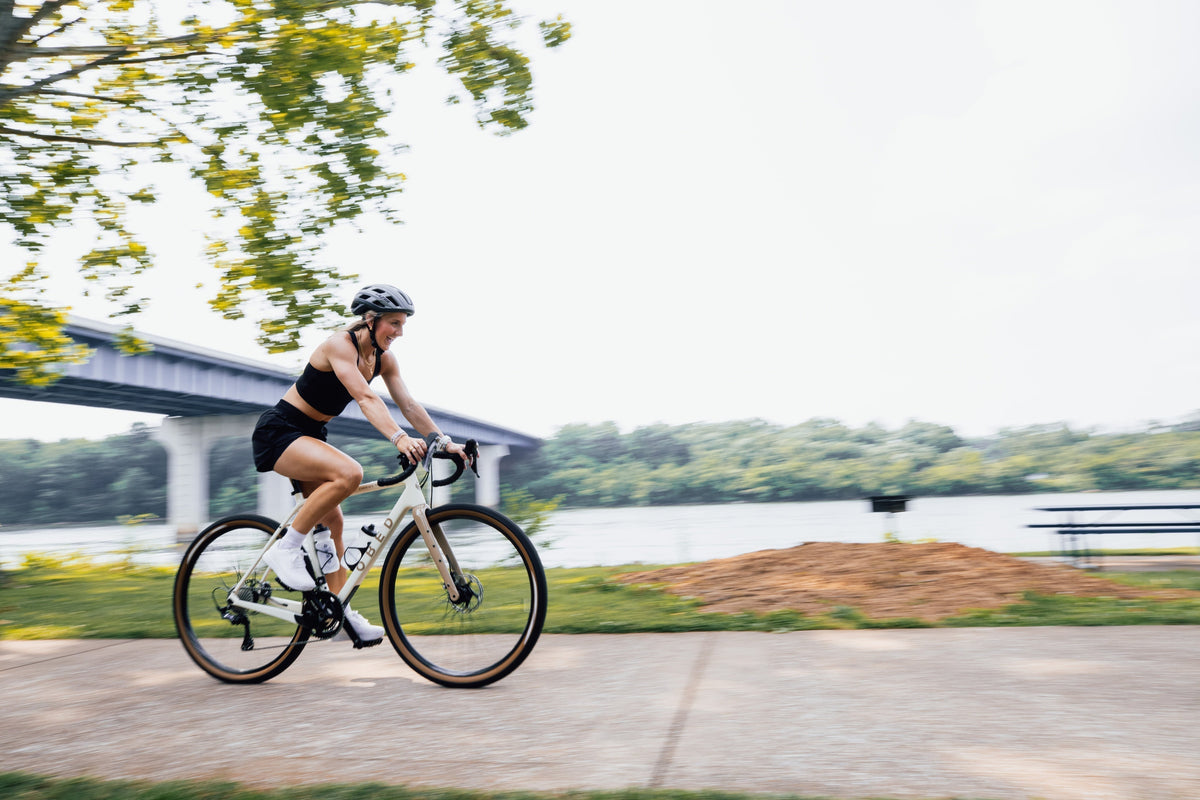
Credit: obedbikes.com
Frequently Asked Questions
Do You Legally Need A Helmet To Ride A Bike?
Helmet laws vary by location; many places require helmets for minors. Adults may not be legally bound but wearing helmets is strongly advised for safety.
How Does Wearing A Helmet Improve Bike Safety?
Helmets protect your head by absorbing impact during falls or crashes. This reduces the risk of serious brain injuries significantly.
Are Helmets Necessary For Casual Bike Rides?
Yes, helmets are recommended for all rides, even casual ones. Accidents can happen anytime, and helmets provide crucial protection.
Can A Helmet Prevent All Bike-related Head Injuries?
Helmets greatly reduce injury risk but cannot prevent all head injuries. They are essential safety gear but not foolproof.
Conclusion
Wearing a helmet while biking protects your head. Safety first! Helmets reduce the risk of serious injury. They can save lives. Choosing to wear a helmet shows responsibility. It sets a good example for others. Make sure your helmet fits well.
A snug fit ensures better protection. Riding a bike should be fun and safe. Protecting yourself is important. Enjoy your ride with peace of mind. Safety makes cycling enjoyable. Remember, your life is precious. Always choose safety over style. Stay safe, ride smart.