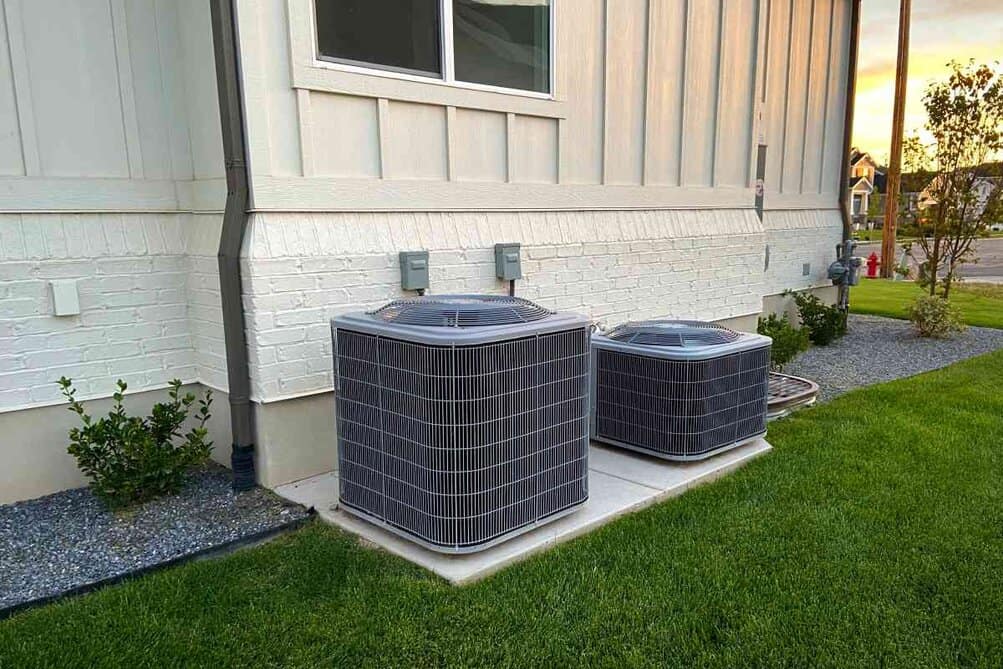
When winter arrives, you might wonder if you should cover your air conditioner to protect it from the cold. It sounds like a simple way to keep your unit safe, but is it really the best choice for your AC?
What if covering it actually causes more harm than good? You want to make sure your air conditioner stays in great shape and is ready to cool your home when summer comes back. Keep reading to find out the truth about covering your AC during winter and learn the best way to care for it all year round.

Credit: www.reddit.com
Why Consider Covering Your Ac
Covering your air conditioner during winter can protect it from damage. Cold weather and debris may harm your unit.
Knowing the reasons for covering your AC helps you decide if it is necessary. This guide explains key benefits.
Protecting From Debris
Leaves, dirt, and twigs can get inside your AC unit during fall and winter. This debris may clog the parts and reduce performance.
- Blocks air flow
- Causes rust and corrosion
- Makes cleaning harder in spring
Preventing Weather Damage
Winter weather can cause wear and tear on your AC. Snow, ice, and cold temperatures may damage the components.
| Weather Factor | Possible Damage |
|---|---|
| Snow buildup | Block vents and cause rust |
| Ice formation | Crack pipes and parts |
| Freezing temperatures | Damage coils and wiring |
Energy Efficiency Impact
Covering your AC unit can improve energy efficiency by keeping it clean and dry. This helps the system work better in warm seasons.
- Reduces dirt buildup on coils
- Prevents moisture that causes rust
- Makes maintenance easier and faster

Credit: www.amazon.ca
Risks Of Covering Your Ac
Many people cover their air conditioners during winter to protect them. But covering your AC unit can cause problems. It is important to know the risks before you cover your unit.
This article explains the main risks of covering your air conditioner. Learn about moisture, airflow, and damage issues that can happen.
Moisture And Mold Issues
Covering your AC can trap moisture inside the unit. This trapped moisture creates a wet environment. Mold and mildew can grow easily in these conditions.
- Water can collect inside the cover and stay wet.
- Mold spores spread and can damage the unit’s parts.
- Mold can cause bad smells and poor air quality around your home.
Airflow Restriction
Covering the AC unit blocks proper airflow. The air conditioner needs air to stay dry and work well. Without airflow, moisture builds up inside.
| Effect | Result |
| Poor airflow | Unit stays damp |
| Dampness | Rust and corrosion |
| Corrosion | Shorter AC lifespan |
Potential Damage To Components
Covering your AC can hurt its parts. Moisture and cold air trapped under the cover can cause damage. Electrical parts and metal pieces may break or rust.
Common damages include:
- Rust on metal coils and screws
- Cracks in plastic parts from cold moisture
- Electrical failures due to moisture build-up
- Blocked drainage leading to water damage
Types Of Covers To Use
Covering your air conditioner during winter helps protect it from snow and debris. Choosing the right cover keeps your unit safe and dry.
Different covers serve different purposes. Some let air flow while others fit tightly around the unit.
Breathable Covers
Breathable covers let air move through the material. This stops moisture build-up and prevents rust.
These covers protect the unit from rain, snow, and leaves while allowing humidity to escape.
- Made from mesh or fabric with small holes
- Reduce mold and mildew growth
- Easy to install and remove
Custom-fit Options
Custom-fit covers are made to match your air conditioner’s size and shape. They provide a snug fit and better protection.
These covers prevent pests and dirt from entering the unit during winter months.
- Made from durable materials like vinyl or heavy fabric
- Often have straps or zippers for secure closure
- Help avoid damage from ice and snow buildup
Diy Vs. Store-bought Covers
DIY covers let you customize size and materials. They can be cheaper but may not last long.
Store-bought covers are ready to use. They usually offer better fit and protection but cost more.
- DIY covers: use plastic sheets or tarps
- Store-bought covers: come with warranties and designed for AC units
- Choose based on budget, skill, and protection needs
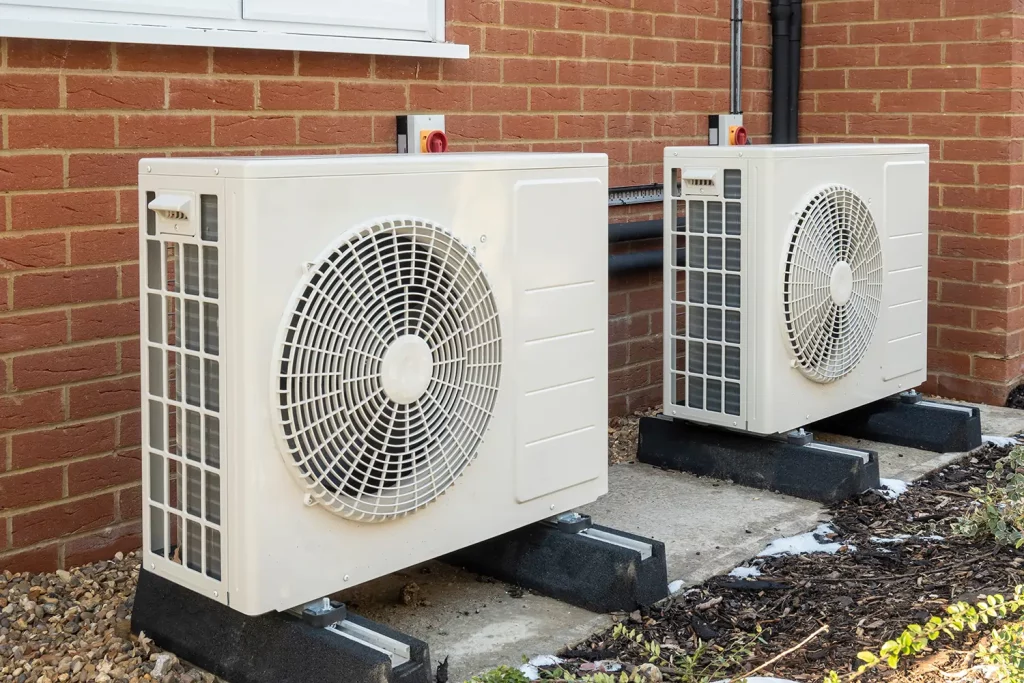
Credit: www.mjfrickco.com
When To Cover Your Ac
Many people wonder if they should cover their air conditioner during winter. Covering your AC can protect it from damage. But it is not always necessary.
Knowing when to cover your AC helps keep it safe and working well. This guide explains key points to think about.
Climate Considerations
The type of climate you live in affects whether you should cover your AC. Cold and snowy places might need more protection.
In mild climates, covering your AC may not be needed. Rain and snow can cause rust, so covering helps in wet areas.
- Cold, snowy climates: Cover to protect from snow and ice.
- Wet climates: Cover to prevent water damage.
- Dry, mild climates: Covering is often optional.
Timing And Duration
Cover your AC after the cooling season ends. This usually means late fall or early winter.
Keep the cover on until you need to use the AC again in spring. Remove it before you turn the unit on.
- Cover after last use in fall.
- Remove cover before first use in spring.
- Do not leave cover on during use.
Signs Your Ac Needs Covering
Check your AC for signs that show it needs protection. Look for dirt, debris, and weather damage risks.
If your AC is exposed to falling leaves, snow, or rain, covering is a good idea. Also cover if you notice rust starting.
- Lots of debris around the unit.
- Exposure to snow or heavy rain.
- Early signs of rust or wear.
Preparing Your Ac For Winter
Winter is coming, and your air conditioner needs care. Proper preparation helps it last longer.
Covering your AC unit during winter is common. Still, you should prepare it well before the cold arrives.
Cleaning The Unit
Remove leaves, dirt, and debris around your AC. Clean the fins and coils gently to avoid damage.
A clean unit works better and avoids problems in spring. Use a soft brush or vacuum for cleaning.
Inspecting For Damage
Check your AC for cracks, rust, or broken parts. Damage can worsen during winter if not fixed.
Look at the fan blades and electrical connections. Replace or repair parts that show wear or harm.
Securing Loose Parts
Tighten screws, bolts, and panels to keep the unit stable. Loose parts can cause noise or damage.
Check the protective cover or casing. Make sure it fits well and does not blow away in strong wind.
Alternative Winter Protection Tips
Protecting your air conditioner in winter is important. Instead of just covering it, try other ways to keep it safe.
These tips help your AC last longer and avoid damage from cold weather and debris.
Using A Shelter Or Enclosure
A shelter or enclosure shields your AC from snow, ice, and falling leaves. It lets air flow while keeping the unit dry.
- Choose a cover made for air conditioners
- Build a small roof or box around the unit
- Make sure air can still move freely
- Remove snow from the shelter regularly
Regular Maintenance Checks
Check your AC often during winter. This helps catch problems early and keeps the unit ready for spring.
| Maintenance Task | How Often |
| Remove debris around the unit | Monthly |
| Inspect for rust or damage | Every 2 months |
| Clear drainage pipes | Monthly |
| Check electrical connections | Before winter starts |
Professional Winterization Services
Hire a professional to prepare your AC for winter. They clean and protect parts that need care.
- Clean the unit inside and out
- Seal any leaks or cracks
- Cover sensitive parts with protective materials
- Test the unit for any hidden issues
Frequently Asked Questions
Should You Cover An Outdoor Air Conditioner In Winter?
Covering an outdoor AC unit is optional. Use a breathable cover to protect from debris. Avoid plastic covers that trap moisture and cause rust.
Does Covering An Ac Unit Prevent Winter Damage?
A proper cover can protect from leaves and snow. However, good drainage and airflow are essential to prevent moisture buildup and damage.
Can Covering An Ac Unit Cause Mold Or Rust?
Yes, non-breathable covers trap moisture, leading to mold and rust. Use ventilated covers to allow air circulation and avoid damage.
When Is The Best Time To Cover Your Ac Unit?
Cover your AC unit after the last fall use and before heavy winter weather. Remove the cover before spring to avoid moisture issues.
Conclusion
Deciding to cover your air conditioner in winter is wise. It protects against debris and harsh weather. But ensure proper ventilation to prevent moisture buildup. Covers aren’t mandatory but offer added protection. Consider your local climate. Mild areas might not need covers.
Severe winters make covers more useful. Always choose breathable materials. This prevents rust and damage. Regular maintenance keeps your unit efficient. It prolongs its lifespan and saves money. Make informed choices for better performance. Your air conditioner will thank you.
Keep it ready for summer with these simple steps.