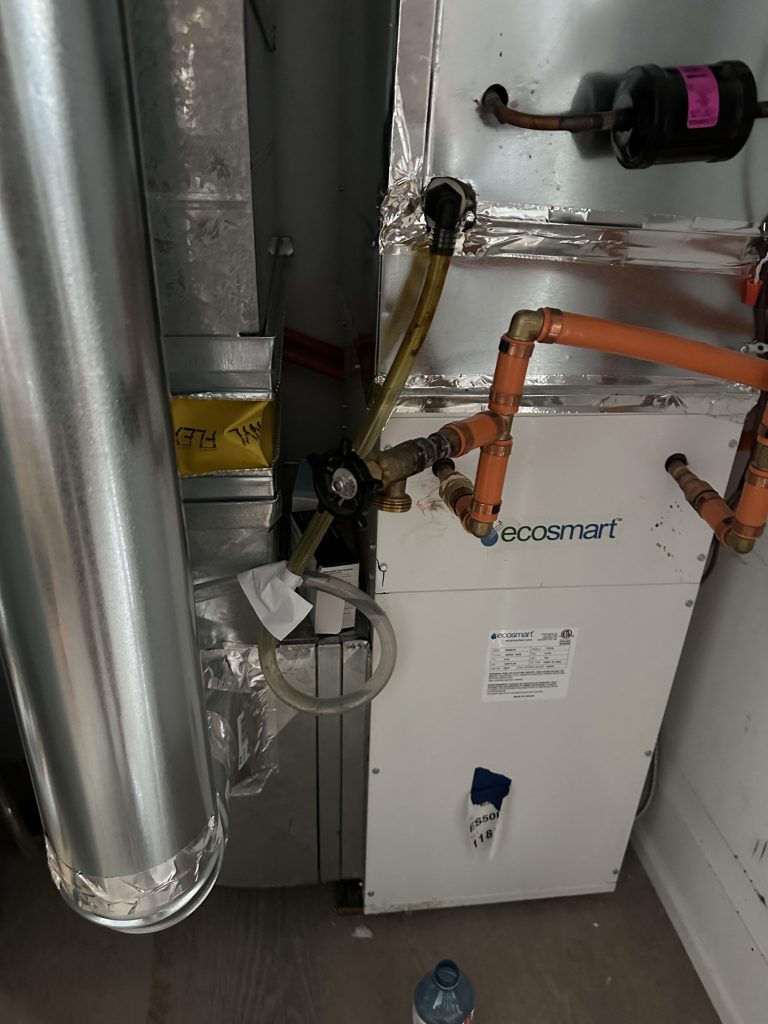
Have you ever noticed water pooling around your air conditioner and wondered, “Where is my air conditioner drain pan?” Finding this small but important part can save you from leaks, mold, and costly repairs. You’ll discover exactly where your drain pan is located, why it matters, and how to keep it working smoothly.
Keep reading—you’ll learn simple steps that protect your home and keep your air conditioner running efficiently.

Credit: northnjhvac.com
Locating The Drain Pan
The air conditioner drain pan catches water from your AC unit. It helps prevent water damage and leaks. Knowing where the drain pan is can help with maintenance and repairs.
Finding the drain pan depends on the type of air conditioner you have. This guide will help you locate it quickly and safely.
Common Air Conditioner Types
There are several common types of air conditioners. Each has a different setup and drain pan location. Knowing your type helps in finding the pan.
- Central Air Conditioners
- Window Air Conditioners
- Split Air Conditioners
- Portable Air Conditioners
Typical Drain Pan Positions
The drain pan is usually under the air handler or evaporator coil. It collects condensation that forms during cooling.
Here are common drain pan positions based on AC type:
- Central AC:Underneath the indoor air handler unit.
- Window AC:Inside the bottom part of the unit, behind the front panel.
- Split AC:Below the indoor evaporator coil inside the wall unit.
- Portable AC:Usually has a small internal pan near the base.
Tools Needed For Inspection
Inspecting the drain pan needs some simple tools. These tools help you see and clean the pan safely.
- Flashlight to see inside dark areas
- Screwdriver to open panels or covers
- Cloth or sponge for cleaning
- Bucket to catch any water
- Gloves to protect your hands
Signs Of A Clogged Or Missing Drain Pan
The drain pan in your air conditioner catches water that forms during cooling. If it is clogged or missing, problems can start in your home.
Knowing the signs of trouble helps you fix your AC early. This prevents damage and keeps your home comfortable.
Water Leaks And Damp Spots
One clear sign of a clogged or missing drain pan is water leaking from the AC unit. You might find wet spots on the floor or walls near the unit.
- Visible water puddles under the AC
- Damp stains on walls or ceilings
- Musty or damp smell near the unit
- Water damage or peeling paint
Unusual Noises From The Ac Unit
If the drain pan is clogged, water can pool and cause the AC to make strange sounds. You may hear gurgling or dripping noises.
Common strange sounds include:
- Gurgling from trapped water
- Dripping or splashing noises
- Hissing if water affects electrical parts
Reduced Cooling Efficiency
A clogged or missing drain pan can reduce how well your AC cools. Water buildup may cause the unit to work harder or shut down.
| Effect | Reason |
| Warm air blowing | Blocked drainage causes ice build-up |
| Frequent cycling | Unit turns off to prevent water damage |
| Higher energy use | AC works harder to cool the room |
Cleaning The Drain Pan
The air conditioner drain pan collects water that drips from the evaporator coil. Over time, dirt and algae can build up inside the pan. Cleaning the drain pan helps prevent clogs and water damage.
Regular cleaning keeps your air conditioner running smoothly. It also stops bad smells caused by mold and mildew in the pan.
Safety Precautions
Before you start cleaning, turn off the power to your air conditioner. This prevents electric shocks and accidents. Wear gloves to protect your hands from dirt and cleaning chemicals.
- Switch off the air conditioner at the breaker.
- Wear rubber gloves to avoid skin contact.
- Use a mask if you are sensitive to dust or mold.
- Work in a well-ventilated area.
Step-by-step Cleaning Process
- Remove the access panel to reach the drain pan.
- Use a wet vacuum or sponge to remove standing water.
- Scrub the pan with a soft brush and warm soapy water.
- Rinse the pan with clean water to remove soap.
- Check and clear the drain line to prevent blockages.
- Replace the access panel and restore power to the unit.
Recommended Cleaning Solutions
| Solution | Usage |
| Warm soapy water | Effective for general cleaning and removing dirt |
| White vinegar | Helps kill mold and bacteria; use diluted 50/50 with water |
| Bleach solution | Use sparingly for tough mold; dilute 1 tablespoon bleach per gallon water |
| Commercial coil cleaner | Follow label instructions; good for heavy buildup |
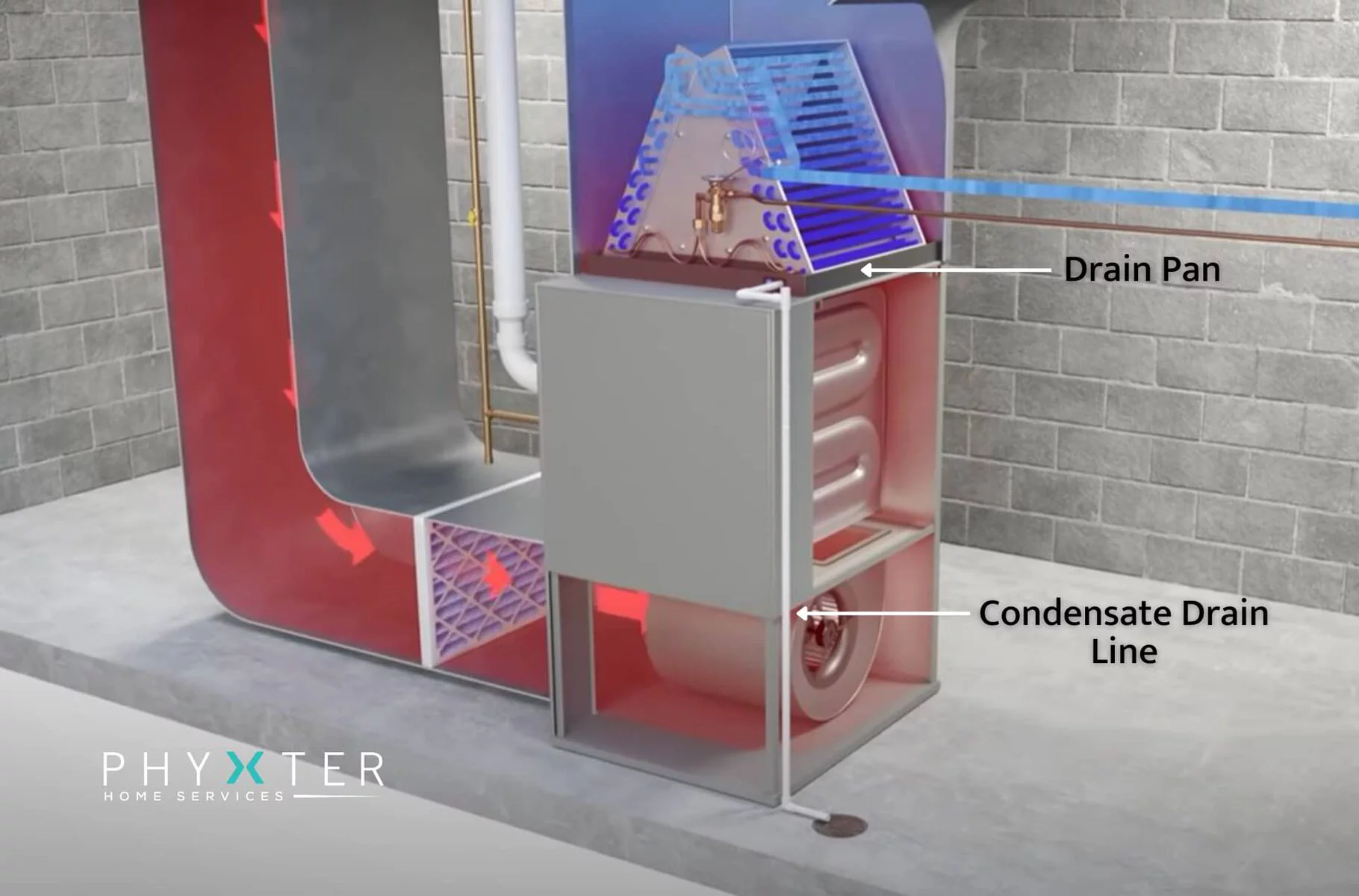
Credit: vernonairconditioning.com
Fixing A Damaged Or Missing Drain Pan
The air conditioner drain pan collects water from the unit. A damaged or missing pan can cause leaks and water damage. Fixing it quickly helps protect your home and keeps your AC working well.
This guide explains how to check the drain pan, make temporary fixes, and replace it if needed. Follow each step carefully to avoid bigger problems.
Assessing The Damage
First, turn off your air conditioner. Look under the unit to find the drain pan. Check if it has cracks, holes, or rust. Also, see if the pan is missing or out of place.
- Look for standing water around the AC unit.
- Check for signs of rust or corrosion on the pan.
- See if water stains appear on the ceiling or floor below.
- Test if the pan moves or is loose.
Temporary Fixes
If the drain pan is cracked or leaking, you can try a quick fix before replacing it. These fixes stop leaks and prevent water damage for a short time.
- Turn off the AC and unplug it for safety.
- Remove water from the drain pan using a sponge or towel.
- Use waterproof tape or a sealant to cover small cracks or holes.
- Check the drain line for clogs and clear it if needed.
- Place a shallow bucket under the pan to catch any water leaks.
Replacing The Drain Pan
If the damage is bad, replace the drain pan to avoid leaks. Follow these steps to remove the old pan and install a new one.
| Task | Details |
|---|---|
| Turn off power | Switch off the AC unit and unplug it. |
| Remove old drain pan | Unscrew or unclip the pan from the AC unit. |
| Check drain line | Clean or replace the drain line if clogged. |
| Install new pan | Place the new pan and secure it firmly. |
| Test the system | Turn on the AC and check for leaks. |
Preventing Future Drain Pan Issues
Air conditioner drain pans catch moisture from your AC unit. If they get clogged or damaged, water can leak. This causes problems like mold and damage to your home.
To avoid these issues, you need to care for the drain pan regularly. You can also add alarms and get professional checks. These steps keep your AC running safely.
Regular Maintenance Tips
Check your drain pan every month during the cooling season. Clean dirt and debris from the pan and drain line. Clear any blockages to prevent water buildup.
- Remove leaves and dust from the drain pan.
- Flush the drain line with water to clear clogs.
- Use a mild cleaner to remove algae and mold.
- Inspect the pan for cracks or rust.
- Replace the pan if you find damage.
Installing Drain Pan Alarms
Drain pan alarms warn you if water starts to overflow. These alarms help catch problems early. You can install alarms near the drain pan or float switches inside.
| Alarm Type | How It Works | Benefits |
| Float Switch Alarm | Detects rising water level | Sends alert before overflow |
| Water Sensor Alarm | Detects moisture outside pan | Alerts to leaks or spills |
| Smart Home Alarm | Connects to phone app | Remote monitoring and alerts |
Professional Inspection Frequency
Have a professional inspect your AC system yearly. They check the drain pan and the whole unit for issues. This helps find hidden problems early.
- Schedule yearly inspections before summer.
- Ask the technician to check the drain pan condition.
- Request cleaning of the drain line and pan.
- Replace any worn or damaged parts.
- Get advice on alarm installation and maintenance.

Credit: unitedstatesolutions.com
Frequently Asked Questions
Where Is The Air Conditioner Drain Pan Located?
The drain pan is beneath the indoor air handler or evaporator coil. It collects condensation to prevent water damage. Look under the unit or inside the access panel to find it.
How Do I Access My Ac Drain Pan?
Access the drain pan by removing the service panel on your indoor air handler. Use a screwdriver if needed. Be careful to avoid damaging any components while inspecting the pan.
Why Is My Air Conditioner Drain Pan Leaking?
A leaking drain pan usually means a clogged drain line or a damaged pan. Clean the drain line and check for cracks or rust to fix leaks promptly.
Can A Blocked Drain Pan Cause Ac Issues?
Yes, a blocked drain pan can cause water overflow, damage, and reduced cooling efficiency. Regular cleaning prevents clogs and protects your AC system from costly repairs.
Conclusion
Finding your air conditioner drain pan is not hard. Check near the indoor unit. Look below or beside it. The drain pan collects excess water. It’s important to keep it clean. A clogged pan can cause leaks. Regular checks prevent problems.
Use a flashlight for better visibility. If unsure, refer to the manual. A working drain pan keeps your AC efficient. It saves money on repairs. Stay cool and worry-free. Keep your air conditioner in top shape. Regular maintenance helps.