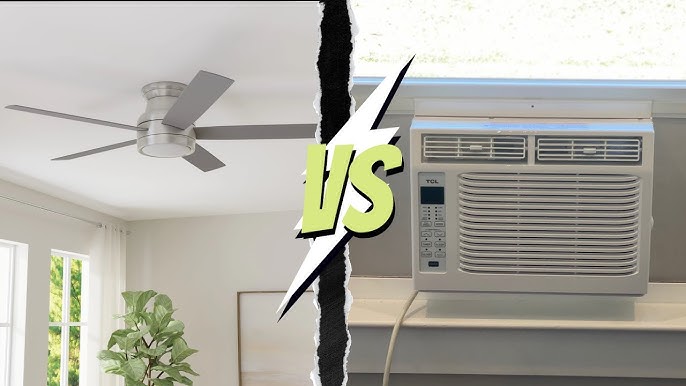
Have you ever noticed the “Fan” setting on your air conditioner and wondered what it really means? You’re not alone.
Understanding this simple feature can make a big difference in how comfortable your home feels and how much energy you use. You’ll discover exactly what the fan mode does, why it matters, and how to use it to your advantage.
Keep reading to get the most from your air conditioner and enjoy a cooler, more efficient space.

Credit: thecoolingco.com
Fan Mode Basics
Fan mode on an air conditioner moves air around the room without cooling it. It helps to circulate air and keep the space feeling fresh.
This mode uses less energy than cooling modes because it only runs the fan. It is useful for mild weather or when you want white noise from the unit.
How Fan Mode Works
In fan mode, the air conditioner’s compressor does not run. The fan inside the unit spins to move air through the vents. This helps to spread cool or warm air already in the room.
The fan pulls air from the room, passes it through the air filter, and pushes it back out. This airflow can reduce stuffiness and improve comfort.
Types Of Fan Speeds
Most air conditioners let you choose from several fan speeds. Each speed controls how fast the fan blades spin and how much air moves.
- Low speed:Moves a small amount of air quietly. Good for night use.
- Medium speed:Balances airflow and noise for daily use.
- High speed:Moves the most air quickly but is louder.
| Fan Speed | Airflow | Noise Level |
| Low | Low | Quiet |
| Medium | Moderate | Moderate |
| High | High | Loud |
Fan Vs. Cooling Mode
Air conditioners have different modes to control the air inside your room. Two common modes are Fan mode and Cooling mode. Each mode works differently to help keep you comfortable.
The Fan mode only moves air around the room without cooling it. Cooling mode lowers the room temperature by removing heat and moisture from the air.
Energy Consumption Comparison
Fan mode uses less energy than cooling mode. This is because the fan only circulates air and does not run the compressor. The compressor is the part that cools the air and uses the most power.
Cooling mode requires more electricity because it works harder to lower the room temperature. Using the fan alone can save energy and reduce your electricity bill.
- Fan mode uses less electricity
- Cooling mode uses more power because of the compressor
- Energy savings depend on how long each mode runs
When To Use Fan Only
Use fan mode when the room is already cool but needs air circulation. It helps to keep air moving and fresh without cooling the room further.
Fan mode is good for mild weather or at night when you want some airflow without lowering the temperature. It also helps to reduce humidity slightly.
- Use fan mode in mild temperatures
- Good for keeping air moving without cooling
- Helps reduce humidity a little
- Ideal for night use to save energy
Benefits Of Using Fan Mode
Fan mode on an air conditioner helps circulate air without cooling. It uses less energy than cooling mode. This mode is useful when you want fresh air movement.
Using fan mode can make your room feel more comfortable. It can also save money on electricity bills. Let’s look at the main benefits of fan mode.
Improved Air Circulation
Fan mode moves air around the room. This helps spread cool or warm air evenly. It prevents hot or cold spots in your space.
Good air circulation keeps the room feeling fresh. It reduces stuffiness and stale air. This can improve indoor air quality.
Energy Efficiency
Fan mode uses less electricity than full cooling. The compressor does not run in this mode. This lowers power consumption and saves money.
You can run fan mode on mild days. It keeps air moving without using much energy. This helps reduce your electric bill.
Enhanced Comfort
Fan mode creates a gentle breeze that feels nice on your skin. It helps cool you down without lowering room temperature.
It is useful at night or in mild weather. You can enjoy fresh air flow without strong cooling or noise.

Credit: www.ars.com
Common Fan Settings Explained
The fan on an air conditioner controls the airflow inside your room. Different fan speeds change how much air moves around.
Understanding these settings helps you use your air conditioner better and stay comfortable.
Low Speed
Low speed moves air gently across the room. It uses less energy and is quieter than higher speeds.
This setting is good for mild cooling or when you want less noise.
Medium Speed
Medium speed gives a balance of airflow and noise. It cools the room faster than low speed.
This is a common setting for normal cooling needs during warm days.
High Speed
High speed moves the most air quickly. It cools the room faster but uses more energy and makes more noise.
Use this setting when you want fast cooling or the room is very hot.
Auto Fan Function
The auto fan setting changes the fan speed by itself. It adjusts based on the room temperature.
This helps save energy and keeps the room comfortable without manual changes.
Fan Mode And Air Quality
The fan mode on an air conditioner controls how the fan runs without cooling. It helps move air around your room.
Using the fan mode can affect the air quality inside your home. It can change how dust and allergens spread.
Effect On Dust And Allergens
When the fan runs, it circulates air and dust particles in the room. This can cause dust to move around more.
Allergens like pollen and pet dander may also spread when the fan is on. This can affect people with allergies.
Using With Air Filters
Air filters can clean the air as the fan moves it. They trap dust, pollen, and other particles.
Using the fan mode with a good air filter helps keep the air cleaner and reduces allergens.
- Filters capture dust and debris
- Clean filters improve air quality
- Replace filters regularly for best results
Troubleshooting Fan Issues
The fan in an air conditioner moves air over the cooling coils. This helps cool your room. Sometimes the fan can have problems that affect performance.
Here are common fan problems and how to fix them. These tips help you check your air conditioner fan safely.
Fan Not Working
If the fan does not start, the air conditioner may not cool well. The fan motor or wiring might be faulty. A blown fuse or tripped breaker can also stop the fan.
Check the power to the unit first. Make sure the thermostat is set to “fan on” or “auto.” Look for any loose wires or visible damage.
- Verify power supply and reset breaker if needed
- Inspect fan motor for signs of burning or smell
- Check and replace blown fuses
- Test thermostat fan settings
Unusual Noises
Strange sounds from the fan may mean a problem. Rattling could come from loose parts. Squealing may show a worn belt or motor issue.
Turn off the unit before inspecting. Tighten screws and clean debris. If noise continues, the fan motor might need service.
- Look for loose screws or parts
- Clean fan blades and surrounding area
- Check belt for wear or damage
- Listen for motor bearing noise
Fan Running Constantly
If the fan runs nonstop, the thermostat may be set to “fan on.” This setting keeps air moving but uses more energy. A stuck relay or wiring issue can also cause this.
Try switching the fan setting to “auto.” If the fan still runs all the time, call a technician to check the controls.
- Change fan setting from “on” to “auto”
- Inspect thermostat and controls for faults
- Check for stuck or damaged relays
- Schedule professional service if needed
Tips For Optimizing Fan Use
The fan on your air conditioner helps move air around your room. Using the fan smartly saves energy and keeps you comfortable.
Knowing how to use the fan with other settings can improve your AC’s efficiency. Regular care also helps the fan work well.
Combining Fan With Other Modes
Use the fan mode along with cooling or heating to spread air evenly. This helps keep the room temperature steady.
Switching the fan to low speed during mild weather saves electricity. Use high speed when the room is very hot or cold.
- Use fan-only mode to circulate air without cooling or heating.
- Combine fan with cooling to cool the room faster.
- Use fan with heating to spread warm air evenly.
- Adjust fan speed to match room temperature needs.
Maintenance For Better Performance
Keep the fan clean to ensure it runs smoothly. Dust and dirt can slow the fan down and reduce airflow.
Check the fan blades and motor regularly. Fix any noise or vibration problems quickly to avoid damage.
- Clean fan blades every few weeks.
- Remove dust from vents and filters.
- Listen for unusual sounds from the fan.
- Call a technician if the fan does not run properly.
Credit: www.ars.com
Frequently Asked Questions
What Does The Fan Mode On An Air Conditioner Do?
Fan mode circulates air without cooling. It helps distribute air evenly, improves ventilation, and reduces humidity without using the compressor.
How Is Fan Mode Different From Cooling Mode?
Fan mode only moves air, while cooling mode lowers the room temperature using refrigerant and compressor.
Can I Use The Fan Mode To Save Energy?
Yes, fan mode uses less energy since it doesn’t activate the compressor, making it an energy-efficient option for mild weather.
Does Fan Mode Help In Reducing Humidity?
Fan mode improves air circulation but does not remove moisture like the cooling mode does.
Conclusion
Understanding the fan setting on your air conditioner is essential. It helps you manage comfort and energy use. When used correctly, it can improve air circulation. This leads to a more balanced indoor temperature. Also, it reduces wear and tear on the AC unit.
Regular maintenance keeps your AC running efficiently. Always check your manual for specific instructions. A well-maintained AC ensures a comfortable and cool home. Make sure to adjust the fan setting as needed. This small step can make a big difference.
Enjoy a comfortable home environment with these simple tips.