
Are you looking to save money on your energy bills while keeping your home cool and comfortable? Understanding the SEER rating of air conditioners is the key.
But what exactly is SEER, and how can you find the right rating for your needs? This guide will walk you through everything you need to know, in simple terms, so you can make smart choices and avoid costly mistakes.
Keep reading to discover how the SEER rating affects your cooling costs and which air conditioner is best for you.
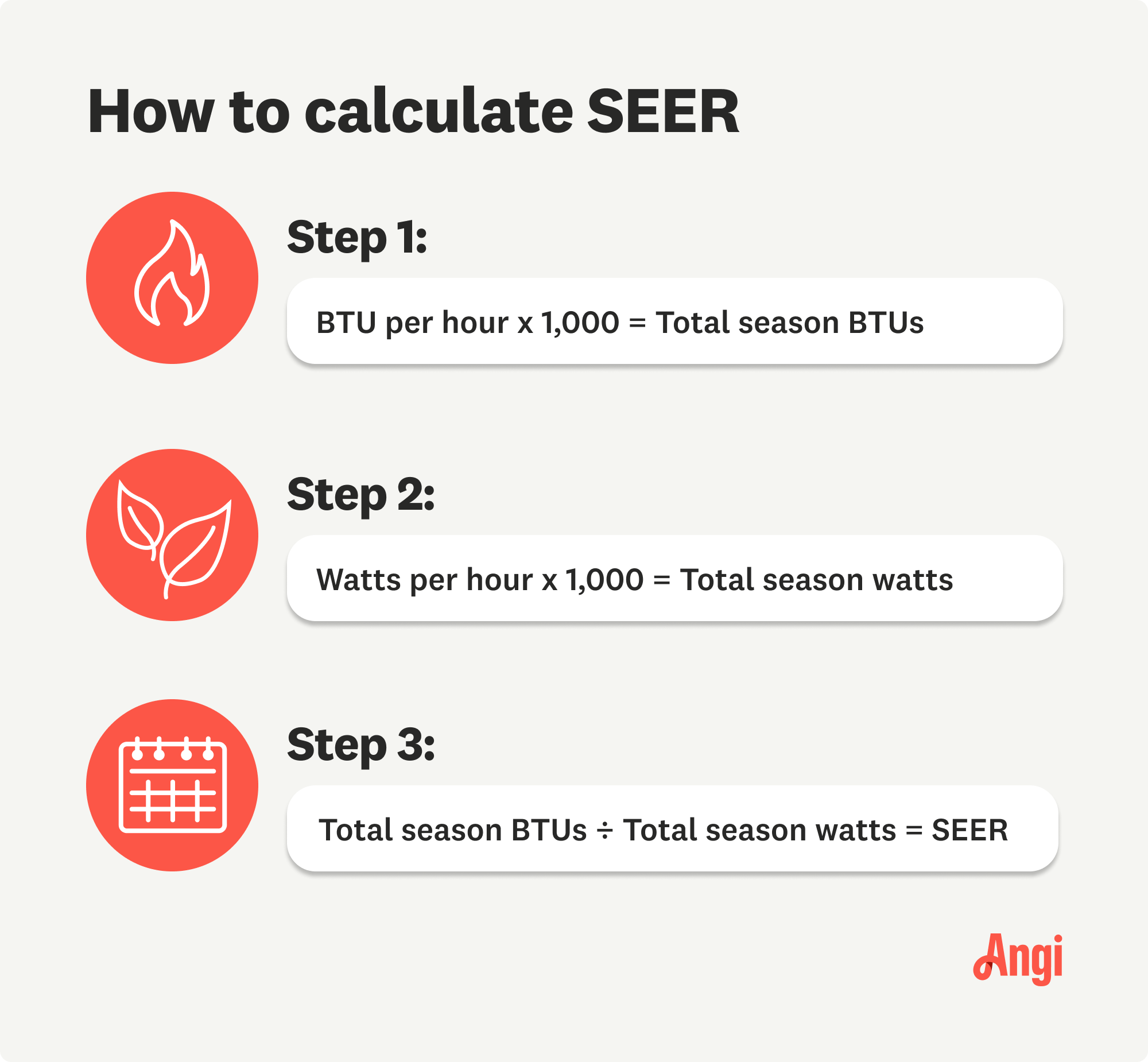
Credit: www.angi.com
What Is Seer Rating
SEER stands for Seasonal Energy Efficiency Ratio. It measures how well an air conditioner cools during a typical cooling season.
The higher the SEER rating, the more efficient the air conditioner is. This means it uses less energy to cool your home.
How Seer Rating Is Calculated
SEER rating is the ratio of cooling output to the energy consumed over a season. It shows how much cooling you get per unit of electricity used.
- Measure total cooling output in British Thermal Units (BTUs).
- Measure total electricity used in watt-hours.
- Divide cooling output by electricity used to find SEER.
Why Seer Rating Matters
A higher SEER rating means lower energy bills. It also helps reduce environmental impact by using less electricity.
Choosing an air conditioner with a good SEER rating saves money over time. It also provides better cooling comfort.
Typical Seer Ratings For Air Conditioners
| SEER Rating | Efficiency Level | Energy Use |
| 13-14 | Standard | Higher energy use |
| 15-16 | Good | Moderate energy use |
| 17-20 | High | Lower energy use |
| 21+ | Very High | Lowest energy use |
Where To Find The Seer Rating On Air Conditioners
The SEER rating is usually on the EnergyGuide label on the unit. You can also find it in the product manual or specification sheet.
Look for labels like:
- Energy Star certification
- Manufacturer’s specification
- Official product tags
Why Seer Matters
SEER stands for Seasonal Energy Efficiency Ratio. It shows how well an air conditioner uses electricity to cool your home.
A higher SEER means the unit is more efficient. This saves money on energy bills and helps the environment.
What Seer Rating Means
The SEER rating measures cooling output divided by energy used. It is a number, like 13 or 20.
The higher the number, the less electricity the air conditioner uses to cool your home.
How Seer Affects Energy Costs
Air conditioners with high SEER use less power. This lowers your monthly electric bills.
Choosing a unit with a better SEER can save hundreds of dollars in energy costs each year.
Finding The Seer Rating On Your Air Conditioner
Look for a yellow EnergyGuide label on the unit. The SEER rating is listed there.
If you cannot find the label, check the product manual or manufacturer’s website for details.
Seer Ratings And Climate Zones
SEER ratings matter more in hot climates. Higher SEER units save more energy where cooling runs longer.
In cooler areas, a moderate SEER rating may be enough to keep energy costs low.
How Seer Is Calculated
The SEER rating measures how efficiently an air conditioner cools over a season. It shows the energy used versus the cooling output.
Understanding SEER helps you compare different air conditioners by their energy use and performance.
What Seer Stands For
SEER means Seasonal Energy Efficiency Ratio. It compares the cooling output to the electrical energy consumed over time.
The Basic Formula
SEER is calculated using this formula:
SEER = Total Cooling Output (BTU) ÷ Total Energy Input (Watt-hours)
BTU stands for British Thermal Units, which measures cooling power. Watt-hours measure electrical energy used.
Measuring Cooling Output
Cooling output is the total amount of heat the air conditioner removes during the cooling season. It is measured in BTUs.
Measuring Energy Consumption
Energy consumption is the total electricity the unit uses while running. This is measured in watt-hours over the same period as cooling output.
Factors That Affect Seer
- Outdoor temperature during the season
- How often the air conditioner runs
- Efficiency of the compressor and fans
- Size and condition of the unit
- Thermostat settings and usage habits
Example Of Seer Calculation
| Cooling Output (BTU) | 50,000 |
| Energy Input (Watt-hours) | 5,000 |
| SEER Rating | 10 |
Locating The Seer Rating On Ac Units
The SEER rating shows how energy efficient an air conditioner is. It helps you compare different units. Knowing where to find this rating makes buying easier.
Most AC units have a label or sticker with important details. This includes the SEER rating. Let’s look at ways to find it on your air conditioner.
Check The Manufacturer’s Label
The easiest place to find the SEER rating is on the manufacturer’s label. This label is usually on the outdoor unit. It shows the model number, serial number, and SEER rating.
- Look on the sides or back of the outdoor unit.
- The label may be a metal plate or a sticker.
- Find the term “SEER” or “Seasonal Energy Efficiency Ratio”.
Use The User Manual
The user manual or installation guide also lists the SEER rating. If you still have the manual, check the specifications section. It provides detailed information about the unit’s efficiency.
Look At The Energy Guide Label
Many AC units have an Energy Guide label. This label shows estimated yearly energy costs and efficiency ratings. The SEER rating is often included here.
| Label Location | What to Look For |
| Outdoor unit sides or back | Manufacturer’s label with SEER rating |
| User manual | Specifications or product details |
| Energy Guide label | Energy efficiency information including SEER |
Contact The Manufacturer Or Installer
If you cannot find the SEER rating on the unit or manual, contact the manufacturer or installer. They keep records about the products they sell or install. Provide the model number for quicker help.
Comparing Seer Ratings
SEER stands for Seasonal Energy Efficiency Ratio. It shows how efficient an air conditioner is during a cooling season.
Higher SEER ratings mean the unit uses less energy to cool your home. This helps save on electricity bills.
Understanding Seer Rating Numbers
SEER ratings usually range from 13 to 21. The number tells you how much cooling the unit provides per unit of electricity.
A SEER rating of 13 means the unit is less efficient than one with a rating of 20. Choose a higher rating for better energy savings.
- 13-14 SEER: Basic efficiency
- 15-17 SEER: Good efficiency
- 18-21 SEER: High efficiency
Comparing Seer With Eer Ratings
EER means Energy Efficiency Ratio. It measures efficiency at a specific temperature, unlike SEER which measures over a season.
SEER gives a better overall view of energy use in different weather. EER helps understand efficiency during very hot days.
| Rating | Measurement | Usage |
|---|---|---|
| SEER | Seasonal average | Year-round energy use |
| EER | Fixed temperature | Peak cooling times |
How To Compare Different Air Conditioners
Look at the SEER rating on each air conditioner’s label. Higher numbers mean better efficiency.
Compare units with similar cooling power (BTU) to get a fair comparison of their SEER ratings.
- Check SEER ratings on the EnergyGuide label
- Compare units with the same cooling capacity
- Choose units with the highest SEER for savings
Why Seer Ratings Matter For Your Home
Higher SEER ratings lower your energy bills by using less electricity. This helps save money over time.
Efficient units also reduce environmental impact by using less power. This helps protect the planet.
Impact Of Seer On Energy Bills
The SEER rating shows how efficient an air conditioner is. It tells you how much cooling you get for each unit of energy used.
Higher SEER ratings mean better efficiency. This can lower your energy bills over time.
What Seer Rating Means
SEER stands for Seasonal Energy Efficiency Ratio. It measures cooling output during a typical cooling season.
A higher SEER number means the air conditioner uses less electricity to cool your home.
How Seer Affects Your Energy Bills
Air conditioners with higher SEER use less power. This cuts down the amount of electricity you need.
Using less electricity lowers your monthly energy bills, especially in hot months.
Comparing Seer Ratings And Costs
A unit with SEER 16 uses less energy than one with SEER 10. Over time, this saves money on bills.
- Higher SEER units cost more upfront
- They reduce energy use and bills over years
- Savings depend on how often you run the AC
Finding Seer Ratings On Air Conditioners
Look for the SEER label on the air conditioner’s nameplate or manual. It shows the exact rating.
If the rating is not visible, check the product specifications online or ask the seller.
Choosing The Right Seer Rating For Your Needs
SEER stands for Seasonal Energy Efficiency Ratio. It measures how well an air conditioner uses energy.
Choosing the right SEER rating helps you save money and stay comfortable all year.
Understand What Seer Ratings Mean
SEER ratings show how much cooling an air conditioner gives per unit of energy. The higher the number, the more efficient the unit is.
Most air conditioners have SEER ratings between 13 and 21. Higher ratings use less electricity but cost more upfront.
Consider Your Climate
Where you live affects the best SEER rating for your air conditioner. Hotter areas need higher SEER ratings to save energy.
In cooler climates, a mid-range SEER rating may be enough. You won’t save much with very high SEER units there.
Think About Your Budget
High SEER units cost more at first but save money on energy bills. Lower SEER units cost less but use more electricity.
Balance how much you can spend now with how much you want to save later. This will help you pick the right SEER rating.
Match Seer Rating To Usage
If you use your air conditioner a lot, choose a higher SEER rating. It will save more energy over time.
For light use or small spaces, a moderate SEER rating can work well and cost less up front.
Check Local Energy Codes And Rebates
Some areas require minimum SEER ratings by law. Check your local rules before buying.
Also, some energy companies offer rebates for high SEER units. These can lower your cost.
Credit: thefurnaceoutlet.com
Seer Ratings And Environmental Benefits
SEER stands for Seasonal Energy Efficiency Ratio. It shows how well an air conditioner uses electricity. Higher SEER means better energy use.
Finding the SEER rating helps you choose an air conditioner that saves energy. Saving energy helps the environment by reducing pollution.
What Is Seer Rating?
The SEER rating measures the cooling output divided by the energy used. It covers a whole cooling season. This number shows how efficient the air conditioner is.
How To Find Seer Rating
Look for the SEER rating on the air conditioner’s label or manual. You can also check the EnergyGuide sticker. It lists the SEER number clearly.
- Check the product label on the unit
- Look at the user manual or product brochure
- Search online using the model number
- Ask the seller or manufacturer
Environmental Benefits Of High Seer Ratings
Air conditioners with high SEER ratings use less electricity. This lowers the amount of greenhouse gases released. It also reduces your electricity bills.
| SEER Rating | Energy Use | Environmental Impact |
| Below 13 | High | More pollution |
| 14 to 16 | Moderate | Average pollution |
| 17 and above | Low | Less pollution |
Why Choose A High Seer Air Conditioner
High SEER air conditioners save more energy. They lower carbon footprints and help fight climate change. They also last longer and cost less to run.
Common Misconceptions About Seer
SEER stands for Seasonal Energy Efficiency Ratio. It shows how well an air conditioner uses energy. Many people do not understand SEER correctly. This can lead to wrong choices when buying an air conditioner.
This guide explains common myths about SEER. It will help you learn the facts and avoid confusion.
Higher Seer Means Lower Energy Bills Always
Many believe a higher SEER number always saves more money. But this is not true in every case. The actual savings depend on how often the air conditioner runs and local energy costs.
Seer Is The Only Factor To Consider
Some think SEER is the only thing that matters. Other factors like unit size, installation quality, and maintenance also affect performance and costs.
Seer Ratings Are The Same Everywhere
People often assume SEER ratings are equal in all climates. SEER is tested in lab conditions. Real-world results can differ by location and weather.
Only Seer Matters For Environmental Impact
Many think SEER alone shows how green an air conditioner is. Other things matter too, like refrigerant type and how the unit is made.
Common Seer Misconceptions At A Glance
| Misconception | Fact |
| Higher SEER always means bigger savings | Savings depend on usage and energy prices |
| SEER is the only important factor | Size, installation, and maintenance also matter |
| SEER ratings are the same in all places | Performance varies by climate and conditions |
| SEER shows full environmental impact | Other factors like refrigerants matter too |

Credit: hvacdirect.com
Tips For Maintaining High Seer Performance
SEER stands for Seasonal Energy Efficiency Ratio. It shows how well an air conditioner uses energy. Keeping a high SEER rating means your AC runs efficiently and saves power.
This guide shares simple tips to help your air conditioner keep a strong SEER rating. Follow these steps to improve its performance and lower energy costs.
Regular Filter Cleaning And Replacement
Dirty filters block airflow and force the AC to work harder. Clean or replace filters every one to three months. This keeps air moving freely and maintains efficiency.
Keep The Outdoor Unit Clear
Leaves, dirt, and debris around the outdoor unit reduce its ability to cool air. Clear the area around the unit regularly. Trim plants and remove any objects that block airflow.
Schedule Professional Maintenance
Experts can check refrigerant levels, clean coils, and inspect parts. Regular professional service helps keep the system running at top SEER efficiency.
Use A Programmable Thermostat
A programmable thermostat adjusts the temperature when you are away or asleep. This reduces energy use and keeps your AC from running too much.
- Set higher temperatures when no one is home
- Lower the temperature before you return
- Use energy-saving modes if available
Seal And Insulate Your Home
Leaks and poor insulation make your AC work harder to cool your home. Seal cracks around windows and doors. Add insulation in attics and walls to keep cool air inside.
Monitor Energy Use With A Table
| Maintenance Task | Effect on SEER | Frequency |
|---|---|---|
| Filter Cleaning | Improves airflow and efficiency | Every 1-3 months |
| Outdoor Unit Cleaning | Prevents overheating | Monthly during seasons |
| Professional Checkup | Maintains refrigerant and parts | Once a year |
| Thermostat Programming | Reduces energy waste | As needed |
| Home Sealing & Insulation | Keeps cool air inside | Annually or as needed |
Frequently Asked Questions
What Is Seer Rating In Air Conditioners?
SEER stands for Seasonal Energy Efficiency Ratio. It measures how efficiently an air conditioner cools over a season. A higher SEER rating means better energy efficiency and lower electricity bills.
How To Locate Seer Rating On An Ac Unit?
You can find the SEER rating on the AC’s EnergyGuide label or user manual. It is usually listed as a number like 13, 16, or 21. Check the outdoor unit’s specification sticker as well.
Why Is Seer Rating Important For Ac Buyers?
SEER rating helps buyers compare energy efficiency between models. Choosing a higher SEER AC reduces energy consumption and saves money long-term. It also lowers environmental impact by using less electricity.
Does A Higher Seer Rating Mean Better Cooling?
Not necessarily. SEER rates energy efficiency, not cooling power. Cooling capacity depends on BTU rating. A high SEER AC uses less energy but cools effectively based on its size.
Conclusion
Finding the SEER rating is easy and essential. It helps you choose the right air conditioner. Better efficiency means lower energy bills. First, check the unit’s label. Second, visit the manufacturer’s website. Third, ask the retailer for details. Always compare models before buying.
High SEER ratings indicate better performance. Invest in an efficient unit for long-term savings. Comfort and cost savings go hand in hand. Make informed choices. Your wallet will thank you. A wise decision leads to a cool home. Enjoy the benefits of a smart purchase.