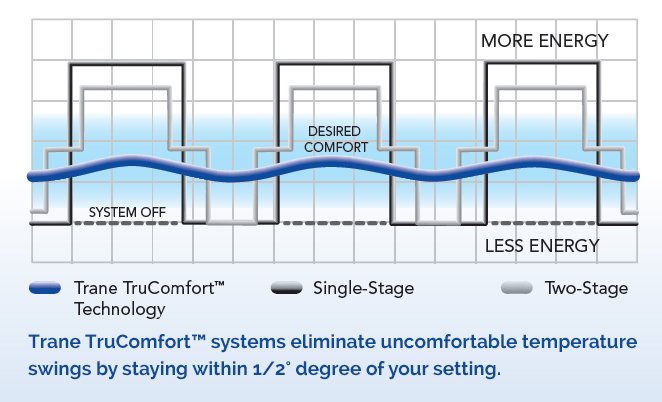
Have you ever wondered what makes your air conditioner cool your room so efficiently without spiking your electricity bill? The secret lies in something called an inverter.
Understanding how an inverter works in your air conditioner can help you make smarter choices for your comfort and savings. You’ll discover exactly how this technology keeps your space cool while using less energy. Keep reading to unlock the smart way your AC manages power and why it’s a game-changer for your home.

Credit: battlebornbatteries.com
Inverter Technology Basics
An inverter in an air conditioner changes the speed of the compressor motor. This helps control the temperature more precisely.
Using inverter technology, the AC can save energy and maintain a steady room temperature.
What Is An Inverter
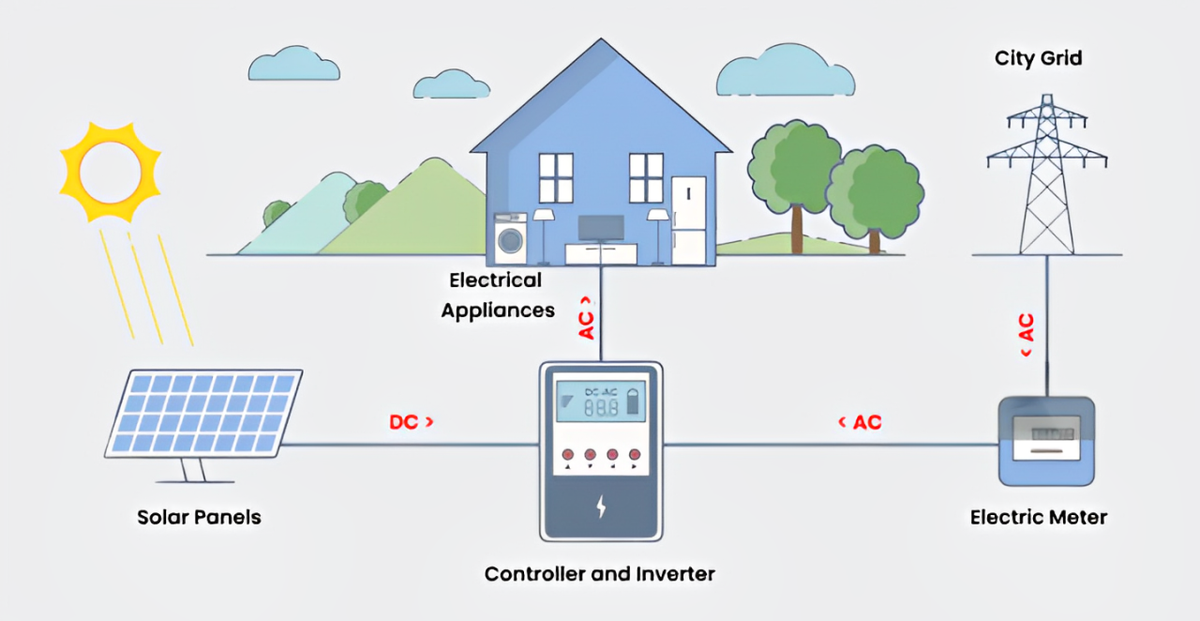
An inverter is an electronic device that converts direct current (DC) into alternating current (AC). In air conditioners, it controls the compressor motor speed.
The main function of an inverter is to adjust power supply frequency. This controls how fast the compressor runs.
- It varies compressor speed based on cooling needs.
- It avoids full stop and start cycles.
- It reduces energy consumption.
- It helps maintain a stable temperature.
Inverter Vs Non-inverter Ac
| Feature | Inverter AC | Non-Inverter AC |
| Compressor Speed | Variable speed | Fixed speed |
| Energy Use | More efficient | Less efficient |
| Temperature Control | Stable and precise | Fluctuates |
| Noise Level | Lower noise | Higher noise |
| Cost | Higher initial cost | Lower initial cost |
How Inverter Controls Compressor
The inverter in an air conditioner controls the compressor speed. It adjusts power to keep the room temperature steady.
This control helps save energy and keeps the air conditioner running smoothly without frequent stops and starts.
Variable Speed Operation
The inverter changes the compressor speed based on cooling needs. It does not just turn the compressor on or off.
- The compressor runs faster when more cooling is needed.
- It slows down when the room gets closer to the set temperature.
- This variable speed reduces energy use and wear on the compressor.
- The air conditioner keeps working efficiently at different speeds.
Maintaining Desired Temperature
The inverter helps keep the room temperature stable by controlling compressor speed. It adjusts power smoothly to avoid big temperature swings.
| Compressor Speed | Room Temperature Effect |
| High Speed | Quick cooling when temperature is far from set point |
| Medium Speed | Maintains temperature with moderate cooling |
| Low Speed | Prevents temperature from dropping too low |
Energy Efficiency Benefits
Inverter technology in air conditioners helps save energy by adjusting compressor speed. This means the unit uses only the power it needs to cool a room.
Understanding how this works can show why inverter air conditioners are more energy efficient than traditional models.
Reduced Power Consumption
Inverter air conditioners run the compressor at variable speeds. They do not turn it on and off frequently. This steady operation reduces power use.
- Compressor adjusts speed to match cooling needs.
- Less energy lost in starting and stopping cycles.
- Smoother temperature control with fewer fluctuations.
- Lower wear and tear on the system parts.
Lower Electricity Bills
Because inverter air conditioners use less power, they lower electricity bills. The savings add up over time, making them cost-effective.
| Type of AC | Average Power Use (kW) | Monthly Cost ($) |
| Non-inverter AC | 2.0 | 60 |
| Inverter AC | 1.2 | 36 |
Credit: www.renogy.com
Impact On Cooling Performance
The inverter technology in air conditioners changes how the compressor works. This affects the cooling speed and comfort inside a room. Understanding these effects helps to see why inverter ACs are popular.
Inverter ACs adjust their compressor speed to match the cooling needs. This leads to better control over temperature and energy use.
Faster Cooling
Inverter air conditioners cool a room faster than traditional models. The compressor can run at high speed to quickly lower the temperature.
- The compressor starts at full speed to cool the room quickly.
- Once the desired temperature is near, the compressor slows down.
- This avoids long waiting times for the room to cool.
- Faster cooling means less discomfort during hot days.
Consistent Comfort Levels
Inverter ACs keep the room temperature steady. They avoid the big swings in temperature common with non-inverter units.
| Feature | Non-Inverter AC | Inverter AC |
|---|---|---|
| Temperature Control | On/off cycling causes ups and downs | Adjusts speed for steady temperature |
| Energy Use | Uses more power during startup | Consumes less energy by running smoothly |
| Noise Level | Noisy due to frequent starts/stops | Quieter operation with steady speed |
| Comfort | Temperature swings can feel uncomfortable | Stable temperature improves comfort |
Longevity And Maintenance
Inverter air conditioners run more efficiently than traditional models. This efficiency helps them last longer and need less care.
Understanding how inverters work can help you keep your air conditioner in good shape for many years.
Less Wear And Tear
An inverter controls the compressor speed smoothly. It avoids sudden starts and stops in the motor.
This gentle operation reduces damage to parts. The air conditioner does not work too hard or heat up quickly.
- Compressor runs at steady speeds
- Less stress on electrical components
- Lower risk of overheating
- Fewer repairs needed over time
Maintenance Tips
Regular care helps your inverter air conditioner stay efficient and last longer. Simple tasks keep it running well.
Check and clean parts often to avoid dirt build-up and blockages.
- Clean or replace air filters every 1-3 months
- Keep outdoor unit free from leaves and dust
- Inspect electrical connections for wear
- Schedule professional check-ups yearly
- Use the unit as recommended by the manufacturer

Credit: www.aljazeera.com
Choosing The Right Inverter Ac
Inverter air conditioners save energy and keep rooms comfortable. Picking the right one depends on your room and energy needs.
Knowing the right capacity and energy ratings helps you get the best cooling without wasting power.
Capacity And Room Size
Choose an AC with the right capacity for your room size. Too small AC will not cool well. Too large AC uses more electricity and wastes energy.
- Small rooms (up to 150 sq ft): 0.8 to 1 ton AC
- Medium rooms (150 to 300 sq ft): 1 to 1.5 ton AC
- Large rooms (300 to 450 sq ft): 1.5 to 2 ton AC
- Extra large rooms (above 450 sq ft): 2 ton or more AC
Energy Ratings To Consider
Energy ratings show how efficient an AC unit is. Higher ratings mean less power use and lower electricity bills.
| Energy Rating | Power Efficiency | Estimated Savings |
| 3 Star | Moderate | Average savings |
| 4 Star | Good | Better savings |
| 5 Star | Excellent | Highest savings |
Common Myths About Inverter Acs
Many people have questions about how inverter air conditioners work. Some ideas about their cost and performance are not true. It is important to know the facts before choosing an inverter AC.
This article clears up common myths about inverter ACs. It looks at costs, savings, and performance to help you understand better.
Cost Vs Savings
One myth says inverter ACs cost too much and do not save money in the long run. People think the high price is not worth it. The truth is different.
| Myth | Reality |
|---|---|
| Inverter ACs have very high upfront costs. | They may cost more at first but save money with less energy use. |
| Energy savings are minimal or not real. | Inverter ACs adjust power and reduce electricity bills significantly. |
| Maintenance costs are higher. | Maintenance is similar to normal ACs and sometimes lower. |
Performance Misconceptions
Some people think inverter ACs do not cool well or take a long time to work. These ideas are not true. Inverter technology actually improves performance.
- Inverter ACs start cooling quickly by adjusting compressor speed.
- They keep the room temperature steady without big swings.
- They run more quietly than regular ACs.
- They last longer because they do not turn on and off often.
Frequently Asked Questions
What Is The Role Of An Inverter In Air Conditioners?
An inverter controls the compressor motor speed in air conditioners. It adjusts cooling power based on room temperature. This leads to energy savings and faster cooling without frequent on/off cycles.
How Does Inverter Technology Save Energy In Acs?
Inverter ACs consume less power by regulating compressor speed. They avoid sudden power surges and maintain consistent temperatures. This efficient energy use reduces electricity bills significantly compared to traditional ACs.
Can Inverter Air Conditioners Provide Faster Cooling?
Yes, inverter ACs cool rooms quickly by running the compressor at higher speeds initially. Once desired temperature is reached, speed reduces to maintain comfort efficiently without wasting energy.
Why Are Inverter Acs Quieter Than Non-inverter Models?
Inverter ACs run compressors at variable speeds, reducing noise from sudden starts and stops. Smooth operation minimizes vibrations and sound, making them much quieter than conventional air conditioners.
Conclusion
Understanding inverter technology in air conditioners is crucial. It saves energy. It provides consistent comfort. Unlike traditional models, inverters adjust to room temperature changes. This makes them efficient and cost-effective. Lower electricity bills are a significant benefit. Plus, they operate quietly, enhancing home comfort.
So, choosing an inverter AC means smart savings and comfort. It’s a wise choice for many households. Always consider your specific needs and environment. This ensures the best cooling solution. Make informed decisions for a comfortable living space.