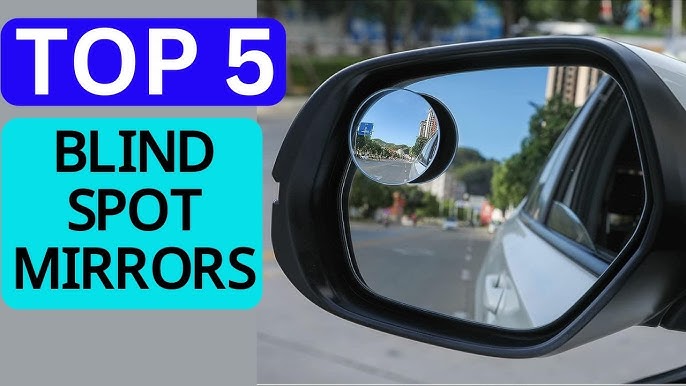
Are you struggling with a blind spot mirror that just won’t come off your car? Whether it’s old, cracked, or simply not working for you, removing it can feel tricky.
But don’t worry—removing your car’s blind spot mirror is easier than you think. You’ll discover simple, step-by-step methods to get it off safely without damaging your vehicle. Keep reading to learn how to take control of your car’s mirrors and improve your driving experience.
Tools Needed
Removing a car blind spot mirror is simple with the right tools. You need some basic items to do the job safely and quickly.
This guide will explain the tools you need to remove the blind spot mirror without damaging your car.
Plastic Pry Tool
A plastic pry tool helps you lift the mirror gently. It stops scratches on the car’s surface.
- Look for a tool with a flat, thin edge
- Plastic is safer than metal
- It fits well between the mirror and car
Microfiber Cloth
A microfiber cloth protects the mirror and car paint. Use it to clean and cover areas while working.
- Prevents scratches
- Keeps dirt away
- Soft and easy to handle
Isopropyl Alcohol
Isopropyl alcohol removes sticky residue left by the mirror. It cleans the surface before you finish.
- Use a 70% or higher solution
- Apply with a cloth or cotton ball
- Dries quickly without damage
Gloves
Wearing gloves protects your hands from cuts or sticky glue. It keeps the job clean and safe.
- Use disposable or work gloves
- Helps grip tools better
- Prevents skin irritation
Hairdryer Or Heat Gun
Heat softens the glue holding the mirror. Use a hairdryer or heat gun to warm the area gently.
- Set to low or medium heat
- Keep moving to avoid damage
- Helps the mirror come off easily
Prepare Your Vehicle
Removing a car blind spot mirror needs some preparation. Getting your vehicle ready helps the process go smoothly.
Proper preparation also protects your car’s surface from damage. Follow these steps before you start.
Start by cleaning the mirror and the area around it. Dirt and dust can make removal harder.
Use a soft cloth with mild soap and water. Wipe gently and dry completely before proceeding.
Park In A Safe, Well-lit Spot
Park your vehicle in a flat, safe area with good lighting. This helps you see clearly while working.
A well-lit space reduces the risk of mistakes or damage to your vehicle’s paint or glass.
Gather Necessary Tools
Collect tools you might need for removal. Having everything ready saves time.
- Plastic pry tool or credit card to avoid scratches
- Rubbing alcohol or adhesive remover for cleaning
- Soft cloths for wiping
- Gloves to protect your hands
Check Your Vehicle’s Mirror Type
Look at how the blind spot mirror is attached. It might be glued, clipped, or suctioned.
This helps you plan the best way to remove it without damage.
Locate The Blind Spot Mirror
Removing a car blind spot mirror begins with knowing where it is. These small mirrors help drivers see areas that regular mirrors miss.
Before removal, you need to find the exact position of the blind spot mirror on your car’s side mirrors.
Check The Side Mirrors Carefully
Blind spot mirrors are usually attached to the side mirrors on the driver’s and passenger’s sides. Look at the corners or edges of each side mirror for a small, extra mirror piece.
Identify Different Types Of Blind Spot Mirrors
Blind spot mirrors come in different shapes and designs. Some are round, while others are square or oval. They may stick on the mirror surface or be clipped on.
- Stick-on mirrors use adhesive backing.
- Clip-on mirrors attach with a small bracket.
- Some are built into the mirror housing.
Use A Table To Compare Mirror Types
| Mirror Type | Attachment Method | How to Spot |
| Stick-on | Adhesive | Small mirror glued to side mirror surface |
| Clip-on | Bracket or clamp | Mirror attached with clips along the edge |
| Built-in | Integrated | Part of the mirror housing design |

Credit: www.youtube.com
Remove Adhesive Or Mounting
Removing a car blind spot mirror often means dealing with adhesive or mounting parts. You need to loosen or soften the glue holding the mirror.
Doing this carefully prevents damage to your car’s window or mirror surface. Use simple tools and heat to make the job easier.
Use Heat For Softening Adhesive
Heat helps to soften the glue under the blind spot mirror. Use a hairdryer or heat gun on low setting. Keep it moving to avoid damage.
- Hold the heat source about 6 inches from the mirror base.
- Apply heat for 1 to 2 minutes to warm the adhesive.
- Test the edge of the mirror to see if the glue is soft.
- If not soft, heat a little longer but do not overheat.
- Wear gloves to protect your hands from heat.
Gently Pry Off The Mirror
After softening the adhesive, carefully pry off the mirror. Use a plastic card or flat tool to avoid scratching.
| Tool | Purpose |
| Plastic Card | Slide between mirror and glass to loosen glue |
| Flat Plastic Pry Tool | Lift the mirror slowly without damage |
| Cloth | Protect the glass surface during prying |
Work slowly around the mirror edges. If you feel resistance, apply more heat before trying again. Avoid using metal tools to prevent scratches.
Clean The Mirror Area
Removing a car blind spot mirror starts with cleaning the area. This step makes sure no dirt or dust stays behind.
A clean surface helps you remove residue and prepare for a new mirror if needed.
Remove Residue
After taking off the blind spot mirror, some sticky residue might remain on the surface. Removing it is important for a smooth finish.
Use gentle cleaners and tools to avoid scratches on the car mirror area.
- Apply rubbing alcohol or adhesive remover to a cloth
- Rub the residue gently until it softens
- Use a plastic scraper or old credit card to lift off residue
- Wipe the area clean with a damp cloth
Prepare Surface For New Mirror
Before adding a new blind spot mirror, make sure the surface is dry and clean. This helps the new mirror stick well.
You can lightly sand the area to remove any leftover glue and create a smooth base.
- Wipe the area with a dry cloth
- Lightly sand with fine-grit sandpaper if needed
- Clean off sanding dust with a microfiber cloth
- Ensure the surface is dry before attaching the new mirror
Safety Tips During Removal
Removing a car blind spot mirror can be tricky. You need to be careful to avoid damage and injury.
Follow safety tips to protect yourself and your vehicle while removing the mirror.
Wear Protective Gloves
Gloves protect your hands from sharp edges and sticky glue. They also keep your skin safe from chemicals.
Choose gloves that fit well and allow good grip.
Work In A Well-lit Area
Good lighting helps you see the mirror and the adhesive clearly. This lowers the chance of mistakes.
Use natural light or bright lamps to brighten your workspace.
Avoid Using Sharp Tools Directly On Glass
Sharp tools can scratch or break the mirror glass. This can cause injury or damage to the car.
Use plastic scrapers or soft tools designed for car surfaces instead.
Use Gentle Heat To Soften Adhesive
Applying mild heat helps loosen the glue without harming the mirror or paint.
- Use a hairdryer on low heat
- Do not overheat to avoid damage
- Keep heat moving to prevent spots
Clean The Area After Removal
Removing glue residue stops dirt from sticking and keeps your car looking good.
Use gentle cleaners and soft cloths to avoid scratches.
When To Replace The Mirror
Car blind spot mirrors help drivers see areas they cannot check easily. Sometimes, you need to replace these mirrors for safety.
Knowing when to remove and replace the blind spot mirror keeps your driving safe. It also helps avoid accidents.
When The Mirror Is Cracked Or Damaged
A cracked or damaged blind spot mirror can distort your view. This makes it hard to judge distances and spot other vehicles.
Replace the mirror if you see cracks, scratches, or chips on its surface. A clear mirror gives you the best view.
If The Mirror Falls Off Or Looses Grip
Blind spot mirrors stick to your car’s side mirror. If it falls off or stops sticking well, it can be dangerous.
Replace the mirror when the adhesive no longer holds. A loose mirror can fall while driving and cause distractions.
When The Mirror Does Not Show The Blind Spot
If the mirror angle no longer shows your blind spot, it is not useful. It may be old or bent out of shape.
Replace the mirror if it does not cover the blind spot area properly. Good coverage helps avoid accidents.
When Upgrading To A Better Mirror
New blind spot mirrors often have better design and wider views. Upgrading improves your safety on the road.
Replace old mirrors with newer models for improved visibility. This is a good reason to remove your current mirror.

Credit: www.youtube.com

Credit: www.youtube.com
Frequently Asked Questions
How Do I Safely Remove A Car Blind Spot Mirror?
Gently peel the blind spot mirror from the side mirror. Use a plastic pry tool if needed. Avoid harsh force to prevent damage.
What Tools Are Needed To Remove Blind Spot Mirrors?
Typically, no tools are required. A plastic pry tool or your fingers usually work well to lift the mirror adhesive gently.
Can Removing A Blind Spot Mirror Damage My Car?
If done carefully, no damage occurs. Avoid sharp tools and excessive force to protect the side mirror surface.
How To Clean Residue After Removing Blind Spot Mirrors?
Use adhesive remover or rubbing alcohol on a cloth. Gently rub the residue until clean without scratching the mirror.
Conclusion
Removing a car blind spot mirror is simple. Start with basic tools. Carefully detach the mirror without damaging the car’s surface. Clean the area thoroughly after removal. This ensures no residue remains. Consider consulting a professional if unsure. Safety should always come first.
A clear view enhances driving safety. Remember to check mirrors regularly. Keep your driving experience smooth and secure. Proper maintenance can prevent future issues. Make sure your car mirrors function correctly. This protects you and others on the road. Always prioritize safety and care for your vehicle.