Are you thinking about adding LED lights to your car? You’re not alone.
Many drivers want to brighten up their ride and make it stand out. But can you put LED lights in your car safely and legally? Before you grab those flashy strips or bulbs, it’s important to know what works, what doesn’t, and what you should avoid.
Keep reading to discover everything you need to know to light up your car the right way.
Benefits Of Led Lights In Cars
LED lights are a popular choice for car lighting. They offer many advantages over traditional bulbs. Using LED lights can improve your car in several ways.
From saving energy to better looks, LED lights make a good upgrade for any vehicle. Let’s explore the main benefits of using LED lights in cars.
Energy Efficiency
LED lights use less power than regular bulbs. This means your car’s battery lasts longer. Using less energy also means your car is kinder to the environment.
Because LED lights need less electricity, they put less strain on your car’s electrical system. This can help avoid problems and save fuel.
Longer Lifespan
LED lights last much longer than traditional bulbs. They can work for thousands of hours without needing replacement. This means fewer trips to buy new lights.
Long-lasting LED lights reduce waste and save money over time. You get better value because you replace them less often.
Improved Visibility
LED lights produce bright, clear light. This helps you see the road better at night or in bad weather. Clearer light means safer driving.
They also light up faster than regular bulbs. This quick response can alert other drivers sooner when you brake or turn.
Enhanced Aesthetics
LED lights come in many colors and styles. They can make your car look modern and stylish. You can choose lights that match your car’s design.
Because LEDs are small, they fit in many places. This gives you more options to customize your car’s look.
Types Of Led Lights For Cars
LED lights are popular for car upgrades. They use less energy and last longer than regular bulbs.
Different types of LED lights serve different purposes. They can improve your car’s look and safety.
Headlights And Fog Lights
LED headlights are bright and clear. They help you see better at night. Fog lights use LEDs to cut through fog and rain.
- LED Headlights: Bright, energy-saving, long-lasting.
- LED Fog Lights: Improve visibility in bad weather.
- Easy to install in most cars.
Interior Lighting
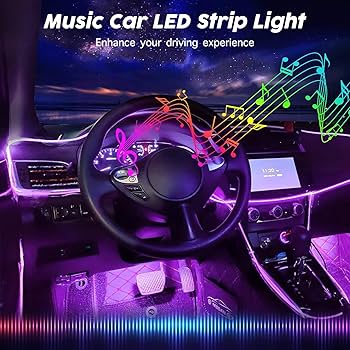
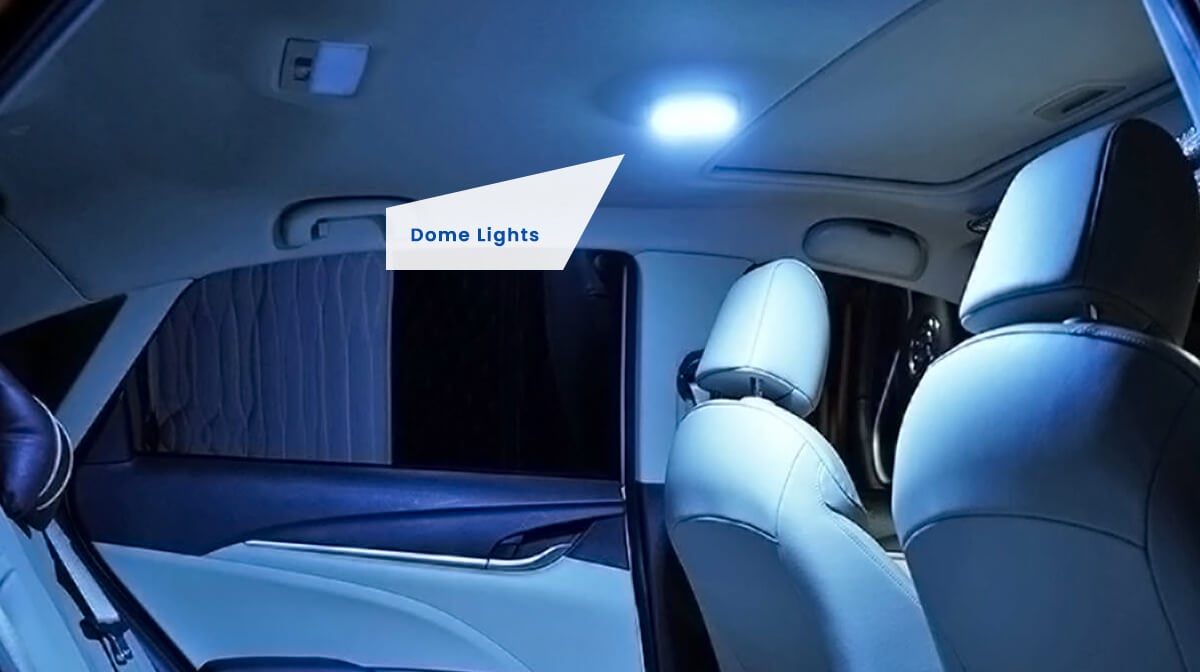
LEDs light up your car’s inside. They make the cabin look modern and stylish. You can change colors with some LED kits.
| Type | Use | Color Options |
| LED Dome Lights | Ceiling light inside car | White, warm white |
| LED Strip Lights | Under dashboard or seats | Red, blue, green, multicolor |
| LED Map Lights | Reading lights for passengers | White |
Underbody And Accent Lights
Underbody LED lights glow under the car. Accent lights highlight parts of your car like the doors or wheels. They add a cool look.
- Underbody LEDs: Shine beneath the car for a glowing effect.
- Accent LEDs: Place on grills, wheel wells, or door edges.
- Available in many colors for style.
Brake And Signal Lights
LED brake lights are brighter and faster than bulbs. Signal lights with LEDs blink clearly to alert drivers. They improve safety on the road.
Installation Considerations
Installing LED lights in your car can improve its look and visibility. You need to think about a few important points before starting.
These points help you avoid problems and keep your car safe. Let’s look at key things to check during installation.
Compatibility With Car Models
Not all LED lights fit every car model. Some cars have special shapes or sizes for lights.
Check your car’s manual or ask a professional to find the right LED type. Using the wrong size can cause damage or poor fit.
Wiring And Power Requirements
LED lights use less power but need proper wiring. Connect wires carefully to avoid shorts or power loss.
Check your car’s battery and electrical system to ensure it can handle the LED lights. Use correct fuses and connectors for safety.
- Use LED-compatible wiring harnesses
- Check voltage and current needs
- Secure all connections tightly
- Use proper fuses to protect circuits
Legal Regulations And Safety
Laws about car lights vary by area. Some colors or brightness levels are not allowed on public roads.
Check local rules before installing LED lights. Use only legal colors and brightness to stay safe and avoid fines.
- Research local vehicle lighting laws
- Avoid using colors like blue or red on headlights
- Keep brightness within legal limits
- Install lights where they do not blind other drivers
Tools And Materials Needed
You need some tools and materials to install LED lights properly. Having the right items makes the job easier.
- LED light kit designed for cars
- Wire stripper and cutter
- Electrical tape or heat shrink tubing
- Crimp connectors or soldering iron
- Multimeter to check voltage
- Screwdrivers and pliers
- Fuse tap or add-a-circuit adapter
Credit: www.amazon.ca
Step-by-step Installation Guide
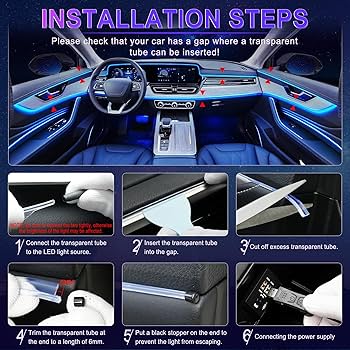
Installing LED lights in your car can improve visibility and style. This guide will help you install them safely and correctly.
Follow these clear steps to prepare, remove old lights, wire new LEDs, and test your installation.
Preparing The Vehicle
Start by parking your car on a flat surface and turning off the engine. Open the hood and disconnect the battery to avoid electric shock.
Gather all tools you need, such as screwdrivers, pliers, and the LED light kit.
Removing Old Lights
Locate the screws or clips holding the old light covers. Use the screwdriver to remove them carefully.
- Remove the light cover gently to avoid damage.
- Disconnect the old light wiring harness.
- Take out the old bulb from its socket.
- Keep screws and covers safe for reinstallation.
Wiring Led Lights
Match the LED light wires with your car’s wiring colors. Usually, red is positive and black is negative.
| Wire Color | Function |
|---|---|
| Red | Positive (+) Power |
| Black | Negative (-) Ground |
| Blue | Optional Signal |
Use wire connectors or electrical tape to secure connections. Avoid loose or exposed wires.
Testing And Adjustment
Reconnect the battery and turn on your car’s lights. Check if the LED lights turn on and shine brightly.
- Inspect all connections for safety and firmness.
- Adjust the light angles for best road coverage.
- Replace the light covers and secure them tightly.
- Test the lights again after installation is complete.
Common Challenges And Solutions
Installing LED lights in your car can improve its look and safety. Still, some common issues may arise. Knowing these challenges helps you find the right solutions.
This guide covers flickering, heat, waterproofing, and brightness problems. Each section explains causes and fixes.
Flickering Issues
Flickering lights happen due to poor wiring or incompatible parts. Loose connections or voltage drops cause this problem.
- Check all wiring for tight connections.
- Use LED-compatible resistors or adapters.
- Replace faulty fuses or relays.
- Test with a multimeter to find voltage drops.
Heat Management
LEDs produce less heat than bulbs but still get warm. Heat can shorten LED life or cause damage.
Use these tips to manage heat:
- Choose LEDs with built-in heat sinks.
- Install lights in well-ventilated areas.
- Avoid placing LEDs near hot engine parts.
- Use thermal paste if mounting on metal surfaces.
Waterproofing Concerns
Water can damage LED lights and cause short circuits. Waterproofing is essential for outdoor or exposed parts.
| Common Waterproofing Methods | Details |
| Silicone Seals | Blocks water entry at joints |
| Waterproof Casings | Protect entire LED unit |
| Heat Shrink Tubing | Wraps wires to seal connections |
| Conformal Coating | Thin layer to shield circuit boards |
Ensuring Proper Brightness
Too bright or too dim LEDs reduce safety and comfort. Correct brightness depends on purpose and location.
Follow these tips for right brightness:
- Check your car’s manual for recommended brightness levels.
- Choose LED bulbs with appropriate lumen output.
- Adjust angle and placement for even light spread.
- Use dimmers or resistors if LEDs are too bright.
Credit: www.santacruzforums.com
Maintenance Tips For Led Lights
LED lights in cars are popular for their brightness and energy efficiency. Keeping them well-maintained helps them last longer and work better.
Simple care steps can prevent problems and keep your car lighting clear and safe on the road.
Cleaning Techniques
Clean LED lights gently to avoid damage. Use a soft cloth and mild cleaner to wipe off dirt and dust.
Do not use harsh chemicals or rough materials that can scratch the lens or cover of the lights.
- Turn off lights before cleaning
- Use a microfiber cloth
- Apply gentle soap mixed with water
- Dry with a soft, dry cloth
Regular Inspection
Check your LED lights regularly to find any signs of wear or damage. Look for flickering or dimming lights.
Inspect wiring and connections to ensure they are tight and not corroded. This keeps your lights working safely.
- Look for cracked or broken lenses
- Test each LED light to check brightness
- Check wiring for frays or loose ends
- Listen for unusual sounds from the light system
Replacing Faulty Leds
Replace LED bulbs that do not work well. Faulty LEDs can reduce light quality and safety.
Use the correct type of LED bulbs for your car model to avoid electrical issues.
- Turn off power before replacing
- Handle bulbs with gloves or cloth
- Match new LEDs to original specs
- Test lights after replacement
Upgrading And Customization
You can upgrade LED lights to improve brightness or style. Custom colors or shapes add a personal touch.
Choose upgrades that fit your car’s electrical system and meet road safety rules.
- Pick LED kits designed for your car
- Check power requirements before buying
- Follow instructions carefully during installation
- Test lights on different settings
Credit: www.suncentauto.com
Frequently Asked Questions
Can Led Lights Be Installed Inside A Car?
Yes, LED lights can be installed inside a car. They enhance interior aesthetics and improve visibility. Proper installation ensures safety and prevents electrical issues.
Are Led Car Lights Legal On Roads?
LED car lights are generally legal if they meet local regulations. Avoid colors and brightness levels that distract other drivers. Always check your area’s specific laws before installation.
Do Led Lights Consume Less Car Battery Power?
Yes, LED lights consume significantly less power than traditional bulbs. This efficiency reduces battery drain and extends your car’s electrical system life. They are ideal for long-term use.
Can Led Lights Improve Car Safety?
LED lights improve car safety by offering brighter, clearer illumination. They enhance visibility during night driving and adverse weather. This helps prevent accidents and ensures safer journeys.
Conclusion
Installing LED lights in your car offers many benefits. They use less energy and last longer. LEDs also provide brighter light, improving visibility. This can enhance safety during night drives. Always check local regulations before making changes. Some areas have rules about car lighting.
Choose high-quality LED lights for the best results. They can make your car look modern and stylish. Plus, they are easy to install. With these tips, you can enjoy a brighter, safer drive.