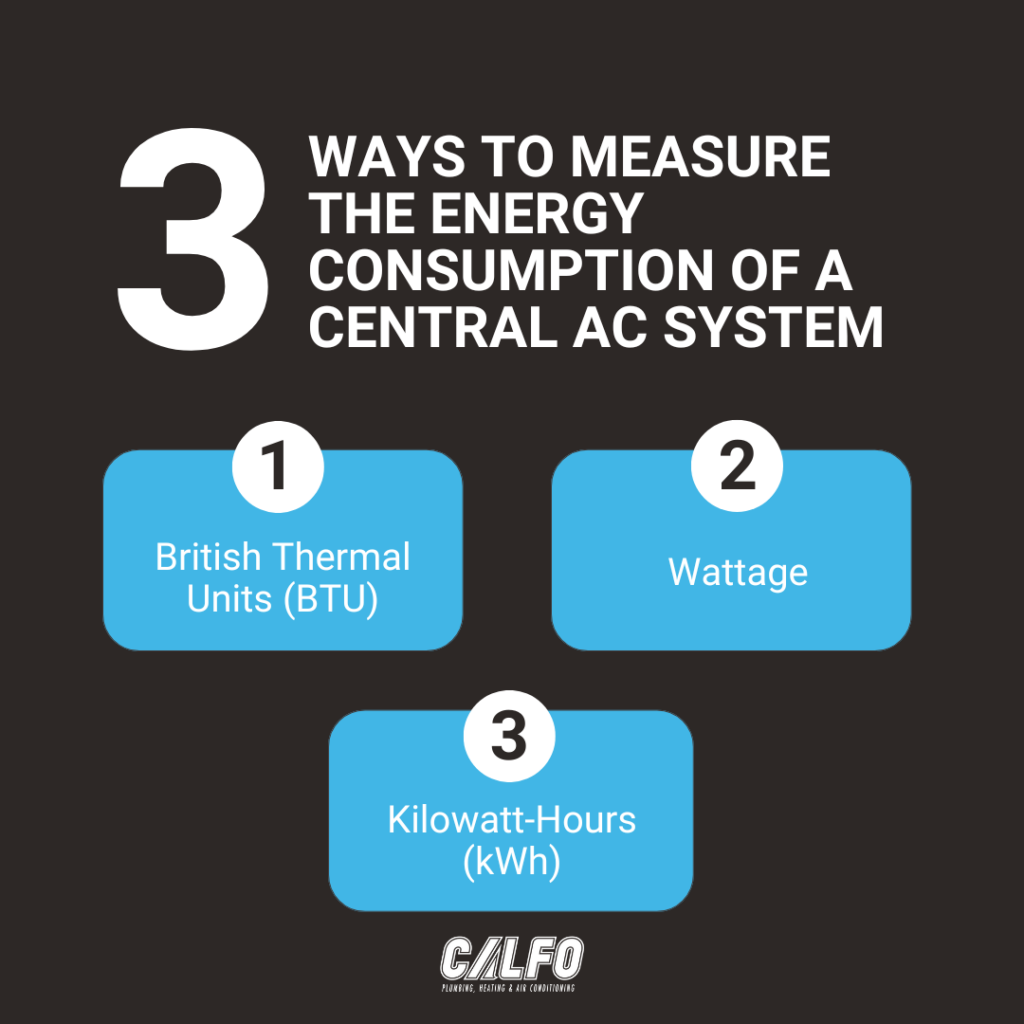
Have you ever wondered how many watts your air conditioner uses? Knowing this can help you save money on electricity and keep your home comfortable without surprises on your bill.
Understanding the power consumption of your AC is easier than you think, and it can make a big difference in your energy choices. Keep reading, and you’ll discover the simple facts that can help you take control of your cooling costs today.

Credit: udpwr.com
Air Conditioner Wattage Basics
An air conditioner uses electricity to cool your home. The amount of power it needs is measured in watts. Knowing the wattage helps you understand energy costs and choose the right unit.
This guide explains typical wattage ranges and the main factors that affect power use.
Typical Wattage Range
Air conditioner wattage can vary a lot. Small window units use less power, while large central systems use much more. Here is a general idea of wattage ranges:
- Window units: 500 to 1,500 watts
- Portable ACs: 900 to 1,400 watts
- Split systems: 1,000 to 2,500 watts
- Central AC systems: 2,000 to 5,000 watts or more
Factors Affecting Power Use
Several things change how much power an air conditioner uses. These factors include size, temperature settings, and how well your home holds cool air.
| Factor | Effect on Wattage |
| Unit Size | Larger units use more watts |
| Cooling Capacity (BTU) | Higher BTU means higher power use |
| Thermostat Setting | Lower temperature uses more energy |
| Room Insulation | Poor insulation increases power needs |
| Outdoor Temperature | Hotter days raise wattage use |
Credit: www.renogy.com
Types Of Air Conditioners
Air conditioners come in various types to suit different needs and spaces. Each type uses watts differently to cool your room. Understanding these types can help you choose the right one.
This guide covers four main types: window units, split systems, portable models, and central air systems. Each type has unique features and power requirements.
Window Units
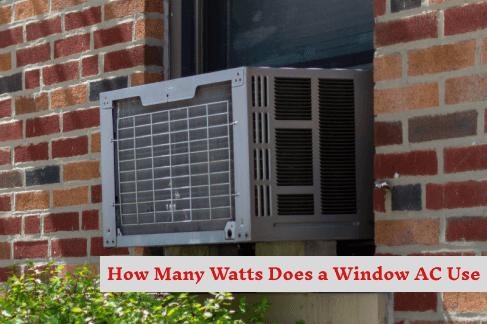
Window units are compact air conditioners that fit into a window. They are common in small rooms and apartments. These units usually use between 500 and 1500 watts, depending on size and cooling capacity.
Split Systems
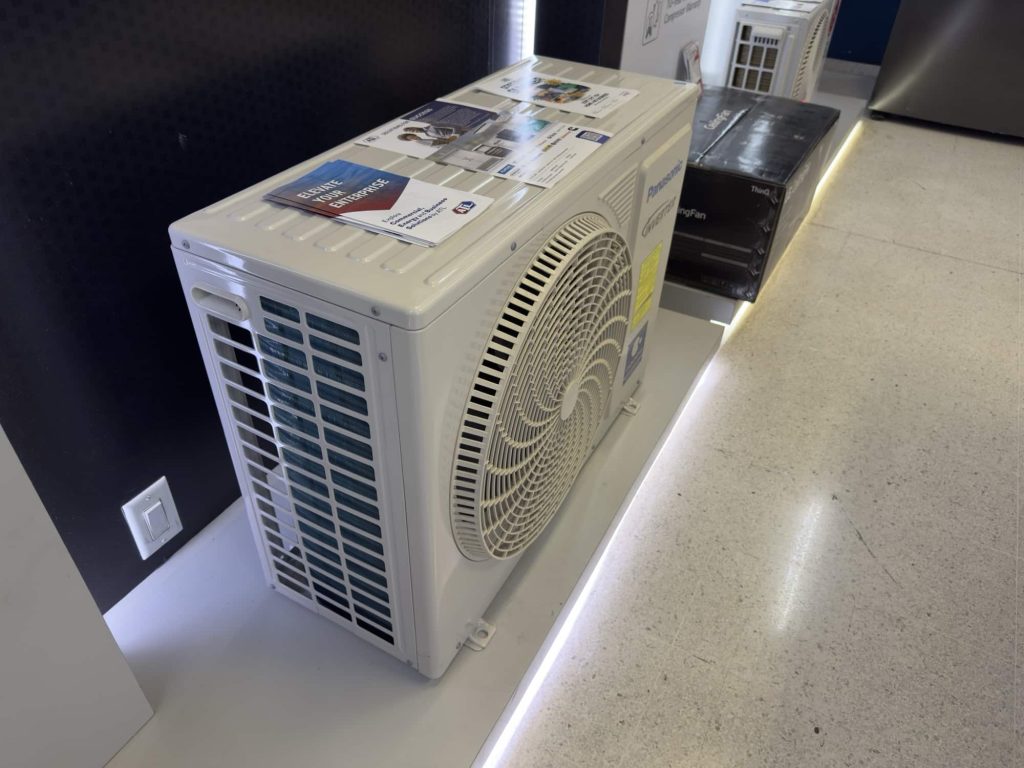
Split systems have two parts: an indoor unit and an outdoor compressor. They are quieter and more efficient than window units. Their power use ranges from 1000 to 3000 watts, depending on room size.
Portable Models
Portable air conditioners can move from room to room. They need a vent to the outside through a window or wall. Portable units usually use between 800 and 1500 watts.
- Easy to move and install
- Good for temporary cooling
- Power use varies by size
- Require venting for hot air
Central Air Systems
Central air systems cool entire buildings. They use ducts to distribute air evenly. These systems are powerful and can use from 2000 to over 5000 watts.
| Type | Typical Watt Usage | Best For |
| Window Units | 500–1500 watts | Single rooms, small spaces |
| Split Systems | 1000–3000 watts | Medium to large rooms |
| Portable Models | 800–1500 watts | Temporary cooling, flexible use |
| Central Air Systems | 2000–5000+ watts | Whole buildings, multiple rooms |
Calculating Energy Consumption
Knowing how many watts an air conditioner uses helps you track energy use. This can save money and reduce electricity bills.
We will explain how wattage relates to cooling power, estimate daily use, and check energy ratings.
Wattage Vs Btu
Watts measure electrical power, while BTU shows cooling power. Both help choose the right air conditioner.
More BTUs mean more cooling but usually more watts used. Typical units use between 500 to 1500 watts.
- 1000 BTU ≈ 293 watts of cooling power
- Example: A 6000 BTU AC uses about 600 watts
- Larger rooms need ACs with higher BTU and wattage
Estimating Daily Usage
Calculate daily energy by multiplying watts by hours used. This gives watt-hours or kilowatt-hours (kWh).
Example: A 1000-watt AC running for 5 hours uses 5000 watt-hours or 5 kWh.
- Check the AC’s wattage on the label
- Estimate hours you run it daily
- Multiply watts by hours for daily use
- Divide by 1000 to get kWh
Energy Efficiency Ratings
Energy ratings show how well an AC uses power. Higher ratings mean better efficiency.
Look for SEER or EER ratings to compare models. Higher numbers save energy and money.
| Rating | Meaning |
|---|---|
| SEER | Seasonal Energy Efficiency Ratio |
| EER | Energy Efficiency Ratio |
| Higher Number | Better energy use and cooling |
Impact On Electricity Bills
Air conditioners use electricity based on their wattage and how long they run. Understanding this helps you see how much your bills might rise.
The more watts an air conditioner uses, the higher the cost to cool your home. Let’s explore what affects your electricity bill.
Cost Per Watt Hour
Electricity cost depends on the price per watt hour and the AC’s power use. You pay for every watt the unit consumes while running.
| Power Usage (Watts) | Hours Used | Total Watt Hours | Cost per kWh ($) | Estimated Cost ($) |
| 1500 | 5 | 7500 | 0.12 | 0.90 |
| 2000 | 5 | 10000 | 0.12 | 1.20 |
Seasonal Usage Patterns
Air conditioner use changes with the seasons. Summer months need more cooling, causing higher bills. Winter usually means less or no use.
- Use AC daily in hot months
- Use less or no AC in cooler months
- Electricity bills can double in summer
- Seasonal habits affect yearly costs
Tips To Lower Costs
Simple actions can help you save money on your electricity bills while using an air conditioner.
- Set the thermostat to a higher temperature when not home
- Use fans to help cool rooms faster
- Close curtains to block sunlight
- Maintain the AC unit for efficiency
- Use energy-efficient air conditioners
Choosing The Right Air Conditioner
Picking the right air conditioner depends on the size of the space you want to cool. Using the right wattage helps keep your home comfortable and saves energy.
Knowing how many watts your air conditioner uses can help you choose a model that fits your needs and budget.
Sizing For Your Space
It is important to match the air conditioner’s power to your room size. Too small units will not cool well. Too large units use extra energy and cost more.
| Room Size (sq ft) | Recommended Wattage (Watts) |
| 100-250 | 500-1000 |
| 250-500 | 1000-2000 |
| 500-1000 | 2000-3500 |
| 1000-1500 | 3500-5000 |
| 1500+ | 5000+ |
Energy Star Ratings
Energy Star ratings show how efficient an air conditioner is. Models with this rating use less electricity and lower your bills.
- Look for the Energy Star label on the product.
- Higher ratings mean better energy use.
- Energy efficient models help reduce carbon footprint.
- They may cost more upfront but save money over time.
Smart Features For Efficiency
Smart air conditioners have features to save power and add comfort. These features help you control cooling easily and reduce waste.
- Programmable timers to turn off when not needed
- Remote control via phone apps
- Adaptive cooling that adjusts to room temperature
- Energy-saving modes for low power use
Credit: www.kompulsa.com
Alternative Cooling Solutions
Air conditioners use a lot of watts to cool a room. This can raise your electricity bill. Many people look for other ways to stay cool without high power use.
Below are some cooling solutions that use less energy. These options can help you save money and reduce environmental impact.
Evaporative Coolers
Evaporative coolers use water to cool air. They work best in dry climates. These coolers use much less power than air conditioners.
- Draw warm air through wet pads
- Air cools as water evaporates
- Use simple fan motors with low wattage
- Cost less to run and maintain
Fans Vs Air Conditioners
| Feature | Fans | Air Conditioners |
| Power Use (Watts) | 30–100 | 500–1500+ |
| Cooling Method | Circulate air | Remove heat and moisture |
| Best For | Small areas, personal cooling | Whole rooms or homes |
| Cost to Run | Low | High |
Fans move air to help sweat evaporate. They do not lower room temperature. Air conditioners cool by removing heat. This uses more energy.
Solar-powered Ac Options
Solar-powered air conditioners use energy from the sun. They can reduce electricity costs. These systems often combine solar panels with battery storage.
- Solar panels collect sunlight
- Energy powers the air conditioner
- Can work off-grid
- Initial setup cost can be high
Frequently Asked Questions
How Many Watts Does A Typical Air Conditioner Use?
A typical air conditioner uses between 500 to 1500 watts per hour. Usage depends on size, type, and efficiency. Larger units consume more power. Energy-efficient models use less electricity, saving money on bills. Always check the AC’s wattage label for exact power consumption.
What Affects An Air Conditioner’s Wattage Consumption?
Factors like room size, unit capacity, and energy efficiency impact wattage. Larger rooms need higher-capacity ACs, consuming more watts. Older models usually use more electricity than newer, energy-efficient ones. Usage patterns and temperature settings also influence total power consumption.
How Can I Reduce My Air Conditioner’s Wattage Usage?
Use energy-saving settings and maintain your AC regularly. Clean filters improve efficiency and reduce power use. Set a reasonable temperature, around 24-26°C, to save energy. Using fans alongside the AC can help cool faster with less electricity.
What Wattage Is Needed For A 1-ton Air Conditioner?
A 1-ton air conditioner typically uses around 1000 to 1400 watts per hour. This varies based on model efficiency and usage conditions. It’s ideal for cooling small to medium-sized rooms efficiently without high electricity consumption.
Conclusion
Understanding the wattage of your air conditioner is important. It helps manage energy use. Lower wattage units save electricity. This cuts down on bills. Larger units may need more watts. But they cool larger spaces better. Choosing the right air conditioner depends on your needs.
Consider room size and energy efficiency. Compare options before buying. Always check the energy label. It guides your decision. Knowing the watts helps make informed choices. Enjoy a cool home without breaking the bank. Stay cool, stay efficient.