Looking for a way to cool your space without the hassle of bulky hoses? You might be wondering, are there portable air conditioners without hoses?
If you want a simple, flexible cooling solution that moves with you and doesn’t require complicated setup, this question is key. You’ll discover the truth about hose-free portable air conditioners, how they work, and whether they’re the right fit for your home or office.
Keep reading to find the perfect cool breeze for your comfort—no strings attached.

Credit: www.amazon.ca
How Portable Acs Work
Portable air conditioners cool rooms by removing heat from the air. They are easy to move and do not need permanent installation.
Understanding how these units work helps you choose the right one for your space and needs.
Cooling Mechanism
Portable ACs work like small refrigerators. They pull warm air from the room, cool it, and send the cool air back.
- The unit uses a refrigerant to absorb heat from the air.
- A compressor compresses this refrigerant, raising its temperature.
- The hot refrigerant passes through coils where a fan blows outside air to cool it.
- The refrigerant cools down and flows back to absorb more heat inside.
- This cycle repeats to keep the room temperature low.
Role Of Hoses
Most portable ACs use hoses to remove hot air from the room. The hose connects the AC to a window or vent.
| Hose Function | Details |
| Exhaust Hot Air | Removes heat from the room to outside. |
| Maintain Pressure | Prevents warm air from returning inside. |
| Condensate Drain | Some hoses also drain water collected during cooling. |
Portable ACs without hoses exist but often work differently. They may use special cooling packs or evaporative cooling. These units are less common and usually cool smaller spaces.
Types Without Hoses
Some portable air conditioners work without hoses. These types cool the air differently. They do not need to vent hot air outside.
These units are usually smaller and easier to move. They are good for spaces without windows or vents.
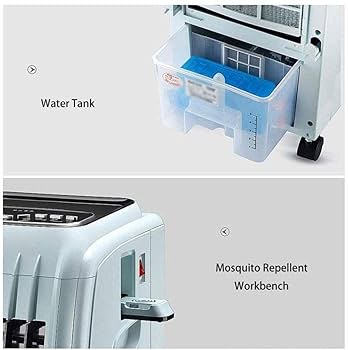
Evaporative Coolers
Evaporative coolers use water to cool the air. They pull warm air through wet pads. The air cools down as the water evaporates.
These coolers work best in dry climates. They add moisture to the air while cooling it. They do not need a hose to remove hot air.
- Use water to cool air
- Best for dry places
- Add humidity to the room
- No need for vent hoses
Thermoelectric Coolers
Thermoelectric coolers use electricity to move heat. They use a special plate to cool one side. The heat moves to the other side and goes away.
These coolers are quiet and small. They work well in small rooms. They do not need hoses because they do not blow hot air out.
- Use electric plates to cool air
- Good for small rooms
- Quiet operation
- No vent hoses required
Benefits Of Hose-free Models
Portable air conditioners without hoses offer a fresh take on cooling solutions. These models remove the need for bulky exhaust hoses.
This design change brings several benefits that make cooling easier and more flexible for many users.
Portability
Hose-free air conditioners are easier to move around. They weigh less because they do not have attached hoses or window kits.
- Lightweight design for simple transport
- No need to carry or store extra parts
- Works well in multiple rooms or spaces
Ease Of Use
Without hoses, setting up the unit is fast and simple. Users avoid cutting holes or installing complicated vent systems.
| Feature | Hose-Free Model | Hose Model |
|---|---|---|
| Setup Time | Under 5 minutes | 15 to 30 minutes |
| Installation Tools Needed | None | Basic tools required |
| Window Modification | No | Yes |
Space-saving
These models take up less room because they lack bulky hoses. This makes them ideal for tight spaces and small rooms.
- Fits easily in corners or small areas
- Less clutter without hoses running across floors or windows
- Can be stored compactly when not in use
Credit: www.temu.com
Limitations To Consider
Portable air conditioners without hoses offer easy setup and mobility. They do not need venting outside through a window or wall.
These units have some limits that affect their cooling power and overall comfort. Knowing these helps you decide if they fit your needs.
Cooling Efficiency
Air conditioners without hoses usually cool less efficiently than those with hoses. They recycle indoor air instead of venting hot air outside.
This process makes it harder to lower the room temperature quickly. The units may use more electricity to keep the room cool.
Humidity Impact
Without a hose, these air conditioners cannot remove moisture well. They may cause the room to feel more humid instead of drier.
High humidity can reduce comfort and make the room feel warmer than the actual temperature.
Room Size Compatibility
Portable AC units without hoses often work best in small rooms. They may struggle to cool larger spaces effectively.
- Small rooms up to 150 square feet
- Lower cooling power limits
- May not cool open or multiple connected rooms
When To Choose Hose-free Acs
Portable air conditioners usually need a hose to vent hot air outside. Some models work without hoses. These hose-free ACs cool the air in a different way.
Choosing a hose-free AC depends on where you plan to use it and what features you want. This guide explains the best times to pick hose-free units.
Suitable Environments
Hose-free air conditioners work best in specific places. They do not need a window or vent for the hot air. This makes them good for rooms without easy vent access.
- Small rooms or offices without windows
- Spaces where you cannot drill holes or install vents
- Temporary setups like dorm rooms or rental apartments
- Areas with poor window access or unusual window shapes
User Preferences
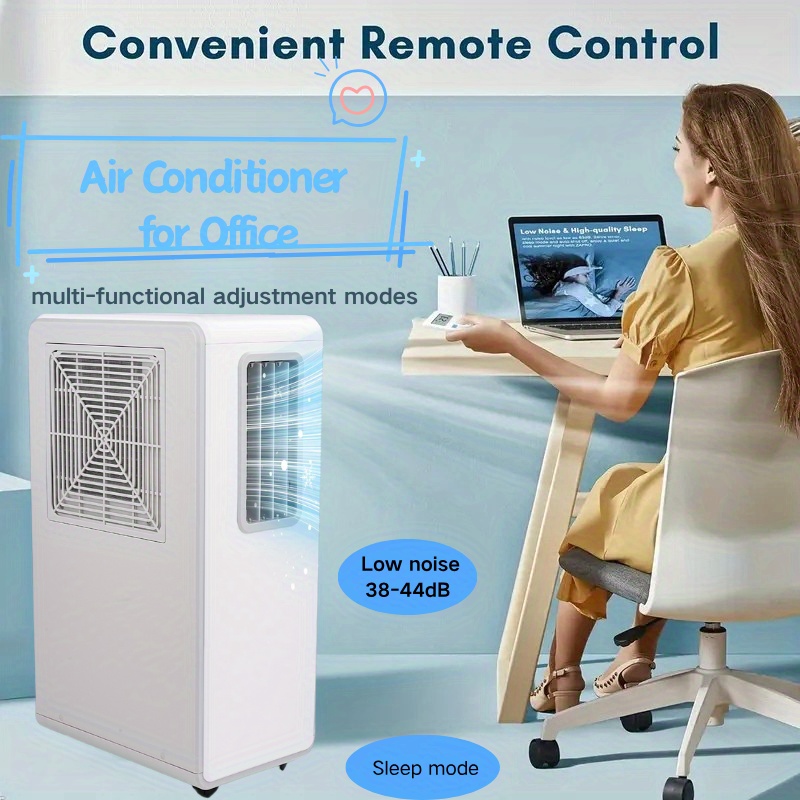
Some users prefer hose-free ACs because they need less setup and more flexibility. These units are often lighter and easier to move.
| Preference | Reason to Choose Hose-Free AC |
| Easy installation | No vent or hose needed |
| Portability | Lighter and simpler to move |
| Rental restrictions | No damage to walls or windows |
| Low maintenance | No hose cleaning required |
Credit: www.forbes.com
Top Hose-free Portable Acs
Portable air conditioners usually need hoses to vent hot air outside. Some models work without hoses for easier use. These hose-free portable ACs cool the room without complex setups.
This article covers popular brands and key features of hose-free portable air conditioners. Learn what to expect from these convenient cooling units.
Popular Brands
Several brands offer portable air conditioners without hoses. These models often use evaporative cooling or fan-based technology. Brands like Honeywell and Evapolar are well-known in this space.
- Honeywell: Known for compact evaporative coolers
- Evapolar: Offers personal air coolers without venting
- COMFIER: Produces small fan-based coolers
- Ontel: Focuses on portable and easy-to-use coolers
Key Features
Hose-free portable ACs have unique features. They are lighter and easier to move than traditional ACs. These units use water or ice to cool the air instead of refrigerants and hoses.
- Evaporative cooling that adds moisture to the air
- Low power consumption compared to regular ACs
- Compact size fits small rooms and desks
- Quiet operation suitable for bedrooms and offices
- Simple controls with adjustable fan speeds
- No need to install hoses or vents
Installation Tips
Portable air conditioners without hoses offer easy placement options. They do not require venting to the outside. This makes installation simpler than traditional units.
Still, some setup guidelines help ensure good performance and safety. Proper placement and maintenance keep your unit working well.
Setup Guidelines
Choose a flat, stable surface for the unit. Keep it away from walls and furniture to allow air flow. Avoid direct sunlight to improve cooling efficiency.
- Place the unit near a power outlet
- Ensure at least 12 inches of space around the unit
- Keep it away from heat sources like ovens or lamps
- Use the unit indoors only in well-ventilated rooms
- Check the unit’s water tank and empty it regularly if needed
Maintenance Advice
Regular maintenance helps your portable air conditioner last longer. Clean the filters and check for dust buildup often.
| Maintenance Task | Frequency | How to Do It |
| Clean air filter | Every 2 weeks | Remove filter, wash with warm water, dry completely |
| Empty water tank | When full | Open drain plug or remove tank and pour out water |
| Check unit exterior | Monthly | Wipe with damp cloth to remove dust |
| Inspect power cord | Monthly | Look for damage or fraying |
Frequently Asked Questions
Are There Portable Air Conditioners Without Exhaust Hoses?
Yes, some portable air conditioners use evaporative cooling and don’t require exhaust hoses. These are called swamp coolers and work best in dry climates.
How Do Hose-free Portable Air Conditioners Cool Rooms?
Hose-free units use water evaporation or thermoelectric technology to cool air. They don’t vent hot air outside, so they’re less powerful than hose models.
Are Portable Air Conditioners Without Hoses Effective?
They can cool small spaces moderately but aren’t as effective as hose models. They’re best for mild heat and well-ventilated rooms.
What Are The Benefits Of Hose-free Portable Air Conditioners?
They are easy to install, lightweight, and portable. No window venting is needed, making them ideal for renters or small rooms.
Conclusion
Portable air conditioners without hoses offer convenience. They are easy to move. These units provide cooling without complicated setup. Perfect for small spaces. Quiet operation is a bonus. They use water or ice to cool air. Not as powerful as traditional units, though.
Consider the room size before buying. Larger spaces need stronger units. Portable units are ideal for specific needs. They add flexibility to cooling solutions. Always read reviews and check energy efficiency. Finding the right unit helps save money and energy.
Enjoy a cooler, more comfortable space with minimal hassle.