If you want to catch more fish, learning how to rig a fishing lure the right way is a game-changer. Imagine feeling the tug on your line and knowing your setup is perfect to bring in a big catch.
Whether you’re a beginner or looking to sharpen your skills, this guide will show you simple steps to rig your lure like a pro. Stick with me, and you’ll soon see how small changes in your rigging can make a huge difference in your fishing success.
Ready to boost your fishing game? Let’s dive in!
Credit: www.wired2fish.com
Choosing The Right Lure
Picking the right fishing lure is important for a good catch. The right lure helps attract fish and makes fishing easier.
You need to think about the type of lure, the fish you want to catch, and the water conditions. These factors help you choose well.
Types Of Fishing Lures
There are many types of fishing lures. Each type works best in different situations and for different fish.
- Spinnerbaits – these spin and flash to attract fish
- Crankbaits – dive underwater and look like small fish
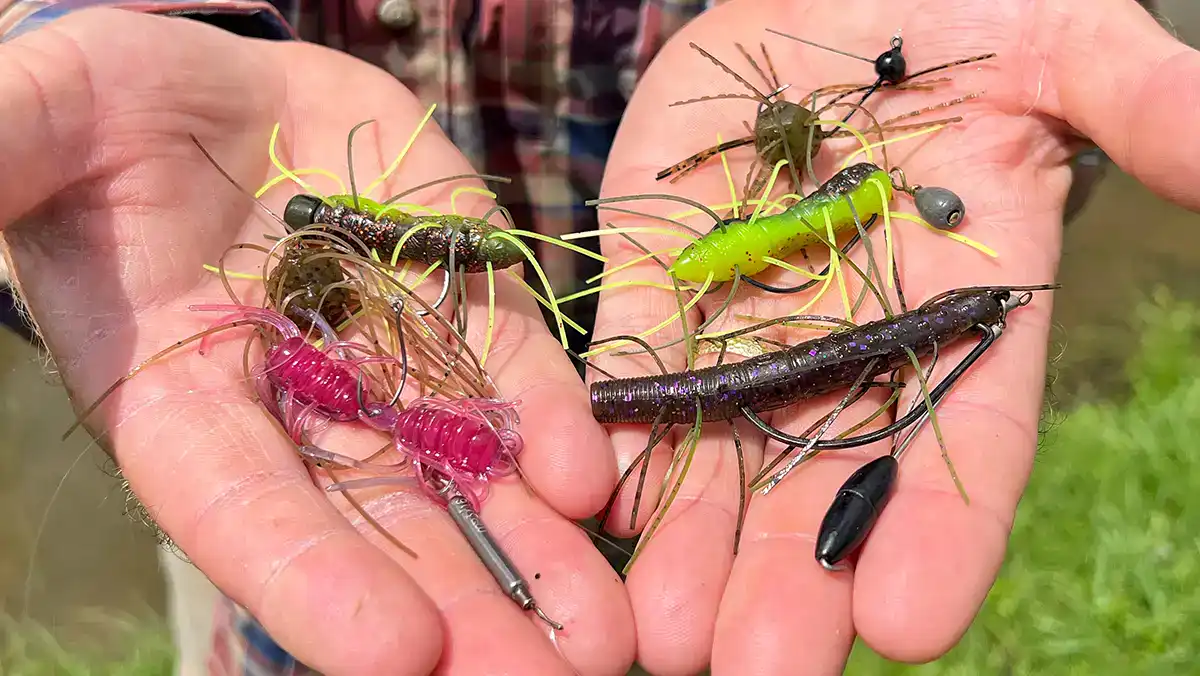
- Soft plastics – look like worms or other small creatures
- Jigs – have a weighted head and are good for bottom fishing
- Topwater lures – float and move on the surface
Matching Lures To Fish Species
Different fish like different lures. Knowing the fish species helps you pick the right one.
For example, bass like soft plastics and crankbaits. Trout prefer small spinners and flies. Choose lures that look like the fish’s natural food.
- Bass: soft plastics, crankbaits, jigs
- Trout: spinners, small crankbaits, flies
- Pike: large spoons, spinnerbaits
- Walleye: jigs, live bait rigs
Considering Water Conditions
Water clarity and depth affect lure choice. Bright colors work well in clear water. Dark colors show better in murky water.
Use deep-diving lures in deep water. Surface lures are good for shallow water or calm lakes. Match the lure to water and weather for best results.
- Clear water: natural colors, small lures
- Murky water: bright or dark colors, bigger lures
- Deep water: diving crankbaits, weighted jigs
- Shallow water: topwater lures, soft plastics
Essential Rigging Tools
Rigging a fishing lure needs the right tools to work well. These tools help secure knots and keep the lure moving naturally in water.
Using the proper gear makes fishing easier and increases your chance of catching fish. Let’s look at key rigging tools and how to use them.
Recommended Knots And Lines
Choosing the right knot and line is important for a strong rig. Some knots hold better and avoid slipping.
- The Palomar knot is strong and easy to tie.
- The Improved Clinch knot works well with most lines.
- The Loop knot allows the lure to move freely.
For lines, monofilament is flexible and good for beginners. Fluorocarbon is nearly invisible in water, helping to catch shy fish. Braided lines offer great strength for heavy lures.
Using Swivels And Snaps
Swivels and snaps are small tools that improve lure action and reduce line twist. They connect the line to the lure securely.
| Tool | Purpose | Benefit |
|---|---|---|
| Swivel | Prevents line twisting | Keeps line from tangling |
| Snap | Quick lure change | Saves time on the water |
| Snap Swivel | Combines both | Easy and efficient rigging |
Additional Rigging Accessories
Other rigging tools add convenience and improve fishing success. These include weights, beads, and leaders.
- Weights help the lure reach deeper water.
- Beads protect knots and add noise to attract fish.
- Leaders prevent fish from biting through the line.
Step-by-step Rigging Process
Rigging a fishing lure correctly helps you catch more fish. It makes the lure work well in the water.
Follow these steps to rig your lure the right way. This guide will help you attach hooks, tie knots, and check lure action.
Attaching Hooks Securely
Use strong split rings or swivels to attach hooks to your lure. Make sure the hook moves freely but stays firm.
Check the hook eye for any damage. Replace split rings if they look bent or weak to avoid losing fish.
- Open the split ring with pliers
- Slide the hook eye onto the ring
- Close the ring tightly to secure
Tying Effective Knots
Choose knots that hold well and do not slip. The Palomar and Improved Clinch knots are easy and strong.
Wet the line before tightening the knot. This reduces friction and keeps the line from weakening.
- Thread the line through the hook eye
- Make the knot following simple steps
- Pull tight and trim excess line
Ensuring Proper Lure Action
Make sure the lure moves naturally in the water. Test by pulling it slowly and watching its motion.
If the lure spins or dives oddly, adjust the hooks or split rings. Proper action attracts more fish.
- Check lure balance before fishing
- Adjust hook placement if needed
- Use swivels to reduce line twist

Credit: mysterytacklebox.com
Tips For Different Fishing Techniques
Rigging a fishing lure correctly helps improve your chances of catching fish. Different techniques need different setups.
This guide covers tips for topwater lures, deepwater rigging, and using soft plastics.
Topwater Lure Setup
Topwater lures float on the surface. They attract fish by creating splashes and noise.
Use a strong knot to tie the lure. Make sure hooks are sharp and secure. Use a light leader line for better action.
- Choose a lure that matches local prey size
- Use a braided line for better sensitivity
- Cast beyond the target spot and retrieve slowly
Deepwater Rigging
Deepwater fishing needs lures to reach the bottom or mid-depths. Use heavier weights or sinker rigs.
Attach a swivel to prevent line twist. Use a strong knot and check the leader for damage.
- Use a sliding sinker rig for bottom fishing
- Try weighted jig heads for mid-depth fishing
- Check your line strength and replace if frayed
Using Soft Plastics
Soft plastic lures need careful rigging to keep natural movement. Choose the right hook size for the lure.
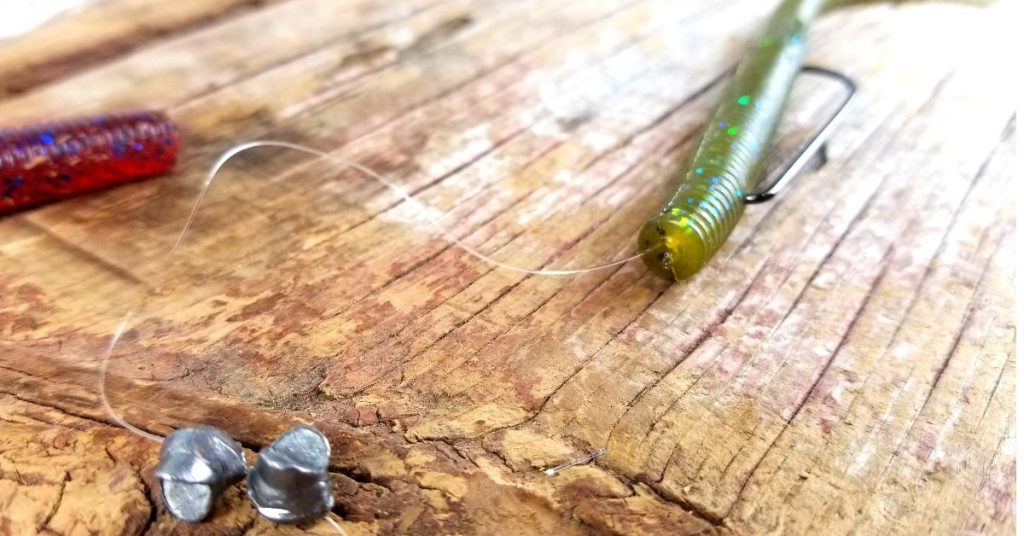
Texas and Carolina rigs work well for soft plastics. Insert the hook point into the lure and hide it to avoid snags.
- Use a bullet weight for Texas rigs
- Keep the hook point just inside the plastic for weedless rigs
- Keep the lure straight on the hook for better action
Common Mistakes To Avoid
Rigging a fishing lure is simple but many anglers make basic errors. These mistakes reduce chances of catching fish.
Knowing what to avoid helps you rig your lure correctly. This guide covers common errors and how to prevent them.
Incorrect Knot Tying
Tying the wrong knot or tying it poorly can make your lure fall off. A weak knot breaks easily when you catch a fish.
Always check your knots before fishing. Practice tying strong knots like the Palomar or Improved Clinch knot.
- Make sure the knot is tight and neat
- Wet the knot before pulling it tight
- Trim extra line close to the knot
Wrong Lure Selection
Choosing the wrong lure wastes time and reduces your catch. Fish prefer different lures by size, color, and action.
Match your lure to the type of fish and water conditions. Bright colors work well in murky water, natural colors in clear water.
- Use smaller lures for small fish species
- Pick lure colors based on water clarity
- Consider the fish’s feeding habits
Ignoring Line Strength
Using a fishing line that is too weak causes breaks. A strong line holds bigger fish and handles rough conditions better.
Check the line’s test strength before rigging your lure. Match line strength to the fish species you want to catch.
- Use heavier line for larger fish
- Change old or damaged line regularly
- Balance line strength with lure size and weight

Credit: www.youtube.com
Maintenance And Care
Taking care of your fishing lure rig helps it last longer. Good maintenance keeps your gear working well.
Regular checks and proper storage prevent damage and save money on replacements.
Inspecting Rig Regularly
Check your rig before and after each fishing trip. Look for rust, cracks, or loose parts.
Small problems can become big if you ignore them. Fix issues early to avoid losing fish.
- Look at hooks for sharpness and rust
- Check knots to make sure they are tight
- Examine split rings and swivels for wear
- Inspect lure body for cracks or chips
Replacing Damaged Components
Swap out hooks or rings that are dull or broken. Use quality parts to keep your rig strong.
Replacing parts on time stops failures during fishing. It also keeps the lure working as it should.
- Use sharp, rust-resistant hooks
- Replace bent or weak split rings
- Change damaged swivels to avoid line twists
- Fix cracked lure bodies to keep action
Storing Lures Properly
Store your lures in a dry, cool place. Keep them separated to avoid tangles and damage.
Use tackle boxes with compartments or soft cases to protect your gear during transport.
- Dry lures before storing to stop rust
- Use plastic or foam dividers to keep lures apart
- Keep hooks covered to avoid injury and dullness
- Store in a place away from sunlight and heat
Frequently Asked Questions
What Is The Best Way To Rig A Fishing Lure?
The best way to rig a fishing lure depends on the lure type. Common methods include Texas rig, Carolina rig, and drop shot rig. Each method improves lure presentation and reduces snags, enhancing your chances of catching fish effectively.
How Do I Choose The Right Rig For My Lure?
Choose a rig based on water conditions and target fish species. For heavy cover, use Texas rig. For open water, Carolina rig works well. Match rig style with lure action for better results and improved fishing success.
Can Rigging Affect Fishing Lure Performance?
Yes, rigging greatly affects lure movement and attraction. Proper rigging ensures natural action, better hook sets, and fewer snags. Incorrect rigging can reduce lure effectiveness and decrease your catch rate.
What Tools Do I Need To Rig A Fishing Lure?
Essential tools include pliers, scissors, and a hook sharpener. Pliers help attach hooks and split rings. Scissors cut line neatly. A sharp hook improves hook sets, making your rig more efficient on the water.
Conclusion
Rigging a fishing lure takes practice and patience. Start with simple techniques. Use the right lure for the fish you want. Make sure to secure the knot tightly. Always check your line for any damage. Experiment with different lures and methods.
Each fishing trip offers new lessons. Enjoy the process and learn as you go. Soon, you’ll improve your skills. Share your experiences with friends and fellow anglers. Happy fishing!