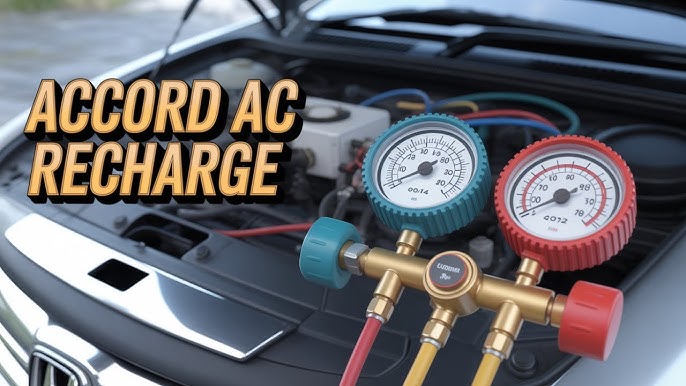
Is your car’s air conditioner not cooling like it used to? You might be wondering when it’s time to recharge it.
Knowing the right moment to recharge your car’s AC can save you from uncomfortable drives and costly repairs. You’ll discover the key signs that tell you your AC needs a recharge and how acting at the right time can keep your drives cool and stress-free.
Keep reading to learn exactly what to watch for and how to keep your car’s air conditioner running smoothly.

Credit: fairwayautoab.com
Why Ac Recharge Matters
Your car’s air conditioner needs the right amount of refrigerant to work well. Over time, the refrigerant can leak or get low.
Recharging the AC restores cooling power. It helps keep the car interior comfortable during hot days.
Improved Cooling Performance
Low refrigerant makes the AC blow warm air. Recharging adds the right amount back to the system.
This ensures the AC cools the car quickly and keeps the temperature steady.
Prevents Compressor Damage
The AC compressor needs refrigerant to stay cool and lubricated. Without enough refrigerant, the compressor can overheat.
Recharging the system protects the compressor and saves you from costly repairs.
Better Fuel Efficiency
A weak AC system makes your engine work harder, using more fuel. Proper refrigerant levels help the AC run smoothly.
This reduces the extra load on the engine and can improve your car’s fuel economy.
Avoids Costly Repairs
Ignoring low refrigerant can cause other parts of the AC to fail. Small leaks can turn into big problems.
Regular recharging helps catch leaks and keeps the system healthy, saving money in the long run.
Maintains Air Quality
A well-charged AC removes moisture from the air inside your car. This stops mold and bacteria from growing.
Fresh air improves comfort and reduces bad smells.

Credit: www.youtube.com
Common Signs Of Low Refrigerant
Low refrigerant in a car’s air conditioner causes poor cooling. It is important to recognize the signs early. This helps avoid damage and costly repairs.
Here are common signs that your car’s AC needs a recharge due to low refrigerant.
Weak Airflow
When refrigerant is low, the AC system struggles to cool the air. This often leads to weak airflow from the vents. You may feel only a light breeze instead of strong air.
Warm Air Blowing
One clear sign of low refrigerant is warm air coming from the AC vents. The system cannot cool the air properly. Instead of cold air, you get warm or room temperature air.
Unusual Noises
Low refrigerant can cause the AC compressor to make strange sounds. You might hear hissing, bubbling, or clicking noises. These sounds show the system is working harder than normal.
- Hissing sounds near the compressor
- Bubbling noises from the AC lines
- Clicking when turning AC on or off
- Grinding sounds if compressor is damaged
Foul Odors
Foul smells coming from the vents may mean low refrigerant. Moisture can build up and cause mold or mildew. This leads to bad odors inside your car.
| Odor Type | Possible Cause | Effect |
| Musty | Mold or mildew growth | Bad smell inside car |
| Sweet | Refrigerant leak | Health risk, poor cooling |
| Burnt | Electrical issue or compressor overheating | Potential damage to AC system |
Impact Of Low Refrigerant On Ac Performance
Low refrigerant levels in a car’s air conditioner reduce its cooling ability. The AC system needs the right amount of refrigerant to work well.
When refrigerant runs low, the air conditioner cannot remove heat effectively. This leads to warm air inside the car and less comfort for passengers.
Reduced Cooling Efficiency
Low refrigerant causes the AC to cool the air less. The system struggles to lower the cabin temperature, especially on hot days.
Increased Wear On Ac Components
When refrigerant is low, the AC compressor works harder to cool the car. This extra effort can cause damage and shorten the compressor’s life.
- Compressor overheating
- Increased mechanical stress
- Possible premature failure
Signs Of Low Refrigerant Levels
| Symptom | Effect on AC |
| Weak airflow | Less air comes out of vents |
| Warm air from vents | AC does not cool properly |
| Hissing noises | Leaks in the system |
| Frost on AC lines | Freezing due to low refrigerant |
Why Regular Ac Recharge Is Important
Recharging the AC keeps refrigerant at the correct level. This ensures the system cools efficiently and avoids damage.

Credit: www.youtube.com
How Often To Check Your Car Ac
Your car’s air conditioner needs regular care to work well. Checking it often helps keep you cool.
Knowing when to recharge your car AC saves money and avoids problems. Here is how often to check it.
Check Your Car Ac Every Year
It is good to check your car AC at least once a year. This keeps the system running smoothly.
Yearly checks help find leaks and low refrigerant before they cause damage.
Listen For Strange Noises
If your AC makes odd sounds, check it right away. Strange noises mean parts may be worn out.
Ignoring noise can lead to bigger problems and costly repairs.
Watch For Weak Cooling
Check your AC if the air feels warm or weak. This means the refrigerant may be low.
Weak cooling is a sign to recharge the AC soon for best performance.
Check Before Hot Seasons
Inspect your car AC before summer or any hot season. You want it working well when you need it most.
Early checks prevent discomfort and breakdowns in hot weather.
Look For Water Or Oil Leaks
Check under your car for water or oil drops. Leaks can mean your AC needs service or recharge.
- Water leaks may show blocked drains
- Oil leaks can mean refrigerant loss
- Both need prompt attention
Steps To Recharge Your Car Ac
Recharging your car air conditioner helps keep it cool during hot days. This process adds refrigerant, which is the cooling gas inside the AC system.
Follow the steps below carefully to recharge your car AC safely and correctly.
Gathering Tools And Materials
Before starting, collect all tools and materials needed for the recharge. Having everything ready makes the job easier and safer.
- Refrigerant can (check the type recommended for your car)
- AC recharge hose with pressure gauge
- Gloves and safety glasses
- Vehicle owner’s manual
- Rags or cloth to clean any spills
Locating The Low-pressure Port
Find the low-pressure port on your car’s AC system. This is where you will attach the recharge hose to add refrigerant.
The low-pressure port usually has a cap marked with an “L” or blue color. Check the owner’s manual to find its exact location.
- Open the hood of your car
- Locate the AC lines near the firewall or compressor
- Identify the smaller diameter line with the low-pressure port
- Remove the cap carefully
Adding Refrigerant Safely
Attach the recharge hose to the low-pressure port. Make sure the connection is tight to avoid leaks.
Start the car and turn the AC to the highest setting. Watch the pressure gauge as you add refrigerant slowly.
- Add refrigerant in short bursts to avoid overcharging
- Stop adding when the pressure reaches the recommended level
- Do not add refrigerant if the pressure is too high already
- Replace the port cap after finishing
- Check the AC cooling performance after recharging
When To Seek Professional Help
Knowing when to recharge your car’s air conditioner is important for comfort. Some signs mean you should see a professional. They can safely check and fix problems.
Trying to recharge the AC yourself can cause damage or waste refrigerant. Professionals have the right tools and knowledge to handle this work.
Signs Of Low Refrigerant
If the air conditioner blows warm air or cools weakly, it may have low refrigerant. This usually means a leak or natural loss over time.
- Warm air from vents
- Longer cooling times
- Hissing sounds near AC parts
- Frost on AC lines
Leaks And Repairs
Leaks in the AC system need expert attention. Professionals can find leaks and fix them properly. Simply recharging without repair will not last.
| Problem | Professional Action |
| Refrigerant Leak | Locate and seal leak |
| Compressor Issues | Repair or replace compressor |
| Clogged Condenser | Clean or replace parts |
| Electrical Faults | Inspect and fix wiring |
Safety And Environmental Concerns
Handling refrigerants requires care. Professionals follow safety rules to protect you and the environment. Improper handling can cause injury or pollution.
Professional AC service includes:
- Safe removal of old refrigerant
- Proper disposal according to laws
- Use of approved refrigerant types
- Testing system pressure and leaks
Preventive Tips To Maintain Car Ac
Keeping your car’s air conditioner in good shape helps it cool better. Regular care stops big problems and saves money.
Knowing when to recharge your car AC is key. Follow these tips to keep your AC working well for a long time.
Regular Inspections
Check your car AC system often to catch small issues early. Look for leaks, strange noises, or weak airflow.
Inspect the refrigerant level. Low refrigerant means the AC needs recharging soon.
- Listen for unusual sounds from the AC compressor
- Look for oily spots under the car that signal leaks
- Feel the air; weak cold air shows a problem
- Check refrigerant levels yearly
Keeping The System Clean
Dirt and dust can block the AC system and reduce cooling. Clean parts help air flow and keep the AC working well.
Replace the cabin air filter regularly. Clean filters stop dust from entering and make air fresher inside the car.
- Clean or replace the cabin air filter every 12,000 miles
- Keep the AC vents free from dust and debris
- Wash condenser coils to remove dirt
Using The Ac Properly
Use the AC system the right way to avoid strain. Turn it on before driving to cool the car gradually.
Avoid running the AC at full power all the time. Give it breaks to prevent wear and save fuel.
- Start the AC a few minutes before driving
- Use recirculate mode to cool faster
- Turn off AC a few minutes before stopping
- Do not set temperature too low
Frequently Asked Questions
How Do I Know When To Recharge Car Ac?
You should recharge your car AC when cooling weakens noticeably. Check for warm air, reduced airflow, or strange noises. Regular inspections help detect low refrigerant early. Timely recharging maintains AC efficiency and prevents compressor damage.
How Often Should A Car Ac Be Recharged?
Typically, car AC should be recharged every 2-3 years. However, frequency depends on usage, leaks, and vehicle age. Regular maintenance checks help determine the right time for recharging. Proper servicing ensures consistent cooling performance.
Can Low Refrigerant Damage My Car Ac?
Yes, low refrigerant can harm the car AC system. It causes the compressor to overheat and fail prematurely. Recharging prevents damage and maintains optimal cooling. Always fix leaks before recharging to avoid recurrent issues.
What Are Common Signs Of Car Ac Needing Recharge?
Common signs include weak cooling, warm air, unusual noises, and a strong smell inside the car. Also, if the AC compressor cycles frequently, it may need recharging. Early detection ensures efficient repairs and comfort.
Conclusion
Regular air conditioner check-ups keep your car comfortable and cool. Recognize signs like weak airflow and unusual noises. These indicate a need for recharging. Ignoring these signs can lead to bigger issues. Fixing them early is wise and cost-effective. Always consult a professional for safe and efficient service.
This ensures long-lasting performance. Enjoy a refreshing drive every time. Stay cool, drive happy!