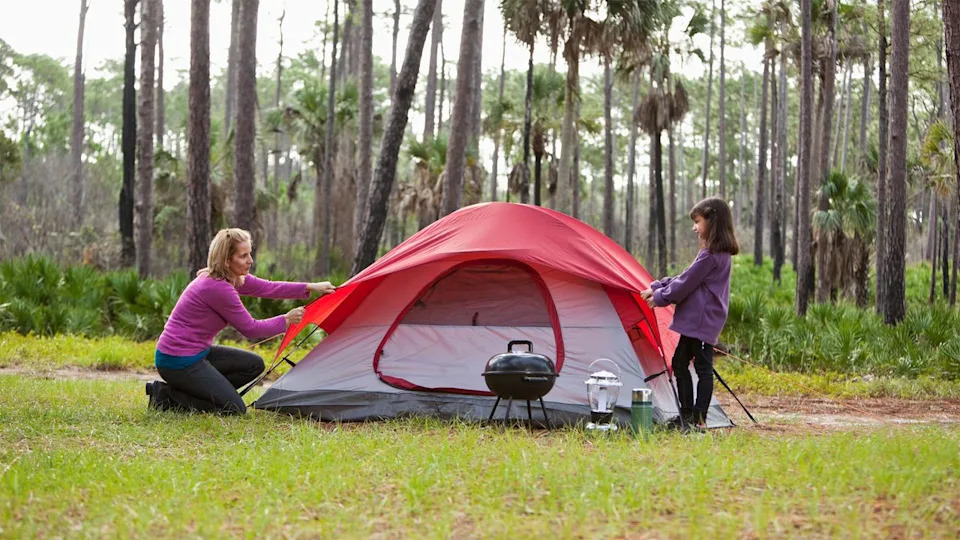
Have you ever heard someone say they’re going to “pitch a tent” and wondered what that really means? Whether you’re planning a camping trip or just curious about the phrase, understanding what pitching a tent involves can make your outdoor experience smoother and more enjoyable.
Imagine setting up your own cozy shelter in nature, knowing exactly what to do. Keep reading, and you’ll discover simple steps and tips that will help you master this skill quickly and confidently. By the end, you’ll feel ready to take on the great outdoors like a pro.
Pitching A Tent Basics
Pitching a tent means setting up a tent for camping or shelter. It is a simple skill that helps you stay safe and dry outdoors.
Knowing how to pitch a tent correctly makes your camping trip more comfortable. It also protects you from weather and insects.
Choosing The Right Spot
Pick a flat area to avoid discomfort while sleeping. Avoid spots near water or low places that can flood.
Look for a place with natural wind protection like trees or bushes. Check the ground for rocks or sharp objects.
Essential Tent Components
A tent has several parts that work together for shelter. Knowing them helps you set up your tent faster.
- Tent body:The main fabric that forms the shelter.
- Poles:Flexible rods that hold the tent up.
- Rainfly:A waterproof cover that protects from rain.
- Stakes:Metal pins that secure the tent to the ground.
- Guy lines:Ropes that add extra stability.
Tools Needed For Setup
Most tents come with all needed parts. You may need a few extra tools for easier setup.
- Hammer or mallet to drive stakes into hard ground
- Ground tarp to protect the tent floor
- Knife or scissors to cut ropes if needed
- Gloves to protect your hands during setup

Credit: www.advnture.com
Step-by-step Tent Setup
Pitching a tent means setting up a portable shelter outdoors. It is important for camping and outdoor fun.
Follow these steps to put your tent up correctly. This will keep you safe and comfortable outside.
Preparing The Ground
Choose a flat area free of rocks and sticks. Clear the ground so the tent floor stays clean and dry.
Remove sharp objects that can damage the tent. Make sure the spot is safe from water flow if it rains.
Assembling The Tent Frame
Unpack the tent poles and connect them as shown in the instructions. Most poles snap together easily.
Insert the poles into the tent’s sleeves or clips. This creates the tent’s shape and structure.
Securing The Tent
Place the tent on the ground and spread it out. Make sure the door is facing the right way.
Use tent stakes to pin the corners down. This keeps the tent stable in wind and rain.
- Push stakes through the tent’s loops
- Angle stakes away from the tent
- Hammer stakes fully into the ground
Adding The Rainfly And Stakes
Place the rainfly over the tent to protect from rain and wind. Align it with the tent’s shape.
Attach rainfly clips or ties to the tent frame. Use extra stakes to secure the rainfly’s edges.
- Check all corners for tightness
- Make sure rainfly covers all mesh parts
- Adjust stakes if needed for a snug fit
Common Tent Styles
Pitching a tent means setting up a shelter for camping. Different tents suit different needs and weather conditions. Knowing common tent styles helps you pick the right one.
Each tent style has unique shapes and features. Let’s explore four popular types.
Dome Tents
Dome tents have a curved shape with flexible poles crossing each other. They are easy to set up and stable in wind. Most dome tents fit two to four people.
A-frame Tents
A-frame tents look like the letter “A.” They have two poles at each end and a ridgepole on top. These tents are lightweight but offer less headroom inside.
Tunnel Tents
Tunnel tents use long, curved poles that create a tunnel shape. They provide good space and are great for families or groups. Their shape helps resist wind from one direction.
- More floor space than dome tents
- Good ventilation options
- Easy to enter and exit
- Can be connected to other tents
Pop-up Tents
Pop-up tents open quickly with built-in flexible frames. They fold into a small circle for easy carrying. These tents are best for short trips or festivals.
| Tent Style | Shape | Best For |
| Dome Tents | Curved, crossed poles | General camping, windy weather |
| A-Frame Tents | Triangle, ridgepole | Backpacking, lightweight needs |
| Tunnel Tents | Long, curved poles | Families, group camping |
| Pop-Up Tents | Flexible frame, quick setup | Short trips, festivals |

Credit: www.yahoo.com
Tips For A Successful Pitch
Pitching a tent means setting it up on the ground for camping. Doing this well makes your camping trip safe and comfy. Follow these tips to pitch your tent right every time.
Good tent pitching keeps you dry and secure. It helps you use space smartly and care for your gear. Read on to learn key tips for a smooth setup.
Dealing With Wind And Weather
Check the weather before you pitch. Pick a spot that shields you from strong winds. Use natural covers like trees or rocks.
Secure your tent well to avoid damage. Tighten all ropes and use strong stakes. Angle your tent so the narrow end faces the wind.
- Choose low, sheltered ground
- Use extra stakes in windy areas
- Tighten guy lines for stability
- Face tent door away from wind
Maximizing Space Inside
Keep your gear organized to save room inside. Use pockets and hooks in the tent for small items. This clears the floor for sleeping and moving.
Place your sleeping bags side by side. Use compact bags and mats to fit more people comfortably. Store shoes and backpacks outside or near the door.
- Use tent pockets and hooks
- Keep gear near the entrance
- Choose compact sleeping gear
- Clear floor space for comfort
Maintenance And Care
Keep your tent clean and dry to last longer. Shake out dirt and dry your tent after use. Store it in a cool, dry place away from sunlight.
Check your tent for tears or broken parts before each trip. Repair small holes with patch kits. Replace damaged stakes or poles promptly.
- Clean tent after every use
- Dry completely before storage
- Store in a cool, dry spot
- Repair tears and replace parts
Camping Gear To Complement Your Tent
Pitching a tent means setting it up for camping outdoors. Your tent is your shelter at night. To stay comfortable, you need some extra gear.
This gear makes your camping trip safer and more fun. It helps you rest well and keep your things organized.
Sleeping Bags And Pads
Sleeping bags keep you warm inside your tent. They come in different sizes and thicknesses. Choose one that fits the weather.
Sleeping pads go under your sleeping bag. They add comfort and stop cold from the ground. Some pads are inflatable, others foam.
- Pick sleeping bags rated for the temperature you expect
- Use sleeping pads with enough thickness for soft support
- Inflatable pads are lighter but can be punctured
- Foam pads are durable but bulkier
Lighting Options
Good lighting helps you move safely at night. It also creates a cozy space inside your tent. Bring easy-to-use lights.
Common options include headlamps, lanterns, and string lights. Headlamps free your hands. Lanterns light a larger area.
- Headlamps are best for hiking or setting up your tent
- Lanterns work well for group campsites
- Battery-powered string lights add a warm glow
- Always carry extra batteries or chargers
Storage Solutions
Keeping your gear organized helps you find things quickly. It also protects your items from dirt and moisture.
Use storage bags, boxes, or hanging organizers inside your tent. Label your bags to know what is inside.
- Stuff sacks keep clothes and small items tidy
- Plastic bins protect food and fragile items
- Hanging organizers save floor space inside the tent
- Waterproof bags keep electronics and papers dry
Troubleshooting Common Issues
Pitching a tent is simple but can come with some problems. Knowing how to fix these issues helps you enjoy camping more.
Common problems include broken poles, leaks, and poor ventilation. Below are tips to fix each issue easily.
Fixing Tent Poles
Tent poles can break or bend, making the tent unstable. Fixing poles quickly keeps your tent standing.
- Use a pole repair sleeve or wrap the broken section with duct tape.
- Replace broken sections with spare poles if you have them.
- Use strong string or wire to tie broken parts together temporarily.
- Carry a pole repair kit in your camping gear for emergencies.
Handling Leaks
Leaks can ruin your camping experience. Find leaks by checking for wet spots inside the tent after rain.
To fix leaks, use these steps:
- Locate the leak by feeling for wet areas.
- Apply waterproof tape or sealant on the outside of the tent.
- Use a tent seam sealer on stitched areas where water seeps through.
- Set up the tent on higher ground to avoid puddles.
- Keep the rainfly tight and properly positioned to divert water.
Addressing Ventilation Problems
Poor ventilation causes moisture buildup and discomfort inside the tent. Fix this to keep air fresh.
| Problem | Solution |
| Condensation inside the tent | Open vents and windows regularly |
| Stuffy air | Use mesh panels to improve airflow |
| Too much heat | Set up tent in shaded area |
| Rain blocks ventilation | Adjust rainfly to allow some airflow |

Credit: www.yahoo.com
Frequently Asked Questions
What Does Pitching A Tent Mean In Camping?
Pitching a tent means setting up a tent at a campsite. It involves unfolding, positioning, and securing the tent for shelter. This is essential for protection against weather and insects during outdoor activities.
How Do You Pitch A Tent Properly?
To pitch a tent properly, choose a flat area, clear debris, and stake the tent securely. Follow the tent’s instructions carefully for poles and rainfly placement. Proper pitching ensures stability and comfort.
Why Is Pitching A Tent Important?
Pitching a tent is important for safety, comfort, and shelter. It protects campers from rain, wind, and insects. A well-pitched tent enhances the outdoor experience by providing a secure resting place.
What Tools Are Needed For Pitching A Tent?
Basic tools for pitching a tent include stakes, a mallet or hammer, and sometimes guy lines. Most tents come with necessary equipment, but carrying extra tools helps in tough ground conditions.
Conclusion
Pitching a tent means setting up a shelter outdoors. It’s a vital skill for camping. This task involves choosing the right location. Also, knowing how to secure the tent is important. Tent pitching ensures a safe, comfortable camping experience. It connects you with nature.
Beginners can learn with practice and guidance. Always check your tent’s equipment beforehand. Remember to respect the environment. Leave no trace behind. Enjoy the adventure and peace of camping. With time, you will get better at it. Happy camping!