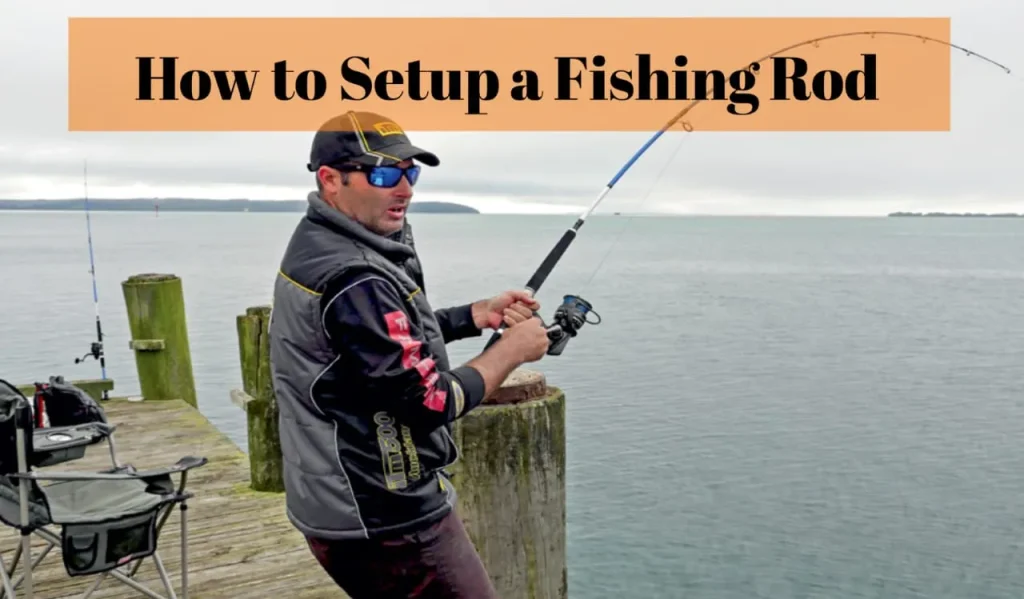
Setting up your fishing rod the right way can make all the difference between a frustrating day and a successful catch. Whether you’re a beginner or just need a quick refresher, getting your gear ready doesn’t have to be complicated.
In this guide, you’ll learn simple, step-by-step tips that will have your rod ready in no time. Ready to boost your confidence and improve your fishing skills? Let’s dive in and make sure your next trip is a winner.

Credit: www.youtube.com
Choosing The Right Rod
Choosing the right fishing rod is important for a good fishing experience. The rod you pick affects your catch and comfort.
Different rods suit different fish and water types. Learn about rod types, length, power, and materials before buying.
Types Of Fishing Rods
Fishing rods come in many types. Each type fits a specific fishing style and fish size.
- Spinning Rods:Easy to use, good for beginners and light lures.
- Baitcasting Rods:Offer control and power for heavier lures.
- Fly Rods:Designed for fly fishing with special lines.
- Trolling Rods:Built for dragging bait behind a moving boat.
Selecting Rod Length And Power
Rod length affects casting distance and control. Power is about the rod’s strength to handle fish weight.
| Rod Length | Best Use |
| Short (5-6 feet) | Close casting, small waters |
| Medium (6-7 feet) | General fishing, rivers, lakes |
| Long (7-9 feet) | Long casts, surf fishing |
| Power | Description |
| Light | Small fish, light lures |
| Medium | Most fish, versatile use |
| Heavy | Big fish, heavy lures |
Material Considerations
Fishing rods are made from different materials. Material affects rod weight, strength, and price.
- Fiberglass: Durable and flexible, good for beginners.
- Graphite: Lightweight and sensitive, better for experienced anglers.
- Composite: Mix of graphite and fiberglass, balances strength and flexibility.
Picking The Ideal Reel
Choosing the right reel is key to setting up your fishing rod. The reel affects casting, control, and comfort. Picking a reel that fits your style helps you enjoy fishing more.
This guide looks at different reel types, how to match your reel to your rod, and tips to keep your reel working well for a long time.
Spinning Vs Baitcasting Reels
Spinning reels and baitcasting reels are the two main types for fishing. Each has benefits and is good for certain fishing styles.
- Spinning Reels:Easy to use and good for beginners. They work well with light lines and lures. Spinning reels hang below the rod.
- Baitcasting Reels:Offer better control and power. They are good for heavier lines and bigger fish. Baitcasting reels sit on top of the rod.
Matching Reel To Rod
Your reel and rod should balance well. A heavy reel on a light rod can tire your arm fast. The rod’s handle size and reel seat must fit your reel securely.
| Rod Type | Recommended Reel | Reason |
| Light Rod | Spinning Reel | Works well with light lines and easy casting |
| Medium Rod | Spinning or Baitcasting Reel | Versatile for many fishing styles |
| Heavy Rod | Baitcasting Reel | Handles big fish and heavy lines better |
Reel Maintenance Tips
Taking care of your reel keeps it working smooth and lasting longer. Clean it after each use and check for damage.
- Rinse the reel with fresh water after fishing in saltwater.
- Dry the reel well to avoid rust and corrosion.
- Lubricate moving parts with reel oil regularly.
- Check the line for wear and replace it when needed.
- Store the reel in a cool, dry place when not in use.
Selecting The Fishing Line
Choosing the right fishing line is important for a good fishing experience. The line affects how you cast, feel bites, and catch fish.
There are different types of fishing lines. Each has unique features that suit certain fishing styles and fish types.
Monofilament
Monofilament line is made from a single strand of nylon. It is soft, stretchy, and easy to handle for beginners.
This line floats on water and is less visible in clear water. It works well for many fishing situations.
Fluorocarbon
Fluorocarbon line is nearly invisible underwater. It sinks faster than monofilament and resists sunlight better.
This line is good for clear water and fish that are easily spooked by visible lines.
Braided Lines
Braided line is made of many thin fibers woven together. It has little stretch and very high strength.
This line is thin but very strong. It is good for fishing in heavy cover or deep water.
Line Strength And Diameter
Line strength is measured in pounds and shows how much weight the line can hold. Pick a line strong enough for the fish you want.
Diameter affects how far you can cast and the line’s visibility. Thinner lines cast farther but may break easier.
| Line Type | Typical Diameter | Strength Range (lbs) |
|---|---|---|
| Monofilament | 0.010 – 0.035 inches | 4 – 30 |
| Fluorocarbon | 0.010 – 0.030 inches | 4 – 25 |
| Braided | 0.006 – 0.020 inches | 10 – 80+ |
Choosing The Right Line For Target Species
Choose line based on the fish size and their environment. Bigger fish need stronger lines. Clear water needs less visible lines.
- Small fish: Use light monofilament or fluorocarbon lines (4-8 lbs)
- Medium fish: Use medium-strength monofilament or braided lines (10-20 lbs)
- Large fish: Use strong braided lines or heavy monofilament (30+ lbs)
- Clear water: Use fluorocarbon for low visibility
- Weedy or rocky areas: Use braided lines for abrasion resistance
Attaching The Reel To The Rod
Attaching the reel to the fishing rod is key for a smooth fishing experience. A secure reel helps you cast and retrieve line easily.
Follow simple steps to make sure your reel is fixed properly. This guide covers aligning parts, securing the reel, and checking balance.
Aligning Reel Seat Components
Start by opening the reel seat’s locking mechanism. Place the reel foot into the seat grooves carefully. Make sure the reel foot fits snugly without forcing it.
Check that the reel foot aligns straight with the rod handle. Misalignment can cause discomfort and poor control while fishing.
Securing The Reel Firmly
Tighten the reel seat locking rings or screws slowly. Do not over-tighten; this can damage the reel or rod. Tighten until the reel feels firmly in place without movement.
- Insert the reel foot into the seat.
- Turn the locking ring clockwise.
- Check that the reel does not wiggle.
- Stop tightening if you feel strong resistance.
Checking For Proper Balance
| Check Point | What to Look For |
| Rod and reel alignment | Reel foot sits straight and centered |
| Handle comfort | Rod feels natural in your hand |
| Balance test | Rod balances near the reel seat |
| Reel security | No looseness or shifting |
Hold the rod with the reel attached to see if it feels balanced. If the reel is too heavy or loose, adjust the position or retighten the seat.
Threading The Line Through Guides
Threading your fishing line through the rod guides is an important step. It helps the line flow smoothly when casting and reeling.
Proper threading prevents tangles and line damage. Follow these tips to thread your line correctly.
Starting From The Tip
Always start threading from the very tip of your fishing rod. This ensures the line moves through all guides properly.
- Unwind a few feet of line from your reel.
- Pass the line through the tip guide first.
- Continue threading through each guide down the rod.
- Make sure the line sits inside each guide ring.
- Pull enough line through so you can tie your hook or lure.
Ensuring Smooth Line Flow
Good line flow reduces friction and helps longer casts. Check your guides for any damage before threading.
| Guide Condition | Effect on Line |
| Clean and smooth | Line flows easily |
| Dirty or rough | Line may fray or snag |
| Cracked or broken | Line can break |
Use a soft cloth to clean guides if needed. Avoid forcing the line through damaged guides.
Avoiding Line Twists
Line twists cause tangles and weaken the line. Take care while threading to prevent twists.
Try these tips to avoid line twists:
- Let the line unwind naturally from the spool.
- Keep the reel facing upward during threading.
- Use your fingers to guide the line gently.
- Check for twists by holding the line and spinning the reel slowly.
- If twists appear, stop and untwist the line before continuing.
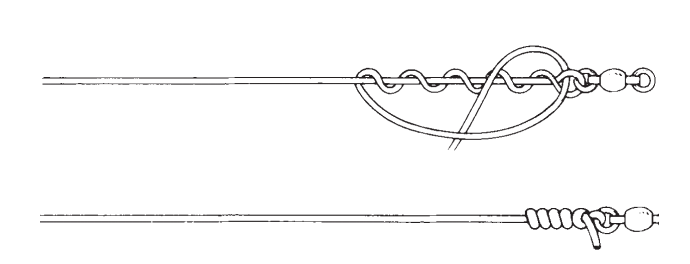
Credit: usfws.medium.com
Tying The Line To The Reel
Tying the fishing line to the reel is a key step in setting up your rod. It keeps the line secure and helps you fish with confidence.
Using the right knot and securing it properly ensures your line won’t slip off during fishing. Testing the knot strength is important before you start casting.
Common Knots For Reel Attachment
Some knots work better than others to tie the line to the reel. Choose a strong and simple knot to avoid line slippage.
- Improved Clinch Knot: Easy to tie and very secure.
- Palomar Knot: Strong and works well with braided lines.
- Arbor Knot: Best for attaching line directly to the reel spool.
Securing The Knot
After tying your chosen knot, secure it properly to prevent slipping. Wet the knot with water or saliva to reduce friction while tightening.
- Moisten the knot before pulling tight.
- Pull the line slowly and firmly to tighten the knot.
- Trim the excess tag end close to the knot.
- Check that the knot sits snugly against the reel spool.
Testing Knot Strength
Testing the knot strength helps avoid losing fish or gear. You can test your knot by applying tension and watching for slippage.
| Test Method | What to Look For |
| Pull the line firmly by hand | No slippage or loosening of the knot |
| Wrap the line around a post and pull | Knot stays tight and line does not break |
| Use a scale to measure tension | Knot holds at least 80% of line strength |
Setting Up The Drag System
Setting the drag system on your fishing rod helps control the line tension. It prevents the line from breaking when a fish pulls hard. Proper drag setup improves your chances of landing fish safely.
The drag system lets the spool release line smoothly under pressure. Adjusting it right is important for different fish and fishing conditions.
Adjusting Drag For Different Fish Sizes
Different fish need different drag settings. Bigger fish need more drag force to tire them out. Smaller fish need less drag to avoid breaking the line.
- Set low drag for small fish like panfish or trout.
- Use medium drag for medium fish like bass or walleye.
- Choose high drag for large fish like catfish or pike.
- Always check your rod and line strength before adjusting drag.
Testing Drag Tension
Test your drag tension before fishing. Pull the line by hand to feel how much force it takes to let line out. The drag should release line smoothly without too much force.
| Drag Setting | How to Test | Result |
| Too Tight | Pull line with light force | Line does not move or snaps |
| Correct | Pull line with moderate force | Line releases smoothly and steadily |
| Too Loose | Line pulls out easily with little force | May lose fish quickly |
Preventing Line Breaks
Preventing line breaks keeps your gear safe and avoids losing fish. The drag system is key to this. Set it to match your line strength and fish size.
- Do not set drag too tight; it causes line to snap.
- Check knots and line condition before casting.
- Adjust drag if fish pulls hard or runs fast.
- Keep the rod tip up to reduce stress on the line.
Adding Terminal Tackle
Adding the right terminal tackle is key for a good fishing setup. Terminal tackle includes hooks, sinkers, leaders, and swivels. These parts connect your bait to the line and help catch fish more effectively.
Choosing and attaching the right tackle depends on the type of fish and fishing spot. Below are tips to set up your fishing rod with terminal tackle.
Choosing Hooks And Sinkers
Select hooks and sinkers based on the fish size and water conditions. Small hooks work well for small fish. Large hooks are good for bigger fish. Sinkers help your bait sink to the right depth.
- Use light sinkers for shallow water.
- Choose heavy sinkers for deep or fast water.
- Match hook size to bait size.
- Pick rust-resistant hooks for saltwater fishing.
Attaching Leaders And Swivels
Leaders protect your line from sharp teeth and rough surfaces. Swivels stop the line from twisting. Tie leaders and swivels securely to avoid losing fish.
| Component | Purpose | Material |
| Leader | Protects main line | Fluorocarbon or nylon |
| Swivel | Prevents line twist | Metal, usually brass or stainless steel |
Customizing For Fishing Conditions
Adjust your terminal tackle depending on water clarity, current, and fish behavior. Change sinker weight or leader length to improve bait presentation.
Use this checklist to customize your tackle:
- Clear water: Use lighter sinkers and thinner leaders
- Muddy water: Use heavier sinkers and brighter bait
- Strong current: Increase sinker weight
- Active fish: Use smaller hooks and shorter leaders
Final Checks And Adjustments
Before you start fishing, it is important to do final checks on your rod setup. These checks ensure your equipment works well and is ready for use.
Making small adjustments can improve your fishing experience. It helps you catch fish more easily and enjoy your time outdoors.
Inspecting The Setup
Look over your fishing rod and reel carefully. Check that all parts are in place and nothing is loose or broken.
Make sure the line is threaded correctly through all guides. The reel should turn smoothly without noise or sticking.
- Check rod guides for cracks or damage
- Confirm reel is firmly attached to the rod
- Ensure the fishing line is free of knots or frays
- Test the drag system for smooth resistance
Balancing Sensitivity And Strength
Choose a balance between sensitivity and strength in your setup. A sensitive rod helps you feel bites. A strong rod helps fight big fish.
Adjust the drag on your reel to match the line and fish size. Too tight drag may break the line. Too loose drag may let fish escape.
- Use lighter line for more sensitivity
- Use heavier line for more strength
- Set drag to about one-third of line strength
- Test rod flex by bending it gently
Preparing For Casting
Get ready to cast by checking your grip on the rod. Hold it firmly but not too tight. This helps control your cast.
Make sure the reel is in the correct position for casting. Remove any tangles or slack from the line before you start.
- Hold the rod with your dominant hand
- Keep the reel facing down or sideways
- Pull out enough line for your cast
- Practice a few smooth casting motions

Credit: www.battlbox.com
Frequently Asked Questions
How Do I Choose The Right Fishing Rod Length?
Select a rod length based on your fishing style and location. Short rods suit rivers, while longer rods work better for lakes and surf fishing.
What Type Of Fishing Line Should I Use?
Choose a line based on target fish and conditions. Monofilament is versatile, fluorocarbon is invisible underwater, and braided lines offer high strength.
How Do I Properly Attach The Fishing Reel?
Align the reel foot with the rod seat. Secure it tightly using the reel seat locking mechanism to ensure stability during casting.
What Knots Are Best For Tying Fishing Hooks?
Use strong, reliable knots like the improved clinch knot or Palomar knot. These knots prevent slipping and maintain line strength effectively.
Conclusion
Setting up a fishing rod is simpler than it seems. Follow these steps, and you’ll be ready in no time. Practice makes perfect, so don’t worry if it’s tricky at first. Ensure you have all the necessary equipment. Check your line and hooks for any issues.
Always handle your rod with care to avoid damage. Enjoy the peaceful moments by the water. Fishing is not just a hobby; it’s an experience. Connect with nature and enjoy every catch. Happy fishing!