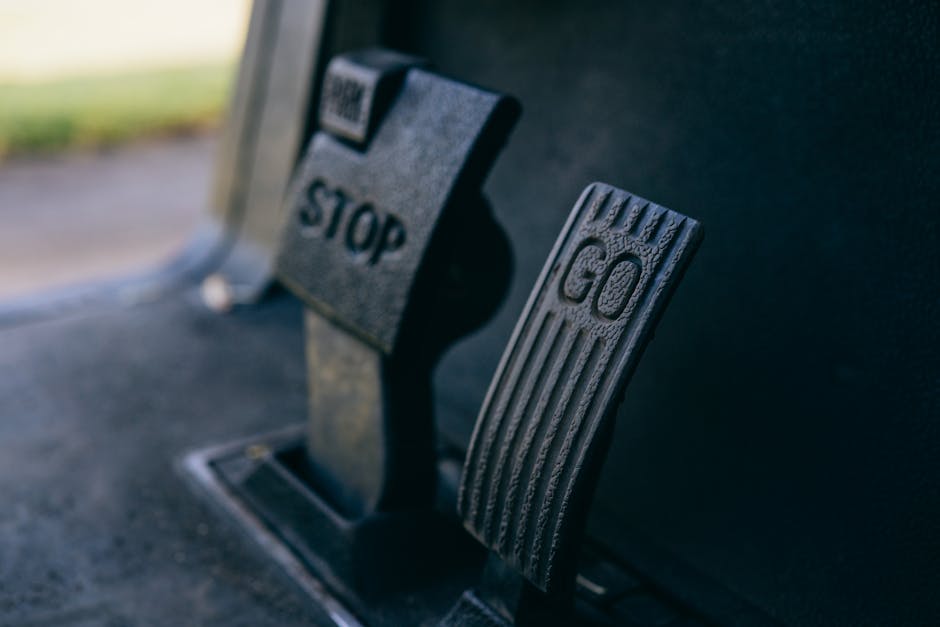
Have you ever wondered what makes your car stop so smoothly when you press the brake pedal? That simple foot control is one of the most important parts of your vehicle, yet many people don’t fully understand how it works or why it’s so crucial for your safety.
Knowing what the brake pedal does and how it functions can give you more confidence behind the wheel and help you keep yourself and others safe on the road. Stick with me, and you’ll discover everything you need to know about the brake pedal in your car—how it works, why it matters, and what to watch out for.
Your next drive might never be the same.
Credit: www.trailblazertalk.com
Brake Pedal Basics
The brake pedal is an important part of a car. It helps the driver slow down or stop the vehicle safely. Knowing about the brake pedal is useful for all drivers.
The brake pedal works with the car’s braking system. Pressing it sends a signal to the brakes. This causes the car to reduce speed or stop.
Purpose Of The Brake Pedal
The main purpose of the brake pedal is to slow down or stop the car. It gives the driver control over the vehicle’s speed. This helps prevent accidents and keeps everyone safe.
When you press the brake pedal, it activates the brake system. This system works by pressing brake pads against the wheels. The friction slows the car down.
Location In The Car
The brake pedal is located on the floor of the driver’s side. It is usually in the middle or to the left of the accelerator pedal. Drivers use their right foot to press it.
The pedal is easy to reach while driving. Its position helps drivers react quickly in emergencies. This makes driving safer for everyone in the car.
Types Of Brake Pedals
Brake pedals come in different styles depending on the car. Some have simple flat pedals. Others may have rubber covers for better grip.
- Flat metal pedals
- Rubber-covered pedals for grip
- Wide pedals for easier pressing
- Sport pedals with special designs
The type of brake pedal can affect comfort and control. Drivers should choose a pedal that feels right for them.
How The Brake Pedal Works
The brake pedal is an important part of a car’s safety system. It helps the driver slow down or stop the vehicle.
Pressing the brake pedal starts a chain reaction inside the car. This action makes the brakes work to control the car’s speed.
Mechanical Function
The brake pedal works like a lever. When you push it with your foot, it moves a rod or arm inside the car.
This movement creates force that is sent to the brake system. The harder you press, the more force is created.
- The pedal is connected to a pushrod.
- Pressing the pedal moves the pushrod.
- The pushrod applies force to the brake booster or master cylinder.
- This force starts the braking process.
Hydraulic System Role
The hydraulic system uses brake fluid to send force from the pedal to the brakes at each wheel.
| Part | Function |
| Master Cylinder | Converts pedal force into hydraulic pressure |
| Brake Lines | Carry brake fluid to wheels |
| Calipers or Drums | Use pressure to press brake pads or shoes |
| Brake Pads or Shoes | Create friction to slow the wheels |
Pressing the pedal increases pressure in the master cylinder. This pressure moves fluid through brake lines to the brakes.
Electronic Brake Systems
Modern cars use electronic brake systems to help or control braking. These systems work with the pedal but add extra features.
- Electronic sensors detect pedal pressure.
- Control units adjust braking force automatically.
- Systems like ABS prevent wheel lock during hard braking.
- Some cars use brake-by-wire, replacing mechanical links.
Common Brake Pedal Issues
The brake pedal in a car is a key safety part. It controls how the car slows or stops. Problems with the brake pedal can be dangerous and need quick attention.
Understanding signs and causes of brake pedal issues helps you stay safe. Knowing when to see a mechanic can prevent accidents.
Signs Of Brake Pedal Problems
Watch for these signs that show your brake pedal may have problems.
- The pedal feels soft or sinks to the floor
- The car takes longer to stop
- The pedal is hard to press down
- You hear squealing or grinding sounds
- The car pulls to one side when braking
Causes Of Brake Pedal Failure
Brake pedal failure can happen for many reasons. Some cause loss of braking power or pedal response.
| Cause | Effect |
| Brake fluid leak | Soft pedal and poor braking |
| Worn brake pads | Grinding noise and less stopping power |
| Air in brake lines | Spongy pedal feel |
| Faulty master cylinder | Pedal sinks or no braking |
| Broken or loose pedal parts | Hard or stuck pedal |
When To Seek Professional Help
Brake problems need quick repair to keep you safe on the road. See a mechanic if you notice any brake pedal issues.
- The brake pedal feels soft, hard, or sticks
- You hear unusual noises when braking
- The car pulls to one side during braking
- The brake warning light is on
- The car takes longer to stop than usual
Brake Pedal Safety Tips
The brake pedal is an important part of your car. It helps you stop safely. Knowing how to use it right can prevent accidents.
Here are some safety tips to keep your braking smooth and safe. These tips help protect you and others on the road.
Proper Foot Positioning
Place your right foot on the brake pedal comfortably. Use the ball of your foot to press down. Keep your heel on the floor for support.
This position gives you better control and faster reaction. Avoid using your toes or the side of your foot to press the brake.
- Ball of foot on the pedal
- Heel rests on the floor
- Keep foot steady and ready
Maintaining Brake Sensitivity
Press the brake pedal gently to avoid sudden stops. Smooth pressure helps your car slow down safely. Don’t slam the pedal unless needed.
Check your brakes often to keep them sensitive. Worn brakes need more force and reduce safety. Regular checks make sure your brakes work well.
- Apply steady, gentle pressure
- Check brake pads regularly
- Listen for unusual sounds
Avoiding Brake Pedal Misuse
Do not rest your foot on the brake pedal while driving. This causes brake wear and can confuse drivers behind you. Use the pedal only when needed.
Avoid riding the brakes on downhill roads. Instead, use engine braking by shifting to a lower gear. This keeps your brakes cool and working well.
- Keep foot off the brake when not stopping
- Use engine braking on slopes
- Brake only when necessary
Upgrading And Customizing Brake Pedals
The brake pedal is a key part of a car’s safety system. It controls how the car slows down or stops. Many car owners choose to upgrade or customize their brake pedals.
Upgraded brake pedals can improve comfort, style, and control. Custom pedals let drivers add a personal touch to their cars.
Aftermarket Brake Pedals
Aftermarket brake pedals are made by companies other than the car maker. They offer different styles and features. These pedals can fit most car models with little effort.
Many drivers pick aftermarket pedals to replace worn-out originals or to improve pedal feel. These pedals often provide better grip and response.
Materials And Designs
Brake pedals come in various materials like aluminum, steel, and rubber. Each material has its own benefits. Some are light, while others offer strong grip.
Designs can be simple or sporty. Some pedals have textured surfaces to prevent slipping. Others have bright colors or patterns to match the car’s interior.
- Aluminum: lightweight and durable
- Steel: strong and long-lasting
- Rubber: good grip and comfort
- Textured or patterned surfaces for better control
Benefits Of Upgrades
Upgrading brake pedals improves driving safety. Better grip helps prevent foot slips during braking. It also makes braking feel smoother and more precise.
Custom pedals add style to your car’s interior. They can match your personality and make your car unique. Upgrades also help replace old or damaged pedals.
- Improved foot grip and safety
- Smoother brake control
- Personalized car interior
- Replacement for worn pedals

Credit: www.brakeandfrontend.com

Credit: www.mobilityinmotion.com
Frequently Asked Questions
What Is The Function Of The Brake Pedal In A Car?
The brake pedal controls the car’s braking system. Pressing it activates the brakes, slowing or stopping the vehicle safely.
How Does The Brake Pedal Work In A Car?
When pressed, the brake pedal sends hydraulic pressure to brake pads. This pressure forces pads to grip the brake rotors, reducing wheel speed.
Why Is The Brake Pedal Important For Driving Safety?
The brake pedal is essential for controlling vehicle speed. It helps prevent accidents by enabling timely stops and safe driving maneuvers.
What Happens If The Brake Pedal Feels Soft Or Spongy?
A soft brake pedal may indicate air in brake lines or fluid leaks. It requires immediate inspection to maintain safe braking performance.
Conclusion
Understanding the brake pedal is essential for safe driving. It controls your car’s stopping power. Press it gently to slow down. Press firmly to stop quickly. Regular maintenance ensures it works efficiently. Never ignore unusual sounds or feelings. These can signal brake issues.
Always stay attentive while driving. Your safety depends on it. Teach others about brake pedals too. Knowledge helps everyone. Keep practicing and stay safe on the road. This knowledge will serve you well.