Choosing the right air conditioner can feel confusing. You want your home to be cool and comfortable without spending too much on energy bills.
But how do you know what size air conditioner is best for your space? Picking the wrong tonnage can leave your room too hot, too cold, or waste electricity. You’ll discover exactly how to find the perfect tonnage air conditioner for your needs.
By the end, you’ll feel confident making a smart choice that keeps your home cool and your wallet happy. Keep reading to learn what really matters when selecting your next AC unit.
What Is Ac Tonnage
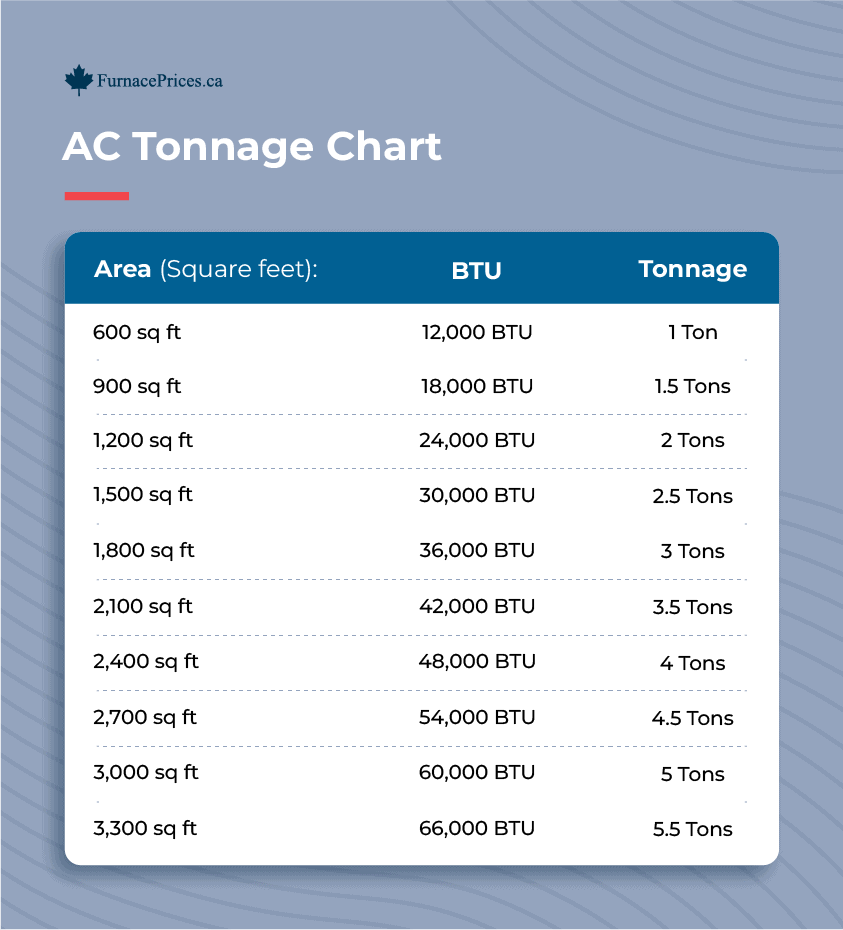
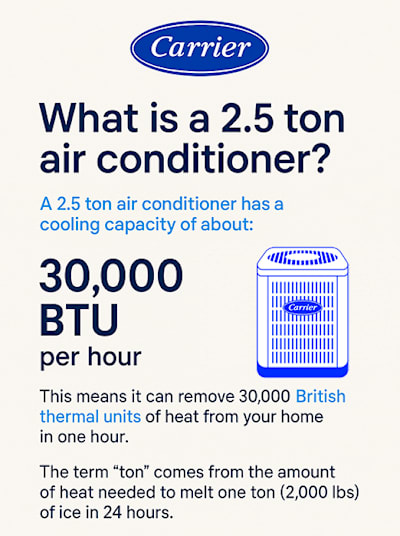
An air conditioner’s tonnageshows its cooling power. It is not about weight but the amount of heat it can remove in one hour. One ton equals the ability to cool 12,000 British Thermal Units (BTUs) per hour.
Choosing the right tonnage is important for comfort and energy use. A unit too small will struggle to cool the room. One too big will waste energy and money.
- Small rooms usually need a 1-ton unit.
- Medium rooms may require 1.5 to 2 tons.
- Larger spaces often need 3 tons or more.
Other factors like ceiling height, sun exposure, and insulation affect the tonnage needed. A good match saves energy and keeps your home cool.

Credit: aristotleair.com
How Ac Tonnage Affects Cooling
AC tonnagemeans how much cooling power an air conditioner has. It shows how much heat the unit can remove from a room in an hour. A higher tonnage means more cooling ability.
Choosing the right tonnage is key. Too small, and the AC will run all the time but not cool enough. Too big, and it will cool too fast, causing the room to be wet and uncomfortable.
Rooms with more people or heat sources need a bigger tonnage. Rooms with good insulation or fewer windows might need less.
| Room Size (sq ft) | Recommended AC Tonnage |
|---|---|
| 100-300 | 0.75 Ton |
| 300-550 | 1 Ton |
| 550-800 | 1.5 Ton |
| 800-1200 | 2 Ton |
Factors Influencing Ac Size
The size of your air conditionerdepends on many factors. Room sizeis very important. Bigger rooms need more cooling power.
Ceiling heightchanges the air volume. Higher ceilings mean more space to cool.
Insulation qualityaffects how well your room holds cool air. Good insulation keeps the room cooler longer.
Sun exposurealso matters. Rooms with lots of sunlight get warmer and need a stronger AC.
Occupancy levelsadd heat too. More people in a room make it warmer.
Appliance heat outputis a factor. Machines and lights create extra heat to cool down.
Calculating Required Ac Tonnage
The Square Footage Methodis a simple way to find the right AC size. Measure the room’s total square feet. Usually, you need 20 BTUfor each square foot. Multiply the room size by 20 to get the needed BTU.
To convert BTU to Tonnage, divide the BTU by 12,000. One ton equals 12,000 BTU. For example, a 24,000 BTU unit equals 2 tons.
| BTU | Tonnage |
|---|---|
| 12,000 | 1 Ton |
| 18,000 | 1.5 Tons |
| 24,000 | 2 Tons |
| 30,000 | 2.5 Tons |
Online calculatorscan help too. Enter your room size and other details. They give a quick tonnage estimate. Use them to double-check your math.
Common Ac Tonnage Options
0.75 Ton Unitsare best for small rooms up to 100 square feet. They use less power and cool small spaces efficiently.
1.0 Ton Unitssuit medium rooms around 100-150 square feet. They offer balanced cooling without wasting energy.
1.5 Ton Unitswork well for rooms from 150 to 250 square feet. These units cool larger spaces quickly and evenly.
2.0 Ton Units and Aboveare ideal for big rooms or open areas over 250 square feet. They provide strong cooling power for large spaces.

Credit: aristotleair.com
Energy Efficiency And Ac Size
SEER ratingsshow how well an air conditioner uses energy. Higher SEER means better energy savings. A unit with a good SEER rating costs less to run and helps save electricity bills.
Choosing the right AC sizematters a lot. An oversized air conditionercools too fast but wastes energy and makes the room humid. It also wears out faster. An undersized unitruns all the time and can’t cool well. It uses more power and may break down sooner.
| AC Size Issue | Effect |
|---|---|
| Oversized | Short cycles, higher energy use, poor humidity control |
| Undersized | Long run time, higher energy use, poor cooling |
Installation Tips For Optimal Cooling
Proper sizingof an air conditioner is key for effective coolingand energy savings. An AC too big cools quickly but wastes energy and causes humidity issues. An AC too small runs constantly and cannot cool properly. Getting the right tonnage means balanced comfortand cost-efficiency.
Professional assessmenthelps find the right size. Experts check room size, insulation, windows, and sun exposure. They use this data to recommend a system that fits your needs. This avoids guesswork and ensures optimal performance.
- Regular maintenancekeeps your AC running smoothly.
- Clean filters improve airflow and reduce energy use.
- Check refrigerant levels to maintain cooling power.
- Inspect ducts for leaks to prevent air loss.
- Schedule yearly service for long AC life.
Budgeting For Your Ac Unit
Choosing the right tonnagefor an air conditioner affects both initial costsand energy bills. Larger units cost more upfront but cool faster. Smaller units save money first but may run longer.
| Tonnage | Approximate Cost | Energy Use |
|---|---|---|
| 1 Ton | $1,000 – $1,500 | Low |
| 1.5 Tons | $1,200 – $1,800 | Moderate |
| 2 Tons | $1,500 – $2,200 | Higher |
| 3 Tons | $2,000 – $3,000 | Highest |
Energy costs add up over time. Bigger units may use more power but run less often. Smaller units run longer, using more energy overall. Choosing the right size helps save moneyin the long run.
Credit: www.carrier.com
Frequently Asked Questions
What Factors Affect Air Conditioner Tonnage Needs?
Room size, ceiling height, insulation, and sunlight exposure affect tonnage requirements. Larger spaces and poor insulation need higher tonnage. Climate and number of occupants also impact cooling needs. Calculating these ensures optimal air conditioner performance and energy efficiency.
How To Calculate Air Conditioner Tonnage For A Room?
Measure the room’s square footage and divide by 350 to estimate BTU. Then, convert BTU to tonnage by dividing by 12,000. Adjust for factors like windows and insulation. This method helps determine the right air conditioner size for efficient cooling.
What Happens If Ac Tonnage Is Too Large Or Small?
An oversized AC cools quickly but wastes energy and causes humidity issues. An undersized AC runs continuously, struggling to cool and increasing wear. Proper tonnage ensures comfort, energy savings, and longer system lifespan.
Can Insulation Impact Ac Tonnage Requirements?
Yes, well-insulated rooms retain cool air better, reducing needed tonnage. Poor insulation causes heat gain, requiring a higher tonnage unit to maintain comfort. Good insulation improves AC efficiency and lowers energy bills.
Conclusion
Choosing the right AC tonnage is crucial for comfort. It ensures efficient cooling and energy savings. Consider room size, insulation, and climate. These factors influence your choice. Consult experts or use online calculators. They help determine the correct size. A well-sized AC enhances home comfort.
It also reduces energy bills. Invest in the right unit for long-term benefits. A comfortable home awaits with the right decision.