When you’re out saltwater fishing, every detail matters—especially your leader line. You might wonder, how long should a leader line be to give you the best chance of landing that big catch?
The right length can make all the difference between a successful catch and a lost fish. You’ll discover the ideal leader line length to match your fishing style and target species. Keep reading to learn simple tips that can boost your fishing game and help you reel in more fish with confidence.
Leader Line Basics
A leader line is a short length of strong fishing line. It connects your main line to the hook or lure. Leaders help protect your line from sharp teeth and rough surfaces.
The right leader length helps you catch saltwater fish better. It depends on the type of fish and fishing style.
Purpose Of Leader Lines
Leader lines serve many important roles in saltwater fishing. They keep your main line safe and help you catch more fish.
Leaders protect your line from fish teeth, rocks, and coral. They also reduce line visibility in water. This makes fish less likely to see the line and get scared.
- Protect main line from damage
- Hide the line from fish
- Help fight strong fish
- Prevent line twisting and tangling
Types Of Leader Materials
Different materials work well for leader lines. Each has its own strength and visibility in water. Choose the right type for your fishing needs.
- Monofilament:Clear and flexible. Good for most saltwater fishing. It stretches to absorb shocks.
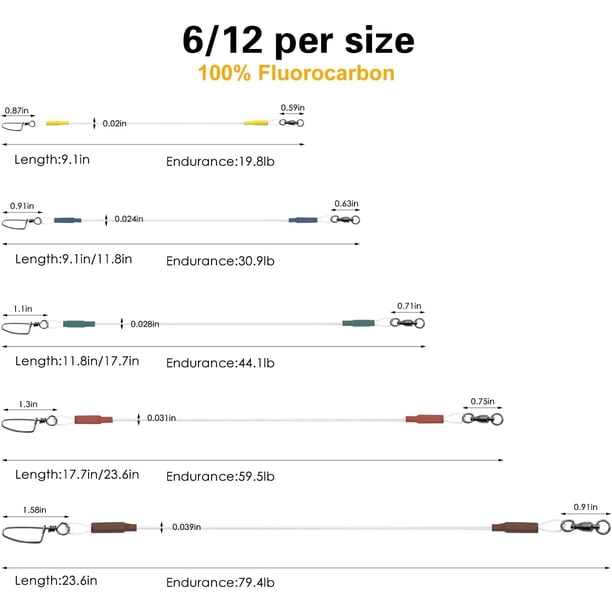
- Fluorocarbon:Hard to see underwater. Sinks faster than monofilament. Good for clear water.
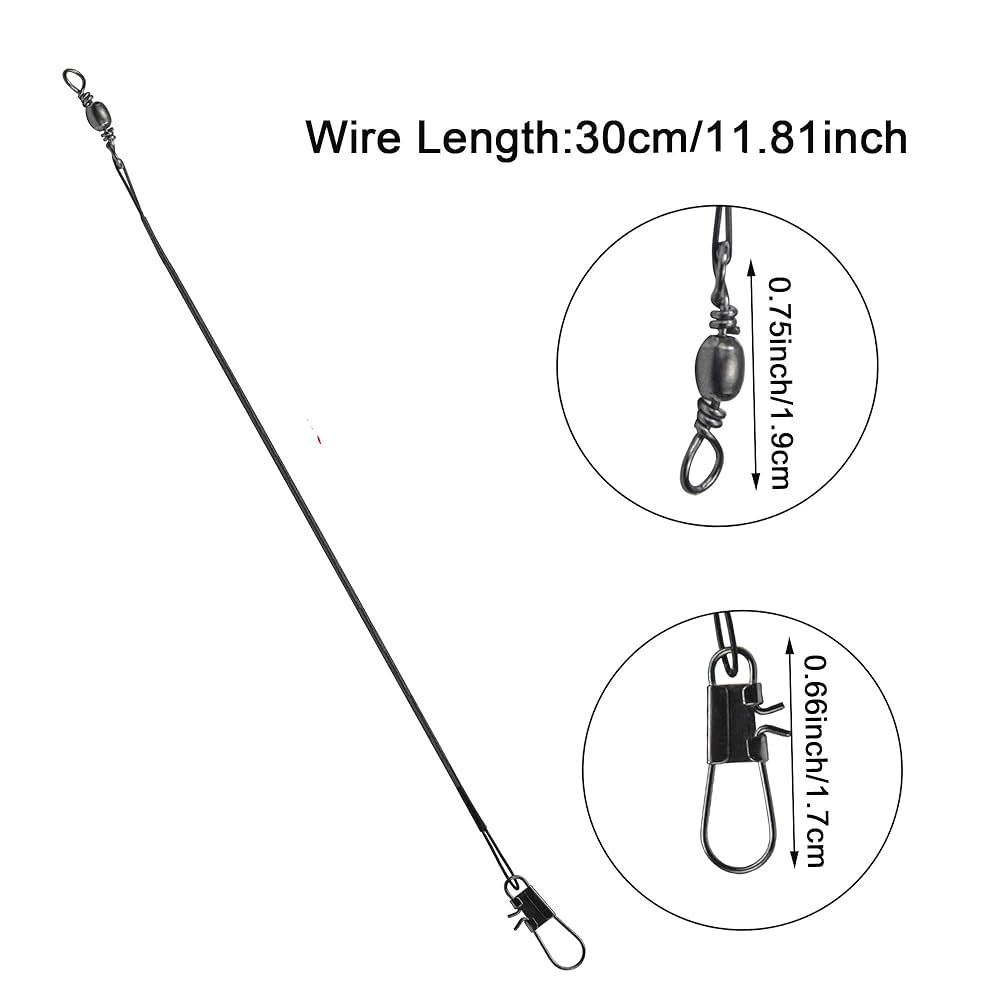
- Wire:Very strong and tough. Used for fish with sharp teeth. Less flexible than other materials.
- Braided:Very strong but visible. Usually used as main line, not leader.

Credit: www.reddit.com
Factors Influencing Leader Length
The length of a leader line in saltwater fishing affects success. Many factors affect the right length to use. Choosing the correct leader length helps in catching fish and handling the water conditions.
Understanding how fish behave, water clarity, and fishing gear can guide your choice. Let’s explore these factors to help you pick the best leader line length.
Target Species And Their Behavior
Different saltwater species have different habits and senses. Some fish are shy and easily scared, while others are aggressive. This affects how long your leader line should be.
- Shy species like snapper need longer leaders to keep your line away from their view.
- Predators like barracuda require shorter leaders for quick hook sets.
- Fish with sharp teeth need strong, often shorter leaders to avoid breakage.
Water Clarity And Conditions
Clear water makes fish more cautious. A longer leader helps keep your main line hidden. In murky water, a shorter leader works since fish rely less on sight.
| Water Condition | Recommended Leader Length |
| Clear Water | 5 to 7 feet |
| Moderate Clarity | 3 to 5 feet |
| Murky Water | 1 to 3 feet |
Fishing Techniques And Gear
The way you fish changes the leader length too. Different gear and methods need different setups to work well.
- Using live bait often needs longer leaders to let bait swim freely.
- Lure fishing usually uses shorter leaders for better lure action.
- Heavy tackle and large hooks require shorter leaders for strength and control.
Recommended Leader Lengths
Choosing the right leader length is key for saltwater fishing success. The leader connects your main line to your bait or lure. It affects how fish see your setup and how you fight the fish.
Different conditions call for different leader lengths. This guide helps you pick the best length for clear water, spooky fish, and various baits.
Short Leaders For Clear Water
In clear water, fish can see your line easily. Use short leaders to keep your bait looking natural. Short leaders reduce line visibility and improve your hookup rate.
- Use leaders 12 to 24 inches long
- Choose thin, clear fluorocarbon material
- Short leaders work best with small hooks and light tackle
Long Leaders For Spooky Fish
When fish are shy or spooky, longer leaders help. They keep your main line farther from the bait. This reduces line visibility and pressure on the fish.
| Leader Length | Situation |
| 36 to 48 inches | Spooky fish in calm water |
| 48 to 60 inches | Very clear water or heavy pressure |
| Over 60 inches | Extremely wary fish or heavy cover |
Adjusting Length For Different Baits
Leader length changes with the bait type. Heavy lures need shorter leaders for better control. Soft baits or live bait may need longer leaders for natural movement.
- Jigs and spoons: 18 to 24 inches
- Soft plastics: 24 to 36 inches
- Live bait rigs: 36 to 48 inches
- Topwater lures: 12 to 18 inches

Credit: www.amazon.ca
Choosing The Right Leader Strength
Picking the right leader strength is key for saltwater fishing. The leader must be strong enough to handle big fish.
A leader that is too weak will break easily. Too strong, and fish might see it and avoid biting.
Matching Leader Strength To Line
Your leader strength should match your main fishing line. This balance helps prevent weak points where the line can snap.
If your main line is 20-pound test, use a leader close to that strength. Some anglers use a leader slightly stronger for safety.
- Match leader strength to main line strength
- Use a slightly stronger leader for big fish
- Check knots to ensure no weak spots
Balancing Stealth And Durability
The leader must be strong but also hard for fish to see. Clear or fluorocarbon leaders help keep the line hidden.
Thinner leaders are less visible but may break easier. Thicker leaders last longer but can scare fish away.
- Use clear or fluorocarbon material for less visibility
- Choose the thinnest leader that can handle the fish
- Change leaders often to avoid wear and tear
Tips For Tying And Maintaining Leader Lines
Choosing the right length for a leader line is important for saltwater fishing. It helps prevent fish from seeing the main line. It also protects against sharp teeth and rough surfaces.
Good knots and regular checks keep your leader strong. This guide shares tips on tying knots and caring for your leader lines.
Effective Knot Choices
Strong knots stop your leader from slipping or breaking. Choose knots that work well with the line material. Practice tying knots until they are tight and neat.
- Use the Palomar knot for strong, simple ties
- Try the Improved Clinch knot for attaching hooks
- The Uni knot works well for joining leader to main line
- Double-check knots by pulling hard before fishing
Inspecting And Replacing Leaders
Check your leader line often for damage. Saltwater and fish teeth wear it down. Replace leaders if you see cuts or frays.
- Look for nicks or weak spots along the line
- Replace leaders after catching large or sharp-toothed fish
- Store leaders in a dry, cool place to avoid damage
- Trim the leader end if it looks worn before tying knots
Common Mistakes And How To Avoid Them
Choosing the right leader line length is key for saltwater fishing success. Many anglers make mistakes that hurt their catch rate.
Understanding these mistakes helps you pick the best leader line length and avoid lost fish.
Using Too Short Or Too Long Leaders
Using a leader that is too short can spook fish. It makes your bait look unnatural and can scare wary saltwater species.
A leader that is too long causes poor casting and tangles. It also reduces control over the bait or lure in strong currents.
- Short leaders may alert fish to your line
- Long leaders increase line tangles and knot problems
- Balance leader length with water clarity and fish size
- Use medium length leaders for most saltwater conditions
Ignoring Water And Fish Behavior
Water conditions affect leader length choice. Clear water needs longer leaders so fish do not see the main line.
Fish behavior also matters. Some species are more cautious and need longer leaders to avoid line visibility.
- Use longer leaders in clear, calm water
- Shorter leaders work better in murky or rough water
- Research target fish habits before choosing leader length
- Adjust leader length based on how fish react to your setup
Credit: www.walmart.ca
Frequently Asked Questions
What Is The Ideal Leader Line Length For Saltwater Fishing?
The ideal leader line length is typically 12 to 36 inches. This length balances stealth and strength, allowing natural bait movement and resisting abrasion from saltwater species. Adjust length based on target fish size and water clarity for best results.
Does Leader Line Length Affect Casting Distance?
Yes, longer leader lines can reduce casting distance. Shorter leaders improve control and casting accuracy. However, longer leaders help prevent fish from seeing the main line, increasing hook-up rates in clear water.
How Does Leader Line Thickness Impact Saltwater Fishing?
Thicker leader lines offer more abrasion resistance but reduce invisibility. Thin leaders are less visible but may break easily on sharp-toothed fish. Choose thickness based on species targeted and fishing environment for optimal performance.
When Should I Use A Longer Leader Line In Saltwater?
Use longer leaders in clear water or when fish are line-shy. They help disguise the main line and improve bait presentation. In murky water, shorter leaders work well due to reduced visibility.
Conclusion
Choosing the right leader line length is crucial for saltwater fishing. It enhances your chances of a successful catch. Consider water clarity, target species, and fishing technique. Adjust the leader length according to these factors. Shorter leaders work well in murky waters.
Longer leaders suit clear waters and wary fish. Experiment with different lengths to see what works best. Every fishing environment is unique. Being adaptable ensures better results. Confidence grows with experience and practice. Take these insights and enjoy a productive fishing adventure.
Happy fishing!