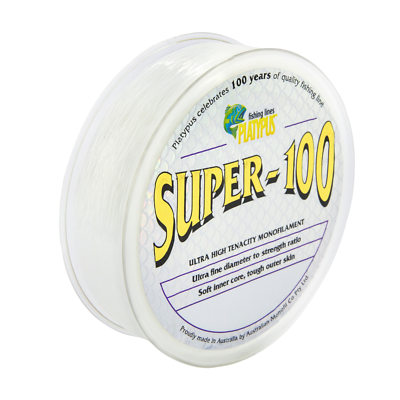
When it comes to fishing, your line is your lifeline. Choosing the strongest fishing line can make all the difference between landing a trophy catch or losing it at the last moment.
You want a line that won’t snap under pressure, yet feels comfortable and easy to handle. But with so many options out there, how do you know which one is truly the strongest? Keep reading, and you’ll discover everything you need to pick the perfect fishing line that can handle your biggest challenges on the water.
Types Of Fishing Lines
Fishing lines come in different types. Each type has its own strength and use. Choosing the right line helps catch fish better.
Some lines are good for clear water. Others work well in rough water or heavy cover. Knowing the types can improve your fishing.
Monofilament Lines
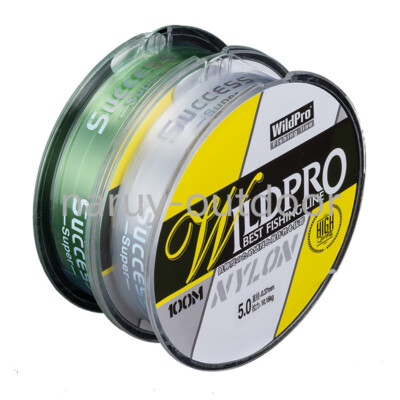
Monofilament lines are made from one strand of nylon. They are stretchy and easy to handle. This line is good for beginners.
Monofilament floats on water and is less visible. It works well for many fish types. It is also cheaper than other lines.
Fluorocarbon Lines
Fluorocarbon lines are made from a special plastic. They sink faster than monofilament. This makes them good for deep fishing.
Fluorocarbon is harder to see underwater. It resists abrasion well. Many anglers use it for clear water fishing.
Braided Lines
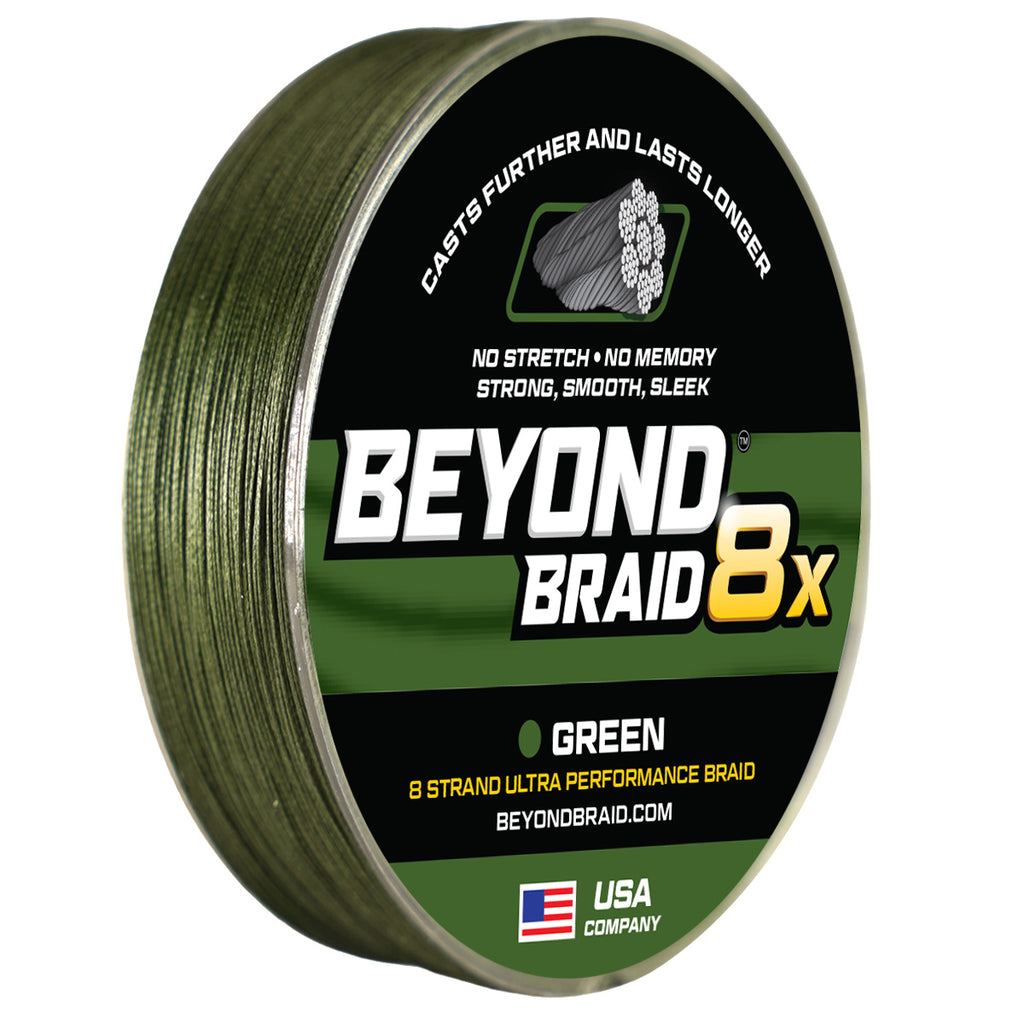
Braided lines are made from many fibers woven together. They have very little stretch. This helps feel fish bites better.
Braided lines are very strong for their size. They last long and resist cuts. Anglers use them in heavy cover and strong currents.
- Strongest for thin diameter
- Very sensitive to fish movement
- Does not stretch much
- More visible in water
Specialty Lines
Specialty lines include blends or special coatings. Some have extra strength or less visibility. They suit unique fishing needs.
Examples are copolymer lines or lines with built-in shock absorption. These lines give anglers more options for tough conditions.
Credit: www.ebay.com
Factors Affecting Line Strength
Choosing the strongest fishing line depends on many things. Line strength affects how well you catch fish.
Understanding these factors helps you pick the right line for your fishing needs.
Material Composition
Fishing lines come from different materials. Each material has a unique strength level and stretch.
Common materials include nylon, fluorocarbon, and braided fibers. Braided lines are usually the strongest.
- Nylon: flexible and affordable but stretches more
- Fluorocarbon: less stretch, more abrasion resistance
- Braided: made from woven fibers, very strong and thin
Line Diameter
Thinner lines are harder to break but may have less strength. Thicker lines can hold bigger fish.
A strong line with a small diameter lets you cast further and use less tackle.
- Thin diameter: less visible, better for clear water
- Thick diameter: higher strength, better for heavy cover
- Balance diameter with strength for best results
Knot Strength
Knot strength affects the overall power of the fishing line. A weak knot can cause the line to break.
Some knots reduce line strength more than others. Learn to tie strong knots to keep line strength.
- Simple knots may cut line strength by 30% or more
- Strong knots keep up to 90% of line strength
- Practice knots like Palomar and Improved Clinch for better hold
Abrasion Resistance
Abrasion resistance shows how well the line resists damage from rough surfaces. High resistance means less breaking.
Fishing near rocks or sharp objects needs lines with good abrasion resistance to avoid snapping.
- Fluorocarbon lines resist abrasion well
- Braided lines can be weak to abrasion but are very strong overall
- Nylon lines have moderate abrasion resistance
Measuring Line Strength
Fishing line strength is key for catching different fish. Knowing how to measure it helps pick the right line.
Line strength shows how much weight the line can hold before breaking. This guide explains main factors that affect line strength.
Pound Test Ratings
Pound test ratings show the maximum weight a fishing line can hold. It is a common measure used by anglers worldwide.
- Lower pound tests are good for small fish and light tackle.
- Higher pound tests suit big fish and heavy cover.
- Always match line strength to the fish size and fishing method.
Breaking Strength Vs. Test Strength
Breaking strength is the real force needed to break the line. Test strength is the rated strength the line claims.
| Type | Description | Typical Value |
| Breaking Strength | Actual force to break line | Varies by test but often 10-15% higher than rated |
| Test Strength | Rated strength by manufacturer | Standard label value, e.g., 20 lbs |
Stretch And Shock Absorption
Stretch means how much a line can extend under load. Shock absorption is the line’s ability to reduce sudden force.
- Lines with more stretch help prevent snapping during sudden pulls.
- Low stretch lines offer more sensitivity but less shock absorption.
- Pick stretch level based on fishing style and target fish.
Top Strongest Fishing Lines
Fishing lines come in many types and strengths. Choosing the right line helps catch bigger fish.
Strong fishing lines resist breaking and last longer in water. This guide covers the top strongest lines.
High-strength Braided Lines
Braided lines use several fibers woven tightly. This design makes them very strong and thin.
They hold up well under pressure and have low stretch. This helps feel fish bites better.
- Very high tensile strength for size
- Thin diameter lets you spool more line
- Good abrasion resistance
- Low stretch improves sensitivity
Durable Fluorocarbon Options
Fluorocarbon lines blend well with water. They are almost invisible to fish underwater.
These lines resist sunlight and water damage. They also have good strength and low stretch.
- High resistance to wear and tear
- Low visibility in clear water
- Stronger than monofilament of same size
- Good for deep water fishing
Versatile Monofilament Choices
Monofilament lines are made from one fiber. They are flexible and easier to handle.
They stretch more than braided or fluorocarbon lines. This helps absorb sudden fish pulls.
- Good stretch reduces line breaks
- Easy to knot and cast
- Less visible in murky water
- Affordable and widely available
Choosing The Right Line For Your Needs
Choosing the strongest fishing line depends on what you need. Different lines work better for different fishing styles and conditions.
Knowing your target species, fishing environment, and gear helps you pick the right line. This guide will explain these factors.
Target Species
The type of fish you want to catch affects your line choice. Bigger fish need stronger lines to avoid breaking.
Smaller fish can be caught with lighter lines that are less visible in water. Match line strength to fish size.
- Small fish: 2-8 lb test line
- Medium fish: 8-20 lb test line
- Large fish: 20+ lb test line
Fishing Environment
Your fishing location affects line strength and type. Rough waters need tougher lines that resist abrasion.
Clear water calls for thinner, less visible lines. Saltwater fishing requires lines that resist corrosion and salt damage.
- Freshwater: lighter, thinner lines work well
- Saltwater: stronger, corrosion-resistant lines needed
- Rocky areas: abrasion-resistant lines prevent cuts
Rod And Reel Compatibility
Your rod and reel must match the line strength. Heavy rods need thick, strong lines. Light rods work best with thin lines.
Check your reel’s line capacity and drag system. Using the wrong line can cause problems like line tangles or reel damage.
- Light rods: 2-10 lb test lines
- Medium rods: 10-20 lb test lines
- Heavy rods: 20+ lb test lines
- Match reel capacity to line strength and length
Credit: beyondbraid.com
Tips To Maximize Line Performance
Choosing the strongest fishing line is only part of the process. Proper care and use help the line last longer and work better. These tips focus on how to get the most out of your fishing line.
Understanding how to spool, maintain, and tie knots can protect your line from damage and increase its strength. Follow these guidelines to improve your fishing experience.
Proper Spooling Techniques
Spooling your fishing line correctly prevents twists and weak spots. Always keep the line tight while winding it on the reel. This helps avoid tangles and line breakage during use.
- Use the right spool for your reel size
- Apply even tension as you wind the line
- Check for line twists and correct them early
- Fill the spool to about 80% capacity
- Keep the line clean and dry before spooling
Regular Line Maintenance
Maintaining your fishing line keeps it strong and reliable. Dirt, sun, and water can weaken the line over time. Regular checks and cleaning help spot damage early.
| Maintenance Task | Frequency | Purpose |
| Inspect line for nicks or cuts | Before every trip | Prevent sudden breaks |
| Clean line with fresh water | After saltwater fishing | Remove salt and dirt |
| Replace old line | Every 3-6 months | Maintain strength and flexibility |
| Store line away from sunlight | Always | Prevent UV damage |
Knot Tying For Strength
Tying knots properly is key to keeping your line strong. A poor knot can reduce line strength by up to 50%. Choose strong knots and tie them tightly and neatly.
Here are three common knots and their strength retention rates:
| Knot | Strength Retention |
|---|---|
| Palomar Knot | 90% |
| Improved Clinch Knot | 85% |
| Uni Knot | 88% |
Common Mistakes That Weaken Fishing Lines
Choosing the strongest fishing line is important for a good catch. Many anglers do not realize simple mistakes can weaken their line.
Knowing what to avoid helps keep your fishing line strong and reliable on every trip.
Overlooking Line Damage
Small cuts or frays on your fishing line reduce its strength. Fish teeth, rocks, and rough surfaces cause damage.
Many anglers miss these damages because they do not check their line often enough. Using a damaged line can cause it to break easily.
- Check your line before every fishing trip.
- Replace or cut off damaged parts immediately.
- Avoid dragging line over sharp edges.
Using Incorrect Knots
Knots hold your fishing line together and connect it to your hook or lure. Wrong knots reduce line strength and can slip or break.
Choosing the right knot and tying it correctly is key. Some knots work better with certain line types than others.
- Learn knots that match your fishing line type.
- Practice tying knots to avoid loose or weak ones.
- Wet the line before tightening to prevent damage.
Ignoring Environmental Factors
Fishing line strength changes with weather, water type, and temperature. Sunlight, saltwater, and cold can weaken your line.
Ignoring these factors causes your line to lose power faster. Protecting your line keeps it strong longer.
- Store fishing line away from direct sunlight.
- Rinse line with fresh water after saltwater fishing.
- Avoid using brittle line in very cold weather.

Credit: www.amazon.com
Frequently Asked Questions
What Type Of Fishing Line Is The Strongest?
Braided fishing lines are generally the strongest. They offer high tensile strength and low stretch. This makes them ideal for heavy-duty fishing and catching large fish.
How Is Fishing Line Strength Measured?
Fishing line strength is measured in pounds (lb). It indicates the maximum weight the line can handle before breaking. Higher pound test lines are stronger and suit bigger catches.
Does Line Diameter Affect Its Strength?
Yes, thicker lines usually have higher strength. However, advanced materials allow thin lines to be very strong too. Choose based on fishing conditions and target species.
What Material Makes The Strongest Fishing Line?
Braided lines made from Spectra or Dyneema fibers are among the strongest. These materials provide excellent durability and resistance to abrasion.
Conclusion
Choosing the right fishing line is crucial for successful fishing. Each type has its strengths. Think about your fishing needs. Monofilament is versatile and easy to use. Braided lines offer strength for heavy catches. Fluorocarbon remains invisible underwater. Match your line to your fishing style and target fish.
This ensures better results and fewer frustrations. Experiment with different lines. Find what works best for you. Happy fishing!