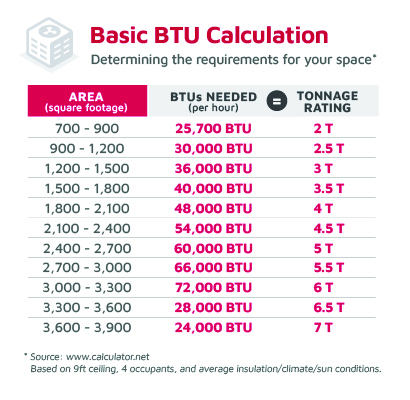
When you shop for an air conditioner, you might notice the term “BTUs” listed everywhere. But what do BTUs really mean for your cooling needs?
Understanding this simple measurement can help you choose the right air conditioner that keeps your home comfortable without wasting energy or money. If you want to avoid overheating or overpaying, knowing how BTUs work is key. Keep reading, and you’ll discover exactly how to pick the perfect unit for your space.
Btu Basics
BTU stands for British Thermal Unit. It measures energy used for heating or cooling.
Understanding BTUs helps you choose the right air conditioner size for your space.
What Is A Btu
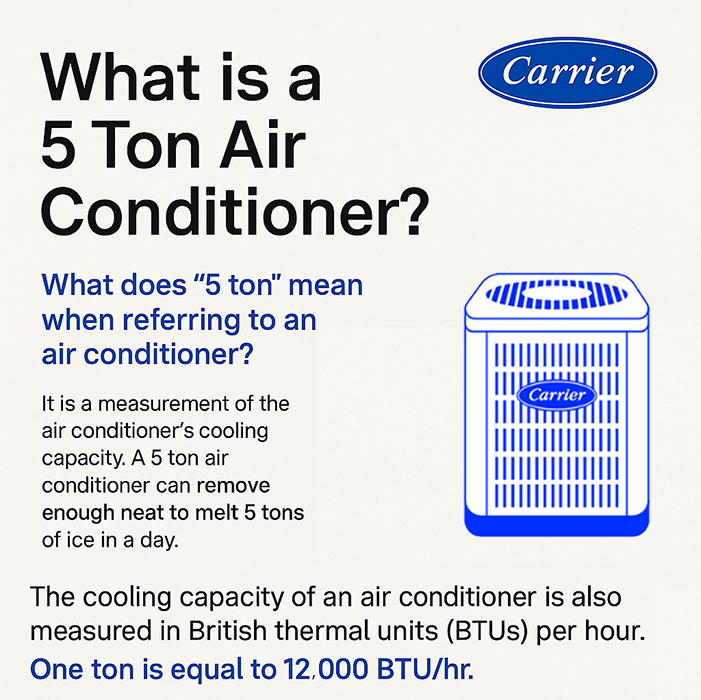
A BTU is the amount of heat needed to raise one pound of water by one degree Fahrenheit.
It shows how much heat an air conditioner can remove from a room in one hour.
How Btus Affect Cooling Power
The higher the BTU rating, the more cooling power an air conditioner has.
Choosing the right BTU size keeps your room cool and saves energy.
- Too few BTUs: room stays warm and uncomfortable
- Too many BTUs: wastes energy and costs more
- Proper BTUs: cools efficiently and saves money
Credit: www.carrier.com
Choosing The Right Btu
BTU stands for British Thermal Unit. It measures how much heat an air conditioner can remove from a room.
Choosing the right BTU helps keep your room cool without wasting energy or money.
Room Size And Btu Needs
The size of your room is the main factor in deciding the BTU needed. Bigger rooms need air conditioners with higher BTUs.
If the BTU is too low, the AC will not cool the room well. If it is too high, it will use too much power and cycle on and off often.
- Up to 150 sq ft: 5,000 BTUs
- 150 to 250 sq ft: 6,000 BTUs
- 250 to 350 sq ft: 8,000 BTUs
- 350 to 450 sq ft: 10,000 BTUs
- 450 to 550 sq ft: 12,000 BTUs
Factors Influencing Btu Requirements
Other things affect how much BTU you need besides room size. These include sunlight, people, and appliances.
Rooms with many windows or strong sun need more BTUs. More people and heat from devices also increase BTU needs.
- Sunlight exposure raises cooling needs
- Each extra person adds about 600 BTUs
- Kitchen appliances produce heat, needing more BTUs
- High ceilings require more cooling power
- Poor insulation means higher BTU requirements
Btu And Energy Efficiency
BTU stands for British Thermal Unit. It measures how much heat an air conditioner can remove from a room. Higher BTU means the unit can cool a larger space.
Energy efficiency shows how well an air conditioner uses electricity to cool a space. A unit with good efficiency saves money and uses less power.
Btu Vs. Energy Consumption
BTU tells how strong an air conditioner is. Energy consumption shows how much electricity it uses. A bigger BTU unit usually needs more power.
Choosing the right BTU size is important. Too big or too small units waste energy. A correct size cools well and uses energy wisely.
- Large BTU units use more electricity
- Small BTU units may run longer, using more power
- Right size unit balances cooling and energy use
Energy Star Ratings And Btus
Energy Star rates air conditioners for energy efficiency. Units with this rating use less electricity for their BTU power.
Look for Energy Star when buying an air conditioner. It means the unit saves energy and lowers electricity bills.
- Energy Star units have high efficiency
- They use less power for the same BTU output
- Good for saving money and reducing energy waste
Credit: www.lexetx.com
Common Btu Sizes
BTUs measure the cooling power of an air conditioner. The right BTU size depends on the room size. Choosing the correct BTU helps keep your room comfortable and saves energy.
Air conditioners come in different BTU sizes. Each size suits a specific room area. Here, we explain common BTU sizes for small, medium, and large rooms.
Small Room Units
Small room air conditioners usually have lower BTU ratings. These units are perfect for bedrooms, offices, or small living spaces. They use less energy and fit compact areas well.
- 5,000 BTU: Cools rooms up to 150 square feet
- 6,000 BTU: Ideal for rooms around 200 square feet
- 7,000 BTU: Suitable for spaces near 250 square feet
Medium And Large Room Units
Medium and large room units have higher BTU capacities. They cool bigger areas like living rooms, large bedrooms, and open floor plans. These units need more power to keep spaces cool.
| BTU Size | Room Size (Square Feet) |
|---|---|
| 8,000 BTU | Up to 350 |
| 10,000 BTU | Up to 450 |
| 12,000 BTU | Up to 550 |
| 14,000 BTU | Up to 700 |
| 18,000 BTU | Up to 1,000 |
Btu Myths And Facts
BTU stands for British Thermal Unit. It measures the cooling power of air conditioners. Many people think bigger BTU numbers mean better cooling. This is not always true.
Knowing the facts about BTUs helps you choose the right air conditioner for your space. Let’s clear up some common myths.
More Btus Always Better?
More BTUs do not always mean better cooling. An air conditioner with too many BTUs cools a room too fast. It turns off quickly before removing moisture. This leaves the room damp and uncomfortable.
Choosing an AC with the right BTU size for your room keeps the air dry and cool. Too few BTUs means the AC works too hard and may not cool well.
- Too many BTUs: short cycles, wet air
- Too few BTUs: long cycles, less cooling
- Right BTUs: balanced cooling and moisture control
Btus And Cooling Speed
BTUs affect how fast an air conditioner cools a room. Higher BTUs cool faster but may waste energy. Lower BTUs cool slower but use less power.
It is better to pick an AC with BTUs that match your room size. This gives steady and efficient cooling without big temperature swings.
- High BTUs: faster cooling, higher energy use
- Low BTUs: slower cooling, lower energy use
- Proper BTUs: balanced speed and efficiency
Maintenance Tips For Optimal Btu Performance
BTUs measure how much cooling power an air conditioner has. Keeping your AC well-maintained helps it run efficiently. This keeps the BTU output at its best level.
Regular care avoids problems that lower cooling power. Small actions can make a big difference in how well your AC works.
Cleaning And Filter Care
Dirty filters block airflow and reduce cooling. Cleaning or changing filters often keeps the BTU output strong. It also improves air quality inside your home.
- Check filters every month during heavy use
- Wash reusable filters with mild soap and water
- Replace disposable filters every 1 to 3 months
- Keep the area around the AC unit clean and clear
- Clean the evaporator and condenser coils yearly
Regular Professional Checkups
Experts can spot issues that affect BTU performance. They check refrigerant levels and clean parts that are hard to reach. This keeps your AC running at full power.
| Checkup Task | Purpose |
| Refrigerant Level | Ensures proper cooling capacity |
| Electrical Connections | Prevents power loss or shorts |
| Thermostat Settings | Maintains accurate temperature control |
| Drain Lines | Prevents water damage and mold |
| Fan and Blower Inspection | Keeps airflow strong and steady |

Credit: thefurnaceoutlet.com
Frequently Asked Questions
What Does Btu Mean In Air Conditioners?
BTU stands for British Thermal Unit, measuring heat energy. In air conditioners, it shows cooling capacity, indicating how much heat the unit can remove per hour.
How Do Btus Affect Air Conditioner Performance?
Higher BTUs mean more cooling power. Choosing the right BTU ensures efficient cooling without wasting energy or causing discomfort.
What Btu Size Is Best For My Room?
Calculate room size in square feet and match BTUs accordingly. Typically, 20 BTUs per square foot provide optimal cooling.
Can An Air Conditioner With Wrong Btus Cause Problems?
Yes, too high BTUs waste energy and cool too fast. Too low BTUs struggle to cool effectively, increasing wear and costs.
Conclusion
Understanding BTUs helps in choosing the right air conditioner. The right BTU ensures efficient cooling. It affects energy usage and comfort. Too high or low can cause issues. Measure your room size before buying. Match BTUs to space for best results.
This ensures comfort and saves energy. An informed choice leads to satisfaction. Cooling your home effectively becomes easy. Make smart decisions with this knowledge. Stay cool and comfortable all year round.