
Have you ever found yourself needing to let the air out of a car tire but didn’t know where to start? Whether your tire feels too firm or you need to adjust the pressure for a smoother ride, knowing how to safely release air is a handy skill.
In this guide, you’ll discover simple steps that anyone can follow—no special tools or experience required. By the end, you’ll feel confident handling your tires like a pro, saving time and avoiding costly trips to the mechanic. Keep reading, and let’s get your tires just right.
Tools Needed
Letting air out of a car tire is a simple task. You need the right tools to do it safely and correctly.
This guide explains the tools you need to let air out of your tire.
Essential Items
You need a few basic tools to let air out of a tire. These tools help you control the air release safely.
- Tire Pressure Gauge:Measures the tire pressure before and after letting air out.
- Valve Stem Tool:Helps remove the valve core to release air quickly.
- Flathead Screwdriver or Small Pick:Useful to press the valve pin for slow air release.
- Protective Gloves:Protect your hands while working with the tire valve.
Optional Accessories
Some extra tools make the job easier but are not required. They add convenience and safety.
- Air Compressor:Useful if you want to adjust air pressure after letting air out.
- Valve Core Remover with Handle:Makes removing the valve core easier and faster.
- Tire Pressure Monitoring System (TPMS) Reset Tool:Resets your car’s pressure sensors after adjustment.
- Flashlight:Helps you see the valve clearly in low light.

Credit: www.carsales.com.au
Safety Precautions
Letting air out of a car tire needs care. Safety is the first priority. Follow simple rules to avoid accidents.
Read all instructions before you begin. Use the right tools and prepare the area well.
Proper Parking
Park your car in a safe and flat place. This stops the car from moving while you work.
- Choose a level surface, like a driveway or parking lot.
- Apply the parking brake firmly.
- Turn off the engine and remove the keys.
- Place wheel chocks or blocks behind the tires.
Protective Gear
Wear protective gear to keep safe. It helps avoid injuries from tools or tire parts.
| Gear | Purpose |
| Gloves | Protect hands from dirt and sharp edges |
| Safety Glasses | Shield eyes from dust and debris |
| Closed-toe Shoes | Protect feet from heavy or sharp objects |
| Long Sleeves | Keep arms safe from scratches |
Locate The Valve Stem
Letting the air out of a car tire starts with finding the valve stem. The valve stem is where you add or remove air from the tire.
Knowing the location of the valve stem helps you control tire pressure safely and easily.
What Is A Valve Stem?
The valve stem is a small tube sticking out from the tire. It has a cap on top to keep dirt out.
This part lets you pump air in or let air out when needed.
Where To Find The Valve Stem
Look around the edge of the tire’s rim. The valve stem sticks out there.
- Check each tire on your car
- Look for a small rubber or metal tube
- Find the cap, usually black or silver
Types Of Valve Stems
| Valve Stem Type | Description |
| Rubber Valve Stem | Flexible, common on most cars |
| Metal Valve Stem | Stronger, used on trucks or performance tires |
| TPMS Valve Stem | Contains sensors to monitor tire pressure |
Removing The Valve Cap
Turn the cap counterclockwise to remove it. Keep it safe so you can put it back later.
Removing the cap lets you access the valve core to release air.

Credit: www.oreillyauto.com
Remove The Valve Cap
Letting the air out of a car tire starts with removing the valve cap. This small cap protects the valve from dirt and dust.
Removing it carefully helps you access the valve stem. This allows you to release the air safely.
Locate The Valve Cap
Look for the small black or silver cap on the tire’s valve stem. The valve stem is a short tube sticking out from the tire.
It is usually easy to spot near the wheel rim.
Unscrew The Valve Cap
Hold the valve cap firmly between your fingers. Turn it counterclockwise to unscrew it.
If the cap is tight, use a cloth for better grip. Do not force it too hard to avoid damage.
Keep The Valve Cap Safe
Place the valve cap somewhere safe. You will need it later to close the valve after releasing air.
Keeping it nearby helps avoid losing it during the process.
Release Air From The Tire
Letting air out of a car tire is useful for adjusting tire pressure. Lower pressure can improve grip on soft surfaces.
It is important to release air carefully to avoid letting out too much. You can use simple tools or just your fingernail.
Using Your Fingernail
Find the valve stem on the tire. This is a small metal or rubber tube sticking out from the wheel.
Use your fingernail to press the small metal pin inside the valve stem. This will let air escape slowly.
- Place your fingernail on the valve pin.
- Press down gently to release air.
- Hold until the tire reaches the desired pressure.
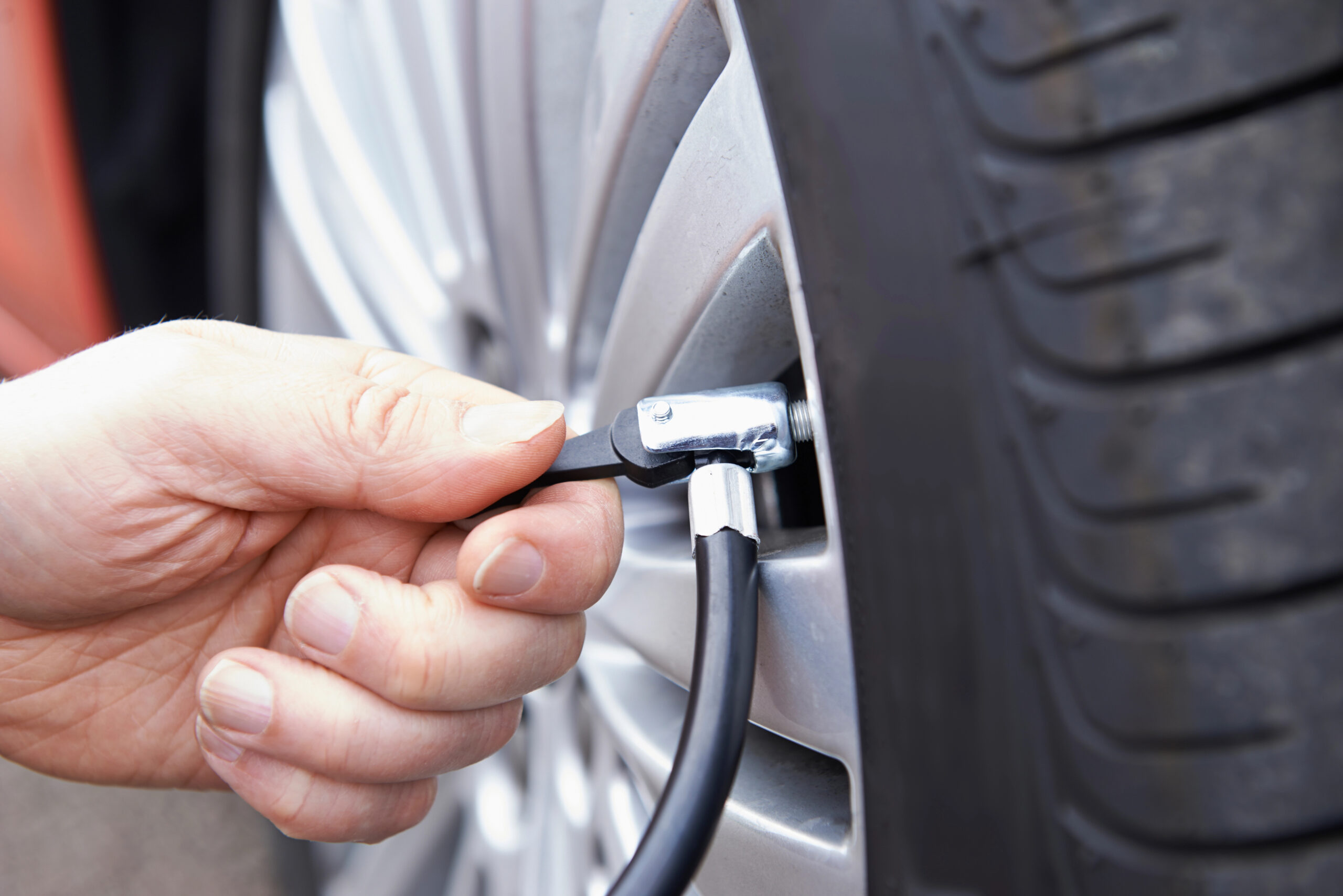
Using A Valve Tool
A valve tool is a small device made to press the valve pin. It helps release air more easily and with control.
Insert the valve tool into the valve stem and turn or press it to let the air out.
- Insert the tool carefully into the valve.
- Turn or press the tool to open the valve pin.
- Release air until pressure is right.
- Remove the tool and replace the valve cap.
Credit: jerry.ai
Check Tire Pressure
Checking tire pressure is important before letting air out of a car tire. It helps you know how much air to release safely.
Proper pressure keeps your car safe and improves fuel efficiency. Use a pressure gauge to get the correct reading.
Using A Pressure Gauge
First, remove the valve cap from the tire’s valve stem. Press the pressure gauge firmly onto the valve stem.
The gauge will show the current air pressure inside the tire. Compare this number to the recommended pressure found in your car manual or on the tire label.
- Use a digital or analog pressure gauge.
- Check tire pressure when tires are cold for accuracy.
- Read the gauge quickly to avoid air loss.
Adjusting As Needed
If the tire pressure is too high, press the valve stem to let air out slowly. Check pressure again with the gauge.
Keep releasing air in small amounts. Stop when the pressure matches the recommended level for your tire.
- Use a small tool or your finger to press the valve.
- Release air slowly to avoid letting out too much.
- Check pressure often during the process.
Replace The Valve Cap
The valve cap protects the tire valve from dirt and dust. It keeps the valve clean and helps prevent air leaks.
Replacing a lost or damaged valve cap is easy. It helps keep your tire air pressure stable.
Find The Right Valve Cap
Valve caps come in different sizes and materials. Choose one that fits your tire valve perfectly.
- Plastic caps are light and affordable.
- Metal caps are durable and long-lasting.
- Some caps have built-in valve core tools.
Remove The Old Or Broken Cap
Turn the old valve cap counterclockwise to remove it. If it is stuck, use a cloth for better grip.
Screw On The New Valve Cap
Place the new valve cap on the valve stem. Turn it clockwise until it is snug but not too tight.
Check The Valve Cap Condition
| Condition | What to Do |
| Missing | Replace immediately to protect valve |
| Cracked or broken | Replace to avoid dirt entering valve |
| Loose fitting | Replace with correct size cap |
| Good condition | Keep in place and check regularly |
Tips For Maintaining Tire Pressure
Keeping your car tires at the right pressure improves safety and fuel efficiency.
It also helps tires last longer and drives better on the road.
Check Tire Pressure Regularly
Use a tire pressure gauge to check your tires once a month. Check when tires are cold for accurate reading.
Know The Correct Pressure
Look inside the driver’s door or your car manual to find the right tire pressure. It is measured in PSI (pounds per square inch).
How To Let The Air Out Of A Car Tire
If your tire pressure is too high, press the valve stem to release air slowly. Use a small tool or your fingernail to press the pin inside the valve.
- Locate the valve stem on the tire
- Press the metal pin inside the valve with a tool
- Release air in short bursts
- Check pressure often to avoid letting out too much air
Inspect Tires For Damage
Look for cuts, cracks, or nails in the tires. Damaged tires can lose air quickly and cause unsafe driving.
Use A Tire Pressure Table
| Car Type | Recommended PSI |
| Small Cars | 30-35 PSI |
| SUVs | 35-40 PSI |
| Trucks | 40-45 PSI |
Frequently Asked Questions
How Do I Safely Let Air Out Of A Car Tire?
To safely release air, use a tire valve tool or press the valve core gently. Do it slowly to avoid sudden deflation. Check tire pressure frequently during the process. This helps maintain control and prevents damage to the tire or rim.
How Much Air Should I Release From A Car Tire?
Release air until your tire reaches the desired pressure, usually recommended by the vehicle manufacturer. Use a tire pressure gauge to check frequently. Avoid deflating too much to maintain tire performance and safety.
Can I Let Air Out Of A Tire Without Tools?
It’s possible to press the valve stem core with a small object like a screwdriver. However, using a proper tire valve tool is safer and more effective. Avoid using sharp or large objects to prevent valve damage.
Why Would I Need To Let Air Out Of A Car Tire?
You may need to deflate tires for better traction on soft surfaces like sand or snow. Also, adjusting tire pressure helps improve ride comfort or prepare for tire repair. Always follow manufacturer guidelines for safe pressure levels.
Conclusion
Letting the air out of a car tire is simple. Follow the right steps and stay safe. Use the valve stem carefully. Ensure the tire is not over-deflated. This can protect the tire from damage. Knowing how to do this is helpful.
Especially during emergencies or maintenance tasks. Practice makes it easier over time. Remember, always check the tire pressure after letting out air. This ensures safe driving conditions. Proper tire pressure extends tire life. It also improves fuel efficiency. Keep these tips in mind.
Enjoy safer and smoother rides.