Are you or a loved one facing a serious illness and wondering if palliative care is something your insurance will cover? Understanding how insurance works with palliative care can be confusing and overwhelming.
You might be asking yourself: Will my insurance pay for this? What costs should I expect? Knowing the answers can ease your mind and help you focus on what really matters—comfort and quality of life. Keep reading to discover exactly how insurance covers palliative care and what steps you can take to get the support you deserve.
What Is Palliative Care
Palliative care is specialized medical care for people with serious illnesses. It focuses on providing relief from symptoms and stress.
The goal is to improve quality of life for both the patient and their family. Palliative care can be provided alongside curative treatments.
Who Needs Palliative Care
Palliative care is for anyone with a serious illness. It can help people with cancer, heart failure, lung disease, or dementia.
- Patients with chronic illnesses
- People facing life-limiting conditions
- Those needing pain and symptom management
- Families seeking emotional support
Services Included In Palliative Care
| Service | Description |
| Pain management | Relief from physical pain and discomfort |
| Symptom control | Treatment for nausea, fatigue, and other symptoms |
| Emotional support | Counseling for patients and families |
| Care coordination | Help managing medical treatments and appointments |
| Spiritual care | Support with spiritual or religious concerns |
Where Palliative Care Is Provided
Palliative care can be given in many settings. It is available in hospitals, nursing homes, outpatient clinics, and at home.
The care team usually includes doctors, nurses, social workers, and chaplains. They work together to meet the patient’s needs.

Credit: viatical.org
Types Of Insurance Covering Palliative Care
Palliative care helps patients with serious illnesses. It focuses on comfort and quality of life.
Many types of insurance can cover palliative care. Coverage depends on the insurance plan and provider.
Private Health Insurance
Private health insurance often covers palliative care. Coverage depends on the policy and insurer rules.
Some plans pay for home visits, pain management, and counseling. Other plans may require prior approval.
- Inpatient and outpatient palliative services
- Prescription medicines related to care
- Support services like social work
Medicare And Medicaid
Medicare covers palliative care under certain parts, mainly Part A and Part B. It includes hospital and doctor care.
Medicaid coverage varies by state. Many states offer home and community-based services for palliative care.
- Medicare Part A covers hospital care
- Medicare Part B covers outpatient services
- Medicaid may cover home health care
Veterans Benefits
The Department of Veterans Affairs offers palliative care to eligible veterans. Care includes pain relief and counseling.
Veterans can get services at VA hospitals or at home. The VA focuses on comfort and support for veterans and families.
- Inpatient and outpatient palliative care
- Home-based services
- Support for family caregivers
Long-term Care Insurance
Long-term care insurance may cover palliative care if it includes hospice or home health care benefits.
Policies differ widely. Some cover pain management and nursing care, while others do not.
- Coverage depends on policy details
- May include home nursing and therapy
- Check if hospice care is included
Services Included In Coverage
Insurance coverage for palliative care varies but often includes many important services. These services help improve quality of life for patients with serious illnesses.
Understanding what is covered can help patients and families plan better and get needed support.
Medical Treatments
Palliative care covers medical treatments aimed at managing illness symptoms. This includes therapies to control nausea, breathing problems, and other health issues.
Pain And Symptom Management
Insurance often pays for pain relief and symptom control. This helps patients feel more comfortable during their illness.
- Medications for pain and discomfort
- Physical therapy to ease movement
- Use of medical devices like oxygen
Counseling And Support
Counseling services help patients and families cope with emotional and mental stress. Coverage may include sessions with social workers or therapists.
| Service | Description |
| Emotional Counseling | Support for patients and families facing serious illness |
| Spiritual Care | Help with spiritual or religious concerns |
| Social Work | Assistance with resources and planning |
Home-based Care
Many insurance plans cover care given at home. This lets patients stay in a familiar place while receiving medical help.
Home care may include nursing visits, help with daily tasks, and medical monitoring.
Factors Affecting Insurance Coverage
Insurance coverage for palliative care depends on many factors. These factors determine if and how much the care is covered.
Understanding these factors helps patients and families plan for care and costs.
Policy Terms And Conditions
Each insurance policy has different rules about coverage. These rules explain what types of care are included.
- Some policies cover only specific treatments.
- Others may require prior approval for palliative care.
- Coverage limits and deductibles also affect payment.
- Policies may exclude certain conditions or services.
Diagnosis And Prognosis
Insurance coverage often depends on the patient’s diagnosis and expected health outlook. Palliative care coverage is more common if the illness is serious or life-limiting.
Doctors usually provide information about prognosis to support insurance claims. This helps insurance companies decide on coverage.
Care Setting
| Care Setting | Insurance Coverage | Notes |
| Hospital | Usually covered | Depends on policy and length of stay |
| Home Care | Sometimes covered | May require special approval |
| Hospice | Often covered | Specific benefits apply |
| Skilled Nursing Facility | Varies | Depends on medical need and policy |
Provider Network
Insurance plans often cover care only from providers in their network. Using out-of-network providers may mean higher costs or no coverage.
Patients should check if their palliative care provider is in the network before starting treatment.
Out-of-pocket Costs And Limits
Palliative care helps people with serious illnesses feel better. Insurance may cover some costs, but not all. Understanding out-of-pocket costs is important for planning your care.
Costs vary by insurance plan and the type of care needed. Some expenses may not be fully covered, leading to payments from your own money.
Copayments And Deductibles
Many insurance plans require copayments or deductibles for palliative care services. A copayment is a fixed amount paid for each visit or service. A deductible is the total amount you pay before insurance helps.
- Copayments can range from $10 to $50 per visit.
- Deductibles vary widely by plan and may apply yearly.
- Some plans waive copayments for hospice care, a type of palliative care.
- Check your insurance details to know your exact costs.
Coverage Caps
Insurance plans may set limits on how much they pay for palliative care. These limits are called coverage caps. They can affect the length or amount of care you receive.
| Type of Cap | Description | Example |
| Annual Cap | Maximum amount paid per year | $10,000 per year |
| Visit Limit | Maximum number of visits covered | 20 visits per year |
| Service Limit | Limits on specific treatments | Physical therapy capped at 15 sessions |
Financial Assistance Options
Some patients may face high costs even with insurance. Financial help can reduce these expenses. Assistance comes from different sources.
- Nonprofit organizations offer grants for palliative care.
- Hospitals may provide sliding scale fees based on income.
- Government programs sometimes cover extra costs.
- Talk to your care provider about help programs.

Credit: www.youtube.com
How To Verify Your Coverage
It is important to know if your insurance covers palliative care. Checking your coverage helps you plan your care and avoid surprises.
There are clear ways to find out what your insurance will pay for. This guide shows you how to check your coverage step-by-step.
Contacting Your Insurance Provider
Call your insurance company to ask about palliative care coverage. Use the number on your insurance card to reach customer service.
Ask specific questions like what services are covered and if there are limits. Write down the answers and the name of the person you spoke with.
- Confirm if palliative care is included in your plan
- Ask about any co-pays or deductibles
- Check if you need a referral to get care
- Inquire about coverage for home or facility care
Reviewing Policy Documents
Look at your insurance policy documents for details on palliative care. These papers explain what your insurance covers and any rules.
Focus on the sections about hospice, home health, or chronic illness care. These parts often include palliative care information.
- Find your insurance handbook or summary of benefits
- Read the parts about specialist and supportive care
- Note any limits on visits or treatments
- Check for exclusions or special conditions
Seeking Professional Guidance
Talk to a healthcare provider or social worker about your insurance. They can help you understand what your plan covers.
Professionals know how to read insurance rules and can guide you in getting the care you need. They can also help with paperwork.
- Ask your doctor or nurse about palliative care coverage
- Contact a social worker for insurance advice
- Use a patient advocate if available
- Get help with insurance claims and approvals
Common Misconceptions About Coverage
Many people do not understand how insurance covers palliative care. This causes confusion and worry about costs. Learning the facts can help patients and families make better choices.
Palliative care focuses on comfort and quality of life for serious illness. Insurance coverage varies but often includes some or all services. Let’s clear up common myths about what insurance pays for.
Palliative Care Is Not Covered By Insurance
Many believe insurance never covers palliative care. In truth, many plans include it as part of medical benefits. Coverage depends on the insurance type and policy details.
Only Hospice Care Is Covered
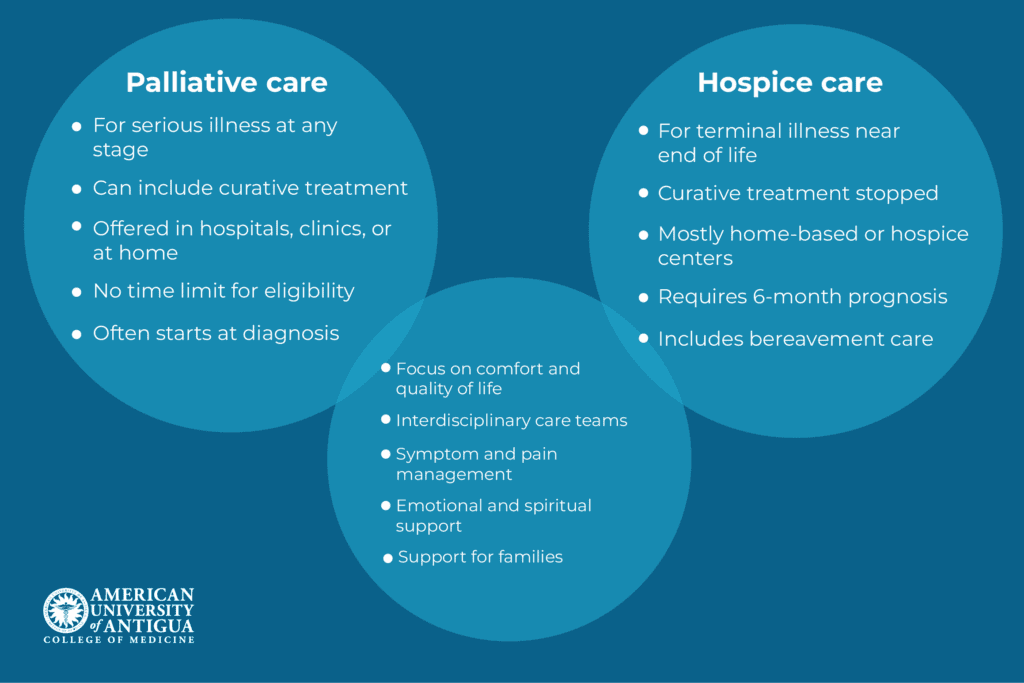
People often confuse hospice with palliative care. Hospice care is for end-of-life patients. Palliative care can start earlier and is not limited to terminal illness. Insurance may cover both differently.
All Palliative Services Are Fully Covered
Insurance coverage for palliative care services varies. Some services like doctor visits and medication are covered. Others, like counseling or home care, might have limits or require co-pays.
| Service | Typical Coverage | Notes |
| Doctor Visits | Usually Covered | May need referral |
| Medications | Often Covered | Depends on drug list |
| Counseling | Varies | May require prior approval |
| Home Care | Sometimes Covered | Limits on hours apply |
| Medical Equipment | Often Covered | Must be prescribed |
Private Insurance And Medicaid Work The Same
Private insurance and Medicaid differ in coverage rules. Medicaid often covers more services but has income limits. Private plans vary widely. Check your specific policy for details.
Palliative Care Costs Are Always High
Many fear palliative care will cause large bills. Insurance can reduce costs significantly. Some programs offer financial help or sliding scale fees based on income.
- Check your insurance policy for palliative care coverage.
- Ask if referrals or pre-approval are needed.
- Understand co-pays and deductibles.
- Explore state or local assistance programs.
- Talk to your care team about cost concerns.

Credit: www.auamed.org
Alternatives When Insurance Falls Short
Palliative care helps people with serious illnesses feel better. Sometimes insurance does not cover all costs. There are other ways to find support and care.
These options can help patients and families get the care they need. They provide services outside of insurance coverage.
Community Resources
Local groups and centers often offer support for palliative care. They may provide free or low-cost services like counseling or home care.
Community resources can help with transportation, meals, and social activities. They aim to improve the quality of life for patients and families.
- Support groups for patients and caregivers
- Volunteer home care services
- Local health clinics with palliative programs
- Meal delivery services for homebound patients
Charitable Organizations
Charities often provide financial help or direct care for palliative patients. They may cover costs not paid by insurance.
These organizations focus on easing pain and improving comfort. They also offer counseling and other emotional support services.
- Grants for medical equipment and supplies
- Funding for home nursing care
- Patient and family counseling services
- Support for travel to medical appointments
Government Programs
Government programs offer help for palliative care costs. Some programs are for seniors, low-income families, or veterans.
These programs provide home care, hospice services, and medication support. They aim to reduce financial burdens on patients and families.
- Medicaid coverage for home health and hospice
- Veterans Affairs palliative care benefits
- State-funded programs for low-income patients
- Prescription assistance programs
Frequently Asked Questions
Is Palliative Care Included In Most Insurance Plans?
Many insurance plans cover palliative care, especially Medicare and Medicaid. Coverage varies by policy and provider. Always check your specific insurance details for confirmation before starting care.
Does Medicare Cover Palliative Care Services?
Yes, Medicare often covers palliative care under its Part A and Part B plans. Coverage includes doctor visits, hospital care, and symptom management, but specifics depend on individual circumstances.
Are Hospice And Palliative Care Covered Differently By Insurance?
Yes, hospice care is usually fully covered by insurance, while palliative care coverage can vary. Hospice is for end-of-life, while palliative care is broader and may not always be covered.
Can Private Insurance Policies Cover Palliative Care Costs?
Many private insurers cover palliative care, but coverage details differ widely. Policyholders should review their plans or contact insurers directly to understand benefits and limitations.
Conclusion
Understanding insurance coverage for palliative care is vital. Each plan varies. It’s crucial to review your policy. Ask your insurer questions. Ensure you know what’s covered. Consider speaking with a healthcare provider. They can offer guidance. Financial stress can affect care decisions.
Planning ahead helps avoid surprises. Peace of mind is important. Knowing your options supports better care choices. Remember, informed decisions lead to better experiences. Your health and comfort matter most. Always prioritize understanding your insurance coverage. This helps ensure you receive the support needed.