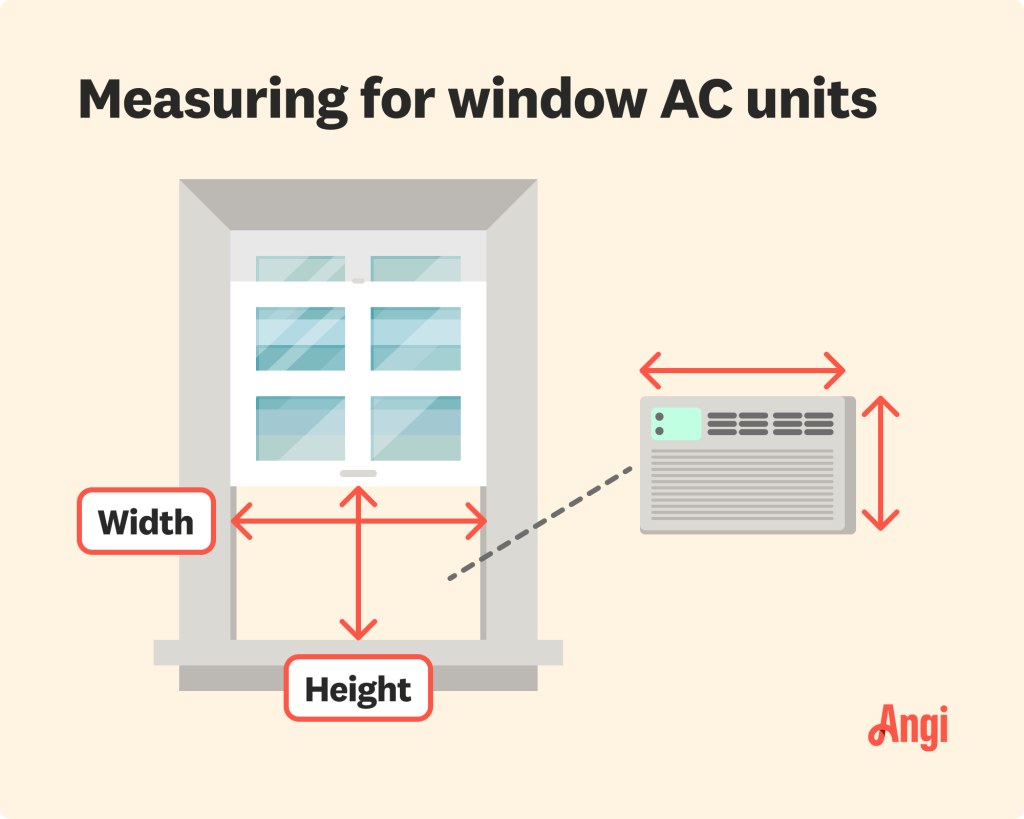
Choosing the right air conditioner size isn’t just about comfort—it’s about efficiency and cost-effectiveness too. If you’ve ever wondered, “How big an air conditioner do I need?” you’re not alone.
Getting this decision right can save you from sweltering summers and shockingly high energy bills. Imagine walking into a room that’s perfectly cool without having to worry about energy waste or unnecessary expenses. That’s the goal. You’ll discover how to select the perfect air conditioner size tailored to your home’s needs, ensuring optimal performance and savings.
Don’t let your comfort hang in the balance—read on to make a smart, informed choice.
Factors Affecting Ac Size
Choosing the right size air conditioner is very important. A unit that is too small will not cool well. A unit that is too big will waste energy.
Several factors affect the size of the air conditioner you need. These factors help find the right cooling capacity for your space.
Room Size And Dimensions
The size of the room is the main factor in deciding AC size. Larger rooms need more cooling power. Measure the length and width of the room to find the area.
Taller rooms might need more cooling than shorter rooms with the same floor area. The room’s shape also matters for airflow and cooling.
Ceiling Height Impact
High ceilings increase the volume of air in the room. This means the air conditioner must cool more air. Standard AC size calculations assume an 8-foot ceiling.
If your ceiling is higher than 8 feet, you should increase the AC capacity. This helps the unit cool the entire space evenly and quickly.
Insulation And Windows
Good insulation keeps cool air inside and heat outside. Poor insulation makes the AC work harder. The number and type of windows also affect cooling.
Windows let in heat from the sun, raising the room temperature. Double-pane or tinted windows reduce this heat gain, lowering AC size needs.
Sun Exposure And Climate
Rooms with lots of sun exposure heat up faster. South and west-facing rooms usually get the most sun. This increases the cooling load.
Climate also matters. Hotter climates need larger air conditioners. Cooler climates may require smaller units to keep the room comfortable.
Number Of Occupants
People generate body heat that the AC must remove. More occupants mean more heat. This increases the size of the air conditioner needed.
- 1-2 people: standard AC size for room
- 3-4 people: add extra cooling capacity
- More than 4: consider a larger AC or multiple units
Credit: www.comfortzoneproducts.com
Calculating Cooling Capacity
Choosing the right air conditioner size is key to keeping your room cool. Cooling capacity tells you how much heat the AC can remove.
This guide explains how to find the right cooling capacity for your space. You will learn simple ways to calculate it.
Btu Basics
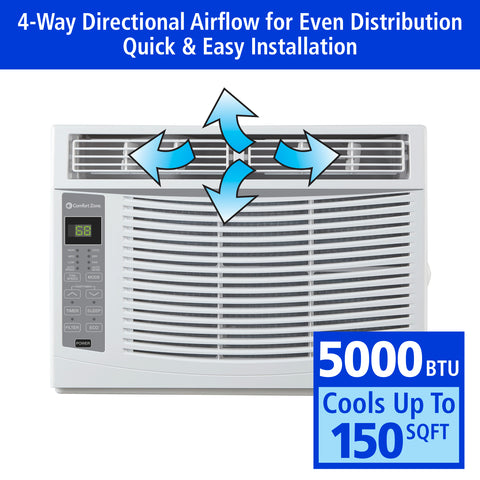
BTU stands for British Thermal Unit. It measures the amount of heat an air conditioner can remove in an hour.
Higher BTU means the AC cools a bigger or hotter space. It is important to pick the right BTU size.
Using Square Footage
Start by measuring your room’s square footage. Multiply the length by the width of the room.
A common rule is to use 20 BTU for every square foot of space. This gives a basic estimate of the cooling power needed.
- Small room (100 sq ft): 2,000 BTU
- Medium room (300 sq ft): 6,000 BTU
- Large room (500 sq ft): 10,000 BTU
Adjusting For Room Conditions
Some rooms need more or less cooling. Factors like sunlight, ceiling height, and number of windows affect the BTU needed.
- Sunlit rooms need 10% more BTU
- Rooms with high ceilings need extra cooling
- Shaded rooms can use less BTU
Considering Heat-generating Appliances
Appliances like ovens, computers, and TVs add heat. You should add extra BTU to cool these devices.
- Add 1,000 BTU for each major appliance
- Count all heat sources in the room
- This helps keep the room comfortable
Types Of Air Conditioners
Choosing the right air conditioner depends on your room size and cooling needs. Different types offer different features and installation methods.
Understanding the main types helps you pick a unit that fits your space and budget. Below are common air conditioner types and their uses.
Window Units
Window air conditioners fit inside a window frame. They cool one room and are easy to install. These units are affordable and good for small spaces.
Split Systems
Split systems have two parts: an indoor unit and an outdoor compressor. They cool one or more rooms quietly and efficiently. Installation needs a professional.
- Indoor unit mounts on the wall
- Outdoor unit releases heat outside
- Good for homes without window space
- Can connect multiple indoor units
Portable Acs
Portable air conditioners are movable and do not require permanent installation. They work best for temporary cooling or small rooms.
| Feature | Details |
| Mobility | Easy to move between rooms |
| Installation | No permanent setup needed |
| Cooling Area | Small to medium rooms |
| Ventilation | Needs a window or vent for hot air |
Central Air Conditioning
Central air conditioning cools entire homes or large spaces. It uses ducts to distribute cool air evenly through many rooms.
Common features of central AC systems:
- Requires ductwork in the building
- Can cool multiple rooms at once
- Higher upfront cost but efficient for large areas
- Professional installation is necessary
Energy Efficiency And Ac Size
Choosing the right size air conditioner affects energy use and comfort. A unit that fits your space well cools efficiently. It uses less power and lasts longer.
Energy efficiency depends on both the AC size and how well it works. Understanding these factors helps save money and reduce energy waste.
Seer Ratings Explained
SEER stands for Seasonal Energy Efficiency Ratio. It shows how much cooling a unit gives per unit of electricity used. Higher SEER means better efficiency.
Look for AC units with a SEER rating of 13 or above. These models use less energy and lower your electricity bills.
Right-sizing For Energy Savings
Choosing the correct AC size is key to saving energy. A unit too small runs all the time and struggles to cool. A unit too big turns on and off often.
- Measure your room size in square feet
- Check the AC’s cooling capacity in BTUs
- Match BTUs to your room size for best fit
- Consider insulation and sun exposure
- Ask a professional for a load calculation if unsure
Impact Of Oversized Units
| Issue | Effect |
|---|---|
| Short Cycling | Unit turns on and off quickly, wasting energy |
| Poor Dehumidification | Air stays humid and uncomfortable |
| Higher Costs | More repair and energy expenses |
| Uneven Cooling | Some areas stay hot or cold |
Installation Tips
Choosing the right size air conditioner is important, but installing it properly matters too. Good installation helps your AC cool better and last longer.
Here are tips to install your air conditioner the right way. These tips cover where to place it, who should install it, and how to handle ductwork.
Proper Placement
Place your air conditioner where it can cool the room evenly. Avoid spots near heat sources like ovens or direct sunlight.
Make sure the outdoor unit has space for airflow. Keep it clear of plants, walls, and debris to work well and last longer.
- Indoors: Away from windows and doors
- Outdoors: Open area with no blockages
- Avoid corners that trap heat
Professional Vs Diy
Installing an air conditioner can be tricky. Professionals have tools and experience to do it safely and correctly.
DIY installation may save money but risks poor setup. Mistakes can reduce cooling or cause damage. Choose a pro if you feel unsure.
- Professionals ensure proper wiring and setup
- DIY may lack tools for correct installation
- Incorrect installation affects efficiency and warranty
Ductwork Considerations
If your air conditioner uses ducts, check them before installation. Leaks or blockages reduce cooling power and waste energy.
Seal any leaks and clean ducts for best airflow. Proper duct size and layout help your AC cool rooms evenly and quietly.
- Inspect ducts for holes or damage
- Seal leaks with proper materials
- Clean dust and debris regularly
- Ensure ducts fit the AC size and room layout

Credit: www.geappliancesairandwater.com
Common Mistakes To Avoid
Choosing the right air conditioner size is important for comfort and energy savings. Many people make errors that cause poor cooling or high bills.
Knowing what mistakes to avoid helps you pick the best air conditioner for your space. Read on to learn common pitfalls.
Choosing Too Large Or Too Small
Picking an air conditioner that is too big or too small causes problems. A large unit cools quickly but wastes energy. A small unit runs too long and may not cool enough.
- Too large: Higher costs and uneven cooling.
- Too small: Poor cooling and more wear on the unit.
- Right size: Efficient, comfortable, and cost-effective.
Ignoring Room Usage
Different rooms need different cooling power. A living room with many windows needs more cooling than a bedroom. Ignoring this leads to wrong air conditioner size.
| Room Type | Cooling Needs |
| Living Room | High |
| Bedroom | Moderate |
| Kitchen | Very High |
| Office | Low to Moderate |
Neglecting Maintenance
Regular maintenance keeps your air conditioner working well. Neglecting it lowers efficiency and shortens the unit’s life.
- Clean or replace filters monthly.
- Check for leaks and blockages.
- Schedule yearly professional service.
Maintaining Optimal Cooling
Choosing the right air conditioner size is important. Maintaining it well keeps your home cool and comfortable.
Simple care steps help your AC run efficiently and last longer. Let’s look at key ways to keep your system working well.
Regular Filter Cleaning
Air filters catch dust and dirt. Dirty filters block airflow and reduce cooling power.
- Check filters every month during heavy use
- Clean or replace filters if they look dirty
- Use the correct filter size for your unit
- Keep extra filters on hand for quick changes
Scheduling Tune-ups
Regular tune-ups keep your AC running smoothly. A technician checks parts and fixes small problems.
| Service Task | Frequency |
| Check refrigerant levels | Yearly |
| Inspect electrical components | Yearly |
| Clean coils and fins | Yearly |
| Lubricate moving parts | Yearly |
| Test thermostat accuracy | Yearly |
Using Smart Thermostats
Smart thermostats control your AC better. They adjust temperature based on your schedule and weather.
- Set cooling times to save energy
- Control temperature remotely with an app
- Receive alerts for maintenance needs
- Track energy use over time

Credit: fireandairaz.com
Frequently Asked Questions
How Do I Calculate The Right Ac Size For My Room?
Calculate your room’s square footage first. Then, multiply by 20 BTUs per square foot. Adjust for factors like sunlight and insulation for accuracy.
What Happens If My Ac Is Too Big?
An oversized AC cools quickly but cycles off often. This wastes energy, causes humidity issues, and wears out the system faster.
Can A Small Ac Cool A Large Room Effectively?
A small AC struggles to cool large spaces. It runs continuously, increasing energy bills and reducing comfort and efficiency.
Why Is Btu Important In Choosing An Air Conditioner?
BTU measures cooling power. Choosing the right BTU ensures efficient cooling, energy savings, and optimal comfort in your space.
Conclusion
Choosing the right air conditioner size saves energy and money. A unit too small won’t cool well. One too big wastes power and causes wear. Measure your room carefully and check BTU guidelines. Think about sunlight, windows, and room use.
The right size keeps you cool and comfortable. Take your time to decide well. Your home will thank you with better air and lower bills. Simple steps lead to smart cooling choices.