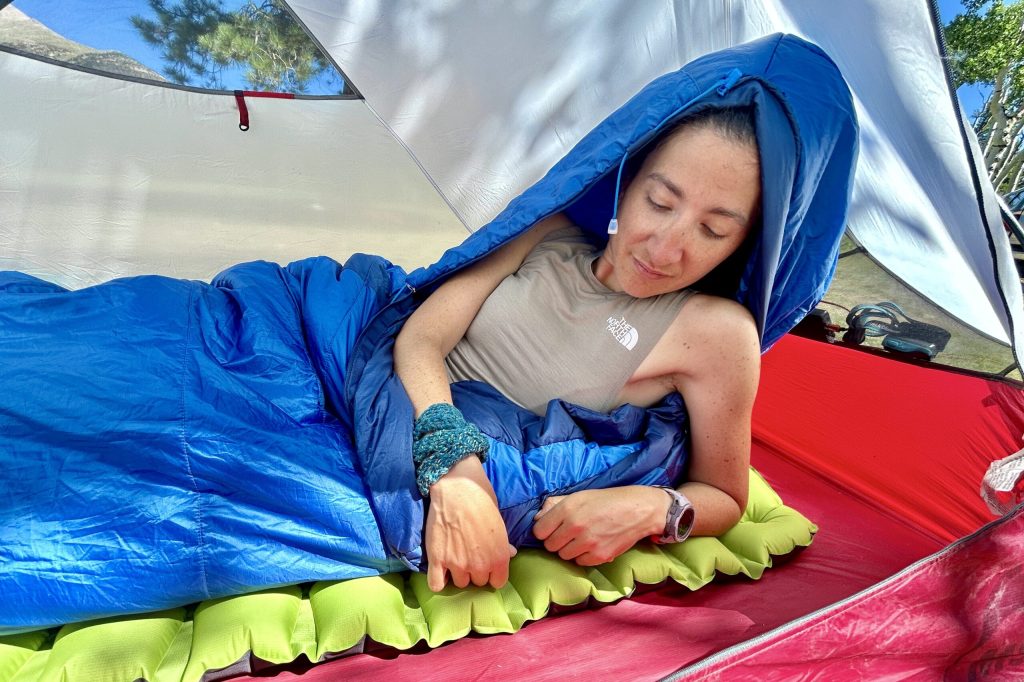
Are you tired of waking up freezing during your outdoor adventures? Finding the warmest sleeping bag can change how you sleep under the stars.
Imagine wrapping yourself in a cozy cocoon that blocks out the cold and keeps you comfortable all night long. You’ll discover what makes a sleeping bag truly warm and how to choose one that fits your needs perfectly. Keep reading to unlock the secrets to staying warm, no matter how chilly it gets outside.
Warmth Ratings Explained
Sleeping bags have warmth ratings to show how cold it can get before you feel cold. These ratings help you pick the right bag for your trip.
Knowing warmth ratings makes camping safer and more comfortable. It stops you from being too cold or carrying too much weight.
Temperature Ratings And Standards
Temperature ratings tell you the lowest temperature to stay warm in the sleeping bag. Different standards use different tests to find these numbers.
The most common standard is EN13537. It gives three ratings: comfort, limit, and extreme.
- Comfort:Lowest temp a cold sleeper feels warm.
- Limit:Lowest temp a normal sleeper feels warm.
- Extreme:Lowest temp survival is possible but very cold.
How To Choose Based On Climate
Pick a sleeping bag that fits the weather you expect. Use the temperature ratings to guide your choice.
For cold places, choose bags with lower temperature ratings. For mild weather, bags with higher ratings work well.
- Use a bag rated below the lowest night temperature.
- Consider extra layers if you sleep cold.
- Choose lighter bags for warmer climates.
Understanding Insulation Types
Sleeping bags use different insulation materials to keep you warm. The two main types are down and synthetic.
Down insulation is light and packs small. Synthetic insulation works better when wet and costs less.
- Down:Warm, lightweight, compresses well, pricey, loses warmth when wet.
- Synthetic:Less expensive, keeps warmth when wet, bulkier, heavier.
Types Of Sleeping Bags
Sleeping bags come in many types. Choosing the right one helps you stay warm.
Understanding the main types helps you pick a bag for your needs and weather.
Down Vs Synthetic Fill
Sleeping bags use either down or synthetic fill. Down is made from bird feathers.
Synthetic fill uses man-made fibers to trap heat. Both have good and bad points.
- Down is lightweight and packs small.
- Down loses warmth if wet and takes longer to dry.
- Synthetic fills keep warmth even when wet.
- Synthetics dry faster but are bulkier and heavier.
- Down bags usually last longer with care.
- Synthetic bags cost less and are easier to clean.
Mummy Vs Rectangular Shapes
Sleeping bags come in shapes like mummy and rectangular. Shape affects warmth and comfort.
| Shape | Warmth | Space | Weight |
| Mummy | High – fits close to body | Less room to move | Lighter |
| Rectangular | Lower – more air space | More room to move | Heavier |
Specialized Bags For Extreme Cold
For very cold weather, special bags offer extra protection. They use unique materials and designs.
- Extra insulation layers trap more heat.
- Windproof shells block cold air.
- Draft collars stop warm air from escaping.
- Hoods fit tightly around the head.
- Some bags use water-resistant or waterproof fabrics.
Key Features For Warmth
Choosing the warmest sleeping bag depends on its design and materials. Warmth comes from many parts working together.
This guide explains key features that keep heat inside your sleeping bag. Understanding these will help you pick the right one.
Draft Collars And Hoods
Draft collars and hoods stop cold air from entering the sleeping bag. They fit snugly around your neck and head.
- Draft collars seal the area near your shoulders to keep warmth trapped.
- Hoods cover your head and can be tightened for a better fit.
- Both reduce heat loss and block wind from coming inside.
Zipper Baffles And Seals
Zipper baffles and seals protect against cold air entering through zipper gaps. They add extra insulation along the zipper line.
| Feature | Purpose | Benefit |
| Zipper Baffle | Blocks cold air at zipper | Prevents heat loss through zipper area |
| Zipper Seal | Closes zipper tightly | Stops drafts and keeps warmth inside |
| Two-way Zipper | Allows ventilation | Helps regulate temperature without cold air entry |
Shell Material And Water Resistance
The shell material keeps moisture out and protects insulation. Water resistance is key for staying warm in wet conditions.
- Nylon or polyester shells are common for strength and light weight.
- Water-resistant coatings stop water from soaking the bag.
- Dry insulation keeps heat even when outside is damp.
- Some shells have durable water repellent (DWR) finishes for added protection.
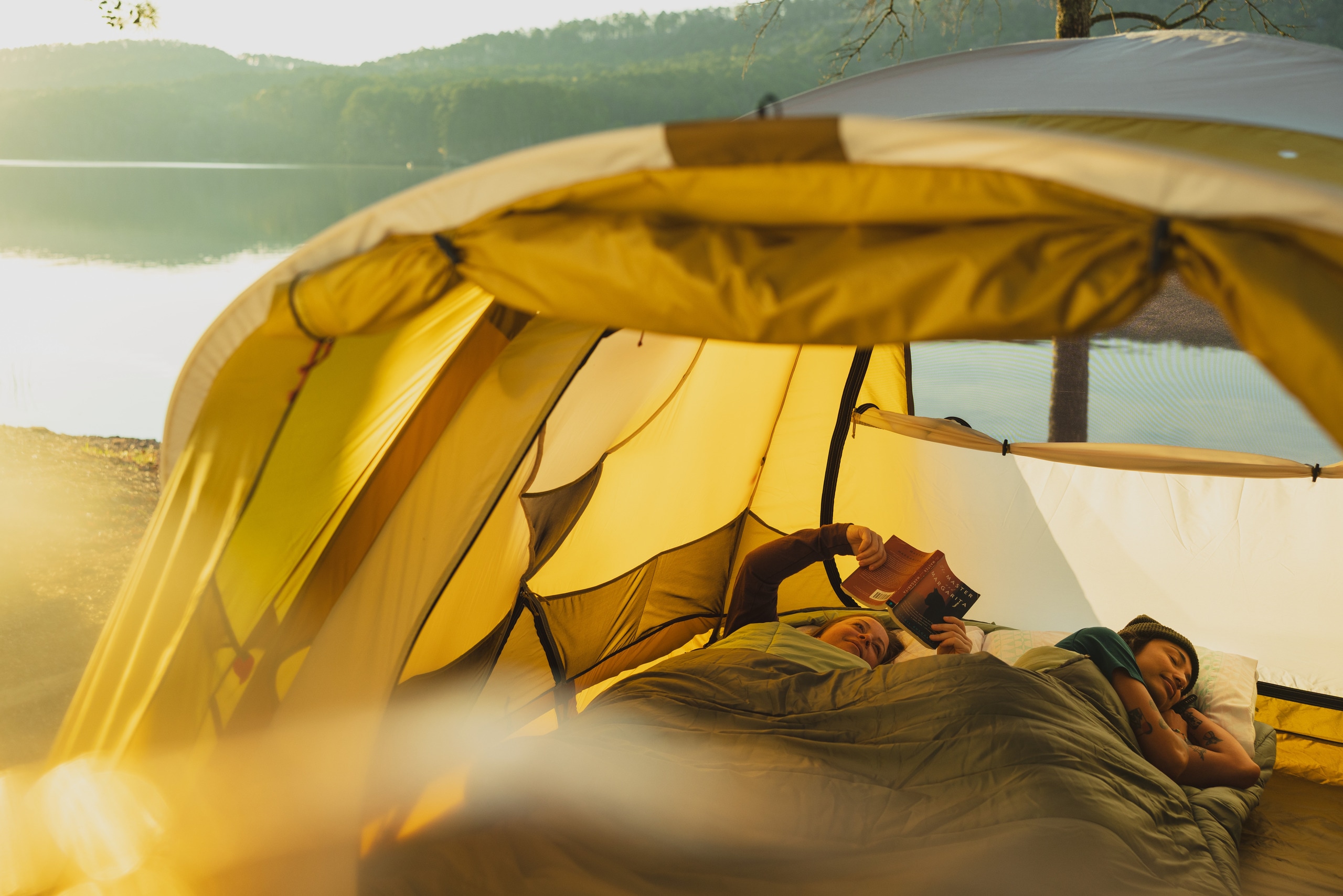
Credit: www.rei.com
Top Warmest Sleeping Bags In 2024
Choosing the warmest sleeping bag is important for cold weather camping. A good sleeping bag keeps you safe and comfortable. In 2024, many models offer excellent warmth and features.
This guide covers the best sleeping bags for extreme cold, budget options, and lightweight warm choices. These options suit different needs and budgets.
Best For Extreme Cold
Sleeping bags for extreme cold protect you from freezing temperatures. They use thick insulation and special materials. These bags are perfect for winter camping and mountaineering.
Look for bags with down fill, draft collars, and hood cinches. These features keep heat inside and cold air out.
- High fill power down insulation
- Water-resistant outer shell
- Draft tubes and collars
- Insulated hoods
Best Budget Options
Budget sleeping bags offer good warmth without high cost. They often use synthetic insulation. These bags work well for casual camping in cool weather.
Choose bags with durable fabric and decent temperature ratings. They give good value for money and keep you warm on a budget.
- Synthetic insulation for wet conditions
- Durable polyester outer fabric
- Comfortable temperature range
- Easy to clean and maintain
Lightweight And Warm Choices
Lightweight sleeping bags are easy to carry. They still keep you warm in cool to cold weather. These bags use high-quality insulation and compact designs.
Ideal for backpackers and hikers who want warmth without heavy gear. Look for down fill and small packed size.
- High fill power down for warmth
- Compact and compressible
- Weight under 3 pounds
- Good temperature rating for cool nights
Tips To Maximize Warmth
Choosing the warmest sleeping bag is important for cold weather camping. You can stay warmer by using simple tricks. These tips help keep your body heat inside the sleeping bag.
Use good layering, add insulation under you, and care for your sleeping bag. Each step adds extra warmth for a better night’s rest.
Proper Layering Techniques
Layering clothes inside your sleeping bag traps heat and keeps you warm. Start with a thin base layer that fits close to your skin. Avoid cotton because it holds moisture.
Add a middle layer of fleece or wool for insulation. If it gets very cold, wear a hat and socks inside the bag to reduce heat loss.
- Wear moisture-wicking base layers
- Use fleece or wool mid-layers
- Keep your head and feet covered
- Avoid tight clothing to allow airflow
Using Sleeping Pads
Sleeping pads stop cold from the ground. They add a layer of insulation below you. Without a pad, heat escapes into the cold earth.
Choose a sleeping pad with good insulation value called R-value. A higher R-value means better warmth. Use a pad that fits your sleeping bag size for full coverage.
- Select a sleeping pad with R-value 3 or higher for cold weather
- Place the pad flat under your sleeping bag
- Check for leaks or damage before use
- Use an extra blanket or foam pad for more warmth if needed
Maintaining Your Sleeping Bag
Keep your sleeping bag clean and dry to keep it warm. Dirt and moisture reduce the insulation power. Store the bag loosely in a dry place to keep the fill fluffy.
Before camping, air out your sleeping bag. Repair any holes or broken zippers. Use a sleeping bag liner for extra warmth and to protect the bag from sweat.
- Wash your bag only when necessary with gentle soap
- Dry completely before storing
- Store in a large sack, not compressed
- Use a liner to keep the bag clean and warm

Credit: www.hannahoutdoor.com

Credit: www.backpacker.com
Frequently Asked Questions
What Makes A Sleeping Bag The Warmest?
The warmest sleeping bags use high-quality insulation like down or synthetic fibers. They have tight construction to prevent heat loss. Features like draft collars and hoods improve heat retention. Temperature ratings help identify bags suitable for extreme cold.
How Do Temperature Ratings Affect Sleeping Bag Warmth?
Temperature ratings indicate the lowest temperature a bag can handle comfortably. Lower ratings mean better insulation and warmth. Ratings follow standards like EN or ISO for reliability. Choose a bag with a rating matching or below your camping conditions.
Are Down Or Synthetic Fillings Warmer For Sleeping Bags?
Down insulation is warmer and more compressible but less effective when wet. Synthetic insulation is bulkier but maintains warmth even if damp. For extreme cold and dry conditions, down is preferred. For wet or humid environments, synthetic is a safer choice.
Can Sleeping Bag Shape Impact Warmth?
Yes, mummy-shaped bags are warmer because they fit snugly, reducing air space. Rectangular bags offer more space but less heat retention. A proper fit minimizes heat loss and improves overall insulation performance.
Conclusion
Choosing the warmest sleeping bag matters for a good night’s rest. Consider the climate where you’ll camp. Look for bags with quality insulation. Check the temperature rating carefully. This guides your choice. Remember, comfort is key. Don’t sacrifice warmth for price.
A good sleeping bag is an investment. It ensures safety and comfort in the wild. Always research before buying. Read reviews from other campers. They offer valuable insights. Your perfect bag awaits. Happy camping!