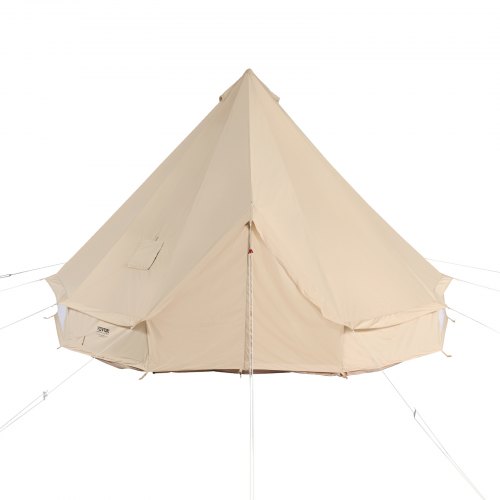
Have you ever wondered why tents come in so many shapes? The shape of a tent isn’t just about looks—it affects how well it stands up to wind, how easy it is to carry, and how comfortable you’ll be inside.
Whether you’re planning a camping trip or just curious, understanding tent shapes can help you choose the perfect one for your needs. Keep reading, and you’ll discover how the shape of a tent can make all the difference in your outdoor experience.

Credit: www.alibaba.com
Common Tent Shapes
Tents come in many shapes to fit different camping needs. Each shape has its own strengths and uses. Understanding these shapes can help you pick the right tent.
Below are some common tent shapes. They vary in design, space, and stability. Learn what makes each type special and useful.
A-frame Tents
A-frame tents have a simple design. They look like the letter “A” with two sloping sides. This shape is easy to set up and lightweight. It is good for short trips and fair weather.
Dome Tents
Dome tents are round with curved poles crossing in the middle. This shape gives good headroom and space inside. Dome tents are stable in wind and easy to carry.
Tunnel Tents
Tunnel tents have long, curved poles in a row. They create a tunnel shape that offers more floor space. These tents are great for families or groups. They provide good weather protection and room for gear.
Geodesic Tents
Geodesic tents have many poles that form a strong, dome-like frame. This shape is very stable and good for harsh weather. They are often used for mountaineering and extreme camping.
Cabin Tents
Cabin tents have straight walls and a flat roof. This shape gives the most space and comfort. Cabin tents are easy to stand up in and move around. They work well for long camping trips with families.
| Tent Shape | Key Features | Best Use |
|---|---|---|
| A-Frame | Simple, lightweight, easy setup | Short trips, fair weather |
| Dome | Curved poles, good space, stable | Backpacking, windy conditions |
| Tunnel | Long shape, roomy, good weather protection | Family camping, group trips |
| Geodesic | Many poles, very strong, stable | Mountaineering, harsh weather |
| Cabin | Straight walls, large, comfortable | Family camping, long stays |

Credit: www.reliabletent.com
Benefits Of Different Shapes
Tent shapes affect how well they work outdoors. Each shape offers unique benefits for campers.
Choosing the right shape helps with stability, space, setup, and carrying the tent.
Stability And Wind Resistance
Some tent shapes handle wind better than others. Dome tents are strong in storms. They have curved walls that let wind flow around them.
A-frame tents stand firm in moderate winds because of their triangular shape. Flat tents may not resist wind well and can collapse.
Space And Comfort
Tent shapes affect the inside room. Cabin tents have vertical walls. They offer more standing space and comfort.
- Dome tents have sloped walls, which reduce headroom.
- Geodesic tents provide good space with strong support.
- A-frame tents offer less floor space but are cozy.
Ease Of Setup
Some shapes are quicker to pitch. Dome tents use flexible poles that cross in the middle. This makes setup easy and fast.
| Shape | Setup Time | Difficulty |
|---|---|---|
| Dome | 5-10 minutes | Easy |
| A-frame | 10-15 minutes | Moderate |
| Cabin | 15-20 minutes | Hard |
Portability
Some tent shapes pack smaller and weigh less. Dome tents fold compactly and are light. They work well for backpacking.
A-frame tents are heavier and bulkier. Cabin tents are the largest and hardest to carry. Choose a shape based on how you travel.
Materials Influencing Tent Shape
Tent shape depends a lot on the materials used. Different materials change how the tent looks and performs.
Understanding these materials helps you pick the right tent for your needs and conditions.
Fabric Types
Fabric is the main part of a tent’s body. It affects weight, durability, and shape.
- Nylon: Light and strong, bends well for curved shapes.
- Polyester: Stretches less, keeps shape in sun and rain.
- Canvas: Heavy and stiff, holds classic shapes but less flexible.
- Ripstop: Reinforced with woven threads, stops tears and keeps form.
Pole Materials
Pole materials give the tent its frame. They affect how the tent stands and its shape style.
| Material | Weight | Strength | Shape Effect |
| Aluminum | Light | Strong | Supports dome and geodesic shapes |
| Fiberglass | Medium | Moderate | Good for simple A-frames and cabin tents |
| Carbon Fiber | Very Light | Very Strong | Used in high-end tents with complex shapes |
| Steel | Heavy | Very Strong | Used in large, sturdy tents like wall tents |
Flooring Options
Flooring materials help shape the tent’s base. They provide support and protect from ground moisture.
- Polyethylene: Thick and waterproof, keeps tent floor flat and firm.
- Oxford Cloth: Durable and water-resistant, shapes floors in lightweight tents.
- Ripstop Nylon: Light and strong, used in backpacking tents for flexible floors.
- Vinyl: Heavy but very tough, used in large tents needing strong base support.
Choosing Tent Shape By Activity
Choosing the right tent shape helps you enjoy your outdoor activity. Different shapes suit different needs and conditions.
Consider your main activity before picking a tent shape. This guide explains the best shapes for various outdoor adventures.
Backpacking And Hiking
Backpacking tents need to be light and compact. Shape affects weight and packing size.
Simple dome or tunnel tents offer good space and easy setup. These shapes reduce weight and resist wind well.
- Dome tents are stable and lightweight
- Tunnel tents provide more room for gear
- Freestanding designs are easy to pitch on uneven ground
Family Camping
Family tents need space and comfort. Larger shapes work better for groups.
Cabin and geodesic tents offer tall ceilings and roomy interiors. They allow more people and gear inside.
- Cabin tents have vertical walls for more space
- Geodesic tents are strong in bad weather
- Multiple rooms add privacy
Mountaineering
Mountaineering tents must handle strong winds and snow. Shape helps with stability.
Geodesic and pyramid tents shed snow well and resist harsh weather. They are built tough and secure.
- Geodesic tents use many poles for strength
- Pyramid tents have steep sides to avoid snow buildup
- Low-profile shapes reduce wind impact
Festivals And Events
Tents for festivals should be easy to set up and comfortable. Shape affects space and ventilation.
Dome and pop-up tents are popular. They offer quick setup and enough room for short stays.
- Dome tents are stable and roomy
- Pop-up tents set up in seconds
- Good ventilation helps in warm weather
Innovative Tent Designs
Tents come in many shapes and styles. New designs focus on ease and comfort. These tents change how we camp and use outdoor spaces.
Different shapes fit different needs. Some tents are quick to set up. Others offer strong structures for harsh weather. Let’s explore some new tent shapes.
Inflatable Tents
Inflatable tents use air beams instead of poles. These beams hold the tent up when filled with air. This design makes tents light and fast to pitch.
- Quick to set up and take down
- Lightweight and easy to carry
- Flexible shapes due to air beams
- Strong against wind when properly inflated
Pop-up Tents
Pop-up tents open with one quick motion. They use springy frames that fold flat. When released, they snap into shape fast.
| Feature | Benefit |
| Setup Time | Less than 1 minute |
| Weight | Very light, easy to carry |
| Shape | Usually dome or tunnel |
| Storage | Folds flat for compact storage |
Modular Tents
Modular tents connect multiple parts to form one large shelter. Users add or remove sections as needed. This design adapts to group size and space.
Advantages of Modular Tents:
- Flexible size and shape
- Easy to customize interior layout
- Good for events and group camping
- Parts can be replaced separately

Credit: www.freeskier.com
Frequently Asked Questions
What Are Common Shapes Of Tents?
Common tent shapes include dome, A-frame, cabin, and tunnel. Each shape offers different space, stability, and weather protection.
How Does Tent Shape Affect Weather Resistance?
Tent shape impacts wind and rain resistance. Dome tents shed wind well, while tunnel tents offer more interior space but less stability.
Which Tent Shape Is Best For Camping?
Dome tents are best for general camping due to stability and ease of setup. Cabin tents suit families needing space.
Why Choose A Dome-shaped Tent?
Dome tents are stable, lightweight, and easy to pitch. Their curved shape resists wind and sheds rain effectively.
Conclusion
Understanding tent shapes helps you choose the right one. Dome tents offer stability. Cabin tents provide space. A-frame tents are classic and simple. Each shape serves different needs. Consider your camping style and location. Weather conditions play a role too.
A good tent enhances your outdoor experience. It ensures comfort and safety. Whether camping alone or with family, choose wisely. The right tent makes all the difference. Enjoy your camping adventure with confidence. Happy camping!