Are your headlights dim or flickering? Choosing the right headlight bulb for your car can be confusing, but it doesn’t have to be.
You want a bulb that’s bright, lasts long, and fits perfectly. Picking the wrong one could mean poor visibility or even damage to your vehicle. You’ll discover exactly what headlight bulb you need, how to find it quickly, and tips to make your nighttime drives safer and clearer.
Keep reading—you’ll be driving with confidence in no time.
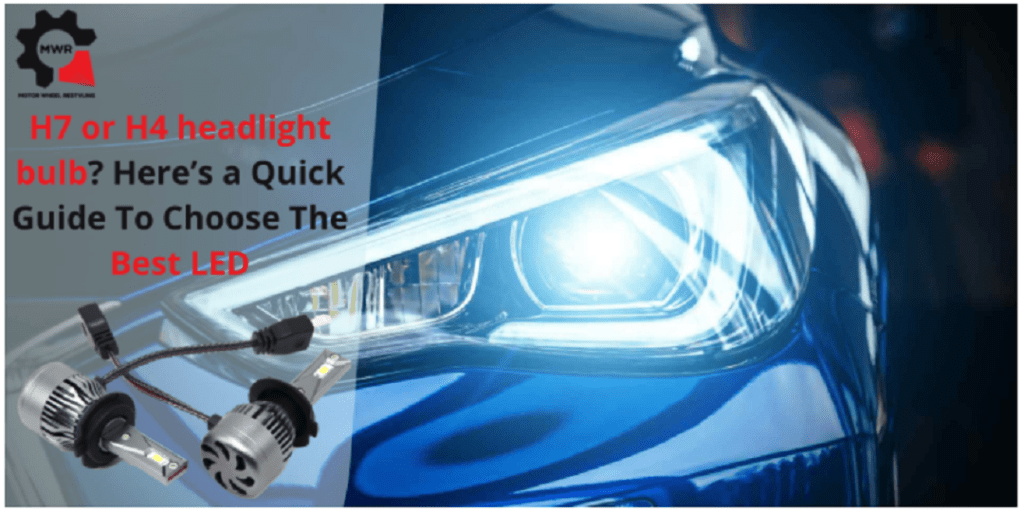
Credit: motorwheelrestyling.com
Types Of Headlight Bulbs
Choosing the right headlight bulb helps you see better at night. It also keeps your car safe and legal.
There are different types of headlight bulbs. Each type has unique features and uses.
Halogen Bulbs
Halogen bulbs are the most common type of headlight bulbs. They use a tungsten filament and halogen gas to produce light.
These bulbs are affordable and easy to replace. They give off a warm yellow light that works well for most driving conditions.
- Cost-effective
- Simple technology
- Yellowish light
- Shorter lifespan than others
Led Bulbs
LED bulbs are newer and use light-emitting diodes to create bright light. They use less energy than halogen bulbs.
These bulbs last much longer and give off a clear white light. They also turn on instantly for better visibility.
- Energy efficient
- Long lifespan
- Bright white light
- Higher upfront cost
Hid Bulbs
HID bulbs use gas to create a bright and intense light. They are also called xenon bulbs.
These bulbs give off a very bright white or blue light. They improve night driving but may need special wiring.
- Very bright light
- White or blue color
- Require special equipment
- More expensive
How To Identify Your Bulb Type
Knowing the right headlight bulb type is important for safety and performance. Each car uses a specific bulb size and style.
Finding the correct bulb is simple if you follow some easy steps. This guide shows how to identify your bulb type quickly.
Check Your Owner’s Manual
Your car’s owner’s manual has detailed information about the headlight bulb type. It lists the size and specifications needed.
Look under the lighting or maintenance section to find bulb details. This is the most reliable source for your car model.
Inspect The Existing Bulb
Remove the old headlight bulb carefully to check its type. The bulb often has a code or number printed on its base.
- Turn off the car and let the bulb cool before touching
- Look for letters and numbers on the bulb like H7, 9005, or 1157
- Match these codes when buying a replacement bulb
If the code is not visible, take the bulb to an auto store. Staff can help identify the correct replacement.
Use Online Tools
Many websites offer tools to find your headlight bulb type. You enter your car’s make, model, and year to get results.
- Visit reliable auto parts websites
- Enter your vehicle details exactly
- Check the suggested bulb types and options
- Compare different bulb types for your needs
These tools save time and reduce guesswork. Always double-check the bulb type before purchasing.
Factors To Consider When Choosing Bulbs
Choosing the right headlight bulb is important for safe driving. Different bulbs have different features. Knowing what to look for helps you pick the best bulb for your car.
Think about how bright the bulb is, its color, how long it lasts, and how much energy it uses. These factors affect your driving experience and bulb performance.
Brightness And Visibility
Brightness helps you see the road clearly at night. A brighter bulb shows more details and objects ahead. It improves your reaction time and safety.
Choose bulbs with enough brightness for your driving needs. Too bright bulbs can blind other drivers, so check your car’s recommended brightness level.
Color Temperature
Color temperature affects the light color from your bulb. It is measured in Kelvins (K). Lower Kelvins give warm yellow light. Higher Kelvins give cool white or blue light.
Yellow light cuts through fog better. White light shows colors more clearly. Pick a color temperature that fits your driving conditions and style.
- 3000K to 4300K: Warm yellow light
- 4300K to 6000K: Bright white light
- 6000K and above: Blue-tinted light
Lifespan And Durability
Bulbs with a long lifespan save money and hassle. Durable bulbs handle vibrations and weather changes better. This keeps your headlights working longer.
Look for bulbs made from strong materials. Some bulbs last thousands of hours, while others may need frequent replacing.
- Halogen bulbs: Moderate lifespan
- LED bulbs: Long lifespan and durable
- HID bulbs: Bright but can be less durable
Energy Efficiency
Energy-efficient bulbs use less power from your car’s battery. This helps save fuel and reduces strain on your electrical system. Efficient bulbs also run cooler.
LED bulbs are the most energy-efficient option. Halogen bulbs use more power but cost less. Choose bulbs that balance efficiency and brightness.
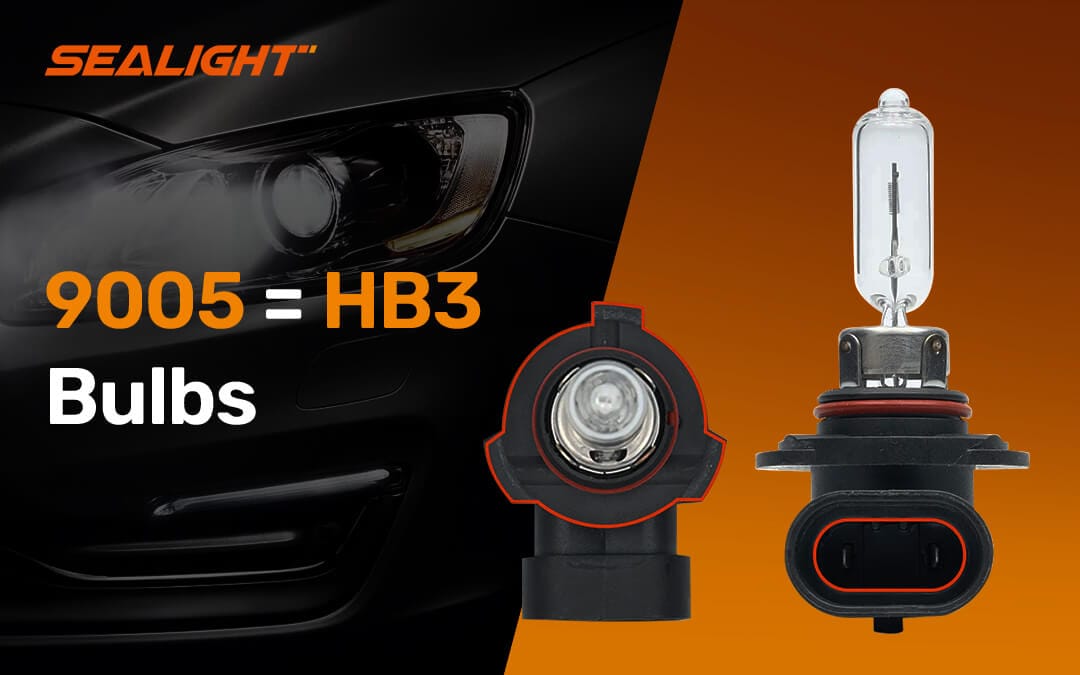
Credit: sealight-led.com
Compatibility With Your Vehicle
Choosing the right headlight bulb is important for safety and performance. Your car requires bulbs that fit and work well with its design. Understanding the key factors helps you pick the correct bulb.
Below are the main points to consider for bulb compatibility. These include socket types, voltage, and the headlight housing.
Socket Types And Sizes
Headlight bulbs connect to your car through sockets. Different cars use different socket types and sizes. It is crucial to match the bulb socket with your vehicle’s socket.
- H1 and H7 are common socket types for many cars.
- Some vehicles use special sockets like D1S or D2R for HID bulbs.
- Socket size affects how the bulb fits and locks into place.
- Check your owner’s manual or the old bulb for socket details.
Voltage Requirements
Headlight bulbs operate on specific voltages. Most car bulbs run on 12 volts. Using the wrong voltage can cause bulb failure or damage to electrical parts.
| Bulb Type | Voltage | Common Use |
| Halogen | 12V | Standard headlights |
| HID (Xenon) | 12V with ballast | High intensity discharge lights |
| LED | 12V | Modern, energy-efficient lights |
Headlight Housing Considerations
The headlight housing affects bulb choice. It holds the bulb and lens. The housing controls light direction and brightness.
Important housing factors include:
- Size and shape limit bulb options.
- Reflector or projector designs need specific bulbs.
- Using wrong bulbs can cause glare or poor lighting.
Installation Tips
Changing your car’s headlight bulb is simple if you follow the right steps. Good installation improves safety and saves money.
This guide shares safety advice, clear instructions, and common mistakes to avoid during replacement.
Safety Precautions
Always protect yourself and your vehicle before starting the replacement. Safety is the top priority.
- Turn off the engine and remove the key.
- Allow the bulb to cool before touching it.
- Wear gloves to avoid skin oils on the bulb.
- Keep the new bulb in its packaging until ready to install.
- Work in a well-lit, dry area.
Step-by-step Replacement
Follow these steps to remove the old bulb and install the new one safely and correctly.
- Open the car hood and locate the headlight assembly.
- Disconnect the power connector from the bulb.
- Remove the rubber cover or dust cap from the back.
- Release the bulb holder clip or unscrew the bulb.
- Carefully pull out the old bulb without twisting.
- Insert the new bulb, aligning it properly.
- Secure the bulb holder clip or screw it back in place.
- Replace the rubber cover or dust cap.
- Reconnect the power connector.
- Test the new headlight before closing the hood.
Common Installation Mistakes
Some errors during installation cause bulb failure or poor lighting. Avoid these to ensure lasting results.
| Mistake | Effect | How to Avoid |
| Touching the glass part of the bulb | Shorter bulb life due to oil burns | Wear gloves and hold bulb by the base |
| Incorrect bulb type | Poor fit or damage to the headlight | Check car manual or bulb specs carefully |
| Loose connections | Flickering or no light | Ensure power connector is fully seated |
| Not testing bulb after installation | Undetected issues until dark | Turn on headlights and check brightness |

Credit: www.amazon.com
Maintenance And Care
Keeping your car’s headlights in good shape is important for safe driving. Proper care helps you see clearly at night and in bad weather.
Regular maintenance includes cleaning, knowing when to change bulbs, and fixing common problems. This guide will help you care for your headlights.
Cleaning Your Headlights
Dirty headlights reduce the light that shines on the road. Clean your headlights often to keep them bright and clear.
Use mild soap and water with a soft cloth. Avoid harsh chemicals that can damage the lens.
- Wash headlights every few weeks
- Remove dirt, bugs, and grime gently
- Use a headlight restoration kit if lenses look cloudy
- Dry completely to avoid streaks
When To Replace Bulbs
Headlight bulbs do not last forever. Change them to keep your lights bright and safe.
Replace bulbs if they flicker, dim, or stop working. Check your car manual for the correct bulb type.
- Test headlights regularly
- Replace bulbs in pairs for even lighting
- Use the right bulb type for your car model
- Handle bulbs with clean hands or gloves
Troubleshooting Common Issues
Sometimes headlights may not work well. Look for simple fixes before going to a mechanic.
Check bulbs, fuses, and wiring for problems. Fixing these can restore proper light quickly.
- Check if bulbs are burnt out
- Inspect fuses for damage
- Look for loose or broken wires
- Clean headlight contacts if corroded
Popular Brands And Models
Choosing the right headlight bulb is important for safety and visibility. Different cars need different bulbs based on their make and model.
This guide covers popular brands and models with the best halogen, LED, and HID bulbs available.
Top Halogen Bulbs
Halogen bulbs are common and easy to replace. They work well for many popular car models.
- Philips CrystalVision: Fits Ford Focus, Toyota Camry
- Sylvania SilverStar Ultra: Fits Honda Civic, Nissan Altima
- Osram Night Breaker: Fits Chevrolet Malibu, Hyundai Elantra
- GE Nighthawk: Fits Volkswagen Jetta, Subaru Outback
Leading Led Options
LED bulbs last longer and use less power. They suit newer models and premium brands.
| Brand | Compatible Models | Features |
| Philips X-tremeUltinon | Audi A4, BMW 3 Series | Bright, energy-saving |
| Osram LEDriving | Mercedes C-Class, Lexus RX | Long lifespan, easy install |
| Hikari LED | Toyota RAV4, Ford Escape | High brightness, low heat |
Best Hid Bulbs
HID bulbs provide strong light for dark roads. Many luxury cars come with HID headlights.
| Brand | Compatible Models | Type |
|---|---|---|
| Morimoto | Cadillac Escalade, Jeep Grand Cherokee | Bi-Xenon |
| Putco | Chrysler 300, Dodge Charger | Single Beam |
| HIDPlanet | BMW 5 Series, Audi Q5 | Bi-Xenon |
Cost And Budget Considerations
Choosing the right headlight bulb depends on your budget. Different bulbs vary in price and performance. Knowing what fits your budget helps you make a smart choice.
Keep in mind that the cheapest option may not always be the best. Consider cost alongside durability and brightness to get good value.
Price Ranges By Bulb Type
| Bulb Type | Price Range (USD) |
| Halogen | $10 – $30 |
| HID (Xenon) | $50 – $150 |
| LED | $40 – $200 |
| Laser | $100 – $400 |
Halogen bulbs cost less but last shorter. LED and HID bulbs cost more but offer better light and longer life. Laser bulbs are the most expensive and are rare.
Balancing Cost And Performance
- Choose bulbs that fit your daily driving needs.
- Consider how often you want to replace the bulbs.
- Think about how bright and clear you want your headlights.
- Higher cost bulbs often use less power and last longer.
- Lower cost bulbs may save money now but can cost more over time.
Finding the right balance helps you save money while keeping safe on the road.
Warranty And Support
Check the warranty that comes with the bulb. A good warranty can save money if the bulb fails early.
- Some brands offer 1-year or longer warranties.
- Look for bulbs with good customer support.
- Warranty terms vary by bulb type and price.
- Keep your receipt to claim warranty if needed.
Frequently Asked Questions
What Types Of Headlight Bulbs Fit Most Cars?
Most cars use halogen, HID, or LED bulbs. Check your car manual or existing bulb for the exact type. Using the correct type ensures compatibility and optimal lighting performance.
How Do I Find The Correct Bulb Size For My Car?
Look for the bulb size in your owner’s manual or on the existing bulb. Sizes like H11, 9005, or 9006 are common. Correct sizing guarantees proper fit and function.
Can I Upgrade My Headlight Bulbs For Better Brightness?
Yes, upgrading to LED or HID bulbs improves brightness and visibility. Ensure the new bulbs are compatible with your car’s housing and wiring to avoid issues.
How Often Should I Replace My Car’s Headlight Bulbs?
Replace headlight bulbs every 1-2 years or when brightness dims. Regular checks help maintain safety and prevent sudden failures while driving at night.
Conclusion
Choosing the right headlight bulb is important for safe driving. It ensures clear visibility on the road. Check your car manual for bulb type details. Consider factors like brightness and lifespan. LED and halogen bulbs are common options. Each has its pros and cons.
Match your choice with your driving needs. Replace bulbs in pairs for even lighting. Regular checks ensure headlights work properly. Safe travels start with well-functioning headlights. Stay informed and drive safely.