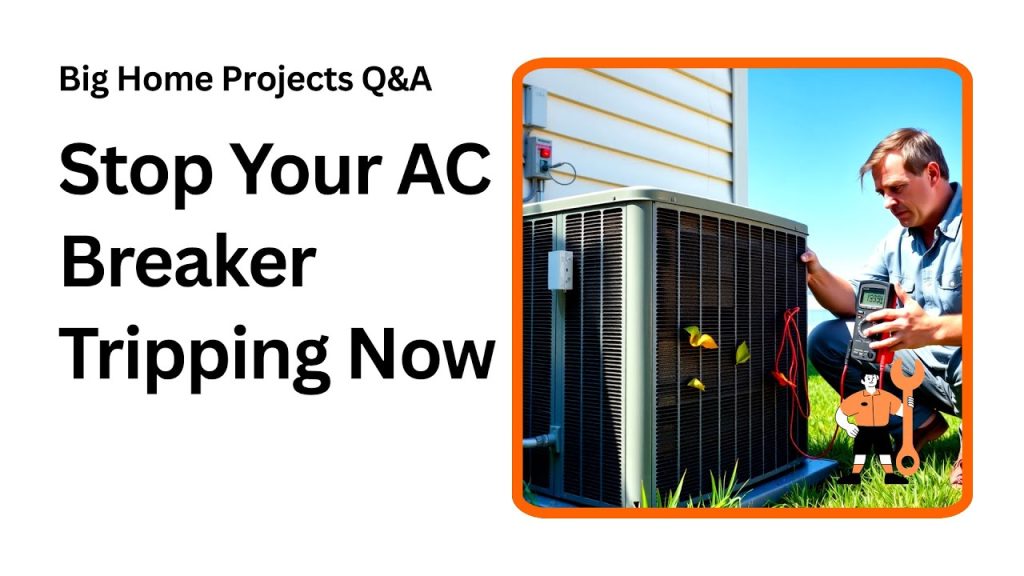
Have you ever wondered why your air conditioner suddenly shuts off and the breaker trips? It’s frustrating, especially when you just want to stay cool.
Understanding what causes your breaker to trip can save you time, money, and stress. You’ll discover the common reasons behind this problem and how you can fix it before it gets worse. Keep reading to learn what might be disrupting your comfort and how to take control of your air conditioner’s performance.
Common Causes Of Breaker Trips
Overloaded circuitshappen when too many devices run at once. This causes the breaker to trip to stop overheating. Air conditioners use a lot of power, so sharing a circuit with other devices can overload it.
Short circuitsoccur when a live wire touches a neutral or ground wire. This creates a sudden surge of electricity, making the breaker trip quickly. Worn or damaged wires inside the air conditioner can cause shorts.
Ground faultshappen when electricity escapes the normal path and flows into the ground. This can be dangerous and causes the breaker to trip for safety. Moisture or damaged insulation in the AC unit may lead to ground faults.

Credit: www.youtube.com
Air Conditioner Specific Issues
Compressor problemscan cause the breaker to trip. The compressor draws a lot of power. If it is damaged or stuck, it pulls too much electricity. This overloads the circuit and trips the breaker. Sometimes the compressor overheatsand triggers the breaker for safety.
Capacitor failuresalso lead to breaker trips. The capacitor helps start the compressor and fan motor. A bad capacitorcannot provide the right power boost. This makes the motor work harder, drawing extra current. The breaker trips to protect the system from damage.
- Fan motor issuescause breaker trips too.
- A jammed or worn fan motorneeds more electricity.
- It can overload the circuit, causing the breaker to trip.
- Loose wiring or motor short circuitsalso trip breakers.
Electrical Wiring Concerns
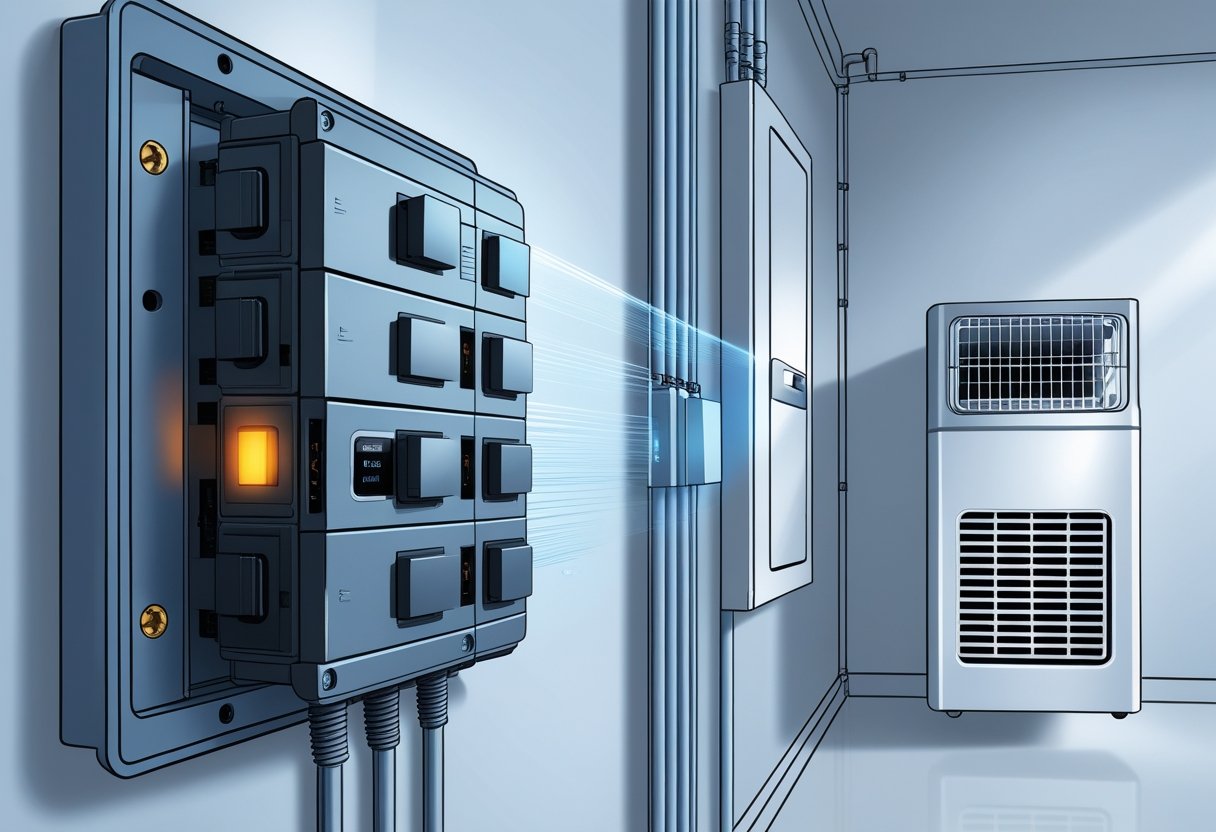
Loose connectionsin electrical wiring can cause the breaker to trip. Wires that are not tightly connected create sparks or heat. This can lead to a safety hazard and interrupt the air conditioner’s power.
Damaged wiresare another common issue. Wires can wear out over time or get cut. Exposed wires can cause short circuits, making the breaker trip to stop damage.
| Issue | Effect |
|---|---|
| Loose Connections | Creates sparks and heat, trips breaker |
| Damaged Wires | Exposed wires cause short circuits, trips breaker |
| Incorrect Wiring | Wrong setup causes overload, trips breaker |
Incorrect wiringmeans wires are connected wrongly. This can cause too much current to flow. The breaker trips to protect the air conditioner and home wiring.
Credit: magnifyelectric.com
Environmental Factors
Power surgescan cause the breaker to trip. Sudden spikes in electricity may overload the system. This overload forces the breaker to cut power and protect your air conditioner.
Humidity and moisturecan affect the electrical parts inside the air conditioner. Wet conditions may cause short circuits or corrosion. These issues can make the breaker trip to prevent damage.
Temperature extremesalso play a role. Very hot or very cold weather can strain the air conditioner’s components. Overheating or freezing parts may lead to electrical faults, causing the breaker to trip.
Preventive Measures
Regular maintenancekeeps your air conditioner running smoothly. Cleaning or replacing filters reduces strain. Check coils and fins for dirt buildup. This helps prevent breaker trips caused by overload.
Proper circuit designensures safe electricity flow. Circuits should handle the air conditioner’s power needs. Avoid sharing circuits with other heavy devices. This stops overloads and breaker trips.
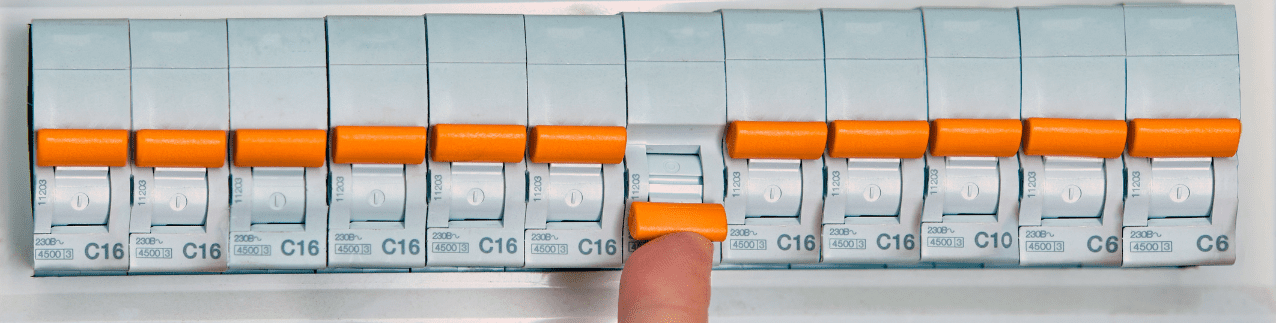
Using correct breaker ratingsmatches the breaker’s strength to the AC unit. A breaker too small trips often. A breaker too large may not protect wires properly. Choose the right size for safety and efficiency.
Credit: drwattselectric.com
When To Call A Professional
Frequent tripping of your AC breakercan signal serious electrical issues. Signs include burning smells, sparks, or a hot breaker switch. These are not normal and need quick attention.
Always turn off powerbefore inspecting electrical parts. Avoid touching wires or parts inside the breaker panel. Safety first.
- Check if the technician is licensed and insured
- Choose someone with experience in air conditioner repairs
- Ask for references or reviews from past customers
- Ensure the technician follows local electrical codes
Frequently Asked Questions
Why Does My Ac Breaker Keep Tripping?
Your AC breaker trips due to electrical overloads or short circuits. It protects your home from electrical damage. Common causes include faulty wiring, a bad capacitor, or a failing compressor.
How Can A Capacitor Cause Breaker Trips?
A faulty capacitor can cause the AC motor to draw excessive current. This overload trips the breaker to prevent damage. Replacing a bad capacitor often resolves the issue quickly.
Can Dirty Air Filters Lead To Breaker Trips?
Yes, dirty filters restrict airflow, causing the AC to overheat. Overheating increases electrical load, leading the breaker to trip for safety. Regular filter cleaning helps maintain airflow and prevent breaker problems.
Does A Faulty Compressor Trip The Breaker?
A failing compressor can draw too much current or short internally. This causes the breaker to trip to avoid electrical hazards. Compressor repair or replacement is needed to fix this issue.
Conclusion
Air conditioner breakers can trip for various reasons. Overloading is common. Old or faulty wiring can also cause trips. Regular maintenance helps prevent these issues. Check for dirty filters, too. They can lead to overheating. Keep an eye on electrical connections.
Tighten them if needed. Ensure your AC unit is clean and well-maintained. This can reduce tripping occurrences. If problems persist, consult a professional. Ignoring issues can lead to bigger problems. A smooth-running AC ensures comfort and safety. Stay proactive with your AC care.
Your home will thank you.