If you’ve just bought a new pair of climbing shoes, you know they can feel tight and uncomfortable at first. But breaking them in the right way is key to climbing better and staying pain-free.
You want your shoes to fit like a second skin—snug but not hurting. You’ll discover simple, effective tips to soften and shape your climbing shoes quickly. Keep reading, and you’ll learn how to make your shoes feel perfect so every climb feels smoother and more confident.
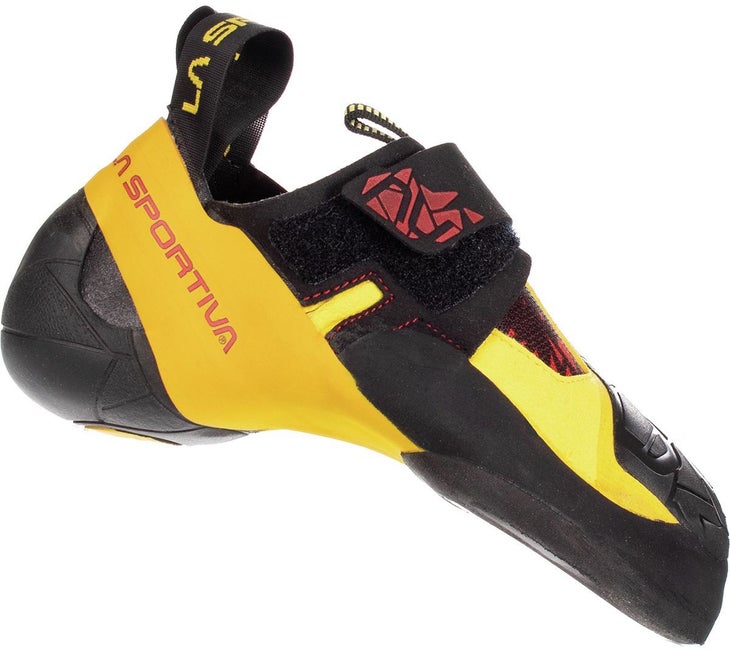
Credit: www.climbing.com
Choosing The Right Climbing Shoes
Picking the right climbing shoes is key to comfort and performance. Shoes that fit well help you climb better and avoid pain.
There are different types, materials, and sizing options to consider. Knowing these will guide you to the best choice.
Types Of Climbing Shoes
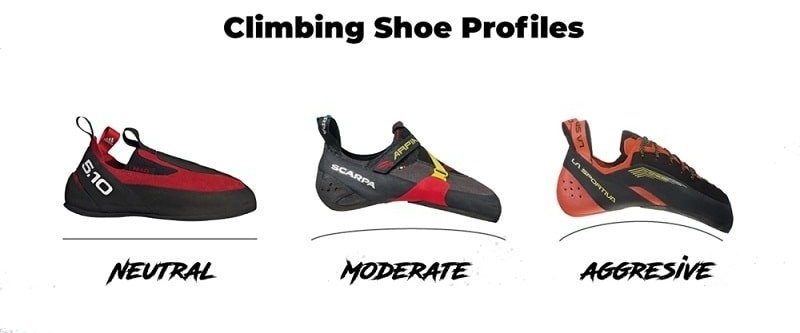
Climbing shoes come in three main types. Each type fits different climbing styles and skill levels.
- Neutral:Comfortable for long climbs and beginners. They have a relaxed fit.
- Moderate:Slightly downturned shape. Good for all-around climbing.
- Aggressive:Strongly downturned and tight. Made for steep and technical climbs.
Material Differences
| Material | Benefits | Considerations |
|---|---|---|
| Leather | Breathable and stretches over time | Can loosen, may need tighter fit at first |
| Synthetic | Less stretch and holds shape well | Less breathable, may feel stiff initially |
| Rubber Sole | Provides grip and durability | Different rubber types affect stickiness and wear |
Sizing Tips
Good fit is crucial for climbing shoes. Use these tips to find your size.
- Try shoes on at the end of the day when feet swell.
- Shoes should feel snug but not painful.
- Toes should be slightly curled but not crushed.
- Wear the socks or foot liners you plan to climb with.
- Walk and stretch in the shoes before buying.

Credit: www.reddit.com
Initial Fit And Comfort
Climbing shoes feel different from regular shoes. They need to fit tight but not cause pain. Getting the right fit helps you climb better and stay comfortable.
Breaking in climbing shoes takes time. You must wear them carefully and understand how they should feel at first.
Trying Them On
Try climbing shoes in the store or at home with socks off. They should feel snug but not hurt your toes. Your heel should stay in place without slipping.
- Wear the shoes for short periods at first.
- Check for any pinching or sharp pressure points.
- Walk around and test your foot movement inside.
- Make sure no part of your foot feels numb or too tight.
Common Fit Issues
Some common problems include tight toes, loose heels, or pressure on the top of the foot. These issues can cause pain and affect your climbing.
| Issue | Cause | Effect |
| Tight Toes | Shoes too small or narrow | Toe pain and numbness |
| Loose Heel | Shoe shape not matching foot | Heel slipping and blisters |
| Top Foot Pressure | Laces or straps too tight | Discomfort and reduced blood flow |
Adjusting Expectations
Climbing shoes will feel tight at first but should not cause sharp pain. Your feet will get used to the fit after wearing them for short sessions.
- Expect some mild discomfort that fades quickly.
- Do not buy shoes that cause lasting pain or bruises.
- Use shoes for climbing, not walking long distances.
- Consider stretching or softening materials if needed.
Breaking In Techniques
Climbing shoes can feel tight and uncomfortable at first. Breaking them in helps the shoes fit better. It also makes climbing easier and more enjoyable.
There are several ways to break in climbing shoes. Some use time, others use special tricks. Below are common methods to try.
Gradual Wear
Wearing climbing shoes for short periods helps stretch them slowly. This method reduces pain and avoids damage. Start with 30 minutes and increase daily.
- Wear shoes at home before climbing
- Use them for easy climbs first
- Take breaks if you feel strong pressure
- Stretch feet gently after use
- Be patient; this process takes time
Using Socks Or Plastic Bags
Wearing socks or plastic bags inside climbing shoes can ease the break-in process. Socks add cushioning. Plastic bags help stretch the shoes slightly.
| Method | Purpose | How to Use |
| Socks | Reduce tightness | Wear thick socks inside shoes for short time |
| Plastic Bags | Stretch shoes | Put plastic bags over feet, then wear shoes |
Heat Molding Methods
Heat molding changes shoe shape to fit feet better. Some shoes respond well to warm water or a hairdryer. Caution is needed to avoid damage.
- Warm the shoes with a hairdryer on low heat or soak them in warm water briefly
- Wear the warm shoes and flex your feet to shape them
- Keep the shoes on until they cool down
- Repeat if needed, but do not overheat or soak too long
- Check manufacturer advice before heat molding
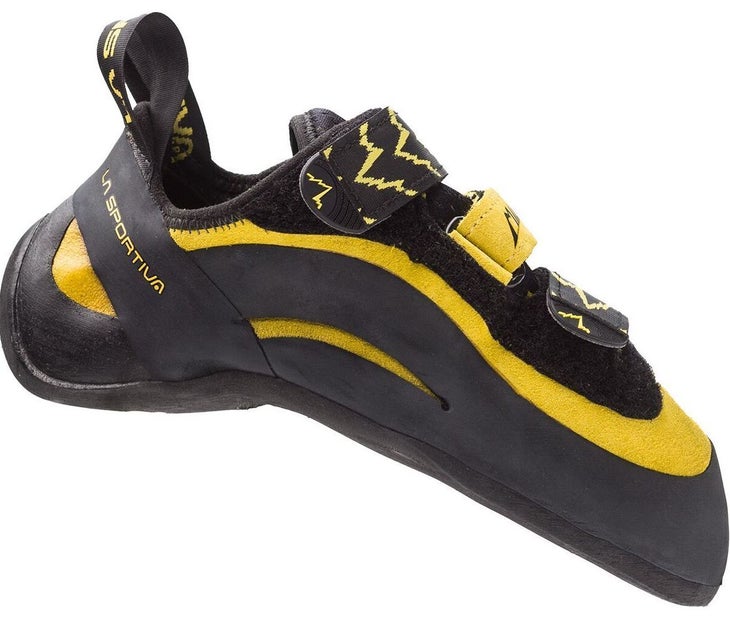
Credit: www.climbing.com
Maintaining Shoe Shape
Climbing shoes need care to keep their shape during the break-in period. Proper care helps the shoes last longer and fit better.
Keeping the shape of your climbing shoes means you get the best performance and comfort while climbing.
Proper Storage
Store climbing shoes in a cool, dry place away from sunlight. Heat and moisture can damage the shoe material and change its shape.
Use a shoe bag or box to protect shoes from dust and pressure. Avoid piling heavy items on top of them.
- Keep shoes away from direct sunlight
- Store in a breathable bag or box
- Do not squeeze or crush shoes with heavy items
Avoiding Overstretching
Wear climbing shoes for short sessions at first. This helps the shoes stretch slowly without losing shape.
Do not force shoes on if they feel too tight. Overstretching can make them loose and uncomfortable later.
- Break in shoes gradually with short uses
- Do not stretch shoes by force
- Use socks or shoe inserts to control fit
Regular Cleaning
Clean climbing shoes often to remove dirt and sweat. Dirt can break down materials and change shoe shape.
Use a soft brush and mild soap with water. Let shoes dry naturally to keep their form.
- Brush off dirt after each use
- Use mild soap and water for cleaning
- Air dry shoes away from heat sources
Signs Of A Perfect Fit
Climbing shoes need to fit just right for the best experience. Shoes that fit well feel snug but not painful. Knowing the signs of a perfect fit helps you climb better and stay safe.
This guide covers comfort, performance, and when to replace your climbing shoes. These points help you decide if your shoes are the right match for your feet.
Comfort During Climbing
Your climbing shoes should feel tight but not hurt. Expect some pressure on your toes, but no sharp pain or numbness. The fit should allow you to move your feet without slipping.
- Toes should lie flat or slightly curled inside the shoe.
- No large gaps between your foot and the shoe.
- The heel should stay in place without slipping.
- Socks are usually not worn with climbing shoes.
- Wear shoes long enough to feel the fit but not so long to cause pain.
Performance Indicators
Shoes that fit well improve your climbing ability. They help you balance and hold on to small footholds. Watch for signs that your shoes support your climbing style.
| Indicator | What It Means |
|---|---|
| Good edge control | Shoes fit snugly and transfer power well. |
| No foot slipping | Heel and midfoot fit prevent movement inside shoe. |
| Comfort during climbs | Shoes do not cause pain or numbness. |
| Precise toe placement | Toe box fits tight to help grip small holds. |
| Durability in shape | Shoes keep form and support after use. |
When To Replace Shoes
Climbing shoes wear out over time. Knowing when to get new shoes keeps you safe and climbing well. Look for signs that your shoes no longer fit or perform.
- Rubber soles are worn thin or have holes.
- Shoes feel loose or stretched out after climbing.
- Heels or toes lose shape and support.
- Stitching or glue comes undone.
- Foot pain or slipping occurs despite correct size.
Frequently Asked Questions
How Long Does It Take To Break In Climbing Shoes?
Breaking in climbing shoes usually takes 1 to 2 weeks of consistent use. The shoes soften and mold to your feet, improving comfort and performance over time.
What Are The Best Methods To Soften Climbing Shoes?
Wearing your climbing shoes indoors, using them during easy climbs, and gently stretching them can help soften the material. Avoid extreme heat or chemicals to prevent damage.
Can Breaking In Climbing Shoes Improve Climbing Performance?
Yes, properly broken-in shoes fit better and provide enhanced grip. This leads to increased precision and comfort, which positively impacts climbing performance.
Should I Size Climbing Shoes Differently For Breaking In?
Buy climbing shoes snug but not painfully tight. A close fit allows the shoes to stretch and mold to your feet during the break-in period.
Conclusion
Breaking in climbing shoes can be simple and rewarding. Start by wearing them at home. A few minutes each day can help. Use socks for a snug fit. They stretch the shoes gently. Try different surfaces to test flexibility. Walk, climb, and feel them adapt.
Patience matters most. New shoes can feel tight. But they will fit better over time. Listen to your feet. Adjust as needed. Soon, your shoes will feel perfect. Enjoy every climb with comfort and confidence. Keep practicing. Happy climbing!