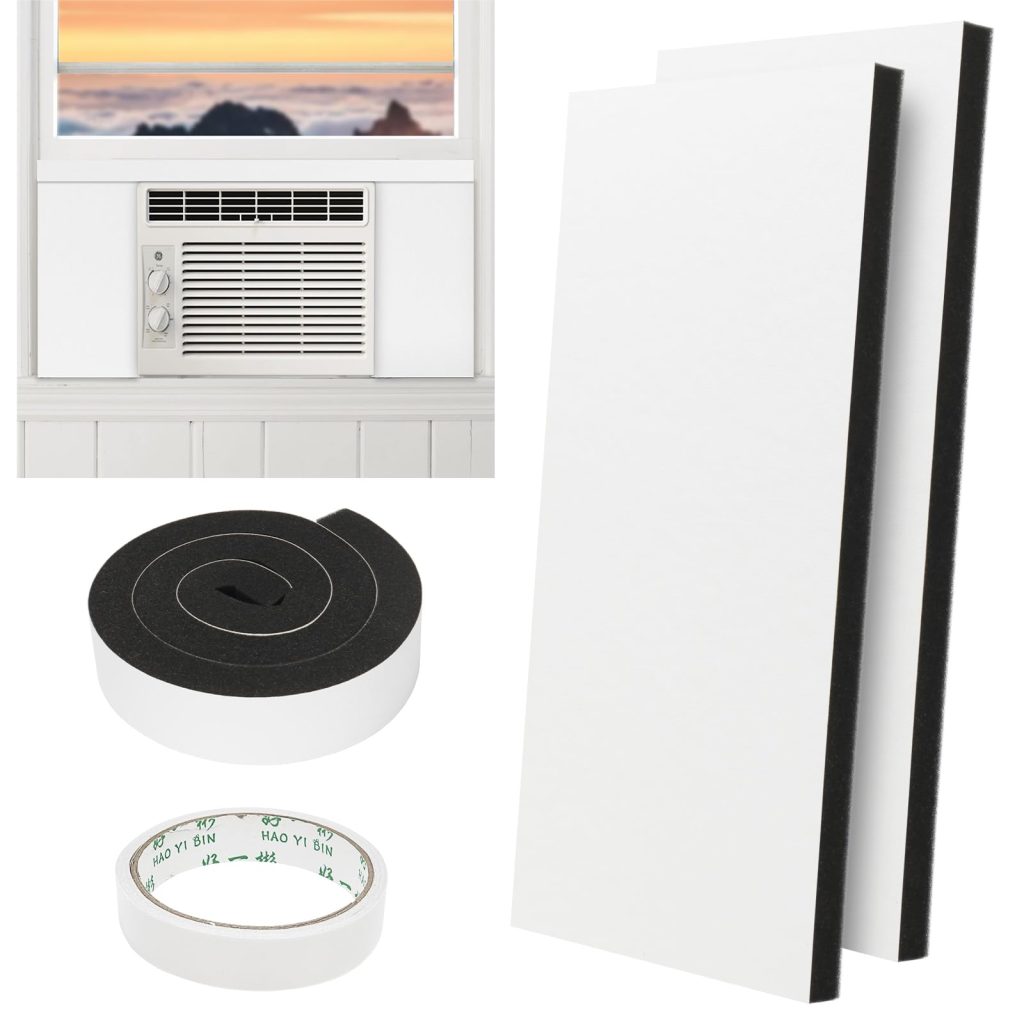
Are you tired of your window air conditioner letting cold air escape and hot air sneak inside? If your energy bills are climbing or your room just isn’t as cool as it should be, the problem might be poor insulation around your unit.
Learning how to insulate a window air conditioner properly can save you money, keep your space comfortable, and make your AC work more efficiently. In this guide, you’ll discover simple, effective steps you can take right now to seal those gaps and keep the cool air where it belongs.
Keep reading to find out how easy it is to improve your AC’s performance and enjoy a cooler, more energy-efficient home.
Benefits Of Insulating Window Ac
Insulating a window air conditioner improves its efficiency. It helps keep your room cooler and saves energy.
Sealing gaps around the AC stops hot air from entering your home. This makes your cooling system work better.
Improves Energy Efficiency
Insulation reduces air leaks around the AC unit. This lowers the energy needed to cool your room.
When less cold air escapes, your air conditioner runs less. This saves electricity and lowers bills.
Prevents Warm Air From Entering
Insulating blocks gaps where hot air can come inside. This keeps the room temperature stable.
Stopping warm air helps the AC cool faster. Your room stays comfortable longer.
Reduces Noise From Outside
Good insulation can lower noise from traffic or neighbors. It makes your room quieter.
Less noise means you can relax or work without distractions.
Protects The Ac Unit
Insulation helps keep rain and dust away from the AC edges. This protects the unit from damage.
Proper sealing also stops insects and small animals from entering through gaps.
Improves Indoor Comfort
Insulating keeps drafts out and cool air in. This creates a more comfortable space.
You feel cooler without turning the AC to very low temperatures.
Tools And Materials Needed
Insulating a window air conditioner helps keep your room cool and saves energy. You need some tools and materials to do this job well.
Gather these items before you start. This will make the process faster and easier.
Weatherstripping Tape
Weatherstripping tape seals gaps around the air conditioner. It stops warm air from coming inside.
This tape is easy to apply and helps improve the AC’s efficiency. Choose foam or rubber types for best results.
Foam Insulation Panels
Foam panels block cold air from escaping through the sides of the window unit. They fit in the gaps easily.
Cut the foam to the size of the gaps for a tight seal. This reduces heat transfer and lowers energy use.
Measuring Tape
A measuring tape helps you get exact sizes of gaps around the air conditioner. Accurate measurements make insulation fit better.
Use the tape to measure width and height before cutting insulation materials.
Scissors Or Utility Knife
Scissors or a utility knife cut insulation materials to the right size. Sharp tools make clean cuts and easier installation.
Be careful when using blades to avoid injuries and damage to materials.
Plastic Sheeting Or Window Insulation Film
Plastic sheeting covers the window area around the air conditioner. It stops cold air from leaking out during hot days.
Window insulation film is clear and lets light through while sealing gaps.
Double-sided Tape
Double-sided tape holds plastic sheeting or insulation film in place. It sticks well to window frames and surfaces.
Use strong tape to keep materials secure during hot weather.
Screwdriver
A screwdriver helps tighten or loosen screws on the air conditioner or window frame. This can help adjust or secure the unit.
It also helps remove any parts to add insulation properly.
Preparing The Air Conditioner
Before insulating your window air conditioner, take time to prepare it properly. This helps the insulation work better and keeps the unit safe.
Two important steps are turning off and unplugging the unit, and cleaning it well. These steps keep you safe and improve the air conditioner’s performance.
Turn Off And Unplug
Always turn off the air conditioner using its power button. Then, unplug it from the wall socket. This prevents electric shock and damage during insulation.
- Find the power switch on the unit and turn it off.
- Carefully pull the plug from the power outlet.
- Check that the unit is completely disconnected from power.
Clean The Unit
Cleaning the air conditioner removes dirt and dust. This helps the unit run better and makes the insulation last longer.
| Cleaning Area | Tools Needed | How to Clean |
|---|---|---|
| Air Filter | Soft brush, mild soap, water | Remove and wash with soapy water, then dry. |
| Exterior Surface | Cloth, mild cleaner | Wipe gently to remove dust and stains. |
| Vents | Vacuum cleaner or brush | Remove debris using vacuum or brush. |
Sealing Air Leaks
Sealing air leaks around your window air conditioner helps keep your home cool. It stops warm air from entering and cold air from escaping.
Proper sealing also saves energy and lowers your electricity bill. Let’s look at how to find and seal these air leaks.
Identify Gaps And Cracks
Check around the air conditioner for gaps and cracks where air can pass through. Look at the sides, top, and bottom of the unit.
Use a flashlight or your hand to feel for air leaks. These openings let outside air in and cool air out.
- Look for gaps between the unit and window frame
- Check if the sides are sealed well
- Inspect any cracks in the window or wall near the unit
Use Weatherstripping
Weatherstripping is a flexible tape that seals gaps around your air conditioner. It stops air from leaking through small openings.
Apply weatherstripping to the edges where the unit meets the window frame. Press it firmly to make a tight seal.
- Choose foam or rubber weatherstripping
- Clean the surface before applying
- Cut strips to fit the gaps
- Press strips firmly for best hold
Apply Caulk
Caulk fills cracks and holes that weatherstripping cannot seal. It hardens to block air flow through small spaces.
Use a caulking gun to apply a thin line along cracks near your air conditioner. Smooth it out for a neat finish.
- Use exterior-grade caulk for outdoor cracks
- Remove old caulk before applying new
- Allow caulk to dry fully before using the AC
Adding Insulation Panels
Insulating a window air conditioner helps keep your room cool and saves energy. Adding insulation panels reduces air leaks around the unit.
These panels block gaps and stop warm air from entering your space. This guide shows you how to add insulation panels properly.
Select Insulation Material
Choose insulation material that fits well and blocks air. Foam board or rigid foam panels work best for window air conditioners.
These materials are lightweight, easy to cut, and provide good insulation. Avoid materials that absorb water or are hard to shape.
- Rigid foam panels
- Foam board insulation
- Reflective insulation sheets
Cut Panels To Size
Measure the gaps around your air conditioner carefully. Cut the insulation panels to fit these spaces snugly.
Use a utility knife or saw for clean, straight cuts. Make sure the panels cover all open areas without blocking airflow.
- Measure width and height of gaps
- Mark panels before cutting
- Cut slowly for accuracy
- Test fit before final installation
Install Panels Around Unit
Place the cut insulation panels around the air conditioner unit. Make sure they fit tightly to block air leaks.
Use weatherstripping or tape to secure the panels in place. Check for any gaps and fill them with extra insulation if needed.
- Fit panels into window gaps
- Seal edges with weatherstripping
- Use tape to hold panels firmly
- Fill small gaps with foam sealant

Credit: www.amazon.ca
Securing The Insulation
Properly securing insulation around your window air conditioner keeps cold air inside. It stops warm air from leaking in. Good insulation makes your air conditioner work better.
Use the right tools to hold the insulation tight. Check all edges and corners for any gaps. Well-secured insulation lasts longer and saves energy.
Use Tape Or Fasteners
Use strong tape to hold insulation in place. Aluminum foil tape works well for window air conditioners. It sticks tightly and handles moisture.
Fasteners like staples or clips can also secure the insulation. Make sure they do not damage the insulation material. Use enough fasteners to keep insulation from sagging.
- Apply tape along all edges of the insulation
- Press tape firmly to avoid air gaps
- Use staples or clips for extra support
- Do not cover air vents or controls with tape
Check For Loose Areas
After securing the insulation, inspect it carefully. Look for any loose spots where air can escape. Gently press on the insulation to find gaps.
Fix loose areas by adding more tape or fasteners. Make sure the insulation fits snugly around the window air conditioner. A tight seal improves cooling efficiency.
- Look around all edges and corners
- Feel for air leaks with your hand
- Seal any gaps with extra tape
- Replace damaged insulation if needed
Maintaining Efficiency Year-round
Window air conditioners can use more energy if not insulated well. Proper insulation helps keep your home cool in summer and warm in winter. This guide shows how to keep your air conditioner efficient all year.
By insulating your window unit, you stop air leaks and reduce energy waste. You also protect the unit from weather damage. Follow these tips to keep your air conditioner working at its best.
Remove Insulation In Winter
In winter, your window air conditioner usually is not in use. Remove any insulation materials from the unit before cold weather arrives. This prevents trapping moisture and causing damage.
Leaving insulation on during winter can cause mold or rust. Take off foam inserts, panels, or covers carefully. This also allows fresh air to reach the unit, reducing moisture buildup.
Store Insulation Properly
After removing the insulation, store it in a dry, cool place. Keep all parts together in a container or bag. Proper storage helps you reuse the insulation next summer without damage.
Check the insulation for tears or dirt before storing. Clean or repair it if needed. Good care will extend the life of your insulation and keep your air conditioner efficient.

Credit: docrusk.com

Credit: www.amazon.ca
Frequently Asked Questions
How Do I Seal Gaps Around My Window Air Conditioner?
Use weatherstripping or foam sealant to close gaps. This prevents air leaks and improves cooling efficiency. Make sure the seal is tight but not blocking airflow.
What Materials Work Best For Insulating Window Ac Units?
Rigid foam boards and reflective insulation are ideal. They block heat transfer and reflect sunlight. Use materials that resist moisture and fit snugly around the unit.
Can Insulating My Window Ac Reduce Energy Costs?
Yes, proper insulation limits air leaks and heat gain. This reduces the AC’s workload, lowering electricity bills. Insulation improves comfort by maintaining consistent indoor temperatures.
When Is The Best Time To Insulate A Window Air Conditioner?
Insulate before the cooling season starts or during installation. Early insulation ensures maximum energy savings and comfort. It also prevents winter drafts when the unit is not in use.
Conclusion
Insulating a window air conditioner saves energy and money. Simple steps can make a big difference. Use foam panels or weather strips for better efficiency. Seal gaps and keep cool air inside. Check insulation regularly for wear. Replace if needed.
Clean filters to improve performance. Proper insulation extends the life of your unit. Keep your home comfortable all year. Enjoy lower bills and a cozy living space. Follow these tips and feel the difference.