
Have you ever wondered how long your air conditioner will keep your home cool and comfortable? Knowing the lifespan of your AC can help you plan for repairs or replacements before the heat becomes unbearable.
You’ll discover the typical number of years an air conditioner lasts, what factors can shorten or extend its life, and simple tips to get the most out of your cooling system. Keep reading to make sure your air conditioner serves you well for years to come.
Average Lifespan Of Air Conditioners
Air conditioners help keep homes cool and comfortable. Knowing their lifespan helps you plan for repairs and replacements.
The life of an air conditioner depends on many things. These include the type of unit and how well it is cared for.
Typical Duration By Type
Different air conditioner types last for different times. Some types wear out faster than others.
- Window units usually last 8 to 10 years.
- Split systems often last 12 to 15 years.
- Central air conditioners can last 15 to 20 years.
- Portable AC units tend to last 6 to 8 years.
Factors Affecting Longevity
Many factors can change how long an air conditioner works well. Taking care of it can help it last longer.
- Regular cleaning and maintenance improve lifespan.
- How often you use the unit matters.
- Climate and weather affect wear and tear.
- Quality of installation impacts durability.
- Using the correct size unit helps it last.
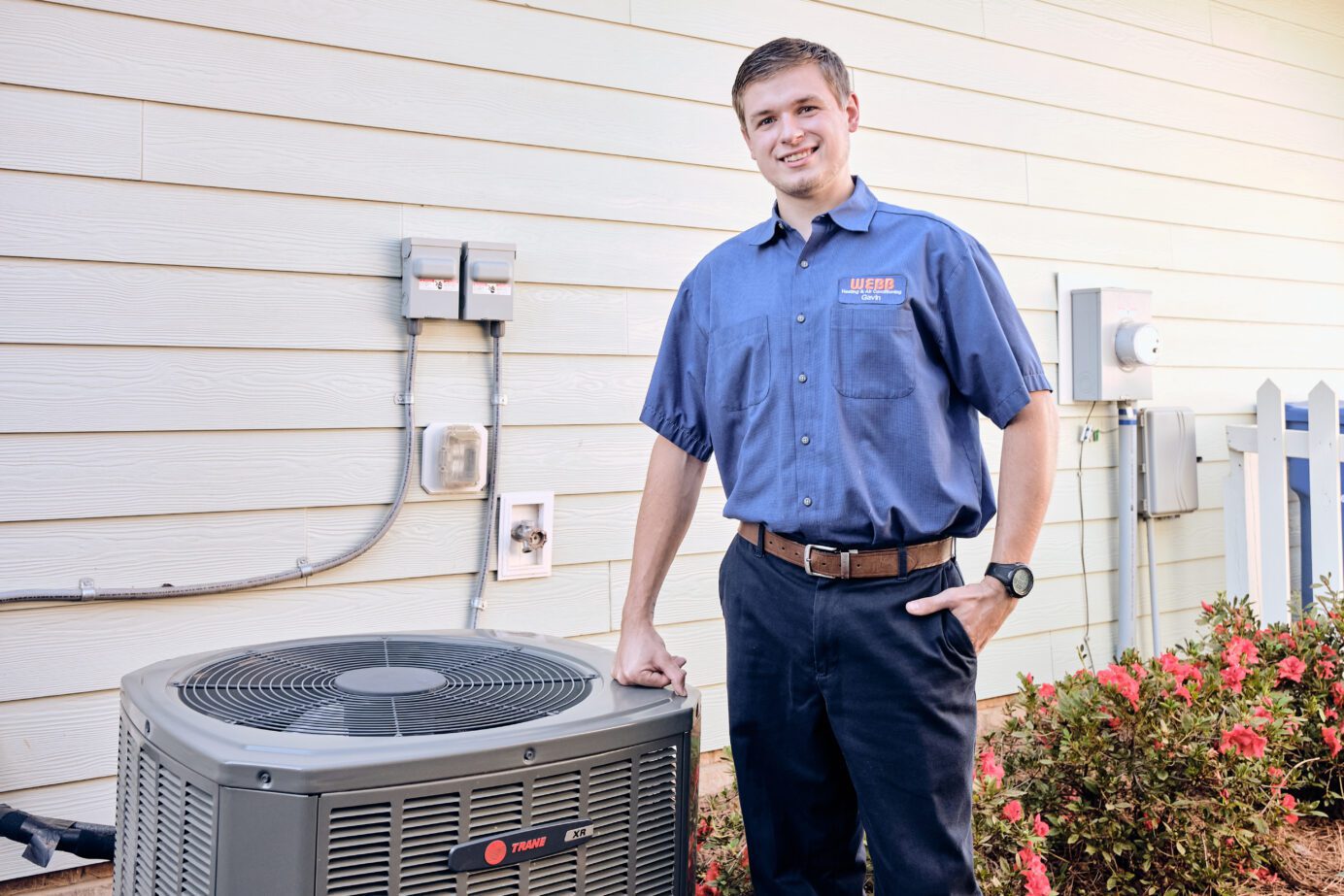
Credit: webbhvac.com
Signs Of An Aging Ac Unit
Air conditioners do not last forever. Over time, they lose their ability to cool your home well.
Knowing the signs of an old AC unit helps you decide when to repair or replace it.
Decreased Cooling Efficiency
An old AC unit may not cool your house like before. It takes longer to reach the set temperature.
- Warm air blows from the vents
- Rooms feel hotter than usual
- AC runs longer without cooling well
- Humidity stays high inside
Frequent Breakdowns
If your AC needs repairs often, it may be near the end of its life. Parts wear out and stop working.
| Common Problems | Signs |
| Compressor failure | AC won’t start or cool |
| Refrigerant leaks | Ice on coils, poor cooling |
| Fan motor issues | Strange noises, no airflow |
| Electrical faults | Frequent tripping, no power |
Rising Energy Bills
Older AC units use more electricity. This makes your energy bills rise over time.
Tips to reduce energy bills with an aging AC:
- Clean or replace air filters regularly
- Seal leaks in ductwork
- Set thermostat to a higher temperature when not home
- Use fans to help circulate air
- Schedule annual maintenance checks
Maintenance Tips To Extend Life
Air conditioners can last many years if you take good care of them. Regular maintenance helps keep your AC running well.
Simple actions can prevent big problems and save money on repairs. Follow these tips to extend the life of your air conditioner.
Regular Cleaning And Filter Changes
Clean your air conditioner often. Dust and dirt can block airflow and make it work harder.
Change or clean filters every 1 to 3 months. Dirty filters reduce air quality and strain the system.
- Remove dust from vents and coils
- Wash or replace filters on schedule
- Keep area around AC clear and clean
Professional Inspections
Hire a technician to inspect your air conditioner yearly. They check parts you cannot see or fix yourself.
Professionals find small issues before they grow. They clean parts deeply and refill refrigerant if needed.
- Check electrical connections
- Inspect and clean coils
- Test system performance
- Refill refrigerant if low
Proper Usage Habits
Use your air conditioner wisely to reduce wear. Avoid setting temperature too low or running it all day.
Turn off the AC when not needed. Use fans or shades to help cool your home without extra strain.
- Set thermostat to a comfortable, not too cold, temperature
- Turn off AC when rooms are empty
- Use curtains to block sunlight
- Use ceiling fans to circulate air

Credit: acs-installations.co.uk
When To Repair Vs Replace
Air conditioners do not last forever. Knowing when to fix or change them saves money.
This guide helps you decide if repair or replacement is better for your AC unit.
Cost Comparison
Repairing an air conditioner can cost less now but may add up over time. Replacing costs more upfront but lowers future expenses.
| Type | Average Cost | Notes |
| Repair | $150 – $500 | Depends on part and labor |
| Replacement | $3,000 – $7,000 | Includes new unit and installation |
Evaluating Repair Frequency
If your AC breaks down often, repairs add up fast. Many repairs mean replacement is wiser.
- One or two repairs in five years: Repair may be fine
- More than two repairs in two years: Consider replacement
- Major breakdowns: Replacement saves hassle
Impact On Energy Efficiency
Old air conditioners use more energy. New models cool better and lower electricity bills.
Repairing old parts may not fix energy waste. Replacing can improve efficiency by 20% or more.
Choosing A Durable Air Conditioner
Air conditioners can last many years with proper care. Choosing a durable model saves money and hassle.
Look for quality, energy ratings, and good warranty when buying an air conditioner.
Top Brands For Longevity
Some brands build air conditioners that last longer than others. These brands use strong parts and good designs.
Choosing a trusted brand can mean fewer repairs and a longer lifespan for your unit.
- Brands known for durable air conditioners include Carrier, Trane, and Lennox.
- These brands often use quality compressors and coils.
- They test their products to handle tough weather.
Energy Efficiency Ratings
Energy efficiency affects how well the air conditioner works and how long it lasts. Efficient units run less and wear down slower.
Look for the Seasonal Energy Efficiency Ratio (SEER) rating. Higher SEER means better efficiency and longer life.
- SEER ratings range from 13 to over 21.
- A unit with SEER 16 or higher uses less energy.
- Energy Star certified models meet high efficiency standards.
Warranty And Support
A strong warranty shows the manufacturer trusts their air conditioner. It also protects you from repair costs.
Good customer support helps you fix problems quickly and keeps your unit running well for years.
- Look for at least a 5-year warranty on parts and compressor.
- Check if the brand offers local service centers.
- Read reviews about the company’s customer service.

Credit: lennoxdealerstoronto.ca
Frequently Asked Questions
How Long Does A Typical Air Conditioner Last?
A typical air conditioner lasts about 10 to 15 years with proper maintenance. Factors like usage, brand, and care affect its lifespan. Regular servicing extends its efficiency and durability, ensuring optimal cooling performance throughout its years.
What Affects The Lifespan Of An Air Conditioner?
The lifespan depends on maintenance, usage frequency, climate, and unit quality. Poor upkeep and heavy use shorten its life. High-quality models and regular servicing usually last longer. Proper installation also plays a crucial role in durability and performance.
Can Regular Maintenance Extend Ac Lifespan?
Yes, regular maintenance significantly extends an AC’s lifespan. Cleaning filters, checking refrigerant levels, and servicing parts prevent breakdowns. Scheduled tune-ups improve efficiency and reduce wear and tear. This helps your AC last beyond the average 10-15 years.
When Should I Replace My Air Conditioner?
Replace your AC if it’s over 15 years old, inefficient, or costly to repair. Frequent breakdowns and rising energy bills indicate it’s time for a new unit. Modern models are more energy-efficient and provide better cooling performance.
Conclusion
Air conditioners typically last between 10 to 15 years. Regular maintenance is key. Cleaning filters and checking for issues helps extend life. Avoid overworking the unit during hot days. Consider the climate in your area. It impacts wear and tear.
Energy efficiency also matters. Older units may cost more to run. Replacement might be necessary if bills rise sharply. Listen for strange noises. These can indicate problems. Always consult a professional for repairs. A well-maintained air conditioner provides comfort and savings.
Plan ahead for its eventual replacement. Your home’s comfort depends on it.