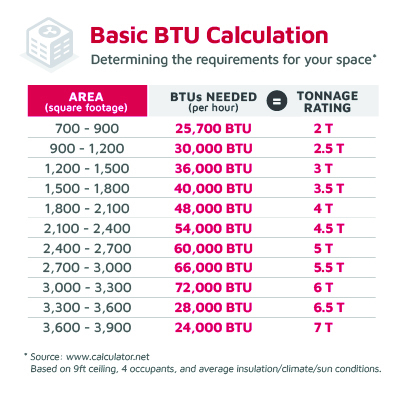
When you’re choosing an air conditioner, you might have come across the term “BTU” and wondered what it really means for your home’s comfort. Understanding BTU can make a big difference in picking the right air conditioner that keeps your space cool without wasting energy or money.
If you want to make sure your air conditioner works perfectly for your room size and climate, knowing what BTU stands for and how it affects cooling power is key. Keep reading, and you’ll discover how this simple number can help you stay cool and save money all summer long.
Credit: www.lexetx.com
Btu Basics
BTU is a common term used for air conditioners. It helps measure how much cooling power the unit has. Knowing about BTU helps you pick the right air conditioner.
This guide explains what BTU means and why it matters for air conditioners.
What Is Btu
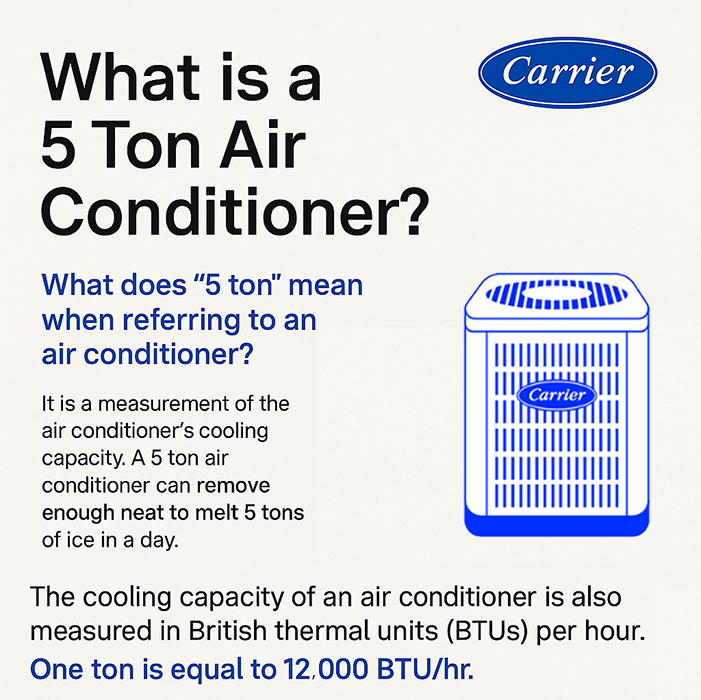
BTU stands for British Thermal Unit. It is a way to measure energy. One BTU is the energy needed to raise one pound of water by one degree Fahrenheit.
BTU shows how much heat an air conditioner can remove from a room in one hour.
Btu And Cooling Power
Higher BTU means more cooling power. Air conditioners with more BTUs can cool bigger spaces. Small rooms need less BTU to stay cool.
Choosing the right BTU helps the air conditioner work well and save energy.
- Low BTU: Cool small rooms
- Medium BTU: Cool medium rooms
- High BTU: Cool large rooms
How Btu Affects Air Conditioners
BTU size affects the air conditioner’s efficiency and comfort. Too low BTU means the room stays warm. Too high BTU wastes energy and costs more.
Matching BTU to room size gives the best cooling and saves money on bills.
| Room Size | Recommended BTU |
|---|---|
| Up to 150 sq ft | 5,000 – 6,000 BTU |
| 150 to 300 sq ft | 7,000 – 8,000 BTU |
| 300 to 500 sq ft | 10,000 – 12,000 BTU |
| 500 to 800 sq ft | 14,000 – 18,000 BTU |
Credit: www.herzindagi.com
Choosing The Right Btu
BTU stands for British Thermal Unit. It measures how much heat an air conditioner can remove from a room.
Picking the right BTU is important for cooling your space efficiently and saving energy.
Room Size And Btu
The size of your room is the main factor in choosing the right BTU for your air conditioner.
Small rooms need less BTU, while large rooms need more to cool properly.
- Up to 150 sq ft: 5,000 BTU
- 150 to 250 sq ft: 6,000-8,000 BTU
- 250 to 350 sq ft: 8,000-10,000 BTU
- 350 to 450 sq ft: 10,000-12,000 BTU
Factors Influencing Btu Needs
Other factors can change how many BTUs you need besides room size. These include sunlight, insulation, and number of people.
Rooms with many windows or poor insulation need more BTU. More people in the room also increase cooling needs.
- Sunlight exposure raises BTU needs
- Thin walls and poor insulation require higher BTU
- More occupants increase cooling load
- Heat from appliances adds to BTU demand
Risks Of Incorrect Btu Selection
Choosing the wrong BTU size can cause problems with your air conditioner’s performance.
Too low BTU means the room stays warm. Too high BTU wastes energy and causes humidity issues.
- Low BTU: poor cooling and longer run times
- High BTU: short cycles and higher energy bills
- High BTU: room feels cold but damp
- Both cases reduce comfort and appliance life
Btu Ratings And Air Conditioner Types
BTU stands for British Thermal Unit. It measures how much heat an air conditioner can remove from a room.
Different air conditioners have different BTU ratings. The right BTU depends on the room size and type of air conditioner.
Window Units
Window units fit into a window frame. They cool one room at a time.
These units often have BTU ratings from 5,000 to 12,000. Small rooms need lower BTUs, large rooms need higher ones.
- 5,000 to 8,000 BTU for rooms up to 350 square feet
- 8,000 to 12,000 BTU for rooms 350 to 550 square feet
Split Systems
Split systems have two parts: an indoor unit and an outdoor unit. They cool larger areas or whole homes.
BTU ratings for split systems range from 9,000 to 36,000 or more. Higher BTUs cool bigger spaces efficiently.
- 9,000 to 12,000 BTU for small rooms
- 18,000 to 24,000 BTU for medium rooms
- 30,000 to 36,000+ BTU for large rooms or homes
Portable Acs
Portable air conditioners can move from room to room. They vent hot air through a window hose.
These units usually have BTUs between 8,000 and 14,000. They work best for small to medium rooms.
- 8,000 to 10,000 BTU for rooms up to 300 square feet
- 10,000 to 14,000 BTU for rooms 300 to 500 square feet
Energy Efficiency And Btu
BTU stands for British Thermal Unit. It measures how much heat an air conditioner can remove from a room per hour. Understanding BTU helps you pick the right size unit for your space.
Choosing the correct BTU size affects energy use and cooling comfort. Too high or low BTU ratings can waste energy or fail to cool properly.
Seer Ratings Explained
SEER means Seasonal Energy Efficiency Ratio. It shows how efficiently an air conditioner uses electricity during a cooling season.
Higher SEER ratings mean better energy efficiency. This can lower electricity bills and reduce environmental impact.
Balancing Btu And Energy Use
| BTU Rating | Room Size (sq ft) | Energy Use |
| 5,000 – 8,000 | 100 – 350 | Low |
| 8,000 – 12,000 | 350 – 550 | Moderate |
| 12,000 – 18,000 | 550 – 900 | High |
Choosing the right BTU for your room size keeps energy use balanced. A unit too big cools fast but wastes power. A unit too small runs longer and uses more energy.
Tips For Energy-saving Cooling
- Set your thermostat to 78°F (26°C) when home
- Use ceiling fans to help air flow
- Keep doors and windows closed while cooling
- Seal leaks around windows and doors
- Clean or replace AC filters regularly
Following these tips helps your air conditioner work efficiently. It lowers energy bills and extends the unit’s life.
Btu In Real-world Cooling
BTU stands for British Thermal Unit. It measures how much heat an air conditioner can remove from a room. The higher the BTU, the more cooling power the unit has.
Understanding BTU helps you pick the right air conditioner. It ensures your space stays cool and comfortable all day.
How Btu Translates To Comfort
Choosing the right BTU size affects your comfort. Too low BTU means the room stays warm. Too high BTU wastes energy and cools too fast.
- Small rooms need about 5,000 to 8,000 BTU
- Medium rooms fit 8,000 to 12,000 BTU units
- Large rooms require 12,000 to 18,000 BTU or more
Dealing With Humidity And Btu
Humidity makes cooling harder. Air conditioners with higher BTU can remove more moisture from the air. This keeps the room dry and fresh.
| Humidity Level | Recommended BTU Adjustment |
| Low (below 40%) | Standard BTU size |
| Medium (40% to 60%) | Add 10% to BTU size |
| High (above 60%) | Add 20% to BTU size |
Seasonal Btu Adjustments
Outside temperature changes affect cooling needs. You might need to adjust BTU use across seasons for best comfort.
- In summer, use full BTU capacity to cool hot air.
- In spring and fall, reduce BTU to save energy.
- In winter, air conditioning needs drop, so BTU use is minimal.
Maintenance Tips For Optimal Btu Performance
BTU stands for British Thermal Unit. It measures how much heat an air conditioner can remove. Proper maintenance helps your AC keep its BTU power strong.
Following simple care steps can keep your air conditioner running well. This saves energy and keeps your home cool.
Filter Cleaning
Dirty filters block airflow. This lowers your AC’s BTU output. Clean filters help the unit work better and last longer.
- Remove and wash filters every month.
- Use warm water and mild soap.
- Let filters dry fully before reinstalling.
- Replace filters if they are torn or very dirty.
Regular Servicing
Regular check-ups keep your AC parts in good shape. Technicians can spot issues that reduce BTU efficiency.
| Service Task | Recommended Frequency |
| Check refrigerant levels | Once a year |
| Inspect electrical components | Once a year |
| Clean condenser coils | Every 6 months |
| Check and tighten parts | Every 6 months |
Preventing Btu Loss
BTU loss happens when cold air leaks or heat enters your home. Fixing these issues helps your AC cool better.
- Seal windows and doors tightly.
- Use curtains or blinds to block sunlight.
- Keep vents clear of furniture and dust.
- Check ducts for leaks and fix them.
Credit: www.carrier.com
Frequently Asked Questions
What Does Btu Mean In Air Conditioners?
BTU stands for British Thermal Unit. It measures the cooling power of an air conditioner. Higher BTUs mean more cooling capacity.
How To Choose Btu Size For Your Room?
Calculate your room’s square footage. Match it with the BTU rating. Proper BTU ensures efficient cooling and energy savings.
Why Is Btu Important For Energy Efficiency?
Correct BTU size prevents overworking the AC. This reduces electricity use and lowers bills. It also extends the unit’s lifespan.
Can A Low Btu Ac Cool A Large Room?
No, a low BTU unit can’t cool large spaces effectively. It will run continuously and struggle to maintain temperature.
Conclusion
Understanding BTU is key for choosing the right air conditioner. It helps in assessing energy efficiency and cooling capacity. A higher BTU means more cooling power, but also higher energy use. Choose wisely based on room size and climate. This ensures comfort without wasting energy or money.
Remember, selecting the correct BTU is crucial for effective cooling. Consider your specific needs. This way, you can enjoy a cool and comfortable space. With this knowledge, make informed decisions for your home. Your comfort depends on it.